Review · USA
Center for Puppetry Arts: Worlds of Puppetry Museum
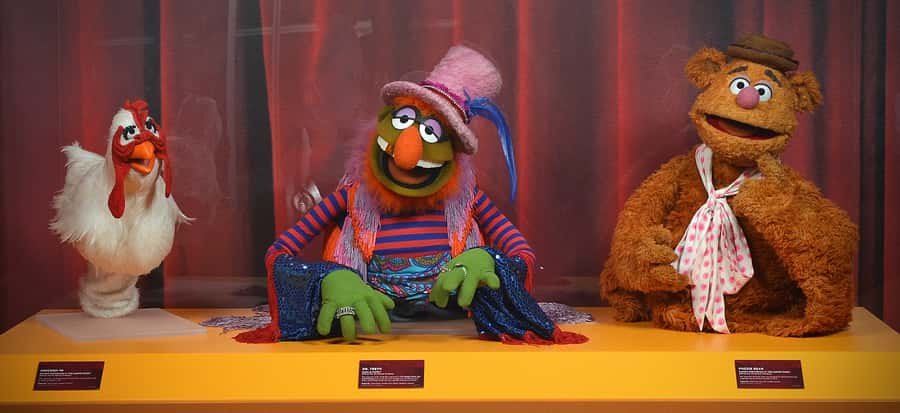
The most memorable part of this museum is the chance to see actual puppets, props, and costumes from Jim Henson’s work up close. Kermit the Frog, Miss Piggy, Sesame Street favorites, Fraggle Rock figures, The Dark Crystal creations, and Labyrinth pieces make this much more than a display of children’s toys.
I like the museum’s split personality: one half explains puppetry traditions from Asia, Africa, Europe, and the Americas, while the other follows Henson’s creative career. I also like the hands-on Interactive TV Studio, where you can put on your own puppet show. The main drawback is that displays rotate for preservation, so a character shown in current photos may not be on view when you arrive.
Key points to know before you go
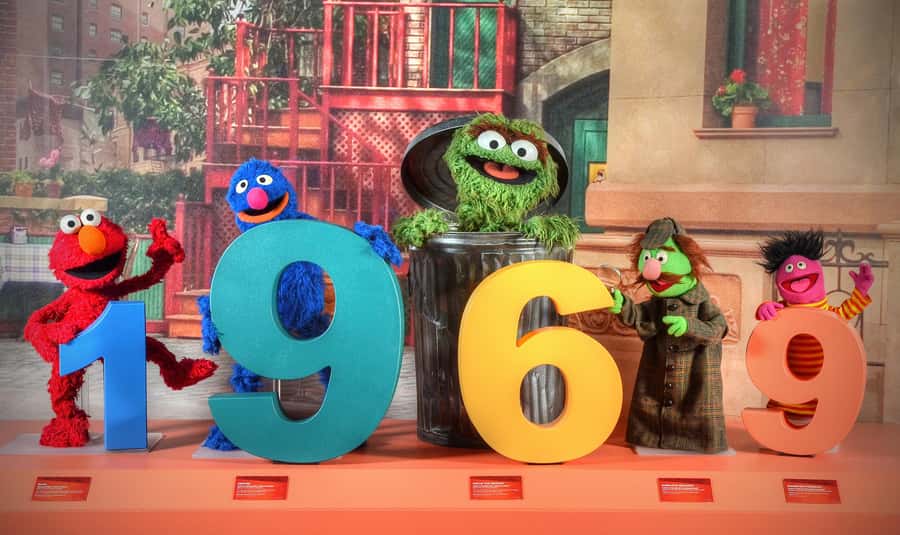
- Jim Henson’s work is the main draw: See puppets and props connected with The Muppets, Sesame Street, Fraggle Rock, The Dark Crystal, Labyrinth, and other projects.
- The Global Collection broadens the visit: Displays explain how puppets have served as teaching and communication tools across several continents.
- You control the pace: This is a self-guided museum visit, not a timed tour led by a named guide.
- The Interactive TV Studio adds play value: You can try staging your own puppet show rather than only looking at cases.
- The $17 ticket covers the museum only: Performances and Create-A-Puppet Workshops cost extra.
- Plan for display changes: Puppets rotate regularly, and flash photography is not allowed.
Why the Jim Henson collection is the museum’s big attraction
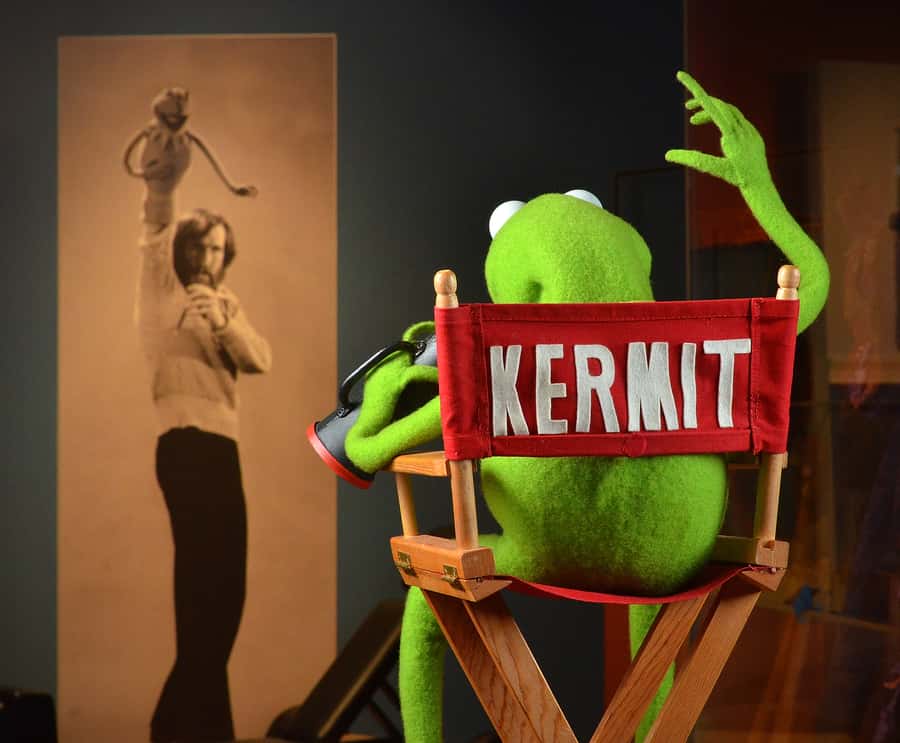
At the Center for Puppetry Arts in Atlanta, the Jim Henson collection gives you a rare look at the physical objects behind familiar screen characters. You are not simply seeing posters or production stills. The displays include puppets, props, costumes, and other artifacts connected with Henson’s career.
That difference matters. A puppet seen on television can feel like a flat image in your memory. Seeing the constructed figure in person lets you notice its materials, scale, facial details, and moving parts. It also helps explain how a character made for a small screen became so memorable.
The Henson section follows his work chronologically. That arrangement gives the visit a useful shape. Instead of presenting the characters as one large pile of nostalgia, it shows how his ideas developed over time and how his work moved through different television and film settings.
You might see displays connected with The Muppets, Sesame Street, Fraggle Rock, The Dark Crystal, and Labyrinth. The exact objects change, so do not treat website photographs as a promise of what will be in the cases. The museum rotates puppets to protect them and keep the displays changing.
The most familiar figures are likely to create the strongest emotional response. Kermit and Miss Piggy are the headline names, but the appeal reaches well beyond those two. If you grew up with Sesame Street or The Muppets, the visit can feel like a reunion with old friends. If you know Henson mainly from films, the collection also gives you a clearer view of the practical craft behind those productions.
I would allow time to read the information around the objects. The value is not only in identifying a character. You are also learning how Henson’s team developed ideas, built figures, and performed them for television and film.
A few more shows around the USA worth a look
- Museum of Broadway
★ 4.5 · 306 reviews - New York City: Museum of Broadway Entry Ticket
★ 4.6 · 113 reviews - Phoenix: World’s Only Global Musical Instrument Museum
★ 5.0 · 15 reviews
Jim Henson’s Office and Television Studio
The museum recreates environments associated with Henson’s working life, including Jim’s Office and a Television Studio. These settings help connect the objects to the process that produced them.
An office display can make a creative career feel more personal. Instead of viewing Henson only as a famous name, you get a sense of the work taking place behind the finished programs. The Television Studio setting then shifts your attention from invention to performance.
That progression is useful for children and adults. Younger visitors can focus on the characters. Older fans may pay more attention to how an idea moved from a sketch or puppet design into a filmed scene.
The Interactive TV Studio is the most active part of the Henson area. You can put on your own puppet show, which gives the museum a welcome change of pace after several display cases. It is also a good reason to bring children who may lose interest in labels and artifacts.
Do not expect a full production workshop as part of the $17 admission. The museum entry includes the Worlds of Puppetry Museum, but a Create-A-Puppet Workshop is not included. Performances are also separate. If you want a stage show or a hands-on puppet-making session, check the Center’s schedule and budget for that extra activity.
The Global Collection, from Asia to the Americas
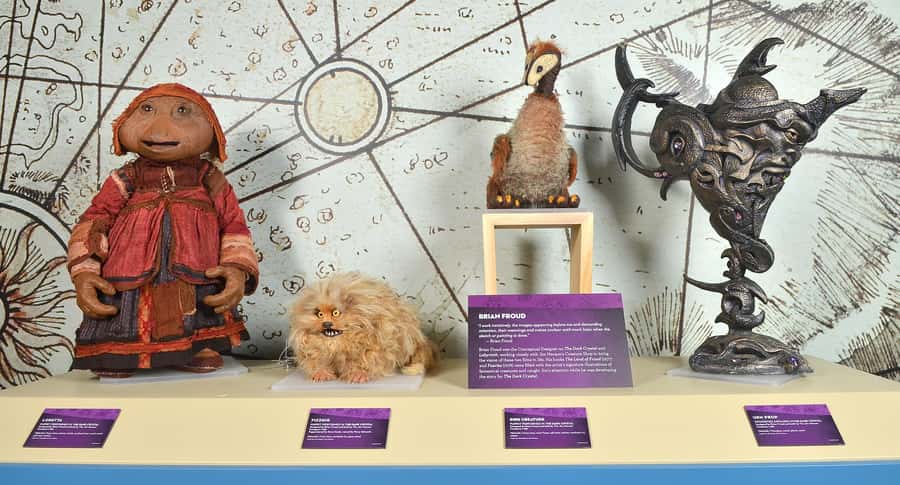
The Global Collection shows that puppetry is not limited to television characters or children’s entertainment. It presents traditions from Asia, Africa, Europe, and the Americas, with objects arranged by continent.
This section gives the museum a wider purpose. Puppets have been used to teach, communicate, tell stories, and pass on cultural ideas. The displays place the figures against contextual backdrops, so you can learn something about the traditions surrounding them rather than seeing isolated objects with little explanation.
Hands-on interactives encourage you to take part. That makes the section more approachable, especially if you arrive expecting only Henson material. You can compare the shapes, materials, and uses of puppets from different parts of the world, then consider how those traditions relate to the modern screen characters in the other gallery.
The Global Collection may be the better half of the museum for visitors who want cultural context. The Henson section supplies the emotional pull, but the international displays prevent the visit from becoming only a nostalgia stop.
The arrangement by continent also makes the room easier to follow. You can move through the displays at your own pace and spend longer with the traditions that interest you most. Since the experience is self-guided, you are free to read closely or keep moving toward the Henson collection.
How long to spend and how to pace the visit
The admission is valid for one day, and the experience is self-guided. The supplied duration is listed as one day, but that does not mean you need to spend an entire day inside the museum. Your actual time will depend on how closely you read the material, how much time you spend with the interactives, and how strongly you connect with Henson’s work.
A quick visit can focus on the major Henson displays and the Interactive TV Studio. A slower visit should include the Global Collection, the contextual information, and the environments modeled on Henson’s creative world.
I would avoid treating this as a quick photo stop. The character displays are easy to appreciate at a glance, but the museum’s best information explains how puppets function as tools for performance and communication. Give yourself enough time to read and try the interactive features.
The visit works well as a stand-alone activity, but the Center for Puppetry Arts also offers additional events and activities throughout the year. Some may be free, while the listed performances and Create-A-Puppet Workshop are not included with this museum ticket. Check the schedule if you want to build a fuller visit around your museum admission.
Same place, a different night out:
- The Haygoods: Branson’s Most Popular Show
★ 5.0 · 7,232 reviews - Paradise Cove Luau
★ 4.5 · 4,498 reviews - Toa Luau at Waimea Valley, Oahu
★ 5.0 · 3,350 reviews - Chief’s Luau Admission
★ 4.5 · 3,018 reviews
What the $17 price really gets you
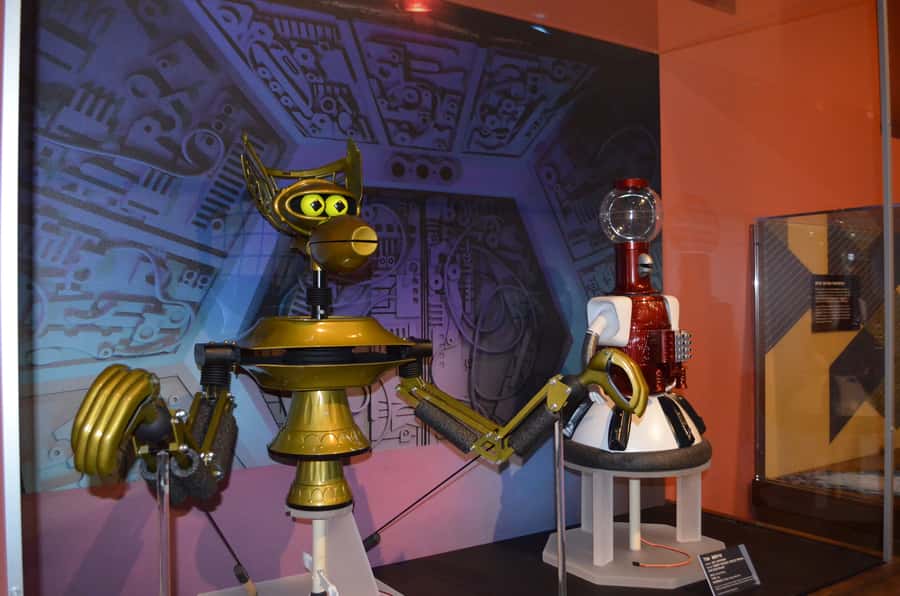
At $17 per person, the ticket is fairly easy to justify if you have a strong interest in The Muppets, Sesame Street, or puppetry in general. It also offers more substance than a simple character display because the ticket covers both the Jim Henson collection and the Global Collection.
The value is strongest for people who will take time with both sections. If you only want to see Kermit and take a few pictures, the visit may feel short for the price. If you enjoy production artifacts, cultural traditions, and hands-on exhibits, the same ticket gives you a fuller museum experience.
All adults and children age 2 and older need a ticket. Free parking is available on site, which improves the overall value, especially if you are visiting with a family. You do not need to add a separate parking charge to the museum cost.
Performances and the Create-A-Puppet Workshop are not part of admission. Keep that distinction in mind when comparing the museum with a broader Center for Puppetry Arts program. The $17 price buys access to the Worlds of Puppetry Museum, not every activity at the center.
Who will enjoy this museum most
This is an excellent pick for lifelong Henson fans. If The Muppets, Sesame Street, Fraggle Rock, The Dark Crystal, or Labyrinth played a role in your childhood, the displays give you a direct connection to those productions.
It also suits families with children, especially because the TV Studio adds a chance to make something rather than only look at objects. Children age 2 and older need tickets, so calculate the cost for everyone in your group before booking.
I would also recommend it to adults who enjoy design, film production, theater, or craft. You do not need to arrive as a puppetry expert. The Global Collection introduces the subject clearly, while the Henson displays provide familiar points of reference.
The museum may be less satisfying if you want a fast-moving attraction with a large performance component. The included experience is a museum visit, and much of the value comes from reading, looking closely, and trying the interactive elements.
Practical details for a smoother visit
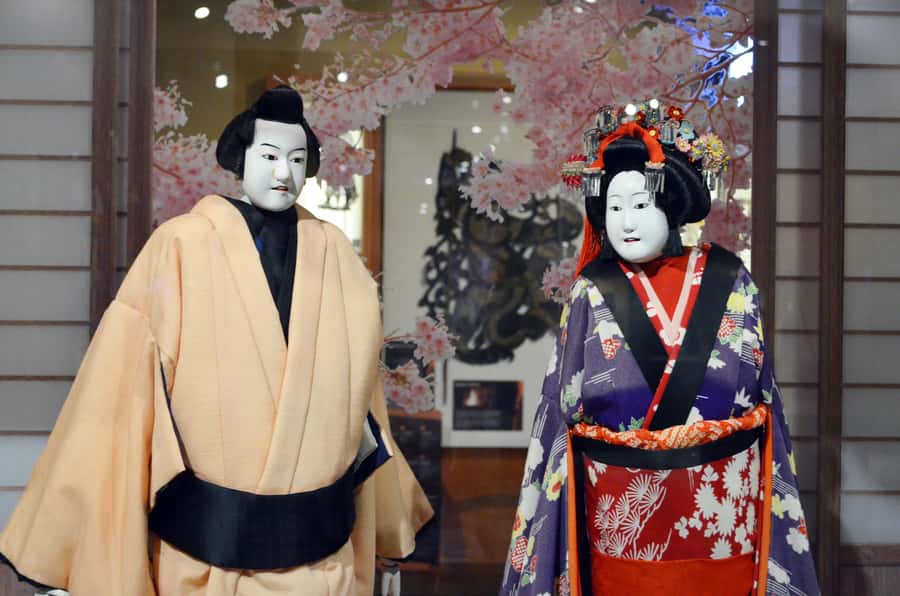
Start in the lobby, which is the meeting point for the experience, then follow the museum’s self-guided layout. English is the listed language, and there is no named guide or greeter attached to this activity.
The museum is wheelchair accessible. Free parking is available on site, a useful detail in Atlanta where parking costs can quickly affect a day’s budget.
Flash photography is not allowed. You can take photos where permitted, but keep the flash off so the objects remain protected.
The displays rotate regularly. This is worth repeating because it affects how you plan your visit. If one particular puppet is the main reason you are coming, you should not assume it will be on view based on a current online image.
The experience has earned a 4.6 rating from 59 ratings, with especially strong praise for the warm staff, the amount of material on display, and the mix of education and nostalgia. I would treat that as a sign that the museum appeals across age groups, not as a guarantee that every exhibit will suit every interest.
Cancellation is flexible: you can cancel up to 24 hours in advance for a full refund. You can also reserve and pay later, which helps if your Atlanta plans are still shifting.
How it fits into an Atlanta day
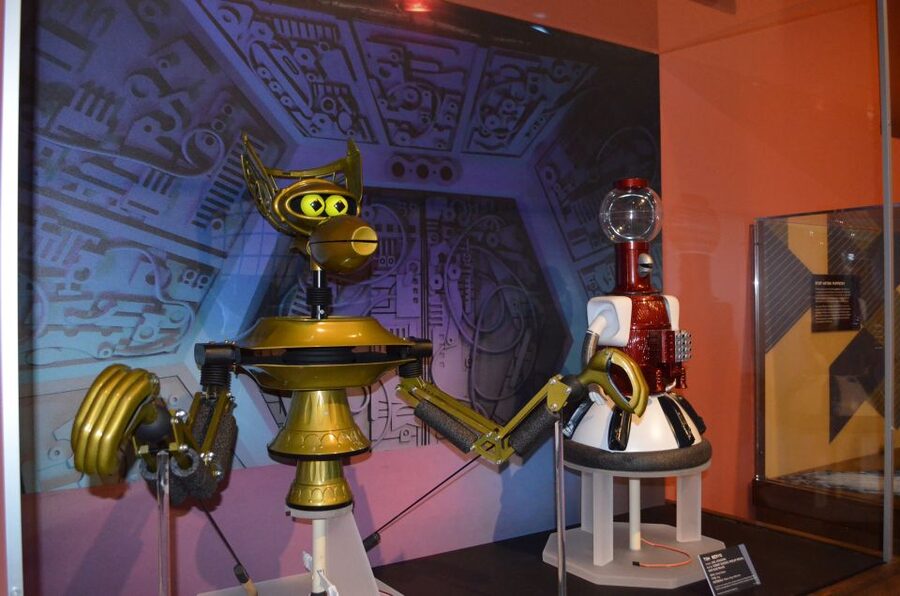
The museum works best when you want an indoor activity with a clear theme and a manageable price. It offers a different experience from large city attractions built around animals, science, or popular culture. You are here for crafted objects, performance, storytelling, and the ideas behind familiar characters.
If your schedule is tight, make the Jim Henson collection your priority, then allow time for the Interactive TV Studio. If you have a longer visit, add the Global Collection and read the displays about puppetry’s teaching and communication roles.
The Center’s additional year-round activities can make the area worth a return visit. A museum-only ticket gives you control over your pace, while a separate performance or Create-A-Puppet Workshop can add structure if you want more than a self-guided visit.
I especially like the way the experience can serve two age groups at once. Children can interact and play. Adults can study the artifacts, production settings, and cultural background. That combination is not automatic in a museum, and it makes this a practical choice for mixed-age groups.
Should you book the Worlds of Puppetry Museum?
Book it if you have any real affection for Jim Henson’s characters, want to see original puppets and props, or enjoy museums that let you take part. The combination of Henson’s work, international puppetry, and the Interactive TV Studio gives the $17 ticket solid value.
Think twice if you are looking for a live show or a puppet-making class. Those are separate experiences, and the museum admission alone will not provide them.
For most families, Henson fans, and curious adults, I would put this high on an Atlanta sightseeing list. Go with flexible expectations about the exact puppets on display, keep your flash off, and give the Global Collection more than a quick glance. That is where the visit grows from a nostalgia trip into a fuller look at what puppetry can do.
FAQ
Where is the Worlds of Puppetry Museum located?
It is at the Center for Puppetry Arts in Georgia, United States. The meeting point for this activity is the Center for Puppetry Arts lobby.
How much does admission cost?
The listed price is $17 per person.
Is the museum self-guided?
Yes. The experience is a self-guided visit through the Worlds of Puppetry Museum.
What does the museum ticket include?
The ticket includes entrance to the Center for Puppetry Arts, Worlds of Puppetry Museum. Performances and the Create-A-Puppet Workshop are not included.
Can I see Kermit the Frog and Miss Piggy?
The Jim Henson collection includes iconic puppets such as Kermit the Frog and Miss Piggy. Puppets are rotated regularly, so the exact objects on display can change.
Is parking available?
Yes. Free parking is available on site.
Is the museum wheelchair accessible?
Yes. The activity is wheelchair accessible. Flash photography is not allowed, and all adults and children age 2 and older need a ticket.
Just added around the USA
- West End Tour, Open Cockpit Biplane Ride★ 5.0 · 8 reviews
- Circus Secrets of Venice Trolley Tour★ 5.0 · 3 reviews
- Murder Mystery Dinner and Show★ 5.0 · 8 reviews
- The MAXIMUM MAGIC Show Starring Noah & Heather Wells★ 4.5 · 242 reviews
- Destin Harbor Firework Show by Boat★ 4.0 · 20 reviews
- The Dinner Detective True Crime Murder Mystery Show – Denver, CO★ 4.5 · 36 reviews
- That Game Show Place in Palm Harbor★ 5.0 · 19 reviews
- Chicago Fire TV Show Set Tour★ 5.0 · 68 reviews
USA Shows, compared.





Mauka Warriors Luau Honoring Polynesia’s Forgotten History
Read our review →
The Magical Mystery Show! at Hilton Waikiki Beach Hotel
Read our review →