
Review · BEIJING
Beijing Culture Event: Tea Ceremony, Music Show, Calligraphy
A quiet Guqin performance, a porcelain tea set, and your own brushwork make this Beijing activity far more hands-on than a standard cultural show. I like the small groups of no more than eight and the way a master lets you try the Guqin instead of asking you to sit still for the whole visit. I also like the bilingual cultural guidance, which adds meaning to the gestures and symbols.
The main drawback is location. You must make your own way to Hua Gong Station, about 30 minutes from the Temple of Heaven, and the session has a fixed 2.5-hour format. The $79 price is fair if you want instruction, performances, Hanfu rental, photos, tea, and souvenirs in one visit, but it may feel high if you only want a short tea tasting or concert.
Key points to know before booking
- Hear a private Guqin performance: A national-level master plays the ancient seven-string instrument, then helps you try it yourself.
- Learn the Six-Step Tea Art method: You brew red, green, and floral teas using traditional porcelain equipment.
- Practice real Chinese calligraphy: You write a meaningful character or phrase while learning how Chinese writing developed.
- Wear Hanfu and join a formal ritual: Traditional clothing, a teacher-honoring ceremony, and a photo session are included.
- Stay with a bilingual cultural guide: English and Chinese instruction covers history, sociology, symbolism, and practical steps.
- Travel in a small group: The maximum of eight participants allows more individual help during tea, Guqin, and calligraphy practice.
A rare look at Beijing culture through six short chapters
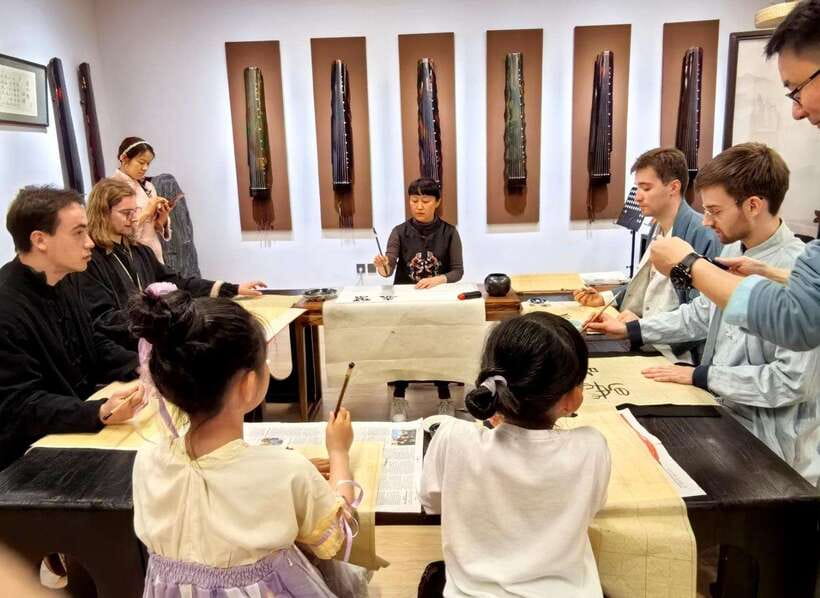
This activity takes place at a private, certified Guqin art center and a high-end tea culture base. These are not ordinary public sights where you walk through a room, snap a photo, and move on. The focus is on watching, listening, trying, and asking questions.
You spend about 2.5 hours moving through six connected parts: tea brewing, a Guqin performance, Guqin practice, calligraphy, traditional clothing and ritual, and guided cultural interpretation. The format works well because each subject gives you a different way into Chinese tradition. Tea uses the senses, music slows the pace, calligraphy engages your hands, and the ritual ties the activities together.
I would not treat this as a formal concert or a museum visit. It is closer to a small cultural workshop with professional performances included. You will have time to listen, but you will also be expected to participate.
A few more shows around Beijing worth a look
- Red Theatre Beijing Acrobatic Show Tickets
★ 4.9 · 461 reviews - Red Theatre Beijing Acrobatic Show Tickets Official Booking
★ 5.0 · 218 reviews - Red Theatre Beijing Acrobatics Show Ticket
★ 5.0 · 141 reviews
Tea ceremony with porcelain cups and three tea styles
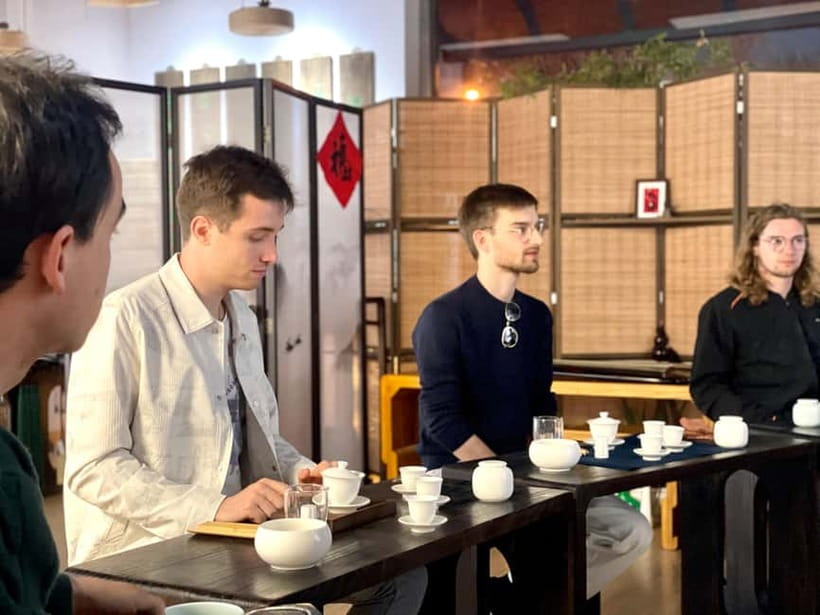
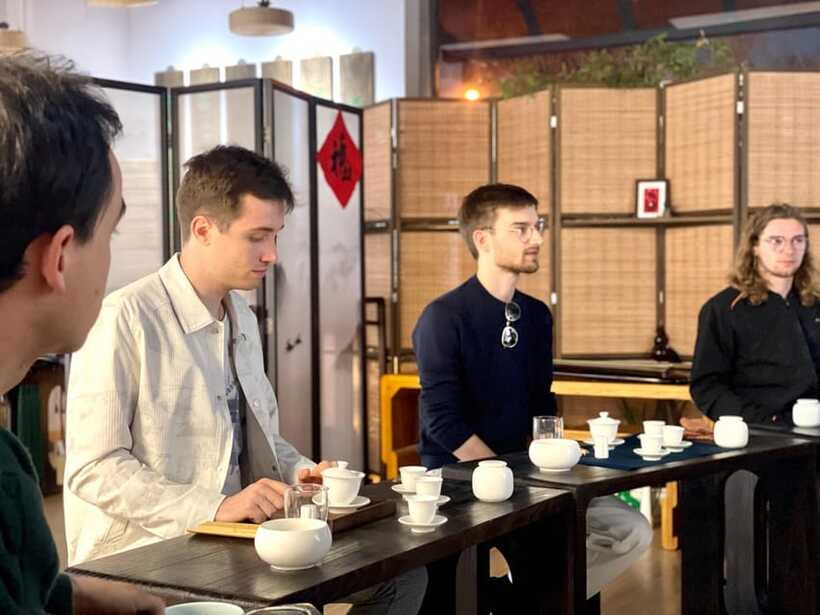
The tea portion begins with a professional tea master demonstrating the traditional Six-Step Tea Art method. You learn how the equipment is handled, how tea is prepared, and how small changes affect aroma, color, and taste.
The session includes red, green, and floral teas. That range matters because the teas offer clear contrasts. You can pay attention to the differences in fragrance and aftertaste instead of simply drinking one prepared cup. The porcelain set also gives the lesson a tactile quality. You are not just hearing a description of tea culture. You are handling the tools and following the sequence yourself.
The tea ceremony is likely to appeal most to you if you enjoy detail and ritual. The movements may seem slow at first, but that pace is part of the point. Tea preparation becomes a way to show care, order, and attention.
Do not expect a full meal. Water and tea are included, but meals and other drinks are not. If you need substantial food, eat before you arrive.
Guqin music from a 3,000-year-old tradition
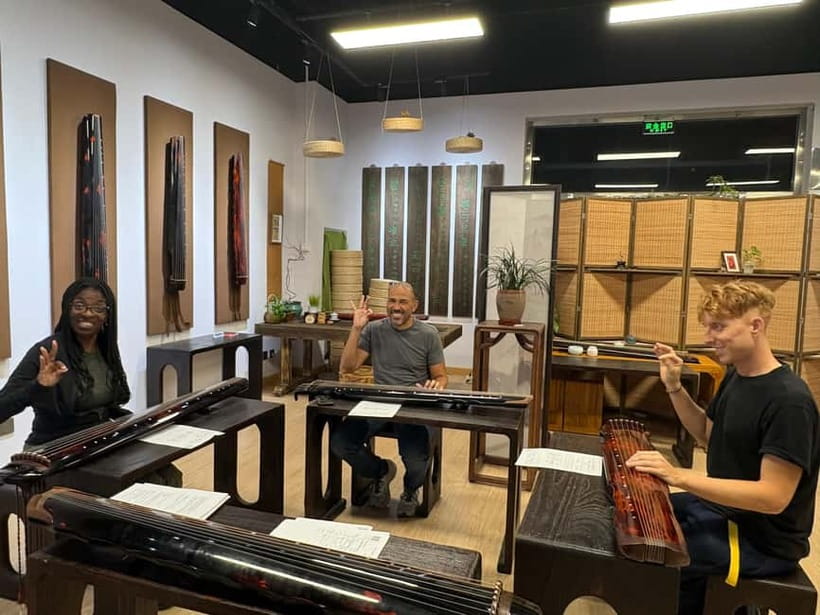
The Guqin is one of the most distinctive parts of the visit. This ancient Chinese zither has seven strings and a long association with scholars, music, reflection, and formal learning. It has also been used in official cultural settings, including performances for foreign dignitaries.
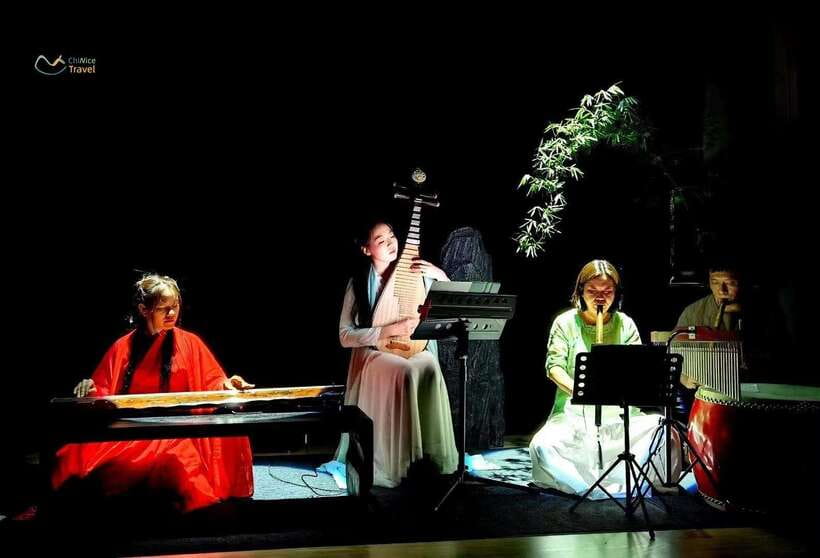
A national-level heritage master performs during the session. The supplied details describe a teacher with 40 years of experience, so you are hearing the instrument from someone who has spent decades studying its technique and character.
The Guqin does not produce the forceful sound of a large stage instrument. Its appeal is quieter and more intimate. You listen for tone, pauses, and the shape of each phrase. The guide also connects the music to Chinese characters and older ideas about language, rhythm, and scholarship.
This is an important point for expectations. If you want a lively folk show with costumes and a large ensemble, this may feel restrained. If you enjoy a close look at an instrument that rarely appears in ordinary Beijing sightseeing, the private performance gives the visit its strongest cultural focus.
Your first Guqin lesson
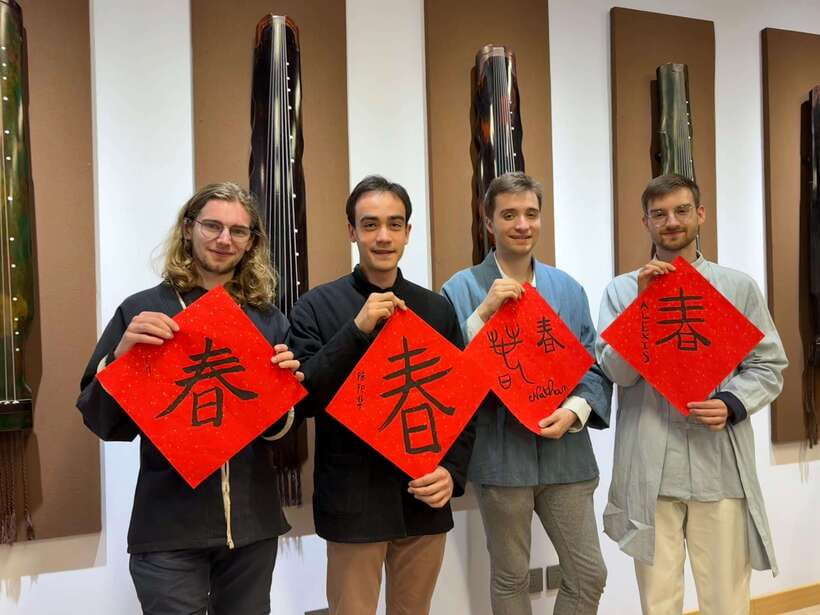
After listening to the master, you get to try the instrument. The class is designed for beginners, and the goal is to play a simple melody rather than master the Guqin in one sitting.
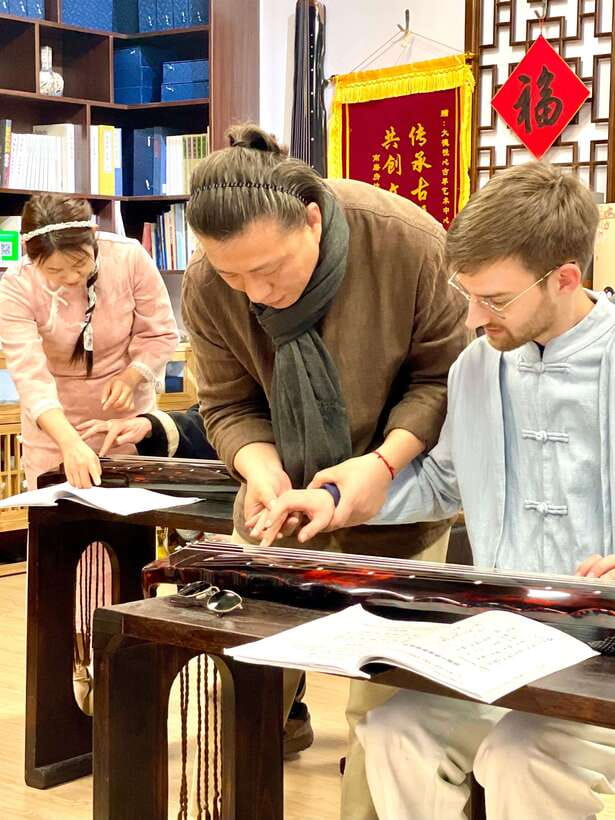
That hands-on section changes the mood. You begin to understand how much control is needed to produce a clean note, and you get a better sense of the instrument’s meditative quality. A teacher or tutor helps guide you, and the small group size should make it easier to receive personal attention.
Families may find this especially useful. One family ranging in age from 11 to 40 found that even members who were unsure about the activity ended up enjoying the practical parts. The Guqin class gives younger participants something active to do, while the performance and explanation give adults more historical context.
You should still be comfortable with a patient pace. The Guqin is not a quick novelty instrument, and the lesson is about contact with the tradition, not putting on a polished performance.
Same place, a different night out:
- Beijing Golden Mask Dynasty Show with Private Transfer
★ 5.0 · 98 reviews - Beijing Roast Duck Banquet and Acrobatics Show with VIP Seats Evening Tour
★ 3.5 · 87 reviews - Red Theatre Beijing Acrobatics Show Ticket
★ 4.9 · 73 reviews - Beijing: Traditional Cultural Show Peking Opera Tickets
★ 4.4 · 66 reviews
Calligraphy from pictographs to personal characters
The calligraphy section introduces the development of Chinese writing, from early pictographs to the five major traditional styles. You then use brush and ink to write your own meaningful symbol.
This is one of the most accessible parts of the program because you do not need to read Chinese to take part. You can learn to write your name or a word such as blessing, as one participant did, and leave with a personal connection to the script.
Calligraphy also gives the guide a useful way to explain how Chinese characters carry visual and cultural meaning. The writing is not only about copying lines correctly. You are learning how the shape, balance, and movement of the brush matter.
The activity includes original souvenirs, so your work is not the only keepsake. The exact souvenir details are not specified, but the package also includes photography, which makes the Hanfu and calligraphy portions especially useful if you want something to remember the day.
Hanfu, ritual, and a chance to slow down
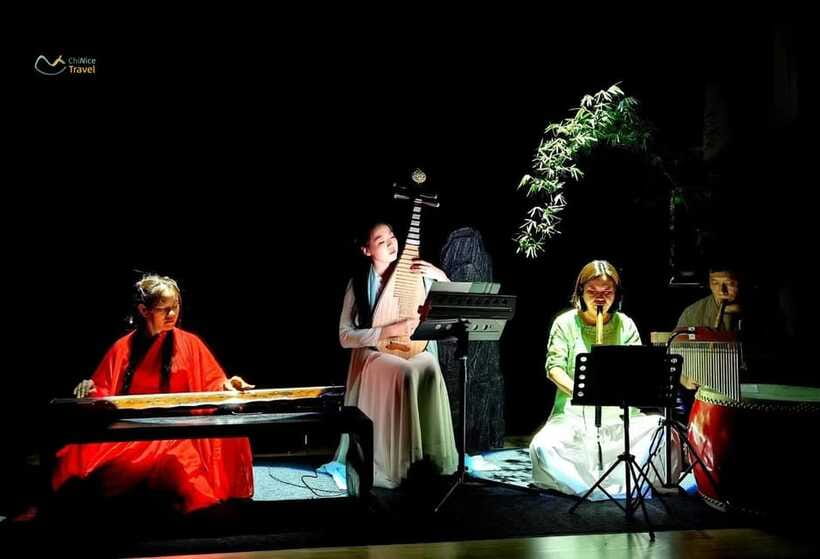
The Hanfu session adds a visual and ceremonial side to the program. You can dress in traditional clothing and take part in a ceremony honoring your teacher.
Comfortable clothes are recommended because you will change for the session. Bring your camera for the photo shoot. The clothing is included in the price, so you do not need to arrange a separate Hanfu rental or costume visit.
The ceremony may be unfamiliar if you have not taken part in a formal teacher-honoring tradition. That is where the cultural guide matters. Instead of treating the ritual as a costume photo opportunity, you can ask about the gestures, the order of events, and the respect shown toward learning.
Photography is included, but the information does not specify how many edited images you receive or how they are delivered. If professional photos are important to you, ask for those details when booking.
Why the guide makes a difference
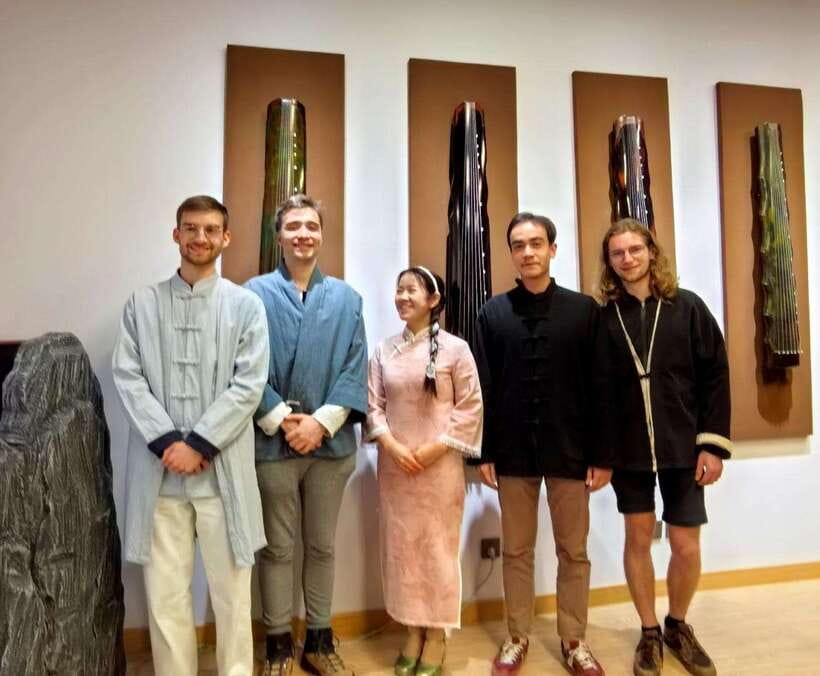
The activity includes a bilingual guide with advanced academic training in history and sociology. This person is meant to explain more than vocabulary. You can expect help with the background behind the tea tools, Guqin, calligraphy, clothing, and ceremony.
English and Chinese are available. That is important in an activity where a small translation mistake could remove much of the meaning. The guide can also help you follow instructions during the practical sessions.
One family staying at the Kerry hotel was met at the metro entrance by Sylvia, who helped them find the art center after they had sorted out their tickets. Sylvia also asked about allergies in advance so the hosts could plan accordingly. That suggests it is worth sharing dietary or allergy concerns before the session, even though meals are not included.
The guide’s role is particularly useful if you are curious about why a movement is done in a certain way. Without explanation, a tea gesture or ritual bow can look decorative. With context, it becomes part of a larger system of respect and study.
Getting there from Hua Gong Station
The meeting point is at Hua Gong Station, Exit C, on Line 7. The activity ends back at the same meeting point, and transportation to and from the venue is not included.
Plan extra time for the trip, especially if Beijing’s metro system is new to you. You are asked to arrive 10 minutes early, which is sensible because you may need time to find the exit and prepare for Hanfu.
The station is about 30 minutes from the Temple of Heaven, so you can pair this with sightseeing in southern Beijing if your schedule allows. Do not plan the connection too tightly. A delayed train, a wrong exit, or time spent finding the meeting point could make the start stressful.
The activity is wheelchair accessible, but the supplied information does not explain the exact arrangements for changing clothes or moving between rooms. If you need specific access support, confirm those details before paying.
What the $79 price includes
At $79 per person, this is not the cheapest cultural stop in Beijing. A short tea tasting or a public music performance would likely cost less. The value comes from the number of elements combined in one small-group session.
Your fee includes:
- Tea and water
- Admission to the show
- Hanfu rental
- Photography
- A Guqin class
- A professional guide or Guqin tutor
- Original souvenirs
You are paying for instruction as well as admission. The tea lesson, Guqin practice, calligraphy, clothing, ritual, and photography would be difficult to arrange separately during a short Beijing stay.
The price makes the most sense if you want to take part in each section. If you plan to skip the calligraphy, avoid dressing up, or only watch the Guqin performance, the value drops. Families and first-time visitors to China may get more from the combined format because it removes the need to arrange several separate cultural activities.
The maximum group size of eight is another part of the value. You should have a better chance to ask questions and receive help with the brush, tea tools, or Guqin than you would in a large commercial show.
Who will enjoy this most
I would recommend this for families, couples, solo visitors, and small groups who want a quieter cultural activity away from Beijing’s major monuments.
It suits you if you:
- Enjoy trying traditional arts with your hands
- Want an English-speaking guide to explain cultural meaning
- Prefer a small group to a large stage show
- Like music that is calm and reflective
- Want Hanfu photos without arranging a separate rental
- Are curious about tea, calligraphy, and Chinese ritual
- Have children old enough to follow instructions and take part
It may not suit you if you want a fast-moving tour, a large theatrical performance, a full meal, or a broad sightseeing route through Beijing. The activity focuses on a few traditions in detail rather than covering many city sights.
The calm format can also be a drawback for anyone who needs constant action. The Guqin performance and tea ceremony ask you to pay attention to small movements and sounds.
Booking details that matter
You can cancel up to 24 hours before the activity for a full refund. You can also reserve now and pay later, which is useful when your Beijing schedule is still shifting.
The experience is offered in Chinese and English. Check the available starting times before booking because the duration is fixed at 2.5 hours.
Wear comfortable clothes under the Hanfu, bring a camera, and arrive 10 minutes early. Since the meeting point is at a metro exit rather than your hotel, save the station name and exit number before leaving.
Should you book this Beijing cultural experience?
Book it if you want to do more than watch a traditional performance. The best parts are the direct contact with the Guqin, the tea-brewing lesson, and the chance to write calligraphy while a bilingual guide explains the ideas behind each activity.
The $79 cost is justified for you if you value small groups, expert instruction, Hanfu rental, photos, and souvenirs. I would be more hesitant if you want only a short concert or if your schedule makes the trip to Hua Gong Station inconvenient.
For families, this is a strong choice because the program gives different ages several ways to participate. For solo visitors and couples, it offers a thoughtful break from Beijing’s major sights. Arrive ready to listen, try unfamiliar tools, and take your time. That is when this compact cultural session earns its price.
FAQ
How long does the Beijing cultural activity last?
The activity lasts 2.5 hours. Starting times vary, so check availability when booking.
Where is the meeting point?
Meet at Hua Gong Station, Exit C, on Line 7. The activity ends back at the same meeting point.
What languages are available?
The activity is offered in Chinese and English. A bilingual cultural guide provides interpretation and cultural explanation.
What is included in the $79 price?
The price includes tea and water, admission to the show, Hanfu rental, photography, a Guqin class, a professional guide or tutor, and original souvenirs.
Is transportation included?
No. You must arrange your own transportation to and from the meeting point and venue.
Can I cancel or pay later?
You can cancel up to 24 hours in advance for a full refund. You can also reserve now and pay later.
Just added around Beijing
- Yuxiandu Chinese Royal Cuisine Museum with Show and Royal Banquet★ 5.0 · 4 reviews
- Beijing Red theatre Acrobatics Show Ticket★ 5.0 · 4 reviews
- Two-Day Package of Beijing Highlights Private Tour with Optional Evening Show★ 5.0 · 15 reviews
- Private Tour to Pearl Market Acrobatic Show & Peking Duck Dinner★ 5.0 · 5 reviews
- Red Theater Beijing Acrobatic Show Tickets Booking★ 5.0 · 54 reviews
- Private Tour: Tiananmen Area Night Walk with Lao She Teahouse Show★ 5.0 · 3 reviews
- Private Day Tour to Shaolin Temple from Beijing by Bullet Train with Kungfu Show★ 5.0 · 2 reviews
- Private Tour: Beijing Cuisine Dinner and Chinese Kung Fu Show★ 4.0 · 2 reviews
Beijing Shows, compared.
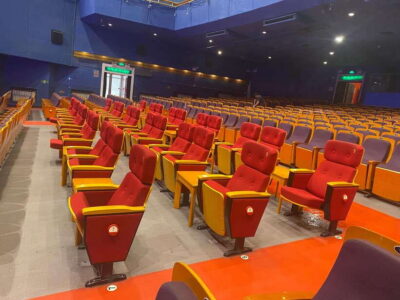
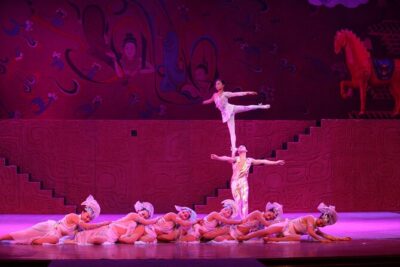
Red Theatre Beijing Acrobatic Show Tickets Official Booking
Read our review →
Beijing Golden Mask Dynasty Show with Private Transfer
Read our review →
Beijing Roast Duck Banquet and Acrobatics Show with VIP Seats Evening Tour
Read our review →
Beijing Red Theater Acrobatic Show with Private Transfer Service
Read our review →Browse the lists this show appears in