
Review · LISBON
Fado: Musical Walking Tour with Food & Live Show
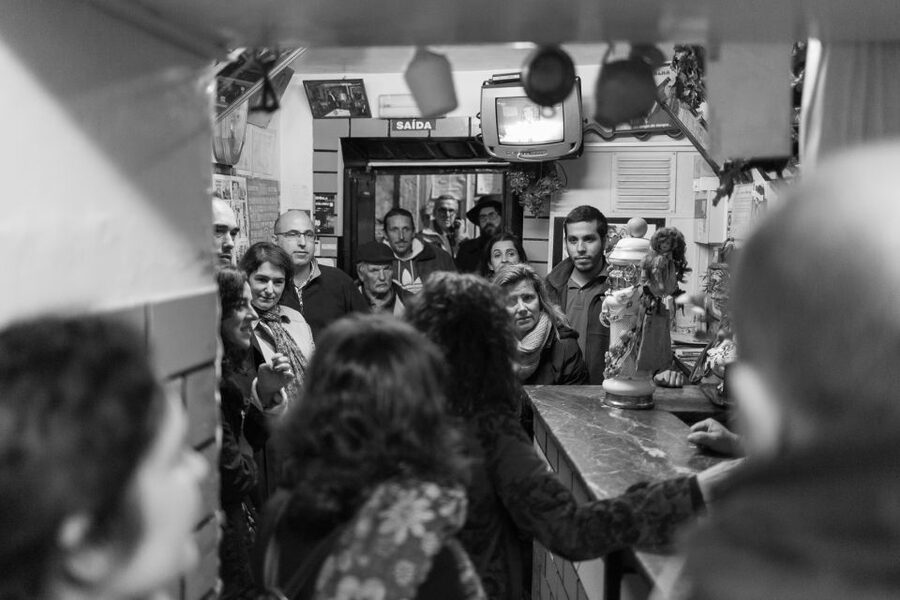
Fado is easiest to understand where it began: in Lisbon’s old working neighborhoods, not from a theater seat. This three-hour walk takes you through Mouraria and Alfama with a guide and a live fado singer, so the music comes with its places, stories, and feeling.
I like the small group, limited to eight, and the way the singer may perform along the route rather than waiting until dinner. I also like the traditional meal of caldo verde, grilled chouriço, bread, and wine. The main drawback is the walking: steep, uneven streets make this a poor choice for anyone with mobility limits, and the meal may not suit vegans or non-fish-eating vegetarians.
Key points
- Hear fado in the streets where it grew: Explore the alleys around Martim Moniz and Mouraria with a singer who explains the music through performance.
- Meet guides who bring the subject to life: Rita has led the tour with clear historical context, while singers such as Ruca add emotional weight to the story.
- Share a classic Portuguese meal: Caldo verde, chouriço assado, bread, and wine are served in a fado house in Alfama.
- Keep the group personal: The tour is limited to eight people, giving you more room to ask questions and follow the guide’s explanations.
- Expect a real walking tour: Comfortable clothes matter, and the route is not suited to people with mobility impairments.
- Allow three hours for music and food: The experience begins at the Chapel of Nossa Senhora da Saúde in Praça Martim Moniz and ends with live fado in Alfama.
Why fado makes sense on foot
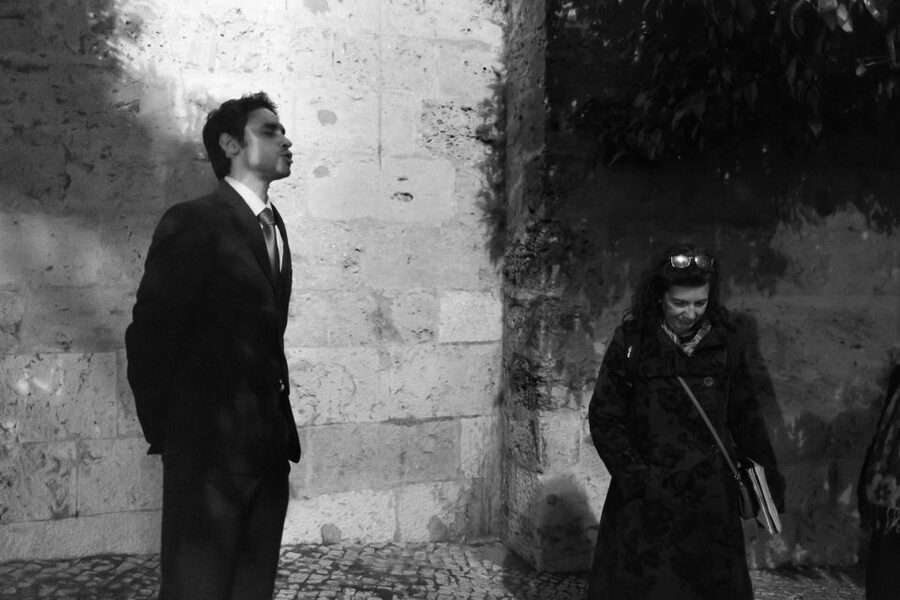
Fado is not simply a style of singing to be added to an evening out. In Lisbon, it is tied to neighborhood life, local taverns, working people, and the old streets that climb away from the river.
That is why this tour’s format works. You are not given a short introduction before being sent into a restaurant. You walk through the areas connected with fado, hear the story from a singer and guide, then sit down for food and more music.
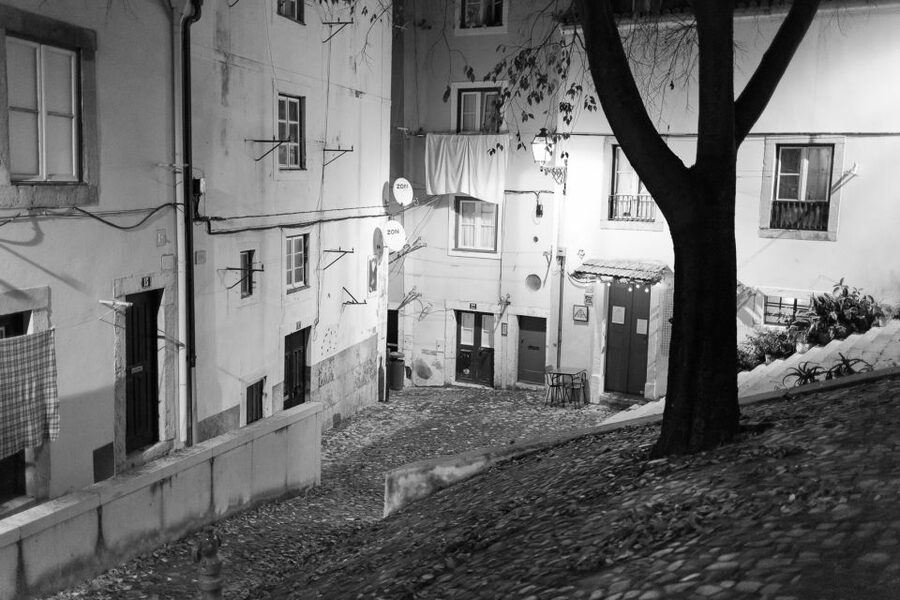
The route starts near Praça Martim Moniz, a useful meeting point at the edge of several central Lisbon neighborhoods. From there, the tour heads into Mouraria, an area with a strong multicultural character and close ties to the early development of fado.
I especially like this setting for first-time listeners. Fado can feel mysterious if you hear it without context. The guide explains what you are hearing, why the songs matter, and how different forms of fado developed. The music becomes easier to follow when you understand its connection to Lisbon.
Fado is recognized by UNESCO as Intangible Cultural Heritage, but the important point for you is not the official label. The value is hearing it in the city that made it part of daily culture, with someone who can explain the difference between a song that sounds mournful and one that carries a more playful or dramatic mood.
More Fado Shows in Lisbon:
- Lisbon: Live Fado Show with Port Wine at Lisboa em Fado
★ 4.7 · 5,097 reviews - Lisbon: Fado Show and Wine inside Medieval Walls
★ 4.8 · 3,819 reviews - Lisbon: Fado Show and Portuguese Dinner
★ 4.5 · 1,531 reviews
Starting at Praça Martim Moniz
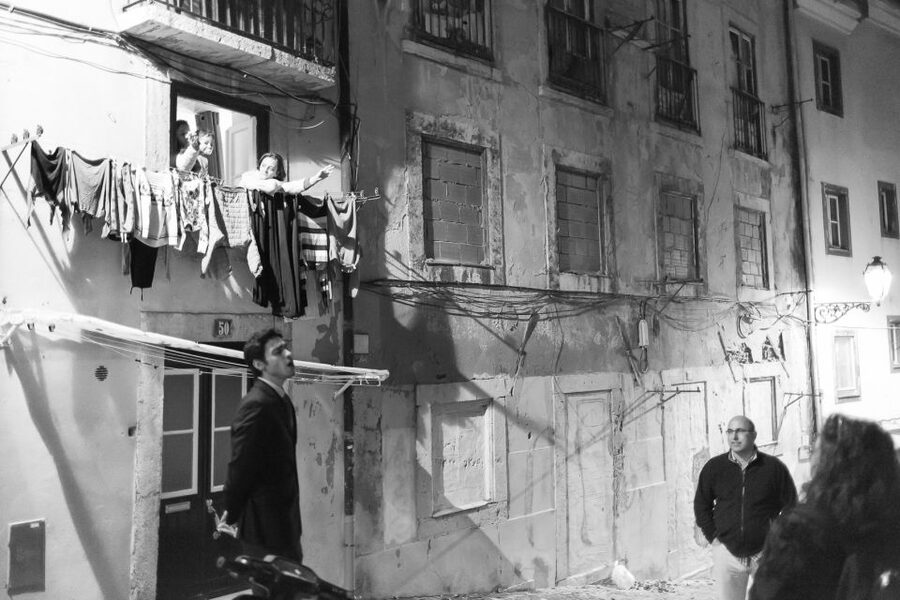
The meeting point is the Capela de Nossa Senhora da Saúde at Praça Martim Moniz. Check your starting time carefully because the tour offers different departure times depending on availability.
This is a sensible place to begin. The square sits near Mouraria and gives the guide a natural opening for the city’s social and musical story. You are close to the route’s main theme from the first minutes, rather than spending part of the tour on a long transfer.
The guide is listed in several languages: Portuguese, Spanish, English, French, German, and Italian. Rita has led some departures, and her role goes beyond pointing out streets. She has explained the history of fado and placed it within the wider story of Lisbon and its culture.
The small group matters here. With no more than eight participants, you can hear the guide in narrow lanes and ask questions without competing with a crowd. It also gives the walk a more relaxed feel than a large city tour, especially when the singer performs nearby.
Wear comfortable clothes and shoes suitable for walking. The route passes through old neighborhoods, and the activity is not recommended for people with mobility impairments. The supplied information does not give a precise elevation gain or distance, so you should not assume that the route will be flat or easy.
Mouraria, taverns, and the roots of the music
Mouraria is the most important part of the tour for anyone who wants context rather than only an evening performance. You walk through alleys and squares around Praça Martim Moniz and visit places linked to fado culture.
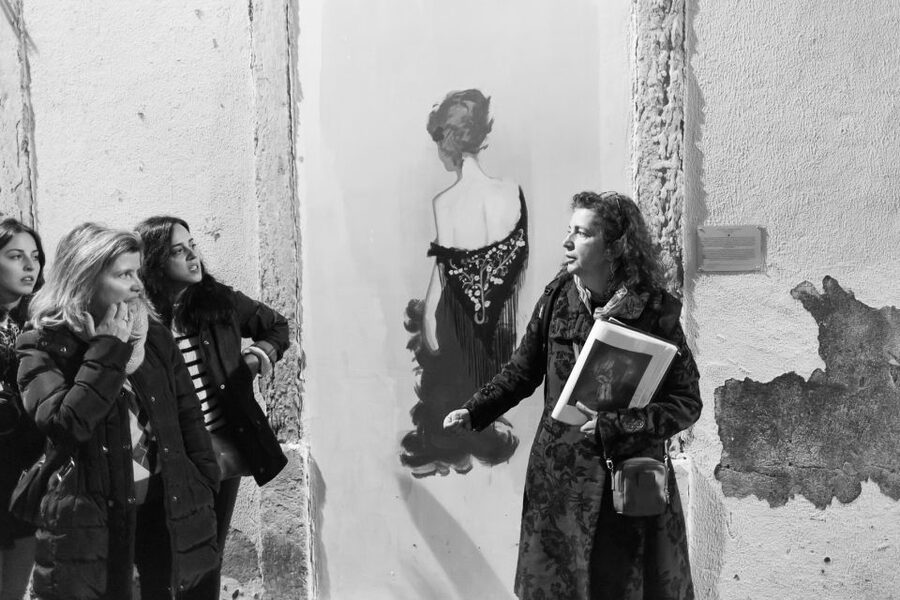
The appeal is not a checklist of famous sights. It is the chance to see the kind of neighborhood where fado developed and where local taverns helped keep it alive. The guide points out the connection between ordinary places and the music, giving you a better sense of fado as a living part of Lisbon rather than a staged product.
A fado singer accompanies the walk. That changes the pace and the mood. Instead of hearing only an explanation of the music, you hear examples as the tour moves from one historic area to another. Ruca has performed on some tours, singing different forms of fado during the walk. His voice was described as especially emotional and evocative, which is useful to know if you want more than a standard guide talk.
The live singing is likely to be the part you remember best. A song heard in a quiet corner or old lane can connect the sound to the city in a way that a recording cannot. Still, keep your expectations sensible. This is a walking tour with live examples, not a full concert from one singer for three hours.
The guide may also explain individual songs after they are performed. Rita has taken the time to make notes about songs and discuss their meaning at the restaurant. That kind of detail helps you listen more closely, particularly if you do not speak Portuguese.
Alfama and the meal in a fado house
The food stop comes in Alfama, another Lisbon neighborhood closely associated with fado. You sit down in a traditional fado house for a simple Portuguese meal and more live music.
The meal includes caldo verde, a traditional soup, chouriço assado, bread, and wine. Caldo verde is a useful introduction to Portuguese home-style cooking: warming, straightforward, and strongly tied to the country’s food culture. The grilled sausage adds a smoky, savory main element, while bread and wine round out the meal.
This is not presented as a gourmet dinner, and that is part of the point. The food gives the experience a local shape without turning it into an expensive restaurant event. You are eating in a fado setting, where the music and the meal belong together.
The restaurant options may offer meat or fish. If you are vegan or a vegetarian who does not eat fish, check before booking. The listed meal includes sausage, and no plant-based alternative is promised in the tour details.
At the fado house, you can expect to hear other singers and guitar players as well as the singer who joined the walk. This adds variety and lets you experience the more formal performance side of fado after hearing songs in the streets.
There is an important distinction here. The singer-guide gives you personal contact and explanation, while the fado house provides the traditional performance setting. Together, those two parts make a stronger introduction than either one alone.
More Broadway and West End Shows in Lisbon:
- Fado Musical Experience with Portuguese Wine & Appetizers
★ 4.0 · 288 reviews - NYC: Aladdin the Musical on Broadway
★ 4.8 · 1,800 reviews - NYC: The Lion King on Broadway
1,609 reviews - NYC: MJ the Musical on Broadway
1,510 reviews
What the guide adds to the music
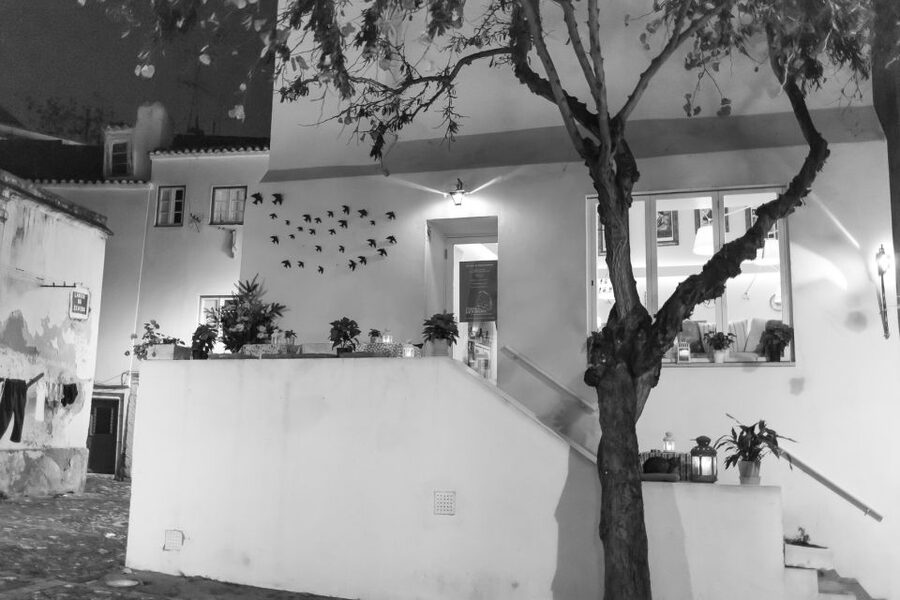
A good fado tour needs more than someone who can identify a restaurant. The guide must explain a music that can sound simple on first hearing but carries a great deal of emotion and cultural meaning.
Rita’s work on the tour has included the origins of fado, its different forms, and its place in Lisbon’s culture. She has also explained the subject beyond music, connecting it with the city’s past and neighborhood life. That broader context is useful because fado is not separate from Lisbon. It is part of how the city tells stories about longing, work, love, and everyday experience.
The singer adds something a guidebook cannot. Ruca, named in several departures, has sung examples of different types of fado and performed during the walk. You may also encounter another singer depending on the date and group.
Do not expect every departure to have exactly the same personalities. The experience includes a guide and fado singer, but the individual names can vary. Rita and Ruca are useful examples of the kind of team involved, not a guarantee that they will lead your particular date.
The guide’s language options also make a difference. You can choose among Portuguese, Spanish, English, French, German, and Italian, subject to availability. Ask questions as you go, especially about songs performed in Portuguese. The explanations are a major part of the $100 price.
Is $100 a fair price?
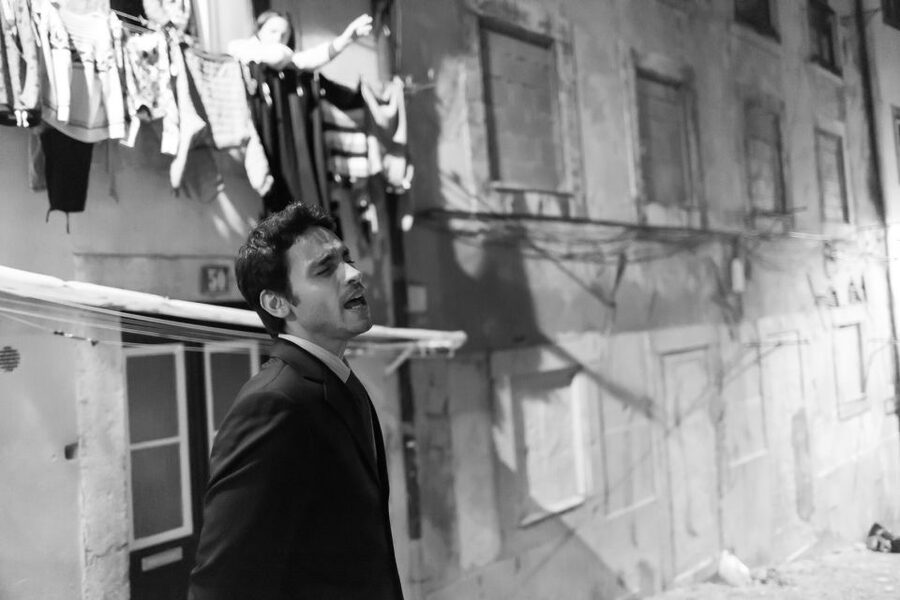
At $100 per person, this is not the cheapest way to hear fado in Lisbon. You could find a meal and a performance separately for less, depending on the venue and menu.
The value comes from the combination. You receive three hours with a guide, a live singer, a small group, a neighborhood walk, a traditional meal, wine, and additional live music at a fado house. You are paying for access and interpretation, not only a seat at a show.
I would consider it good value if you are new to fado and want to understand what you hear. The tour removes much of the guesswork: where to go, what the songs mean, how the music connects to Lisbon, and how to choose a suitable fado house.
It is less compelling if you already know fado well or mainly want a long, polished concert. In that case, a dedicated evening performance may give you more music for your money.
The small group also helps justify the cost. A group capped at eight allows the guide to speak directly with you and gives the singer room to interact with the group. That personal scale is one of the strongest features of the experience.
Who should book this tour?
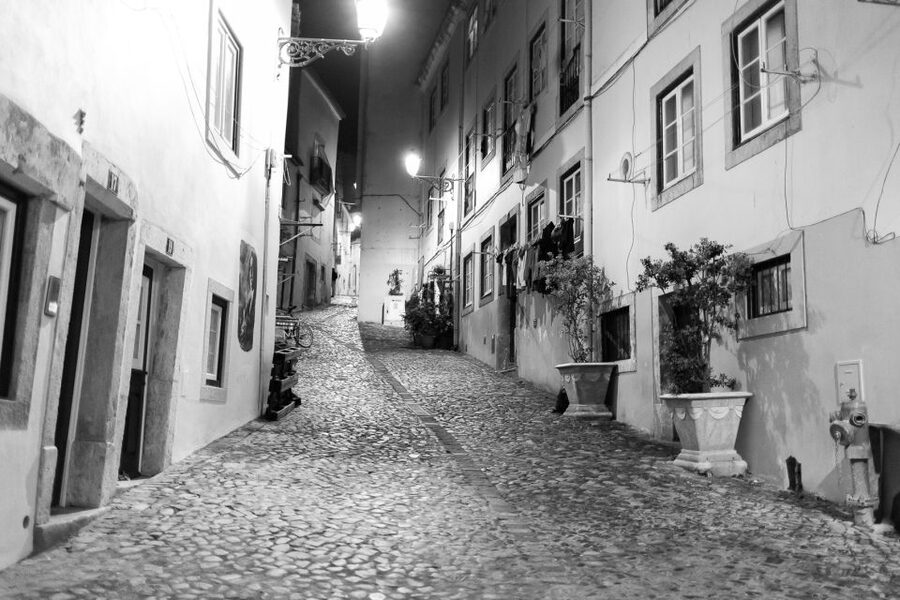
I would recommend it to first-time Lisbon visitors who want a cultural activity with real local context. It suits you especially well if you like music, neighborhood walks, food, and stories that connect a city’s culture to its streets.
It also works for couples. The live singing in old lanes, the evening meal, and the intimate group can create a romantic atmosphere. One departure included singing in atmospheric places along the route, which adds a memorable touch without making the tour feel like a staged photo opportunity.
Solo visitors and curious small groups should also feel comfortable. The group size is limited, and the shared meal creates an easy social finish.
I would be cautious if you have difficulty walking on old streets or if you dislike food choices centered on meat or fish. The tour is not recommended for small children, and the walking format may not suit anyone who needs step-free access.
The activity includes masks and disinfectant gel among its provided safety items. Transfers to and from the meeting point are not included, so you must make your own way to Praça Martim Moniz.
Planning your three hours
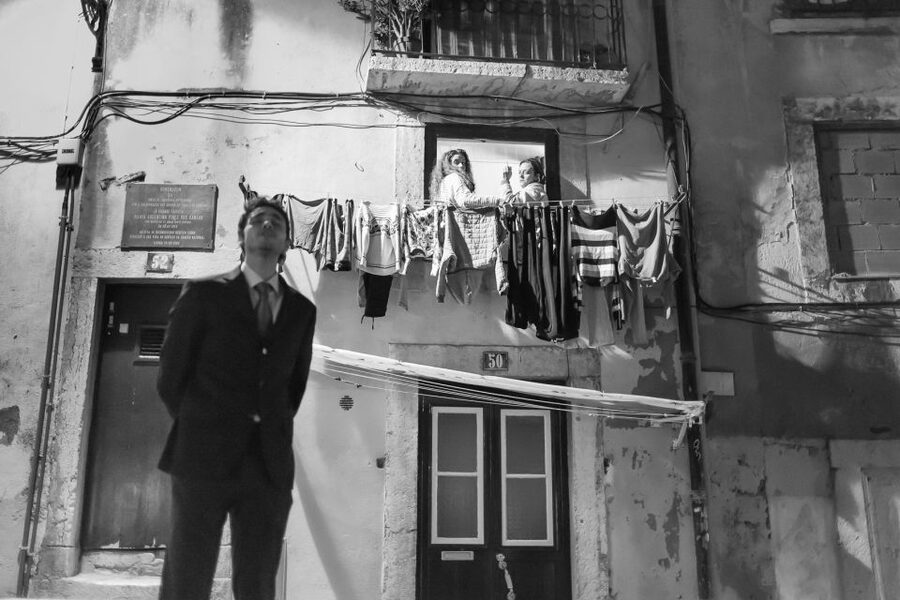
Plan to arrive at the chapel meeting point with comfortable clothing and enough time to find the area. The exact departure time depends on availability, and the total duration is three hours.
Because the tour combines walking, singing, conversation, and a meal, it is best treated as a complete half-day or evening plan rather than a quick stop between major sights. You will get more from it if you avoid scheduling another fixed activity immediately afterward.
The tour allows free cancellation up to 24 hours before departure for a full refund. You can also reserve now and pay later, which is helpful if your Lisbon schedule is still changing.
The main practical question is your physical comfort. The supplied information does not list the exact route length or number of hills, but Mouraria and Alfama are old hillside districts. Anyone with mobility concerns should choose another fado experience or ask for route details before booking.
Should you book the Mouraria and Alfama fado walk?
Book it if you want to understand fado rather than simply hear it. The strongest combination is the walk through Mouraria, the singer’s live examples, Rita’s clear explanations when she leads, and the simple meal in an Alfama fado house.
Skip it if your priority is a full-length concert, a highly flexible menu, or a flat route. For everyone else, the $100 fee buys a well-shaped introduction to one of Lisbon’s most important cultural traditions, with enough food and music to make the evening feel complete.
FAQ
Where does the fado walking tour meet?
The meeting point is the Capela de Nossa Senhora da Saúde at Praça Martim Moniz in Lisbon.
How long does the activity last?
The tour lasts three hours. Starting times vary, so you should check availability for your chosen date.
What neighborhoods does the tour visit?
The walk explores Mouraria, including alleys and squares around Praça Martim Moniz, and continues to a fado house in Alfama.
Is a live singer included?
Yes. A fado singer accompanies the tour and performs songs during the walk. Additional singers and guitar players perform at the fado house.
What food and drinks are included?
The meal includes caldo verde, chouriço assado, bread, and wine.
What languages are available?
The tour can be offered in Portuguese, Spanish, English, French, German, and Italian, subject to availability.
Is the tour suitable for people with mobility impairments or small children?
No. The activity is not suitable for people with mobility impairments and is not recommended for small children.
More Food in Lisbon
- From Krakow: Polish Folk Show with All-You-Can-Eat Dinner
★ 4.5 · 1,593 reviews - All You Can Eat BBQ Dinner and Show at Tropical Isle with Sightseeing Cruise
★ 4.0 · 1,158 reviews - Paula Deen’s Lumberjack Feud Supper Show- ALL U CAN EAT
★ 4.5 · 755 reviews - Malaga: Show and Food at Alegría Flamenco and Restaurant
★ 4.6 · 740 reviews
More Food & Drink in Lisbon
- Lisbon: Fado & Food Tour with Live Show & Traditional Dinner
★ 4.8 · 9 reviews - Madrid: Live Flamenco Show with Food and Drinks Options
★ 4.5 · 9,901 reviews - Porto: Cálem Cellar Tour, Fado Show & Wine Tasting
★ 4.4 · 3,530 reviews - Vienna: Gerstner KuK Hofzuckerbäcker Baking Show & Tasting
★ 4.8 · 823 reviews
Just added around Lisbon
- Private half-day Lisbon by Night Fado UNESCO Heritage &Views★ 5.0 · 3 reviews
- Lisbon: Half-Day Night Group Tour w/ Fado Dinner Show★ 4.5 · 7 reviews
- Lisbon: Tagus River Dinner Cruise with Fado Show★ 3.6 · 5 reviews
- Lisbon: Fado Show with Dinner and City Tour★ 5.0 · 6 reviews
- Lisbon: Fado & Food Tour with Live Show & Traditional Dinner★ 4.8 · 9 reviews
- Lisbon: Fado Night Tour Dinner & Show★ 4.2 · 7 reviews
- Lisbon: Evening City Tour with Dinner and Live Fado Show★ 4.3 · 8 reviews
- Lisbon: Erotic Cabaret Show and Dinner★ 4.5 · 84 reviews
Lisbon Shows, compared.

Live Fado Show with Port Wine at Lisboa em Fado
Read our review →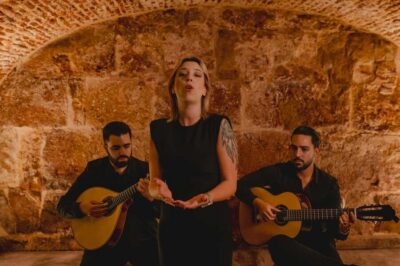

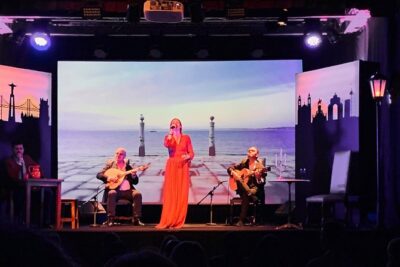
Fado in Chiado – Live Show in Lisbon on Stage for over 15 Years
Read our review →
Live Fado Show in Historic Alfama with Port Wine
Read our review →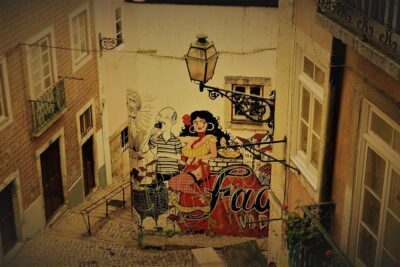
Lisbon Fado Experience: Walking Tour, Dinner and Live Music Show
Read our review →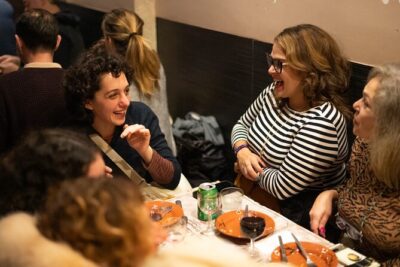
Fado Musical Experience with Portuguese Wine & Appetizers
Read our review →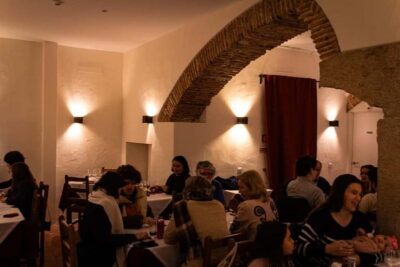
Dinner with Fado Show with the Rising Stars of Fado
Read our review →Browse the lists this show appears in