
Review · HONOLULU
‘Auana by Cirque du Soleil at the Waikiki Beachcomber Hotel
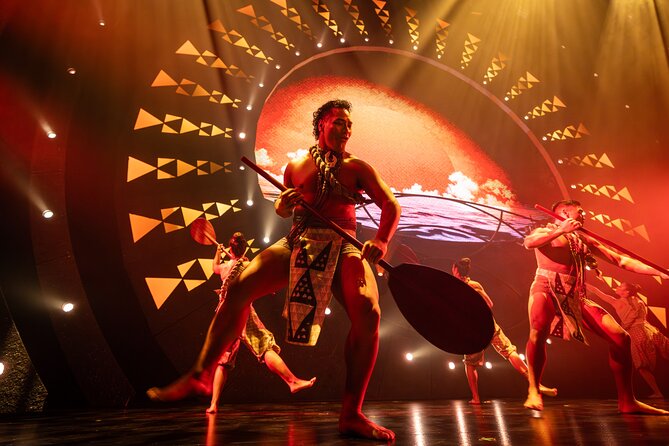
ʻAuana turns a Waikiki evening into a trip through Hawaiian stories, from Maui pulling the islands from the sea to surfers riding imaginary waves. Hula, live music, comedy, and serious acrobatics share the stage, so this is more than a standard hotel show.
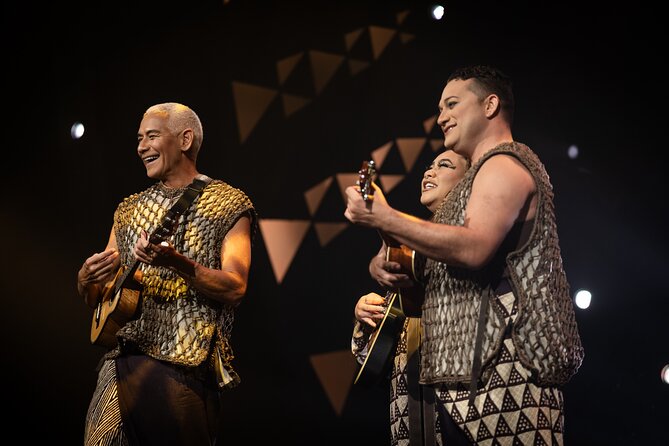
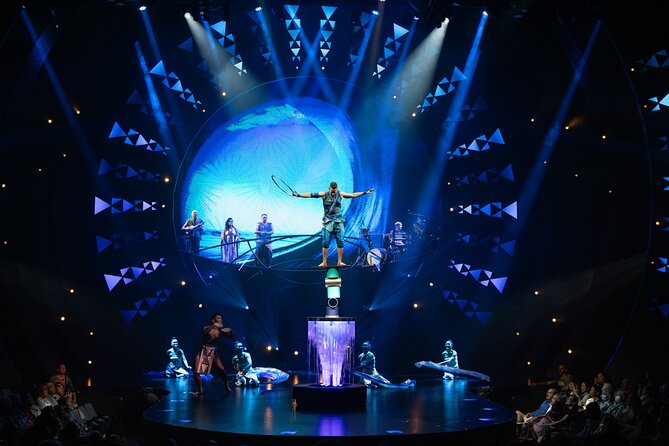
I like the small theater, where even seats farther back can feel close to the action. I also like the mix of local and international performers, which gives the production both Cirque polish and a clear Hawaiian focus. The main caution is seat choice: very close or side seats can bring a strong view of stage lights, while a few acts may be easier to follow from farther back.
Key points before you book
- About 80 minutes: The show is long enough to feel substantial, but short enough to fit neatly into a Waikiki evening.
- Hawaiian stories at the center: Maui, legendary surfers, island traditions, and the golden age of Hawaiian tourism shape the production.
- More than acrobatics: You’ll see hula, singers, musicians, comedians, aerial work, and high-risk acts.
- Small theater advantage: The compact room keeps the performance close, even from seats away from the stage.
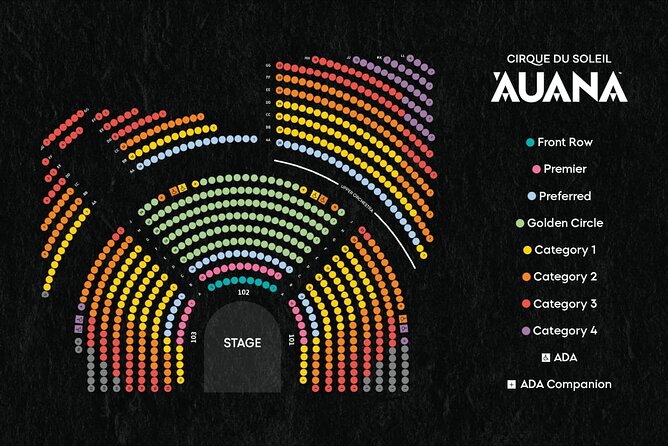
- Seat location matters: Some audience members prefer the 200 sections to the 100 sections because they can take in the full stage picture.
- Easy mobile entry: Your ticket includes admission, fees, and taxes, but not transport, food, or drinks.
A Hawaiian story told in Cirque style
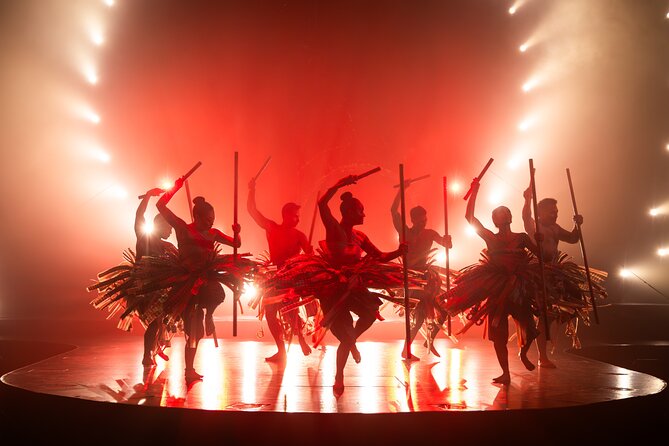
ʻAuana is built around a simple idea: use the tools of Cirque du Soleil to tell stories connected to Hawaiʻi. That means you get the familiar thrill of extraordinary physical skill, but the show is framed by hula, Hawaiian music, local legends, and island imagery.
The production moves through several chapters rather than presenting unrelated circus acts. Maui appears as a figure from Hawaiian folklore, connected to the story of the islands themselves. Surfers become almost mythical figures, dancing across imagined waves. Another section looks toward the golden age of tourism, when Hawaiʻi became known around the world for beaches, music, and welcoming island culture.
I appreciate that structure. It gives the acrobatics a reason to be there. A performer is not simply flying through the air to fill time. The acts help express a story about the sea, the people, or the way Hawaiʻi has been seen by the outside world.
You should still expect a Cirque du Soleil production first and foremost. The show includes polished staging, comedy, aerial work, daring stunts, and performers with remarkable control. The Hawaiian setting shapes the mood and subject, but this is not a quiet cultural lecture or a traditional hula presentation. It is a theatrical spectacle with a Hawaiian heart.
More Circus Shows in the USA
- Las Vegas: “O” by Cirque du Soleil at Bellagio
1,458 reviews - O™ by Cirque du Soleil® at the Bellagio Hotel and Casino
★ 4.5 · 1,422 reviews - Michael Jackson ONE by Cirque du Soleil® at Mandalay Bay Resort and Casino
★ 4.5 · 1,354 reviews
Why the intimate Waikiki theater matters
The show takes place at the OUTRIGGER Waikiki Beachcomber Hotel, rather than in a huge arena. That changes the feel of the evening.
In a large theater, you may admire the scale but feel removed from the performers. Here, the room is described as small and well suited to the production. That closeness helps the comedy land, makes the acrobatic risks feel more immediate, and lets you notice the dancers and musicians as people rather than distant figures.
The compact setting also makes a farther seat less worrying than you might expect. You may lose some of the close-up impact, but you gain a wider view of the stage. That matters in a show with several things happening at once. One audience member found the 200 sections better than the 100 sections because the broader view helped reveal more of the performance.
I would be cautious about choosing the very front simply because it sounds premium. A front-row seat may put you close to the performers, but it can also make it harder to take in the full stage picture. One audience member seated on the second row at the left side found the lights uncomfortable and was unable to move after the show began.
The advice is practical: closer is not automatically better. If you want to watch the full choreography, sets, and group scenes, a centered seat farther back may serve you well. If you care most about seeing performers up close, a near-stage location may be worth the tradeoff.
The opening: Maui and the making of the islands
The show begins its cultural journey with Maui, the mischievous figure who pulls the islands from the ocean floor. This gives the production a strong starting point, since the story connects directly to the origin of Hawaiʻi as a place shaped by supernatural skill and daring action.
You can expect the legend to be treated through movement, music, and theatrical spectacle rather than as a spoken history lesson. The point is not to give you every detail of the story. It is to place you inside a world where the ocean, islands, and human courage are closely linked.
This section should appeal to families because it has the clear shape of a folk tale. Younger children can follow the broad action, while adults may appreciate the way the story anchors the production in Hawaiian tradition.
The comedy also helps keep the tone light. ʻAuana does not remain solemn or ceremonial for long. Its comedians give the audience room to laugh between more demanding physical acts, which helps the evening feel varied instead of heavy.
Hula, music, and the human side of the show
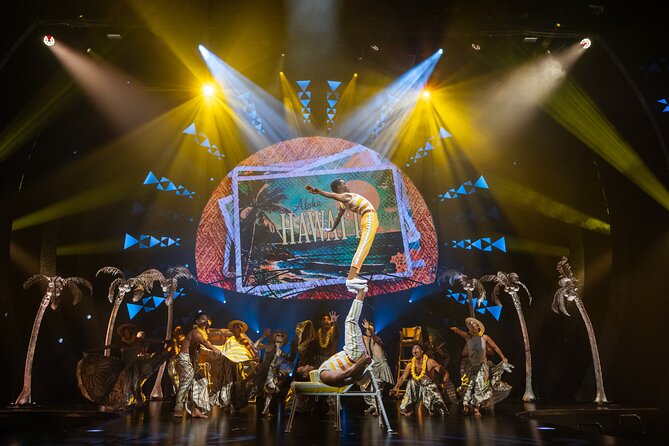
Hula is not treated as decoration around the acrobatics. It helps carry the Hawaiian identity of the production. The dancers bring a different kind of precision to the stage, one based on gesture, rhythm, and storytelling rather than risk alone.
The music is another major part of the experience. Hawaiian songs, live musicians, and singers give the performance its emotional center. Even if you come mainly for aerial acts and stunts, the music is what links the separate scenes.
I especially like this balance. A show made only of high-risk acts can become a contest of bigger and faster tricks. The singers, musicians, and hula dancers slow the pace just enough to give the audience a sense of place.
The production also draws from local and international talent. That combination matters. The Cirque name brings a high level of physical theater, while the Hawaiian elements keep the show from feeling like a generic circus transplanted to Waikiki.
If you want an evening that presents Hawaiian culture only in a traditional form, this will not be the right fit. ʻAuana is stylized, theatrical, and modern. But if you want a polished show that treats Hawaiian ideas as the foundation for music, movement, and story, it offers a strong middle ground.
More Circus and Acrobatic Shows in the USA:
- Las Vegas: Michael Jackson ONE by Cirque du Soleil Ticket
961 reviews - KÀ™ by Cirque du Soleil® at the MGM Grand Hotel and Casino
★ 4.5 · 810 reviews - Mad Apple by Cirque du Soleil at New York New York Hotel and Casino
★ 4.0 · 795 reviews - Mystère by Cirque du Soleil at Treasure Island Hotel & Casino
★ 4.5 · 771 reviews
Surfers, waves, and the island’s natural world
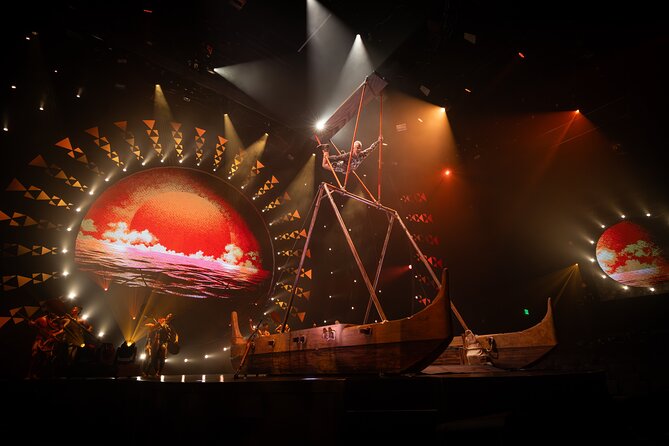
The surfer section shifts the mood toward the ocean. Legendary surfriders appear to move across waves, using dance and acrobatics to suggest the skill, freedom, and danger of the sea.
This is where the production’s physical language should feel most natural. The performers’ balance, timing, and control echo the demands of surfing, while the stage turns the ocean into an idea rather than a literal setting.
You may find this section especially effective from a seat that gives you a broad view. Several acts happen through patterns and group movement, and a tight angle can make it harder to see how the performers connect. The farther-back seating advice is useful here.
The show’s physical acts are not mild. The performance includes aerial work, stunts, and acts described as high risk. That brings real tension to the room. At the same time, the production remains family-friendly in tone, so parents looking for an evening suitable for several generations should find the format accessible.
The golden age of Hawaiian tourism
ʻAuana also looks at the period when visitors began arriving in large numbers, drawn by Hawaiʻi’s beaches and romantic image. This gives the show a chance to step outside folklore and examine how the islands became known to the wider world.
The section is not simply a postcard parade. It recognizes the appeal of beaches, music, and hospitality while placing that image inside a larger Hawaiian story. The production can celebrate the fun of tourism while still reminding you that Hawaiʻi is more than a holiday backdrop.
That shift adds useful texture. Without it, the show might focus only on legends and natural beauty. By including the history of tourism as part of the stage story, ʻAuana acknowledges the relationship between Hawaiian culture and the visitors who come to experience it.
You will still see a glossy, entertaining production. This is not a detailed historical account, and you should not expect a museum-style presentation. But the theme gives the show another layer and helps explain why a Waikiki hotel is an appropriate setting.
Comedy, audience contact, and changing pace
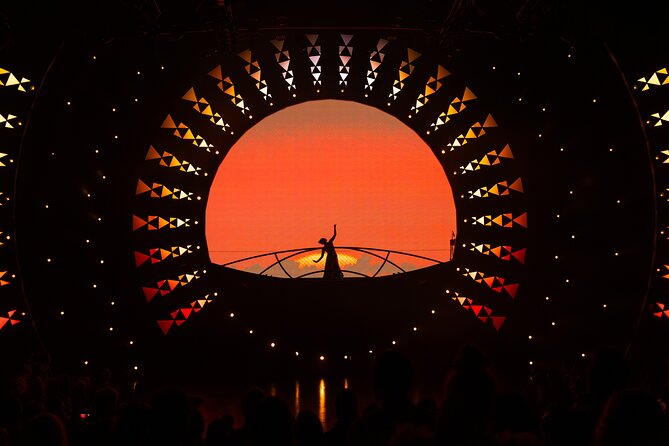
The comedians are important because they keep the show from becoming a nonstop display of physical skill. Their work gives you a chance to breathe, laugh, and reset before the next aerial or acrobatic sequence.
The production also includes interaction with the audience. The exact form may vary, but you should be ready for performers to connect with people in the room rather than treating the crowd as a silent backdrop. That can be a highlight for families and groups of friends.
It can also make the evening less predictable. If you prefer a strictly formal performance with no audience involvement, the interactive moments may feel less comfortable. For most people, though, they add warmth to what could otherwise be a highly technical show.
The pace is one of the production’s strengths. Acts follow one another with little room for boredom, and the variety is broad: hula, songs, comedy, aerial work, acrobatics, and stunts. The 80-minute running time helps. You get a full show without the fatigue that can come with a much longer production.
Is ʻAuana good value for an evening in Waikiki?
No ticket price is provided here, so I cannot judge the exact dollar value. I can tell you what you are paying for: a dedicated live production, an ensemble of performers, a central Waikiki location, and about 80 minutes of staged entertainment.
The value is strongest if you already plan to spend an evening in Waikiki and want a memorable indoor activity. You do not need to arrange transport through the experience, and the mobile ticket keeps entry simple. Food and drinks are not included, so budget separately if you want to eat or drink before or after the show.
The small theater also adds value. You are not paying to watch a distant stage through a sea of seats. The room keeps the action near, and even seats away from the front can provide a clear view.
I would compare it with the price of a good evening show, not with the cost of a short cultural demonstration. The production involves trained acrobats, musicians, singers, dancers, comedians, sets, lighting, and technical staging. If live theater matters to you, the format can justify a higher ticket than a simple Waikiki attraction.
If you are mainly looking for a traditional Hawaiian performance, consider your expectations carefully. ʻAuana uses Hawaiian traditions, but it presents them through Cirque’s large theatrical language. You are buying spectacle with cultural grounding, not a plain hula show.
Who will enjoy it most?
ʻAuana suits couples, families, solo visitors, and groups of friends. The varied acts make it easy for people with different interests to enjoy the same evening. One person may come for the music, another for the hula, and someone else for the aerial stunts.
Families should find the show approachable. The stories are broad, the comedy adds energy, and the production keeps moving. Children under 18 must be accompanied by someone aged 18 or older.
It is also a good fit if you want a break from outdoor plans. Waikiki days often revolve around the beach, water, and sun. An evening in an air-conditioned theater gives you a change of pace without leaving the area.
I would be less enthusiastic if your main goal is a quiet, intimate concert or a detailed lesson in Hawaiian culture. The show is loud, visual, active, and theatrical. Its strength is the combination of many forms of performance.
Plan to watch rather than record. At least one audience member noted that video recording was not available and that photographs could be purchased instead. Since the supplied details do not state the full current recording rule, check the theater’s instructions when you arrive and keep your phone away during the show.
Practical details that affect your night
Your mobile ticket covers admission to ʻAuana in the ticket category you select, along with fees and taxes. Hotel pickup and drop-off are not included, and neither are food or beverages.
The performance lasts approximately one hour and 20 minutes. That makes it easy to pair with a Waikiki dinner, though you should allow time to reach the hotel and find your seats without rushing.
Most people can participate in the experience. The available information does not provide detailed seating or mobility guidance, so anyone with specific access needs should confirm arrangements before booking.
The ticket is non-refundable and cannot be changed. If you cancel or request an amendment, the amount paid will not be returned. That is worth noting before you commit, especially if your Waikiki schedule is still uncertain.
Should you book ʻAuana?
Book it if you want a polished evening show that combines Hawaiian stories with Cirque-level acrobatics. The strongest reasons are the intimate theater, the constant variety, the music and hula, and the way legends such as Maui share the stage with surfers, comedians, and aerial performers.
Choose your seat with care. A centered position farther back may give you a better view of the full production, while a front or side seat can bring you close to the action but also expose you to stronger lights or a narrower angle.
Skip it if you want a strictly traditional performance or if you dislike theatrical spectacle. For everyone else, ʻAuana offers a lively, well-shaped evening in Waikiki, with enough Hawaiian character to make it feel tied to place rather than simply another touring circus show.
FAQ
How long does ʻAuana by Cirque du Soleil last?
The performance lasts approximately one hour and 20 minutes.
Where is ʻAuana performed?
The show is performed at the OUTRIGGER Waikiki Beachcomber Hotel in Honolulu.
What does the show include?
The production includes acrobatics, aerial acts, stunts, comedy, live musicians, singers, hula dancers, Hawaiian stories, and theatrical staging.
What Hawaiian stories appear in the show?
The production includes the story of Maui pulling the islands from the ocean floor, legendary surfers moving across the waves, and the golden age of tourism in Hawaiʻi.
Is the show suitable for families?
Yes. The show is described as family-friendly, and people of all ages can enjoy its mix of music, comedy, dance, and physical acts. Anyone under 18 must be accompanied by someone aged 18 or older.
Does the ticket include food or drinks?
No. Food and beverages are not included.
Does the ticket include transportation?
No. Hotel pickup and drop-off are not included. The ticket provides admission to the show, along with fees and taxes.
Can I cancel or change my booking?
No. The experience is non-refundable and cannot be changed for any reason.
Just added around the USA
- West End Tour, Open Cockpit Biplane Ride★ 5.0 · 8 reviews
- Circus Secrets of Venice Trolley Tour★ 5.0 · 3 reviews
- Murder Mystery Dinner and Show★ 5.0 · 8 reviews
- The MAXIMUM MAGIC Show Starring Noah & Heather Wells★ 4.5 · 242 reviews
- Destin Harbor Firework Show by Boat★ 4.0 · 20 reviews
- The Dinner Detective True Crime Murder Mystery Show – Denver, CO★ 4.5 · 36 reviews
- That Game Show Place in Palm Harbor★ 5.0 · 19 reviews
- Vito’s Vault Chicago finest dinner theatre speakeasy★ 5.0 · 14 reviews
Honolulu Shows, compared.

Mauka Warriors Luau Honoring Polynesia’s Forgotten History
Read our review →
The Magical Mystery Show! at Hilton Waikiki Beach Hotel
Read our review →
Ka Moana Lūʻau at Aloha Tower – Oceanfront Luau Show
Read our review →

Waikiki Starlight Luau on The Great Lawn-Hilton Hawaiian Village
Read our review →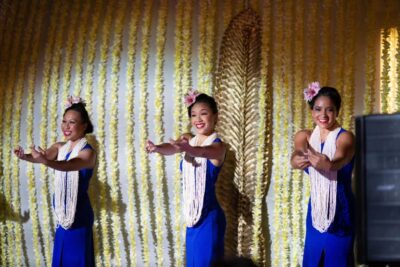
Oʻahu: Nā Lei Aloha Lūʻau & Dinner or Cocktail Show Option
Read our review →
Browse the lists this show appears in