
Review · NEW YORK CITY
Broadway Theatre District Tour
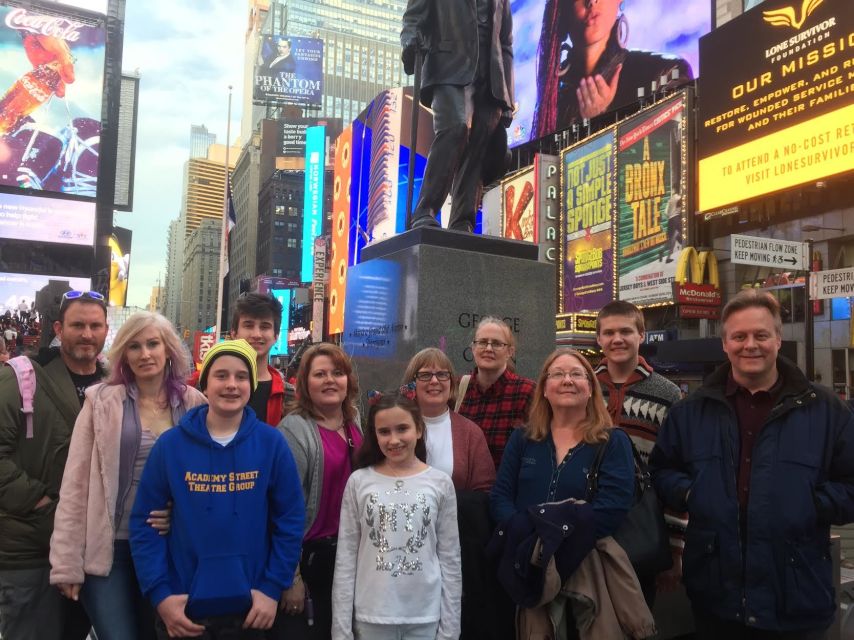
Broadway’s magic is not confined to the inside of a theater. On this two-hour walking tour, you follow the streets where Phantom of the Opera, Hamilton, Chicago, Wicked, and countless earlier shows made their mark. The route links famous playhouses with the history of Times Square, so you get both Broadway glamour and the less polished stories behind it.
I like the small group of up to 10 people, which makes it easier to hear the guide and ask questions. I also like that the guides work in entertainment and may bring personal stage experience to the stories. Patrick, an actor who has led this tour, has been especially good at connecting past productions with the business of theater today.
The main drawback is simple: this is a street tour, not a backstage visit. Lobby and backstage access is not guaranteed, and you will walk a fair distance outdoors in all weather, so comfortable shoes and a weather-ready layer matter.
Key points to know before you book
- Actor-guides bring the theater business to life: Guides such as Patrick and Luke have entertainment-industry experience, adding personal insight to the facts.
- The route covers a remarkable number of theaters: You pass the Majestic, St. James, Broadhurst, Shubert, Richard Rodgers, Lunt-Fontanne, Gershwin, and many more.
- Times Square gets a proper explanation: Duffy Square is used to explain how the area became known as the crossroads of the world.
- Sardi’s and Shubert Alley add Broadway character: These stops connect famous buildings with the people and institutions that shaped the district.
- The $39 price pays for context, not entry tickets: You see exteriors and hear stories, but the tour does not include a Broadway performance or guaranteed interior access.
- The pace suits theater fans: You should enjoy walking and listening outdoors for two hours, with no large bags, oversize luggage, or pets.
Starting at the Majestic Theatre and Phantom of the Opera
Meet in front of the Majestic Theatre, the first useful landmark on the route. The theater is associated with Phantom of the Opera, the long-running mega-musical that occupied the house, and your guide begins by explaining both that production and the other notable shows connected with the building.
This is a smart starting point. Instead of opening with a broad lecture about Broadway, the tour puts you beside a real theater and uses it to explain how a major musical can shape a venue’s identity. You learn about the show in the building now and about earlier productions that helped give the Majestic its reputation.
The theater district is full of famous names, but they can blur together if you walk through alone. A guide helps you attach those names to specific buildings. For me, that is the main value of the experience: you are not just checking off theaters, you are learning why each one matters.
The Majestic is also a good place to set expectations. You are seeing Broadway from the street unless interior access happens to be available. The tour does not promise a peek backstage, and you should not book it expecting to walk through dressing rooms or stage doors.
More West End Shows in New York City
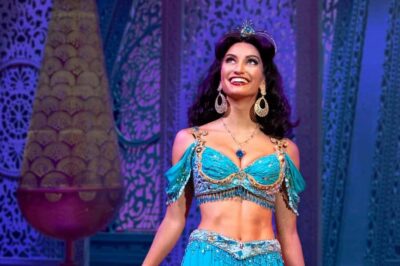
- NYC: Aladdin the Musical on Broadway
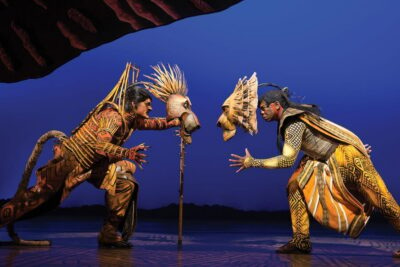
★ 4.8 · 1,800 reviews - NYC: The Lion King on Broadway
1,609 reviews - NYC: MJ the Musical on Broadway
1,510 reviews
St. James, Broadhurst, and a stop at Sardi’s
From the Majestic, you walk toward the St. James and Broadhurst theaters. These stops add more examples of how closely packed the district is. A short stretch of street can contain several working Broadway houses, each with its own name, architecture, and show history.
The guide’s role here is more than pointing out marquees. You hear stories about productions, theater customs, and the way Broadway operates as a business. The tone can be especially useful if you know a few musicals but do not understand how theaters, producers, actors, and long-running shows fit together.
The route then pauses at Sardi’s, one of the district’s best-known theater hangouts. The restaurant is treated as a theater institution, not simply a place to eat. The guide explains its role as a meeting spot and part of Broadway’s social life.
This stop gives the walk a human touch. Theater history can become a list of buildings and dates, but Sardi’s brings in the actors, writers, producers, and theater regulars who have used the area as their work neighborhood. You will discuss the venue from outside, not sit down for a meal, so think of it as a story stop rather than a dining break.
Shubert Alley and Broadway’s powerful theater organization

Next comes Shubert Alley and the Shubert Theatre. The alley is one of those compact New York spaces that carries more meaning than its size suggests. Here, the guide discusses the Shubert Theatre and the history of the Shubert organization, a major force in Broadway theater.
This part is valuable because it explains ownership and influence. When you look at a row of theaters, it is easy to assume that each house operates on its own. The story of the Shubert organization helps show how theater buildings and productions connect through larger business structures.
You also get a sense of how the district developed as a concentrated theater center. The tour does not treat Broadway as a single building or a single show. It shows you a working neighborhood shaped by theater companies, theater owners, performers, and audiences over many years.
Shubert Alley is also a natural place to pause and get your bearings. The route is busy and full of visual distractions, so listen closely when the guide begins a story. A small group helps here, especially if the sidewalk is crowded.
Forty-fifth Street, where theater names come quickly
Turning onto 45th Street brings you into one of the tour’s most concentrated stretches. The route passes the Booth Theatre, Minskoff Theatre, Schoenfeld Theatre, Jacobs Theatre, Golden Theatre, Hirschfeld Theatre, Imperial Theatre, and Music Box Theatre.
You will not spend equal time at every building. That would be hard to do in two hours, and the walk would become a roll call. Instead, expect the guide to use the street as a way to explain the number and variety of Broadway houses operating within a small area.
This is where a guide with performance experience can make a real difference. The best stories are not only about opening dates or famous names. They connect a theater with the kinds of shows it has held, the people who worked there, and the strange backstage realities that audiences rarely consider.
The sheer number of theaters also helps you understand Broadway’s scale. A theater district can look like a collection of bright signs from a distance. Up close, it is a dense workplace with stage doors, hotels, restaurants, rehearsal routines, and audiences moving in every direction.
Bring water during warmer months. The walk is outdoors, and the combination of pavement, crowds, and sun can wear you down faster than the two-hour duration suggests. The tour notes that there is a decent amount of walking, and that warning is worth taking seriously.
More West End Shows in the USA
- NYC: Moulin Rouge! the Musical on Broadway
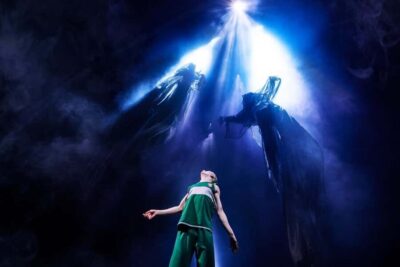
1,329 reviews - NYC: Harry Potter and the Cursed Child on Broadway
700 reviews - NYC: Chicago the Musical on Broadway
687 reviews - Broadway and Times Square Insider Tour with Theater Professional
★ 5.0 · 651 reviews
The Marriott Marquis and the Marquis Theatre
The route continues to the Marriott Marquis Hotel and its Marquis Theatre. Here, you discuss the history of the hotel and what occupied the site before the current building.
This is one of the more useful urban-history moments on the walk. Times Square has changed repeatedly, and its present collection of hotels, signs, theaters, and commercial buildings does not tell the whole story. Learning what came before gives you a clearer idea of how the district was rebuilt and reshaped.
The Marquis Theatre also shows how Broadway and large hotels can share the same development. The theater is not an isolated playhouse tucked into a quiet block. It is part of a major complex in the middle of Times Square, where hotel life, tourism, business, and theater all meet.
The Marriott Marquis can be visually overwhelming, so the guide’s explanation gives the building a purpose beyond its size. You are not simply looking at one of Times Square’s large structures. You are hearing how its location and design fit into the changing district.
Hamilton at the Richard Rodgers Theatre
After leaving the hotel, the walk reaches the Richard Rodgers Theatre, currently associated with Hamilton and its Pulitzer Prize-winning success. This is one of the most recognizable stops for modern Broadway fans.
Hamilton gives the guide a chance to discuss more than a hit musical. The conversation can include the scale of a modern Broadway success, the way a show reshapes a theater’s public identity, and why some productions become cultural events far beyond New York.
You will hear about the Richard Rodgers Theatre from the sidewalk. The tour does not include a ticket to Hamilton or any other production. That distinction matters because the $39 fee is for the guided walk and interpretation, not admission to a show.
The route then discusses the Lunt-Fontanne Theatre. Moving between two famous houses lets you compare different chapters of Broadway, from long-running classics to newer productions that dominate public conversation.
Duffy Square and the making of Times Square
Duffy Square is described as the heart of Times Square, and it is the point where the tour turns from theater buildings to the wider story of the area. Here, you learn how Times Square became known as the crossroads of the world.
This stop helps tie the whole walk together. Broadway did not become famous by accident. Its theaters grew alongside transportation, hotels, restaurants, advertising, crowds, and the constant flow of people through Midtown Manhattan.
From Duffy Square, you can also appreciate why the Theater District feels so theatrical even when you are not attending a show. The signs, screens, marquees, and crowds create a public stage of sorts. The guide gives that visual spectacle a timeline and an explanation.
Expect noise and distractions here. Times Square is not an easy classroom. If you want every detail, stay close to the guide and avoid drifting toward the most eye-catching sign. The limited group size helps, but you still need to pay attention.
The Palace Theatre, the Edison Hotel, and Hell’s Kitchen
After seeing the Palace Theatre, the route heads north. You visit the Edison Hotel and then discuss Hell’s Kitchen history.
This section widens the story again. The Theater District is not only about playhouses and famous performers. It sits beside neighborhoods with their own social history and changing identity. Hell’s Kitchen adds a reminder that the area developed through ordinary city life as well as entertainment.
The Edison Hotel gives the guide another building through which to discuss the district. Hotels mattered to Broadway because performers, producers, audiences, and out-of-town visitors all needed places to stay and meet. The hotel stop helps you see the area as a full neighborhood rather than a row of theaters used only in the evening.
The northward route also breaks up the concentration of theaters on 45th Street. You continue walking, so this is a good point to check your water and make sure your shoes are holding up. Sneakers or other comfortable walking shoes are the right choice.
Barrymore, Walter Kerr, Eugene O’Neill, and Chicago
The Barrymore Theatre comes next, followed by the Walter Kerr Theatre and Eugene O’Neill Theatre. Each building adds another name to the district’s long list of working venues.
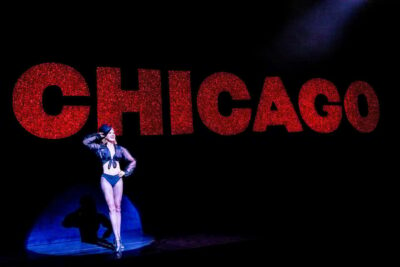
The tour then passes the Ambassador Theatre, home of Chicago. This is a useful stop for understanding the staying power of a musical that has become closely linked with its theater. You are again looking at the building from outside, while the guide explains the connection between the production and the venue.
This part of the walk may be best for people who enjoy details about plays and musicals. One of the strongest themes from the guide’s approach is the mix of theater history and personal experience. Patrick, an actor who has led the tour, has been able to discuss both past and current productions along with the working side of the business.
Luke has also led the walk, bringing a lively personality to the route even in poor weather. That matters because the tour operates outdoors in all weather conditions. A strong guide can keep the experience engaging in rain, but you still need a coat or umbrella when conditions call for it.
New World Stages and the Off-Broadway difference
The tour visits New World Stages to explain Off-Broadway theater. This is an important addition because many people use Broadway as a catchall term for New York theater, even though the city’s theater world has several levels and types of venues.
At New World Stages, you get a clearer idea of what Off-Broadway means and how it fits into the wider theater scene. The stop adds variety to the tour. You are not only seeing the grandest Broadway houses or the most famous long-running musicals. You are also learning about a different part of New York’s performance business.
For a theater fan, this may be one of the most useful stops. It gives you a better framework for choosing future shows. A production outside the main Broadway circuit can have a different scale and feel, and understanding the distinction helps you make more informed plans.
The guide discusses Off-Broadway from the outside, so do not count on entering the venue. Lobby and backstage access are not guaranteed anywhere on the route.
Ending beside Wicked and Circle in the Square
The walk ends in front of Circle in the Square and the Gershwin Theatre, home of Wicked. Ending beside two well-known venues gives the tour a strong final pair of landmarks.
Wicked is another example of a mega-musical becoming part of Broadway’s identity. The Gershwin Theatre is also a useful final stop because it brings you back to the large-scale productions discussed at the start of the tour.
Circle in the Square adds contrast. The ending is not only a final look at a famous show. It also leaves you with another theater to compare with the larger houses along the route.
By this point, you will have covered a long section of the Theater District and heard about many venues. If you plan to see a show afterward, allow extra time beyond the two-hour tour. The walk ends near major theaters, but the tour itself does not include tickets, reserved seating, or a guaranteed lobby visit.
What $39 gets you, and who will enjoy it
At $39 per person, this tour offers reasonable value if you want context and a guided route through a complicated part of New York. You are paying for two hours with an English-speaking guide, a small group, and stories about theaters, shows, Times Square, and the theater business.
The price is less attractive if you only want photographs of theater fronts. You can see many of these buildings on your own. The added value comes from the explanation, the route planning, and the guide’s personal connection to entertainment.
I would recommend it most strongly to:
- People who enjoy musicals, plays, and Broadway history
- First-time visitors who want help making sense of the Theater District
- Theater fans curious about Off-Broadway and the business behind productions
- Visitors who prefer a small walking group to a large sightseeing tour
- Anyone who wants Times Square explained instead of simply photographed
I would think twice if you dislike walking, expect interior access, or want a general New York sightseeing tour. The subject is firmly theater-centered, and you spend most of the time outdoors.
You can cancel up to 24 hours in advance for a full refund, and the reserve-now, pay-later option gives you some planning flexibility. Poor weather can lead to an alternate date or a full refund. The tour runs in all weather when conditions permit, so dress for the forecast and do not bring large luggage, oversized bags, pets, weapons, or sharp objects.
Should you book the Broadway Theatre District Tour?
Book it if you want Broadway explained by someone connected to the entertainment business, not just a list of theater names. The strongest parts are the actor-guided stories, the concentration of famous venues on 45th Street, the Sardi’s and Shubert Alley stops, and the explanation of how Times Square grew into its current role.
Skip it if you need backstage access or want to spend your time inside theaters. For $39, you get a focused walking lesson in Broadway and Midtown, with plenty of outdoor walking and no performance ticket. For theater fans, that is a fair trade. For everyone else, the subject may feel narrow.
FAQ
Where does the Broadway Theatre District Tour begin?
The tour begins in front of the Majestic Theatre, home of Phantom of the Opera.
How long does the tour last?
The walking tour lasts two hours.
What language is the tour conducted in?
The live tour guide speaks English.
How large is the tour group?
The group is limited to 10 participants.
Is backstage or lobby access included?
Backstage and lobby access are not guaranteed.
What should I bring?
Bring comfortable walking shoes and a face mask or protective covering. During warmer weather, water or another cold drink is also recommended.
More Theatre Shows in New York City
- Seville: Live Flamenco Dancing Show Ticket at the Theater
★ 4.7 · 16,396 reviews - Barcelona: Flamenco Show at the Theater
★ 4.5 · 10,739 reviews - Malaga: Teatro Flamenco Malaga Live Flamenco Show
★ 4.7 · 4,254 reviews - Prague: WOW Show Black Light Theater
★ 4.0 · 3,990 reviews
More Broadway and West End Shows in New York City
- The Lion King On Broadway Ticket
★ 4.5 · 649 reviews - New York: Broadway Comedy Club All Star Stand-Up Comedy Live
★ 4.2 · 479 reviews - NYC: Hell’s Kitchen the Musical on Broadway
407 reviews - NYC: The Great Gatsby the Musical on Broadway
406 reviews
Just added around New York City
- NYC: The Outsiders on Broadway21 reviews
- NYC: Wicked The Musical on Broadway239 reviews
- NYC: Movie and TV Show Walking Tour★ 4.9 · 24 reviews
- NYC: Stranger Things: The First Shadow on Broadway68 reviews
- NYC: The Book of Mormon the Musical on Broadway78 reviews
- NYC: SIX the Musical on Broadway50 reviews
- NYC: Stand Up Comedy with Free Round of Mini-Golf★ 4.9 · 26 reviews
- NYC: Maybe Happy Ending on Broadway5 reviews
New York City Shows, compared.
Broadway and Times Square Insider Tour with Theater Professional
Read our review →
Broadway Comedy Club All Star Stand-Up Comedy Live
Read our review →Browse the lists this show appears in