
Review · INDIA
Kochi: Kathakali, Theyyam, and Kalaripayattu Evening Show
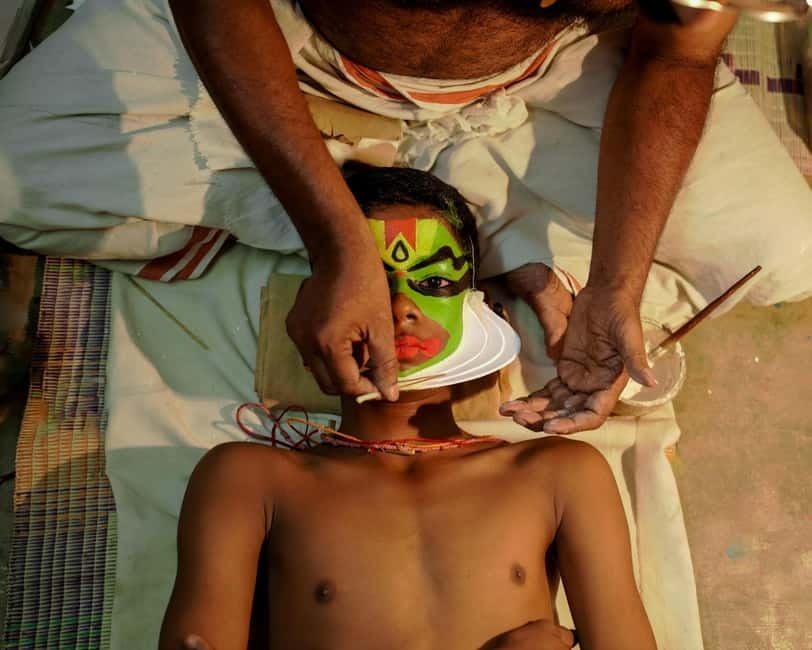
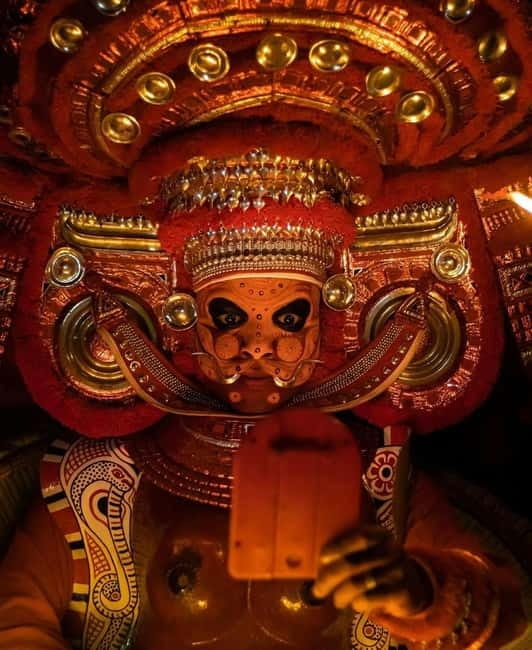
The most striking part of this Kochi evening is the change that happens before the show begins. A performer sits quietly while layers of makeup, costume, and facial control turn him into a figure from the Ramayana or Mahabharata. Later, Theyyam brings a different kind of power, with a dancer taking on the presence of a deity beneath huge headgear and dramatic paint.
I like the makeup demonstration, because it gives you a key to understanding Kathakali rather than asking you to sit through a colorful show without context. I also like the mix of three very different art forms: expressive dance, ritual performance, and Kalaripayattu martial arts. At $11 per person, the program offers strong value, especially with optional round-trip hotel transport.
The main consideration is timing. The core show lasts about three hours, but the advertised duration can range from one to seven hours depending on the option and transfers. The performance is also stage-presented, so Theyyam here is a cultural presentation rather than a temple ritual witnessed in its original setting.
The evening at a glance
- Kathakali makeup comes first: See performers apply detailed facial designs and learn how eyes, brows, and facial color signal character and emotion.
- Stories are told without ordinary dialogue: Mudras, controlled gestures, stylized movement, and powerful expressions carry the drama.
- Kalaripayattu adds real physical risk: Fighters display speed, weapons, acrobatics, and combat skills built through years of training.
- Theyyam changes the mood: Drums, chants, costume, and trance-like movement create the evening’s most spiritual and intense section.
- Hotel transport keeps the night simple: Pickup and return are available from hotels in Kochi or Ernakulam, depending on the option selected.
- English explanations matter: Guidance helps you follow unfamiliar forms, especially the emotional language of Kathakali.
Why these three Kerala arts belong together
This is not one long dance show with minor changes between acts. Kathakali, Theyyam, and Kalaripayattu come from different parts of Kerala’s cultural life, and each asks you to watch in a different way.
Kathakali is controlled and symbolic. A dancer may hold a pose, widen the eyes, or shift the mouth slightly to express anger, fear, devotion, or deceit. The storytelling can look slow at first, but once you understand the gestures and expressions, the performance becomes easier to read.
Theyyam is more forceful and ritual-centered. It is often described as a dance of the gods, and the performer represents a deity through costume, paint, headgear, sound, and movement. On a stage, you are seeing a presentation designed for cultural visitors, but the visual and physical impact remains strong.
Kalaripayattu changes the pace again. The performers use their bodies with speed and precision, moving through combat techniques, weapon demonstrations, and acrobatic actions. The show gives you a glimpse of the discipline behind the art without requiring you to spend days studying it.
I find this combination useful for a first evening in Kochi. You get three distinct windows into Kerala instead of a narrow look at one tradition.
More Evening Experiences in India:
- Adventure Night With Cultural Show
★ 5.0 · 84 reviews - Kochi: Kathakali Evening Dance Show w/ Dinner & Transfer
★ 4.2 · 10 reviews - Panaji: Sunset Boat Party with Bollywood DJ and Dance Shows
★ 3.6 · 7 reviews
Arrival, pickup, and the evening schedule
If you choose the transfer option, a driver collects you from your hotel in Kochi or Ernakulam in an air-conditioned vehicle. That is helpful in the evening, when you may prefer a direct ride to the theater rather than figuring out local transport after a full day in the city.
Pickup is listed as optional, and the exact arrangement depends on the option you book. The tour team may contact you on WhatsApp to confirm the details. Keep your phone available before the show, and make sure the pickup point is clear.
The main cultural program lasts around three hours. One timing described for the evening places the makeup session from 5 pm to 6 pm, followed by the performances from 6 pm to 8 pm. Since starting times and total duration can vary, check the available option carefully before booking.
You are taken to a cultural theater in Kochi, where the art forms are presented in a setting made for public viewing. This makes the evening easy to fit into a Kochi itinerary, particularly if you want an organized cultural activity without committing to a full-day excursion.
The Kathakali makeup lesson gives you the key
The makeup demonstration is more than a photo opportunity. Kathakali performers use elaborate facial designs, natural pigments, costumes, and headpieces to help the audience recognize the kind of character on stage.
The preparation also shows the patience required before the actual performance. The transformation is gradual, and that slow process helps you notice details that would be easy to miss once the lights go up.
English guidance explains the basics of the music, makeup, and ways performers present emotion through the face. One especially useful part is the focus on the eyes. Kathakali actors use the eyes and facial muscles with remarkable control, and the introduction helps you understand why a small movement can carry so much meaning.
I recommend arriving for this section rather than treating it as optional filler. If you arrive only for the main dance, you will still see impressive costumes and movement, but the makeup explanation gives you a better chance of following the characters and mood.
Photography is allowed, but flash photography is not permitted. Flash can disrupt both the performers and the atmosphere, so keep your camera or phone ready without using the flash.
Kathakali turns epics into movement
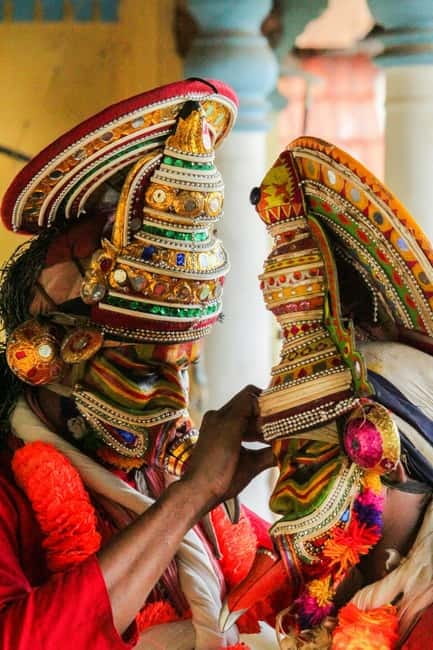
The Kathakali section draws on stories from the Mahabharata and Ramayana, including conflicts among gods, demons, heroes, and forces of destiny. You may not understand every plot detail, but the physical language is clear enough to follow broad changes in emotion and action.
The performers do not rely on ordinary conversation. Instead, they use mudras, which are formal hand gestures, along with facial expressions, body positions, and stylized movement. A vocalist and percussionists provide the sound, giving the scenes a strong rhythmic base.
The music and acting work together. The singer carries the narrative while the actor interprets it through the body. The drummer adds tension and pace, especially during moments of conflict or heightened emotion.
This is where the earlier makeup demonstration pays off. You can look for the connection between face color, costume, gesture, and character. You also begin to see why Kathakali is demanding. The performer must act with the eyes, hold precise positions, and communicate while wearing a heavy costume and elaborate facial design.
The performance may feel unfamiliar if you expect naturalistic acting. Give it time. Kathakali is not trying to imitate everyday movement. It uses a formal code, closer to a visual language, and the show becomes more enjoyable once you accept its measured pace.
A few more shows around India worth a look
- Delhi: Akshardham Temple Tour with Light and Water Show
★ 4.8 · 48 reviews - Delhi: Red Fort Light and Sound Show Guided Tour
★ 4.8 · 44 reviews - Akshardham Light & Fountain Show with Pick-up & Drop-off
★ 4.4 · 40 reviews - From Delhi: Akshardham Exhibition and Sahaj Anand Water Show
★ 4.9 · 30 reviews
Theyyam brings the evening’s strongest atmosphere
Theyyam is likely to be the most unusual part of the program. This North Kerala ritual tradition is associated with performers who embody deities, and the stage version uses striking makeup, headgear, costumes, drumbeats, and ritual chants to convey that spiritual role.
The performer’s movements can feel intense and trance-like. The effect comes from the complete presentation rather than from dance steps alone. Costume, light, sound, and facial expression combine to create a figure that seems larger than an ordinary stage character.
I would not describe this as a casual folk dance. The form has a sacred background, and the show introduces that idea through a public cultural performance. That distinction matters. You are not attending a temple ceremony in North Kerala, but you are being shown an art form shaped by ritual belief and devotion.
Theyyam also offers a useful contrast with Kathakali. Kathakali tells a structured epic story through a codified theater style. Theyyam focuses more on presence, power, and the embodiment of a deity. The change in mood can be dramatic, particularly after the precise, story-driven Kathakali section.
Kalaripayattu adds speed, weapons, and nerve
Kalaripayattu, often called the mother of martial arts, brings the most physical action to the evening. Trained performers demonstrate combat movements, weapon skills, agility, strength, and acrobatics.
The display is designed for an audience, but it still shows the discipline behind the tradition. The movements require timing and control, and the use of weapons gives the performance a sense of danger. A wrong move could cause injury, which makes the precision more impressive.
You do not need prior knowledge of martial arts to enjoy this section. The visual language is direct: speed, balance, attack, defense, and coordination. It also breaks up the slower, more concentrated mood of Kathakali and Theyyam.
The best way to watch is to appreciate the training rather than treat it as a stunt show. The performers are presenting an old combat tradition, and the physical display gives you a glimpse of the years required to reach this level.
Meeting the performers after the show
After the final performance, you have time to interact with the artists and take photographs. This is a useful part of the evening because the show moves quickly through unfamiliar material, while a short conversation can help you understand the costumes, training, or role of the performer.
Keep your questions simple and respectful, especially around Theyyam. The form has a spiritual connection, so it is worth remembering that the costume and makeup are not just stage decoration.
Photographs are allowed without flash. If you want a good picture, use the available light and ask before photographing someone up close. The post-show period is also a chance to see the performers as artists and athletes rather than only as larger-than-life characters.
What the $11 price really gives you
At $11 per person, this is one of the easier cultural purchases to justify in Kochi. You receive a three-hour program covering three major Kerala art forms, English guidance, and, depending on your selected option, hotel pickup and return.
The value is strongest if you want an introduction rather than a specialist study. You will not become an expert in Kathakali or Theyyam in one evening, but you will leave with a clearer sense of how each form works and what to look for in a longer performance or festival.
The price does not include food, drinks, or personal expenses. Plan to eat before or after the show rather than expecting a meal as part of the evening.
Private and small-group options are available. A smaller group can make the makeup demonstration and post-show interaction easier to follow, though the exact group size depends on the option selected.
Who should book this Kochi show?
I would recommend it to first-time visitors who want a compact introduction to Kerala’s performing arts. It suits couples, families, solo visitors, and anyone who prefers a planned evening with transport rather than arranging several separate cultural stops.
It is also a good choice if you enjoy visual storytelling but do not speak the local languages. English guidance explains the basic structure, and the performers communicate much of the drama through movement, expression, music, and costume.
You may want to choose another activity if you need a fully accessible venue. The experience is listed as not suitable for wheelchair users.
Wear comfortable clothes. The evening involves sitting and watching several different presentations, and relaxed clothing will make the long program easier.
Booking details worth checking
The experience is available daily, with starting times shown according to availability. The advertised duration ranges from one to seven hours, so do not assume every option follows the same schedule.
Round-trip hotel transfers are available from Kochi or Ernakulam, depending on the selected package. If you arrange pickup, confirm the hotel location and keep WhatsApp available for contact from the team.
Free cancellation is available up to 24 hours before the activity for a full refund. You can also reserve now and pay later, which is useful if your Kochi schedule may change.
Should you book it?
Book this show if you want three very different Kerala traditions in one evening and value clear English explanations, simple transport, and a low price. The strongest moments are the makeup preparation, the controlled emotion of Kathakali, the startling presence of Theyyam, and the physical precision of Kalaripayattu.
Skip it if you want an original temple ritual rather than a theater presentation, or if you need wheelchair access. For most visitors with a free evening in Kochi, though, this is a practical and worthwhile introduction to the state’s art, devotion, and martial training.
FAQ
How long does the Kochi cultural show last?
The main traditional dance show lasts about three hours. The total activity time can range from one to seven hours depending on the selected option, start time, and transfers.
What performances are included?
Depending on the option selected, the program includes a Kathakali makeup demonstration, Kathakali performance, Kalaripayattu martial arts performance, and Theyyam performance.
Is hotel pickup available?
Yes. Round-trip transfers are available from hotels in Kochi or Ernakulam, depending on the option selected. Pickup is optional.
Is the experience offered in English?
Yes. English-language guidance is provided during the experience.
Can I take photographs?
Yes, photography is allowed. Flash photography is not permitted.
Is food included?
No. Food and drinks are not included in the activity price.
Is the show available every day?
Yes. The experience is available daily, with starting times based on availability.
Is the experience suitable for wheelchair users?
No. The activity is listed as not suitable for wheelchair users.
Just added around India
- Panaji: Sunset Boat Party with Bollywood DJ and Dance Shows★ 3.6 · 7 reviews
- New Delhi: Akshardham Exhibition, Light & Water Show Tour★ 4.8 · 21 reviews
- New Delhi: Qutub Minar Light & Sound Show Tour★ 4.3 · 15 reviews
- New Delhi: Akshardham Exhibition, Light & Water Show Tour★ 4.8 · 10 reviews
- Bollywood Filmcity tour with Dance show.★ 3.7 · 17 reviews
- Kochi: Kathakali Evening Dance Show w/ Dinner & Transfer★ 4.2 · 10 reviews
- Jaipur: Amber Fort Light & Sound Show with Dinner★ 5.0 · 4 reviews
- Jeep & Camel Ride, Musical Evening in The Desert Luxury Camp★ 5.0 · 3 reviews
India Shows, compared.
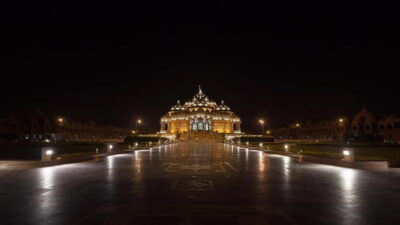
Delhi: Akshardham Temple Tour with Light and Water Show
Read our review →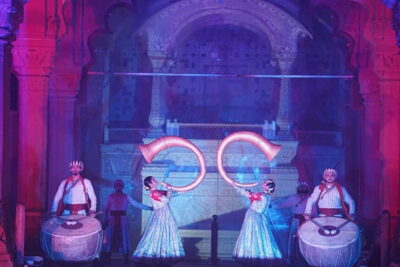
Delhi: Red Fort Light and Sound Show Guided Tour
Read our review →
Akshardham Light & Fountain Show with Pick-up & Drop-off
Read our review →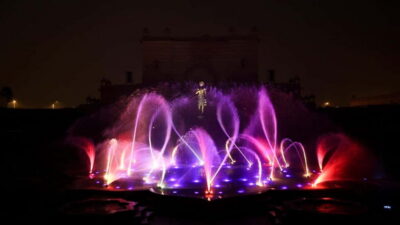
From Delhi: Akshardham Exhibition and Sahaj Anand Water Show
Read our review →
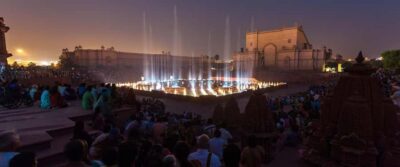
New Delhi: Akshardham Exhibition, Light & Water Show Tour
Read our review →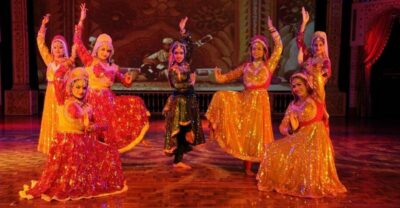
Agra: Mohabbat the Taj show tickets and agra transfers
Read our review →Browse the lists this show appears in