
Review · LONDON
London’s West End: Ticket to The Lion King
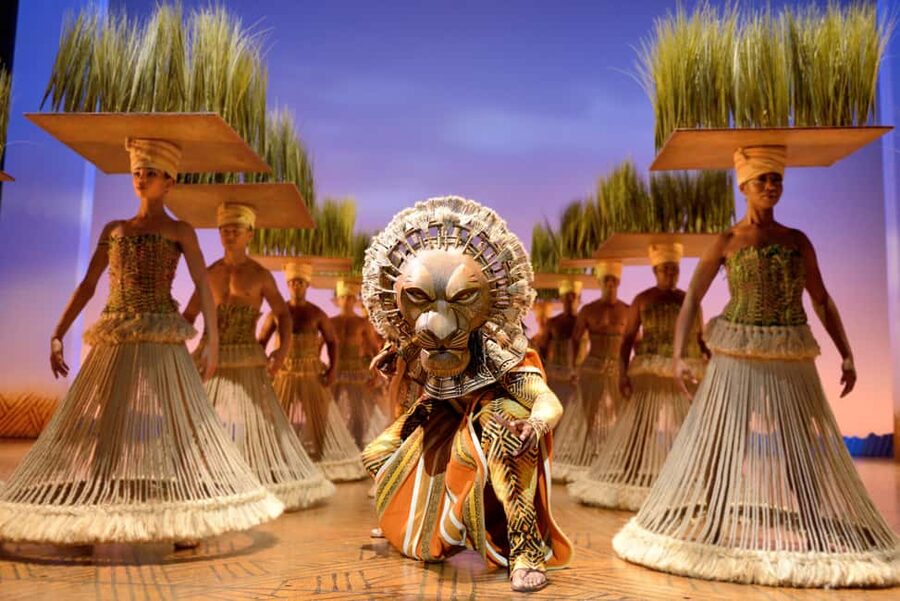
London’s The Lion King is far more than a stage version of a Disney film. The puppets and masks are the main event, turning lions, giraffes, birds, and other animals into living theatre while the performers remain visible. Julie Taymor’s direction gives the show a visual style that feels made for the stage, not simply copied from the screen.
I like the way the production makes Simba’s story easy to follow while still giving you plenty to study. I also like the scale of the craft behind it: more than 232 puppets and over 37,000 hours spent making the masks and puppets. The main consideration is timing. Latecomers may have to wait until a break, and children under three cannot enter.
- Julie Taymor’s stage vision: A bold production that changed how large-scale musicals use puppets, masks, movement, and colour.
- More than 232 puppets: Expect rod puppets, shadow puppets, and full-sized creations across the show.
- Simba’s journey: Follow a young lion from loss and uncertainty toward courage, responsibility, and kingship.
- Familiar songs, new setting: Hear Circle of Life, Hakuna Matata, and other music performed live in a theatre.
- Reserved seating included: Your ticket gives you a designated place in the auditorium, with no need to search for an available seat.
- Plan your arrival: Bring your e-ticket and arrive at least 30 minutes before the performance starts.
Why The Lion King works so well on stage
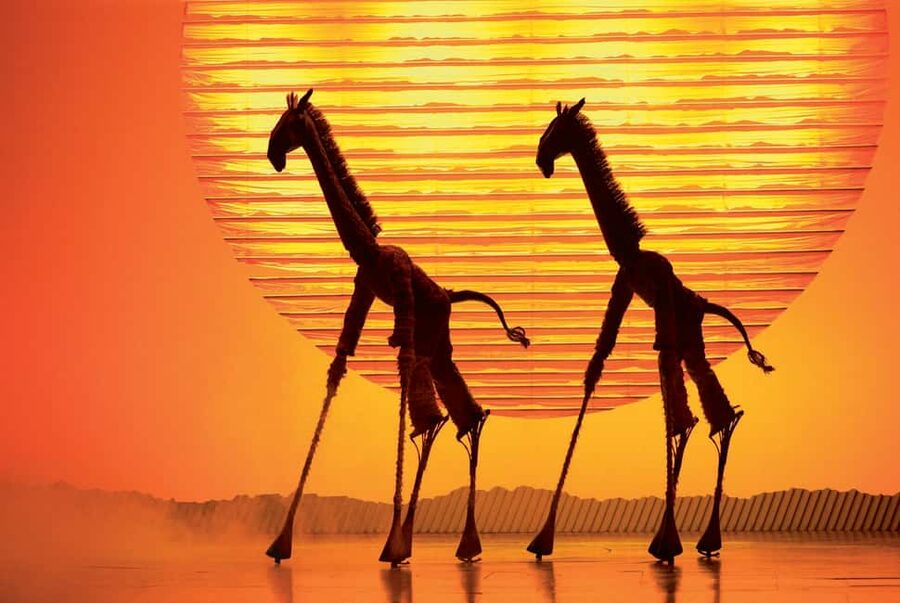
The story follows Simba, a young lion cub whose life changes after a family tragedy. He leaves home, grows up away from the Pridelands, and must eventually face his past and accept his role as king.
That basic plot is familiar to many people, but live theatre changes the way you experience it. On a screen, an animal can be created entirely through animation. On stage, the performers, puppets, masks, costumes, lighting, and sound must work together in front of you. You can see the human effort behind the illusion, yet the illusion still works.
That is Julie Taymor’s great contribution to this production. The performers do not always disappear inside animal costumes. Instead, you often see the person operating or wearing the puppet. This makes the performance more imaginative, not less. Your eye accepts both things at once: the performer is present, and the animal is alive.
The show has been running in London since 1999 and is one of the West End’s longest-running musicals. That long run matters because the production depends on exact timing and complex stage work. A cast of 50 performers and a backstage team of more than 100 people keep the large machine moving.
The opening power of Circle of Life
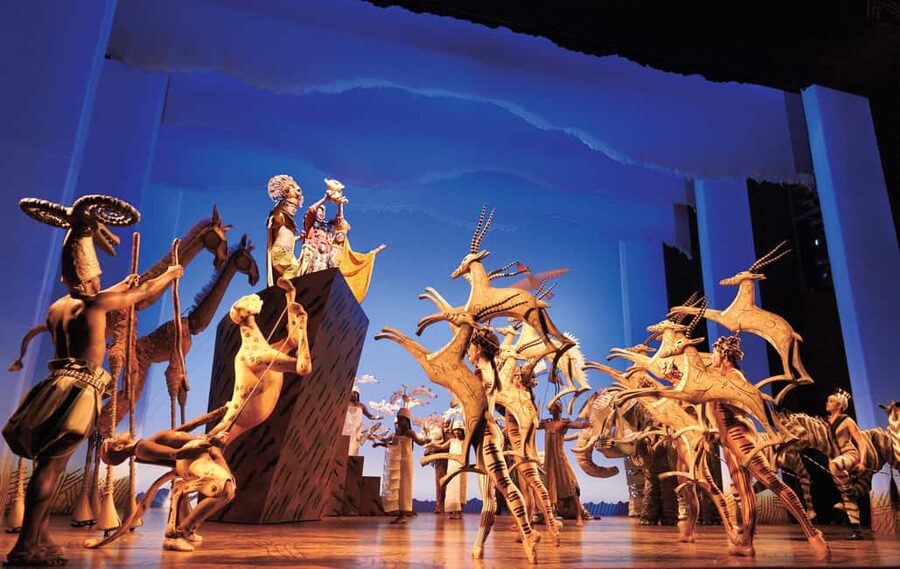
The opening section is designed to make an immediate impression. Circle of Life introduces the world of the Pridelands through music, movement, colour, and a parade of animal figures.
This is where the production’s size becomes clear. Rather than waiting for a single star performer to carry the show, the stage fills with different forms of puppetry. Some creatures are operated with rods. Others use shadows or full-sized designs. The result gives the theatre a sense of movement and ceremony.
I particularly like this opening because it explains the show’s method without stopping to give you a lesson. You quickly understand that The Lion King is not trying to make the stage look like a film set. It is using theatre’s own tools to suggest the African savannah.
The colours are strong, and the effects are deliberately theatrical. If you prefer a realistic stage design, some of the visual choices may feel stylised. That is part of the bargain here. The production asks you to use your imagination, and in return it gives you images that would be difficult to create with ordinary costumes alone.
More West End Shows in London
- London West End Musical Silent Disco Walking Tour Top 1% Rated
★ 5.0 · 1,057 reviews - London Theatre: Wicked the Musical
★ 4.5 · 316 reviews - London Theatre: Moulin Rouge! The Musical
★ 4.5 · 272 reviews
Meeting Simba, Mufasa, and the Pridelands
The early scenes establish Simba as a curious young cub and show his relationship with Mufasa. The family story gives the musical its emotional centre, while the animal characters make the world accessible to children.
This is a useful show for families because the central plot is clear. Simba faces fear, grief, guilt, and the pressure of responsibility. Those ideas are serious, but the story also includes comic moments and songs that keep the mood from becoming too heavy for long stretches.
You should also pay attention to how the characters are designed. A mask or puppet is not just a decoration placed on top of a performance. It affects how the actor moves, where the audience looks, and how a character communicates without ordinary facial expressions.
The craft is particularly striking when the animal form is large or complex. More than 37,000 hours went into creating the puppets and masks, and you can see why. These objects must be attractive from a distance, practical for performers, and expressive enough to support the story.
Villains, comic relief, and Hakuna Matata
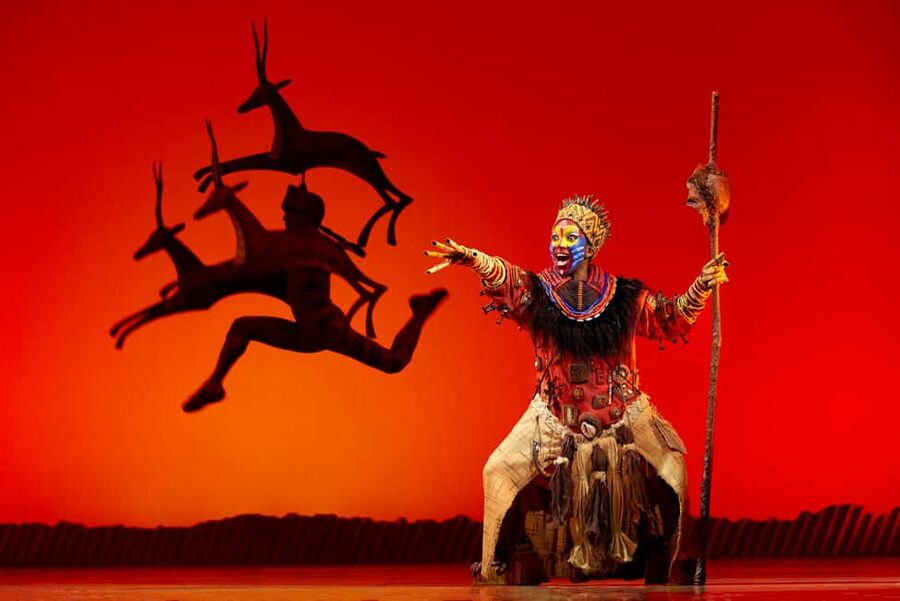
The story needs a change of tone after its darker turns, and Hakuna Matata provides it. The song brings a lighter rhythm and helps mark a new stage in Simba’s life.
This section is one reason the show works for mixed-age groups. Younger children can respond to the humour, music, and animal figures, while older audience members can follow the more difficult questions beneath the comedy. The musical does not expect you to choose between spectacle and story.
The comic sections also give the production room to breathe. A show with this much visual activity could become tiring if every scene pushed at full force. The lighter moments help vary the pace before the story returns to Simba’s responsibilities.
Still, it is worth knowing that the show is not simply a string of cheerful songs. The plot includes loss and conflict. Parents bringing very young children should consider their child’s ability to sit through a full theatre performance and handle serious scenes. Children under three are not admitted, including babies in arms.
How the puppets change the way you watch
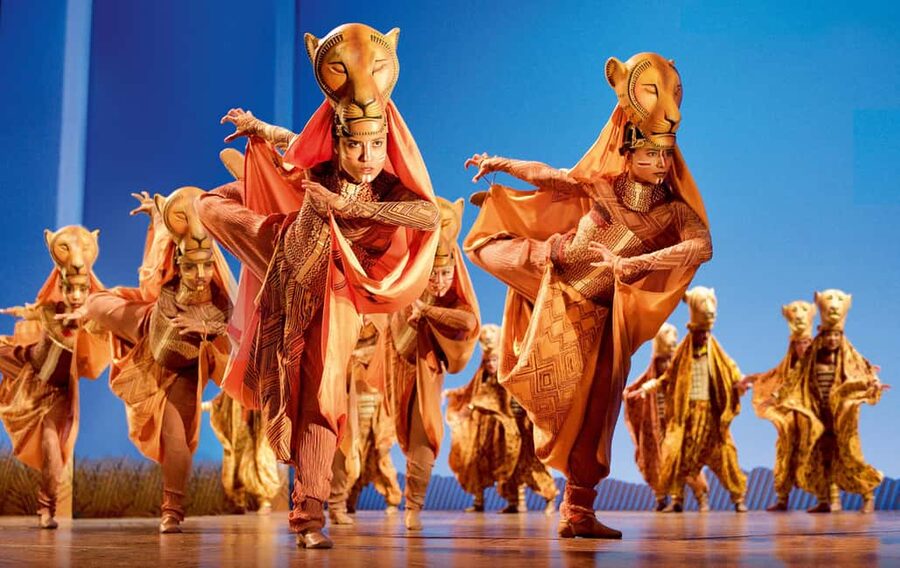
The puppetry is the clearest reason to choose this production over simply watching the film at home. You are not only looking at a character. You are also seeing the performer’s physical skill and the design choices that make the character readable.
The production uses more than 232 puppets, including rod puppets, shadow puppets, and full-sized creations. Each type creates a different effect. Rod puppets can suggest light movement and quick action. Shadow puppets create a flatter, more graphic image. Larger figures give the stage weight and scale.
The visible mechanics are part of the pleasure. You may notice the performer controlling a figure while also expressing the character through posture and movement. Instead of hiding every trick, the show lets you appreciate how the trick is done.
This approach will suit you if you enjoy design, stagecraft, and visual storytelling. If your main interest is a naturalistic drama in which actors behave as ordinary people, the style may take some getting used to. The Lion King is openly theatrical from beginning to end.
More West End Shows in the UK
- London Theatre: TINA – The Tina Turner Musical-Closes Sept 2025!
★ 4.5 · 217 reviews - London Theatre: The Phantom of the Opera
★ 4.5 · 215 reviews - London’s West End: Ticket to Moulin Rouge! The Musical
195 reviews - London’s West End: Ticket to MAMMA MIA! the Musical
194 reviews
Music that carries the story
The songs are not simply pauses between scenes. They help explain Simba’s world and mark changes in his life.
Circle of Life introduces ideas of family, order, and the continuing cycle of generations. Hakuna Matata changes the mood and presents an alternative to facing difficult responsibilities. The songs make the emotional shifts easy to follow, even when the stage is busy with movement and visual effects.
The music is also a strong reason to see the show live. A recording can preserve the melody, but it cannot reproduce the shared feeling of a theatre full of people watching the same moment unfold. The production uses familiar songs as part of a larger stage event.
You do not need to be a lifelong Disney fan to appreciate this aspect. If you like musical theatre, the combination of live singing, puppetry, colour, and movement gives the familiar material a different shape.
What your reserved seat includes
Your booking includes a ticket to the musical and a reserved seat. That makes the basic arrangement simple. You are not buying a guided tour, a meal package, or transportation. You are paying for entry to the performance and a designated place in the auditorium.
The exact value depends on the ticket price and seat location, which are not specified here. I would judge the cost against the scale of the production rather than against a standard cinema ticket. A cast of 50 performers, more than 100 backstage crew members, elaborate puppets, masks, music, and effects represent a large live production.
Reserved seating is useful in London, especially if you are arranging an evening around dinner or another activity. You know that a place is set aside for you, but you should still check the seat details at booking if the position in the auditorium matters to you.
Food, drinks, transportation, and souvenirs are not included. The theatre sells refreshments, and allergen information is available from bar staff or other workers selling food and drinks. If anyone in your group has an allergy, ask for the information before buying.
Arriving at the theatre
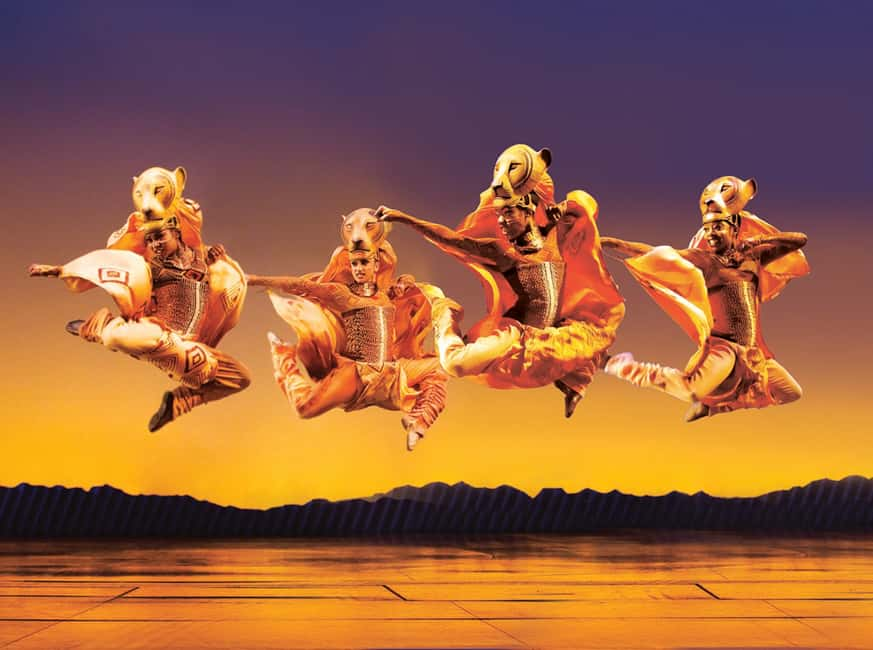
Arrive at least 30 minutes before the scheduled start. That gives you time to reach the theatre, find the entrance, deal with any queue, and locate your seat without rushing.
Your confirmation email includes an e-ticket. Bring it with you. Every person entering the theatre needs a ticket, regardless of age, so do not assume a small child can share an adult ticket.
Late arrival creates a real risk. You may not be admitted until a break, and admission is not guaranteed. This is especially important if you are planning dinner beforehand or connecting the show with another London booking. Leave a generous margin rather than trying to arrive at the last minute.
The theatre does not allow flash photography, and photography inside is not allowed. Put your phone away once the performance begins. The show relies on darkness, light effects, and careful attention, so even a small distraction can affect the people around you.
Is it suitable for children?
The Lion King is a family-friendly musical in the broad sense, but it is not suitable for children under three because they will not be admitted. All children aged 16 or under must be accompanied by an adult and may not sit alone in the auditorium.
For older children, the show offers several ways in. The songs are familiar, the animals are visually engaging, and the central story is straightforward. At the same time, Simba’s loss and fear may feel intense for some children.
You know your child best. A child who enjoys music, costumes, puppets, and live performance is likely to find plenty to watch. A child who struggles with sitting quietly or with darker story moments may need more preparation.
The visible puppetry can help children understand how theatre works. They see that performers create the animals through movement and objects, which can lead to a more thoughtful experience than a fully realistic production.
The practical value of the experience
The strongest value here is concentration. For the length of the performance, you are giving your attention to one carefully made live event rather than moving between several London sights.
That makes The Lion King a good choice for an evening when you want a major West End production without adding transport between several attractions. Since transportation to and from the theatre is not included, you need to arrange your own route and allow time to arrive early.
The ticket is less useful if you are looking for a flexible activity that you can enter at any time. This is a scheduled theatre performance. You must follow the start time, bring the e-ticket, and accept the theatre’s rules about late entry and photography.
I also think the value is strongest for people interested in stagecraft. You are not only paying to hear popular songs. You are seeing how masks, rod figures, shadows, full-sized puppets, performers, colour, and lighting combine to tell a story.
Who should book The Lion King?
Book it if you want a major West End musical with a strong visual identity. It suits families with children old enough to sit through a full performance, Disney fans, and anyone interested in puppetry or theatrical design.
It is also a good choice for a first musical in London because the story is familiar and easy to follow. You do not need specialist theatre knowledge to appreciate the production’s scale or the emotion behind Simba’s journey.
Think twice if your schedule is tight, you dislike fixed start times, or you expect to take photographs during the show. The restrictions are clear: arrive early, keep photography out of the auditorium, and accept that late admission may not be possible.
Should you book this West End performance?
I would book The Lion King when the price fits your London budget and you want a full theatrical event rather than a short attraction. Its best features are specific and substantial: Julie Taymor’s direction, over 232 puppets, the powerful opening, familiar music, and a story that works for both children and adults.
Choose a different activity if you need total flexibility or a quiet, realistic drama. For most families and first-time West End visitors, though, the reserved seat and clear story make this an easy performance to plan around. Arrive early, bring every ticket, and give the puppets your full attention.
FAQ
What does the ticket include?
The booking includes a ticket to The Lion King musical and reserved seating.
Is transportation to the theatre included?
No. Transportation to and from the theatre is not included.
Are food and drinks included?
No. Food and beverages are not included. Refreshments can be sold at the theatre, and allergen information is available from staff selling food and drinks.
Can children under three attend?
No. Children under three, including babies in arms, will not be admitted.
Can children aged 16 or under attend without an adult?
No. Anyone aged 16 or under must be accompanied by an adult and may not sit alone in the auditorium.
How early should I arrive?
Arrive at least 30 minutes before the performance begins. Latecomers may have to wait until a break, and admission is not guaranteed.
Can I take photographs inside the theatre?
No. Photography inside the theatre is not allowed, and flash photography is also prohibited.
More Broadway and West End Shows in London
- London: Burlesque Cabaret Show in the West End
★ 4.2 · 127 reviews - London’s West End: Ticket to Wicked the Musical
106 reviews - London’s West End: The Devil Wears Prada the Musical
88 reviews - London West End Musical Silent Disco Walking Tour Top 1%
★ 5.0 · 62 reviews
Just added around London
- London: West End Photography Walking Tour with Guide★ 5.0 · 2 reviews
- London West End Musical Silent Disco Walking Tour Top 1%★ 5.0 · 62 reviews
- London West End: 99 Club Comedy Show Ticket★ 4.0 · 17 reviews
- London: The Tina Turner Musical and Meal with Sparkling Wine★ 4.5 · 17 reviews
- London: Secrets of The Magic Circle Flagship Magic Show★ 5.0 · 5 reviews
- London: The Magician’s Table – Up-Close Magic Show★ 4.4 · 7 reviews
- London: The Tina Turner Musical & 2-Course Pre-Show Meal★ 4.6 · 17 reviews
- London’s West End: Ticket to The Mousetrap6 reviews
London Shows, compared.

The Best in Stand Up Comedy – Comedy Shows every night of the week
Read our review →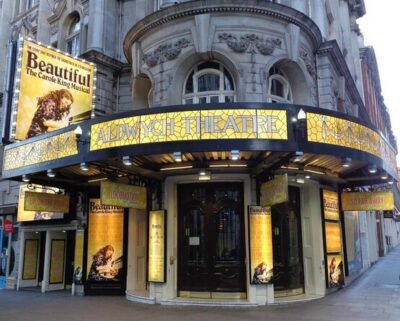
London Theatre: TINA – The Tina Turner Musical-Closes Sept 2025!
Read our review →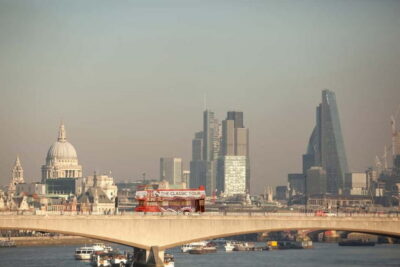
London Vintage Bus Tour: Live Comedy Sightseeing Show
Read our review →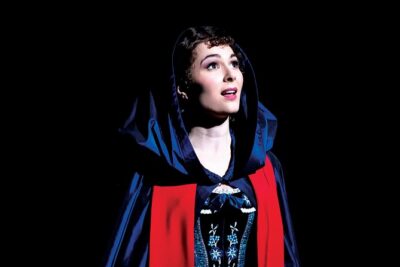
Browse the lists this show appears in