
Review · USA
Salt Lake City Trolley Tour with 3 Theatrical Guides & Live Show
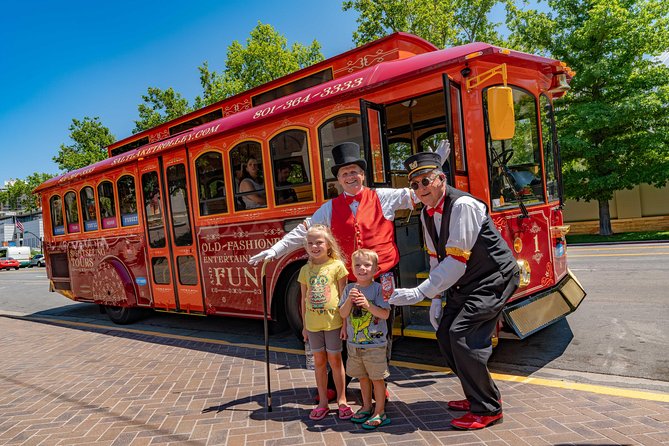
Salt Lake City’s best feature on this tour is not the trolley itself, but the three-person stage show inside it. One guide may sing, another may slip into the role of a historic figure, and a third may keep the story moving while you roll past Temple Square, old mansions, civic buildings, and Olympic-era sights. It is sightseeing with theater, not a quiet audio tour.
I like the quick city orientation and the way the guides connect grand landmarks with human stories. I also like the small extras: old-fashioned bottled soda, Cracker Jacks, air conditioning, and a restroom break. The main drawback is that many stops are drive-bys lasting only a minute, so you will not have time to explore every building.
- Three theatrical guides: Expect comedy, songs, local history, and occasional historical characters instead of a standard one-guide narration.
- Capitol stop: The longest stop gives you time for photographs and broad views over Salt Lake City and the Wasatch Mountains.
- Historic downtown route: Temple Square, the Cathedral of the Madeleine, the Beehive House, City and County Building, and early pioneer sites anchor the ride.
- Family-friendly format: Children, teenagers, and adults can follow the fast-moving show without sitting through a dry lecture.
- Small treats included: Bottled soda and Cracker Jacks add a pleasant old-fashioned touch.
- Best use: Take it early in your visit to get your bearings, then return to the places you want to see on foot.
A musical first look at Salt Lake City

This is a sightseeing tour built around a live performance. The route covers the old center of Salt Lake City, with the guides trading lines, singing, telling jokes, and explaining the people and events behind the buildings outside your window.
The experience lasts about 90 minutes to two hours. That makes it a useful choice when you have limited time, a family with mixed interests, or a few hours to fill before heading to the airport. You get a broad introduction without committing to a full-day excursion.
The trolley holds no more than 27 people, so the group is small enough for the performers to connect with the room. The tone is intentionally theatrical and sometimes campy. If you prefer a quiet, detailed architectural tour, this may feel too polished and playful. If you learn best through stories, songs, and humor, the format makes Salt Lake City easier to remember.
The lineup changes, but guides named Anna, Matthew, Kelly, Kaleigh, Max, Shayla, and Luke have appeared on recent tours. Their strengths vary. Some guests have especially enjoyed the singing, while others have liked the acting and historical characters. You should expect a cast-style presentation rather than one fixed personality every time.
What the $69 price buys you
At $69 per person, this is not the cheapest way to see downtown Salt Lake City. The value comes from combining transportation, narration, live entertainment, several photo opportunities, and small snacks in one compact outing.
You are paying for more than a ride past landmarks. Three entertainers share the work, and the presentation turns facts about Utah statehood, pioneer settlement, religion, civic power, and modern downtown development into a show. Taxes, fuel surcharges, and service fees are included, so the listed price is a better guide to your final cost than a low headline fare with add-ons.
The tour is especially good value for a family. A traditional lecture can lose younger children quickly, while the songs and comic scenes give them a reason to pay attention. One recent family group included children aged 8 and 13, and both found the quick stops and local stories easy to follow.
I would not book this mainly for long building visits. Only the Utah State Capitol receives a substantial stop in the listed route, with the Cathedral of the Madeleine receiving a brief visit. Several other landmarks are viewed from the trolley, and the exact time outside can depend on the day’s schedule.
More City Tours in the USA:
- 3 Hour Show Me Seattle Best Of The City Tour
★ 4.5 · 763 reviews - New York City: Museum of Broadway Entry Ticket
★ 4.6 · 113 reviews - Salt Lake City: Trolley Show-Tour
★ 4.9 · 42 reviews
Starting at the Radisson Hotel
The tour begins at the Radisson Hotel Salt Lake City Downtown, at 215 West South Temple Street. It ends back at the same meeting point, which makes planning easy if you are staying downtown or using nearby public transportation.
Arrive ready for a moving performance, not a hop-on, hop-off service. The trolley follows a set route and returns to its starting point. You cannot use it as transportation between separate attractions.
A useful plan is to take this tour near the beginning of your stay. You will see the major downtown zones, note the buildings you want to revisit, and get a sense of how Temple Square, Capitol Hill, Washington Square, City Creek Center, and the western downtown district fit together.
Utah State Capitol: the main stop
The Utah State Capitol is the tour’s strongest outdoor stop. It sits above downtown, with broad views toward the Salt Lake Valley and the Wasatch Mountains. The building, completed in 1916, is known for its dome, marble interior, rotunda, sculptures, murals, and formal government chambers.
You have about 15 minutes here, and admission is listed as free. That is enough for photographs and a quick look at the building, though not enough for a slow architectural visit. The terrace views are the main prize.
The guides use the Capitol to explain Utah’s path from territory to statehood. Their stories cover political ambition, the struggle for national recognition, and the people who shaped the new state. This is where the show’s historical material has a useful setting: you are looking at the building while hearing how Utah’s political identity developed.
If you care most about scenery and photographs, pay attention here. Several people who enjoyed the tour singled out the Capitol stop as their favorite.
Cathedral of the Madeleine and the Mormon Battalion Monument
The Cathedral of the Madeleine is a Gothic Revival church completed in 1909. Its exterior and interior details include soaring arches, carved stone columns, stained glass, painted murals, and ornate religious decoration. The guides connect its design to Catholic pioneers who wanted a grand place of worship in a frontier city.
The stop is listed as five minutes, so do not expect an extended cathedral visit. Construction can also affect the view. At times, the cathedral has been partly hidden, which makes this one of the less predictable parts of the route.
Nearby, the Mormon Battalion Monument recalls the 500 Mormon volunteers who marched nearly 2,000 miles from Iowa to California during the Mexican-American War. The trolley presentation focuses on endurance, military service, westward travel, and the role of these volunteers in the early story of the American West.
The monument is another short stop. Think of it as a quick historical marker rather than a full museum visit. The value is in the context supplied by the guides, who give meaning to a site that could otherwise pass by unnoticed.
A few more shows around the USA worth a look
- The Haygoods: Branson’s Most Popular Show
★ 5.0 · 7,232 reviews - Oahu: The Magical Mystery Show! at Hilton Waikiki Beach Hotel
★ 5.0 · 2,754 reviews - Grand Ole Opry Show Admission Ticket
★ 4.5 · 2,518 reviews - Polynesian Fire Luau and Dinner Show Ticket in Myrtle Beach
★ 4.5 · 2,162 reviews
Temple Square and the great religious landmarks
Temple Square is the symbolic center of Salt Lake City. From the trolley, you see the ten-acre complex, its gates and gardens, and the Salt Lake Temple, begun in 1853 and completed four decades later.
The temple is currently closed to the public according to the tour information, so this is primarily an exterior sight. The guides explain the labor behind the building, including the effort required to move granite from a canyon about 20 miles away. Its six spires and carved stonework make it one of the city’s most recognizable views.
The nearby Salt Lake Tabernacle is associated with the Tabernacle Choir and its famous acoustics. The guide presentation explains how the domed building was constructed in 1867 without interior pillars and why its sound carries so well.
You also pass the modern Conference Center, completed in 2000. It seats 21,000 people and has a rooftop garden and waterfalls. Together, the Tabernacle and Conference Center show two different eras of construction: pioneer engineering and large-scale modern design.
The route also includes the Joseph Smith Memorial Building, once the Hotel Utah. Its white terracotta exterior and Beaux-Arts details make it one of the more elegant old buildings near Temple Square. The former hotel welcomed presidents, performers, and other prominent visitors before being restored and rededicated.
This cluster is the spiritual and architectural center of the ride, but the one-minute listings matter. You will see much more than you can visit. If Temple Square is a major reason for your trip, return on foot for a separate visit.
Civic Salt Lake City on Washington Square
The City and County Building is one of the city’s most dramatic exteriors. Completed in 1894, it uses sandstone, a tall clock tower, gargoyles, and statues representing Columbia and Justice. It once served as Utah’s first State Capitol.
The guides frame the building as a civic counterpoint to the religious architecture nearby. That gives you a useful way to read downtown Salt Lake City: religious, territorial, state, and municipal power all appear within a compact area.
Washington Square provides another view of the same building. The repetition may sound unnecessary, but it helps fix the location in your mind. You will see the City and County Building from another angle and hear more about the debates that shaped early Utah government.
Council Hall adds another piece of the political story. Built in 1866 as the first territorial capitol, it hosted debates about polygamy, women’s suffrage, and self-government. The structure was later moved brick by brick to Capitol Hill in 1963 to save it from demolition.
These are quick exterior views, but they are valuable for showing that Salt Lake City’s past was not only about pioneer faith. It was also about political conflict, civic planning, and the long road to statehood.
Pioneer homes, monuments, and family history
The Beehive House, built in 1854, was associated with Brigham Young and served as both a family home and an executive residence. Honeybee carvings represent industry and cooperation, and the guide presentation uses the house to discuss domestic life, leadership, and the scale of Young’s household.
The Eagle Gate began in 1859 as an entrance to Brigham Young’s property. The present bronze eagle spreads its wings more than 20 feet above State Street, making it easy to spot as the trolley passes.
The Brigham Young Monument and Meridian Marker sit at a downtown crossroads. The marker identifies the point from which Utah land surveys begin, giving the stop a practical link between geography and settlement.
The Deuel Pioneer Log Home offers a smaller, humbler image of early Salt Lake City. Hand-hewn timber and simple construction show how quickly settlers had to create shelter and daily life after arriving in the valley. It is a useful contrast to the grand temples, offices, and civic buildings elsewhere on the route.
The FamilySearch Library and FamilySearch Center connect Utah’s religious culture with genealogy. The library is described as the world’s largest collection of genealogical records, preserving billions of records from around the world. From the trolley, you view the buildings from outside, but the guides explain why family history became such an important part of Utah life.
The itinerary lists both FamilySearch locations with the same description. Treat them as part of the route’s family-history theme rather than two separate, extended visits.
Modern downtown and the Olympic legacy
City Creek Center shows a newer Salt Lake City. Opened in 2012, the open-air shopping complex covers two city blocks and includes retractable glass roofs, fountains, rooftop gardens, and a creek running through the center.
The stop gives the guides a chance to discuss downtown redevelopment and the way Salt Lake City has mixed commerce with its older religious and civic core. You may want to return later if shopping or architecture interests you, since the trolley stop itself is brief.
The Salt Lake City Public Library is another modern highlight. Its five-story glass arc, designed by Moshe Safdie and completed in 2003, curves around a public plaza. A rooftop garden and mountain views add to the building’s appeal, but the tour views it from outside.
The Gateway grew from the area connected with the 2002 Winter Olympics. Its open-air plaza, fountains, art, entertainment spaces, restored rail buildings, and Olympic references show how the city reused an industrial district.
The final major sports sight is the Delta Center, home of the Utah Jazz. The arena has hosted basketball, Olympic figure skating, concerts, and other large events since opening in 1991. It is a quick look, but sports fans will recognize the importance of the building immediately.
Snacks, stops, and the pace of the show
Trolley Treats include old-fashioned bottled sodas and Cracker Jacks. They are simple items, but they fit the period feel of the ride and help make the experience feel like an outing rather than a plain city transfer.
The tour also includes a restroom break. The most useful outside time comes at the Utah State Capitol, along with a few short photo stops. You may get off at two primary stops plus quick opportunities to stretch and take pictures, but do not expect to walk through every listed site.
The pace is quick. The short stops keep children engaged and let you cover a lot of ground, but they can frustrate anyone hoping to read plaques, enter buildings, or take careful architectural photographs. I suggest carrying only what you need and keeping your camera ready.
The trolley is air-conditioned, an important comfort during warm weather. The maximum group size of 27 keeps the presentation relatively personal, though the tour remains a group activity with a fixed script and schedule.
Who should book this Salt Lake City trolley tour?
I would recommend it to families, first-time visitors, couples who enjoy live entertainment, and anyone who wants a fast introduction to downtown. It also works well for people with a spare afternoon or a few hours before departing Salt Lake City.
The strongest match is someone who likes learning through humor, music, and performance. The guides have earned praise for their teamwork, singing, acting, friendliness, and ability to keep history moving. The show can make a mixed-age group feel included.
I would choose a different experience if your priority is deep time inside Temple Square, a long cathedral visit, detailed museum interpretation, or a flexible hop-on, hop-off route. This is a lively overview, not a substitute for exploring the city on foot.
Should you book it?
Book this tour if you want Salt Lake City’s main downtown sights explained with jokes, songs, and theatrical storytelling. The Utah State Capitol, Temple Square, pioneer landmarks, civic buildings, and modern Olympic sites give you a useful first map of the city, while the snacks and air conditioning make the ride easy.
At $69, the price is fair when you value the live show and the three-guide format. It is less compelling if you plan to judge the tour by how many buildings you enter. Reserve ahead if your schedule is tight, since the experience is often booked about 15 days in advance and the 27-seat trolley can fill.
You can cancel for a full refund up to 24 hours before the start time. Inside that window, the payment is not refunded. Gratuities are not included, and tips are appreciated.
FAQ
How long is the Salt Lake City trolley tour?
The tour lasts about 1 hour 30 minutes to 2 hours.
Where does the trolley tour start and end?
It starts at the Radisson Hotel Salt Lake City Downtown at 215 West South Temple Street and returns to the same meeting point.
What is included in the ticket price?
The ticket includes three theatrical entertainers and sightseeing guides, the musical sightseeing show, bottled soda, and Cracker Jacks. Taxes, fuel surcharges, and service fees are also included.
Is the tour offered in English?
Yes. The tour is offered in English.
How many people can join the tour?
The activity has a maximum of 27 participants.
Do you get off the trolley during the tour?
Yes. The Utah State Capitol is a main stop, and the tour also includes a short visit connected with the Cathedral of the Madeleine. Additional quick photo stops may be included. Many other landmarks are viewed from the trolley.
What is the cancellation policy?
You can cancel at least 24 hours before the start time for a full refund. Cancellations or changes made less than 24 hours before the start time are not accepted for a refund.
Just added around the USA
- West End Tour, Open Cockpit Biplane Ride★ 5.0 · 8 reviews
- Circus Secrets of Venice Trolley Tour★ 5.0 · 3 reviews
- Murder Mystery Dinner and Show★ 5.0 · 8 reviews
- The MAXIMUM MAGIC Show Starring Noah & Heather Wells★ 4.5 · 242 reviews
- Destin Harbor Firework Show by Boat★ 4.0 · 20 reviews
- The Dinner Detective True Crime Murder Mystery Show – Denver, CO★ 4.5 · 36 reviews
- That Game Show Place in Palm Harbor★ 5.0 · 19 reviews
- Chicago Fire TV Show Set Tour★ 5.0 · 68 reviews
USA Shows, compared.
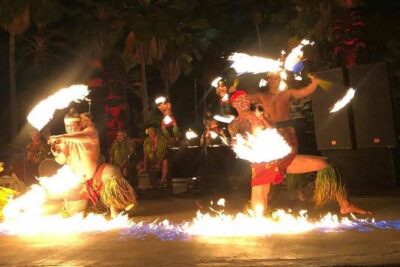
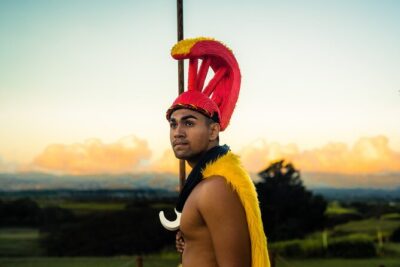
Mauka Warriors Luau Honoring Polynesia’s Forgotten History
Read our review →
The Magical Mystery Show! at Hilton Waikiki Beach Hotel
Read our review →
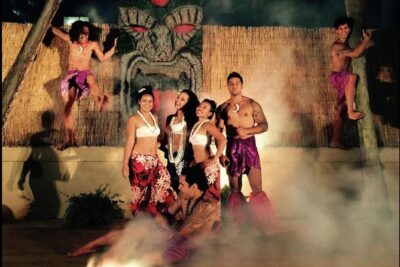
Polynesian Fire Luau and Dinner Show Ticket in Myrtle Beach
Read our review →Browse the lists this show appears in