
Review · CHINA
Sichuan Culture Opera Show in Chengdu
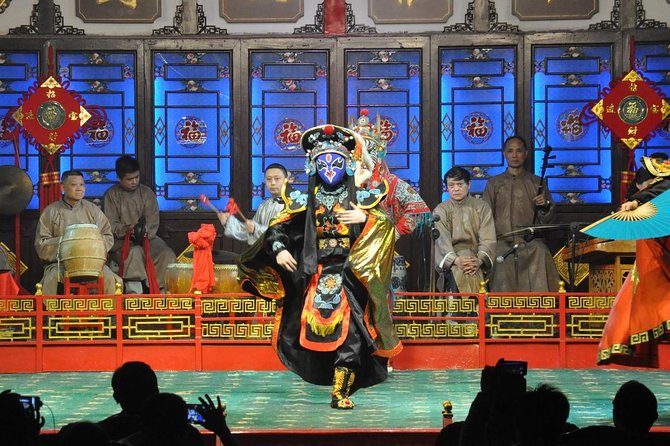
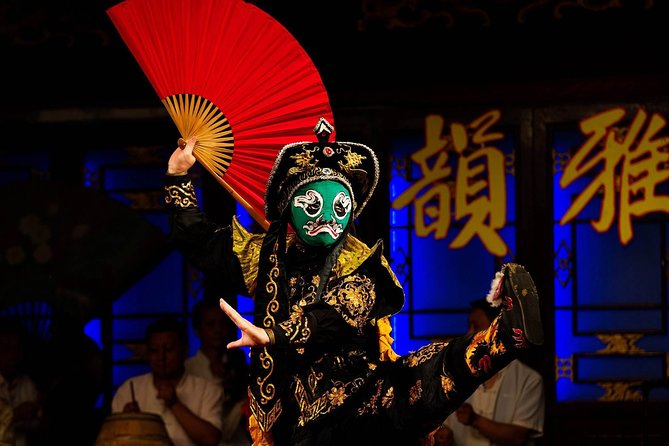
The magic arrives in a flash of color: a performer turns his head, and one painted face becomes another before you can catch the trick. This Sichuan Opera show at Shufeng Yayun Teahouse mixes face changing, fire spitting, puppetry, shadow play, music, dance, and acrobatics into a lively 90-minute evening.
I like the tea service at your table and the easy length, which leaves time for dinner or a walk afterward. I also like that the program is a Chinese variety show rather than a long opera that depends on understanding every word. The main catch is that the VIP extras need careful handling: arrive early, confirm exactly what is included, and do not assume every advertised option will be available after the show starts.
Key points to know before booking
- Face changing is the headline act: Sit near the front if seeing the mask work clearly matters to you.
- The show is a variety program: Expect acrobatics, puppetry, shadow play, folk music, comedy, singing, dance, and opera scenes.
- Tea comes with every ticket: Snacks are included only with the option you select.
- VIP seating has mixed value: Front-row views can be excellent, but the add-on services need confirmation at the venue.
- Arrive early for extras: Massage, ear grooming, makeup, and costume activities may not be available once the performance begins.
- You arrange your own transport: Allow about 30 minutes by taxi and carry your hotel address in Chinese.
What happens inside Shufeng Yayun Teahouse
You make your own way to Shufeng Yayun Teahouse at Chengdu Culture Park, at 132 Qin Tai Lu. The experience begins at 8:00 pm, though an early arrival is wise if you have paid for an upgrade.
The theater uses bamboo tables and chairs, and tea service comes with every admission ticket. Jasmine tea is poured during the performance, giving the evening a relaxed teahouse feel rather than the formal atmosphere of a large concert hall. Some seating areas are close enough to the stage for a good view, but the front sections matter most if you want to catch quick facial movements or take clear photographs.
At the ticket office, you redeem your booking voucher for entry. The ticket office may be across from the performance area, so do not wait until the last minute. Keep your booking details ready, and if you are unsure where to go, ask staff before the show begins. A little confusion at the entrance can cost you the preshow activities you paid for.
The program lasts about 1 hour and 30 minutes. It is presented as a sequence of short acts, so the pace keeps moving. That format helps if you do not speak Chinese. You may not follow every line in the opera or comic scenes, but the physical acts, costumes, music, and visual tricks need little translation.
More Opera Shows in China
- Chengdu: Sichuan Opera Shu Feng Yan Yun Evening Show Ticket
★ 4.7 · 185 reviews - Chengdu Sichuan Opera Show Ticket – Shu Feng Ya Yun
★ 4.4 · 73 reviews - Beijing: Traditional Cultural Show Peking Opera Tickets
★ 4.4 · 66 reviews
Why the face-changing act matters
Sichuan Opera’s bian lian, or face changing, is the performance’s big draw. The actor switches painted masks with astonishing speed, using movements that are difficult to see even when you are watching closely. Each face suggests a different mood or character, so the routine is more than a costume trick. It connects to the opera tradition of showing a character’s inner nature through color and expression.
The act is short, which is part of its power. You get the surprise, the applause, and the urge to work out how it was done, but the show quickly moves on to the next skill.
For this reason, front or VIP seating can be worth paying for if face changing is your main reason for booking. The theater is not described as a huge venue, and many seats still offer a usable view. Yet people seated farther back have reported blocked sightlines, especially when someone in front is tall or using a phone.
Do not expect a full evening built only around face changing. It is one of several featured acts, not the entire performance.
Fire, puppets, and acrobatics keep the show moving
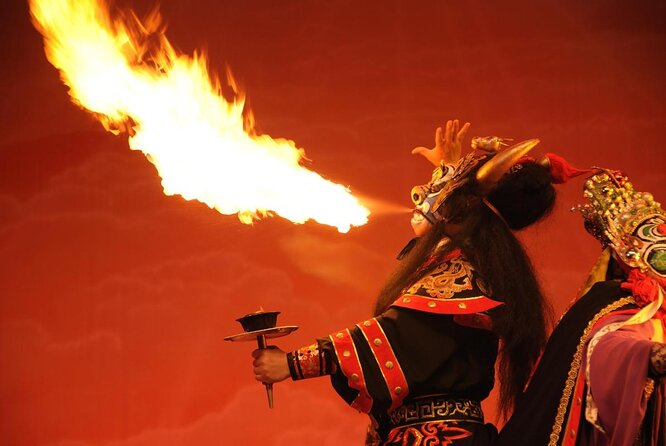
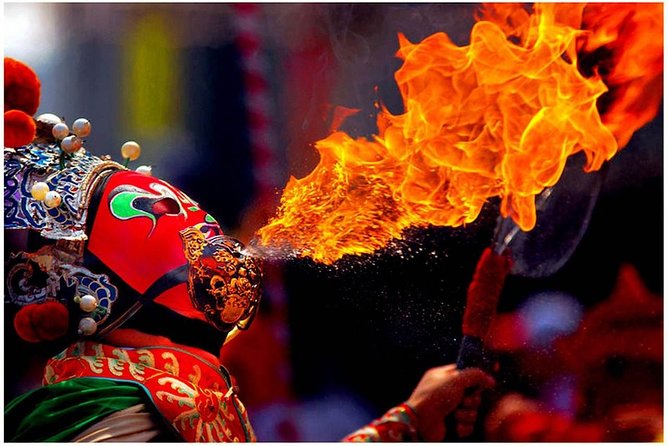
The other signature act is fire spitting, a bold piece of stage theater that gives the program its edge. Rolling Light is also listed among the featured routines, alongside traditional singing, music, and dance.
Puppetry and shadow play are especially good choices for families. The shadow figures move with remarkable control, and the simple visual setup makes the act easy to follow from any language background. If you enjoy seeing how traditional theater works, watch the puppeteers’ hands and the musicians supporting the action rather than focusing only on the final image.
Acrobatics add another change of pace. You might see balancing, comic movement, and feats that feel closer to a circus act than a formal opera. That mix explains why children often enjoy the program, while adults still get a useful introduction to regional performance traditions.
The opera scenes themselves draw from Chinese classical novels, legends, and folk tales. You may not understand the spoken story, but the makeup, costumes, music, gestures, and comic timing still communicate a great deal. English explanations are provided for some acts, though not every part is translated.
This is opera in the broad Sichuan sense
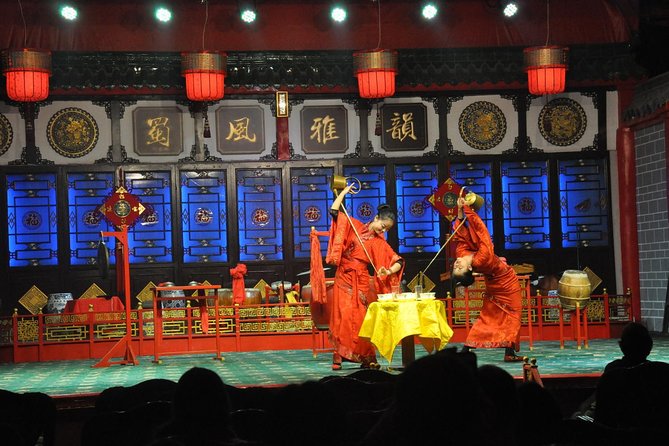
If you expect a long Western-style opera with a single plot, adjust your expectations. This is closer to a traditional Chinese variety show, with several mini-performances packaged into one evening.
You can expect singers, folk musicians, dancers, comedians, acrobats, puppeteers, and opera performers. That variety is a strength because the mood changes often. It also means the show can feel less focused if you came specifically for a serious theatrical narrative.
I find this format useful for a first look at Sichuan performing arts. You get the famous face changing and fire act, but you also see less familiar elements such as shadow theater, hand figures, traditional instruments, and comic scenes. The program gives you a sampler rather than a detailed lesson.
The language barrier is real. Some sections rely on dialogue and singing in Chinese, and you will miss parts of the humor or story. Still, the physical performances and music carry the evening well. If you need a fully translated cultural presentation, this may not satisfy you. If you want a colorful introduction that works even without Chinese, it is a better fit.
Same place, a different night out:
- Red Theatre Beijing Acrobatic Show Tickets
★ 4.9 · 461 reviews - Shanghai: Circus World ERA Theatre Acrobatics Ticket
★ 4.9 · 283 reviews - Shanghai Circus World: ERA2 Intersection of Time Acrobatics Show
★ 4.5 · 235 reviews - Red Theatre Beijing Acrobatic Show Tickets Official Booking
★ 5.0 · 218 reviews
Tea service, snacks, and the preshow extras
Tea is included with all entrance tickets. You sit at a bamboo table, and staff keep the service going during the performance. This small detail changes the pace of the evening. You are not simply watching a stage from a theater seat, you are taking part in a Chengdu teahouse tradition.
Snacks depend on the package. Selected options can include local nibbles such as beans or sunflower seeds, while a VIP package may include specialty snacks. Check your exact booking choice before assuming food is part of the price.
The upgrades can include a massage, traditional Sichuan ear grooming, or a makeup and costume photo opportunity. These sound appealing, especially if you want a hands-on cultural activity rather than a show alone.
Here is the practical warning: arrive well before 8:00 pm if you want to use one. Some people have been told to take massage or grooming after the performance, only to find the theater clearing out when the show ended. Once the performance starts, staff may not have time to provide the extras.
Costume and makeup arrangements need particular care. Confirm at the venue whether both makeup and costume are included in your selected option. A serious complaint described an unexpected costume charge, while another booking problem involved an extra fee for makeup and photographs. The supplied package wording has caused confusion, so keep your voucher and ask staff to explain the exact service before agreeing to anything.
Ear grooming also deserves a personal caution. It is a traditional service, but one person found it painful. If you are sensitive about your ears or simply want a calm evening, choose the massage or skip the add-on.
Is VIP seating worth the extra cost?
The standard ticket costs about $30 per person, though the final price depends on the option you choose. At that base level, I see reasonable value in a 90-minute cultural show with tea service, especially when the program includes several distinct forms of Chinese performance.
VIP pricing is harder to judge. The strongest benefit is location. Front seats put you closer to the face-changing act, the costumes, and the performers’ expressions. They also help with photographs and reduce the chance of heads blocking your view.
The extras can add value for families and first-time visitors. A massage, costume session, or traditional grooming service gives you something to do before the curtain. Snacks make the teahouse setting feel more complete.
Still, I would not buy VIP automatically. Some people have found that the front seating was worth the cost but the package extras were not. Others missed their selected service because they arrived too late or received unclear instructions. If your priority is the show itself, a standard or good mid-level seat may be enough. Choose VIP when you specifically want a front view and are prepared to arrive early and confirm the add-on at the door.
Getting there without a stressful start
Hotel pickup and drop-off are not included. You need to reach the venue yourself and arrange the return trip after the performance.
The practical advice is simple: allow around 30 minutes for a taxi, then add extra time for traffic and finding the ticket office. Ask your hotel front desk to write your hotel name and address in both English and Chinese. A hotel business card works well too. The ticket instructions include information for the taxi driver, but having your return address ready is still wise.
The address is Shufeng Yayun, 132 Qin Tai Lu, in Chengdu Culture Park. Keep the Chinese address visible on your phone or printed with your booking information. Taxi fare is not included.
Because the show ends in the evening, do not leave your return plan until the final curtain. You can ask the hotel before departing about the best way back, then show the Chinese address to the driver. Public transportation is nearby, but the supplied details specifically recommend allowing time for a taxi.
Families and non-Chinese speakers
This is a strong family evening because the acts change often and the most memorable sections are visual. Children may prefer the puppets, shadow play, fire, and acrobatics, while adults may pay closer attention to the costumes, music, and opera traditions.
A 12-year-old has been especially enthusiastic about the show, and families have also enjoyed the preshow puppet activities and massage options. That said, seating matters with children. A close view helps them see the action, while a long wait at the ticket office or a missed upgrade can sour the mood.
You do not need Chinese to enjoy the performance, but you should not expect every scene to be explained in English. Some introductions have English assistance, and the visual acts need little language. The opera dialogue and comedy will be less clear.
I would recommend it to you if you like live performance, traditional crafts, visual tricks, or family-friendly entertainment. I would be more cautious if you want a fully translated story or a quiet, serious opera from beginning to end.
Timing your evening in Chengdu
The 8:00 pm start leaves your day open for pandas, temples, food, or a walk through Chengdu. Since the show runs about 90 minutes, you still have part of the evening afterward, though you should plan your return taxi in advance.
Arriving early changes the experience. You can find the redemption point, settle into your seat, drink tea, and use any paid preshow service. If you arrive only a few minutes before curtain, you may spend the opening moments sorting out tickets or lose access to the massage, grooming, or costume session.
A walk around the culture park area before the show can also help you get your bearings. The surroundings are described as lively in the evening, and the extra time gives you a buffer without making the night feel rushed.
Cancellation is flexible up to 24 hours before the start time for a full refund. Changes or cancellations inside that window are not accepted, so check your plans before the cutoff.
Should you book the Sichuan Opera show?
I would book it for a first visit to Chengdu, especially if you want an evening activity that combines local tea culture with a broad sample of traditional performance. The face-changing act, shadow play, puppetry, and acrobatics are the strongest reasons to go, and the 90-minute length is easy to fit into a busy schedule.
Choose standard seating if you mainly want the experience at a reasonable price. Pay for VIP only if front-row viewing or a preshow service matters to you. In that case, arrive early, keep your voucher handy, and confirm exactly which option is included before paying for anything extra.
This is not a fully translated opera and not a single continuous drama. It is a colorful, fast-moving introduction to Sichuan stage arts. For most visitors, that variety makes it an enjoyable and practical choice, as long as you approach it as a traditional performance sampler rather than a formal theater production.
FAQ
Where does the Sichuan Opera show take place?
The performance takes place at Shufeng Yayun Teahouse in Chengdu Culture Park, at 132 Qin Tai Lu, Qingyang District, Chengdu.
What time does the show begin?
The listed start time is 8:00 pm. Arrive earlier if you selected massage, ear grooming, makeup, costume, snacks, or another upgrade.
How long does the performance last?
The advertised duration is approximately 1 hour and 30 minutes.
Is tea included with the ticket?
Yes. Entrance tickets include Sichuan tea service at bamboo tables and chairs. Snacks are included only if you choose an option that specifies them.
Is transportation included?
No. You make your own way to the teahouse, and hotel pickup, drop-off, and taxi fare are not included. Allow about 30 minutes for a taxi and carry your hotel address in Chinese for the return journey.
Can I cancel for a full refund?
Yes, if you cancel at least 24 hours before the experience start time. Cancellations or changes made less than 24 hours before the start time are not accepted for a refund.
Just added around China
- Songcheng Park & Lengend of Song Dynasty Show Ticket★ 4.5 · 3 reviews
- VIP Seated Enduring Memories of Hangzhou Show Tour with Authentic Dinner★ 3.5 · 2 reviews
- Zuiyi Hangzhou Impression West Lake Show Ticket★ 5.0 · 19 reviews
- Enduring Memories of Hangzhou West Lake Show VIP Ticket with Private Transfer★ 5.0 · 11 reviews
- Hangzhou Impressoin West Lake- Enduring Memory of Hangzhou Show Tour★ 4.5 · 9 reviews
- Xianggong Hill Cormorant fishing show Fuli ancient bridge DayTour★ 4.5 · 7 reviews
- Full-Day Li-River Tour with the 4 Star Luxury Boat VIP Room and Liusanjie Show★ 5.0 · 2 reviews
- 1-Day Guilin Tour to Reed Flute Cave, Xianggong Hill, Bamboo Boat and Night Show★ 5.0 · 71 reviews
China Shows, compared.
Shanghai Circus World: ERA2 Intersection of Time Acrobatics Show
Read our review →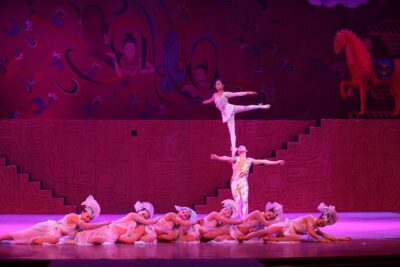
Red Theatre Beijing Acrobatic Show Tickets Official Booking
Read our review →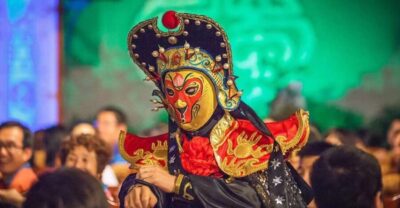
Chengdu: Sichuan Opera Shu Feng Yan Yun Evening Show Ticket
Read our review →
Beijing Golden Mask Dynasty Show with Private Transfer
Read our review →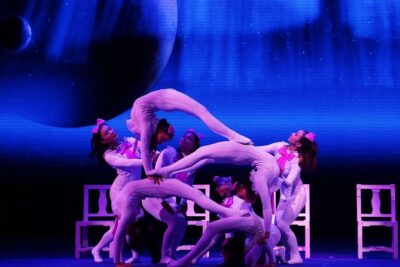
Beijing Roast Duck Banquet and Acrobatics Show with VIP Seats Evening Tour
Read our review →Browse the lists this show appears in