
Review · DANCE
Kenya: Maasai Village Visit with Traditional Dance Show
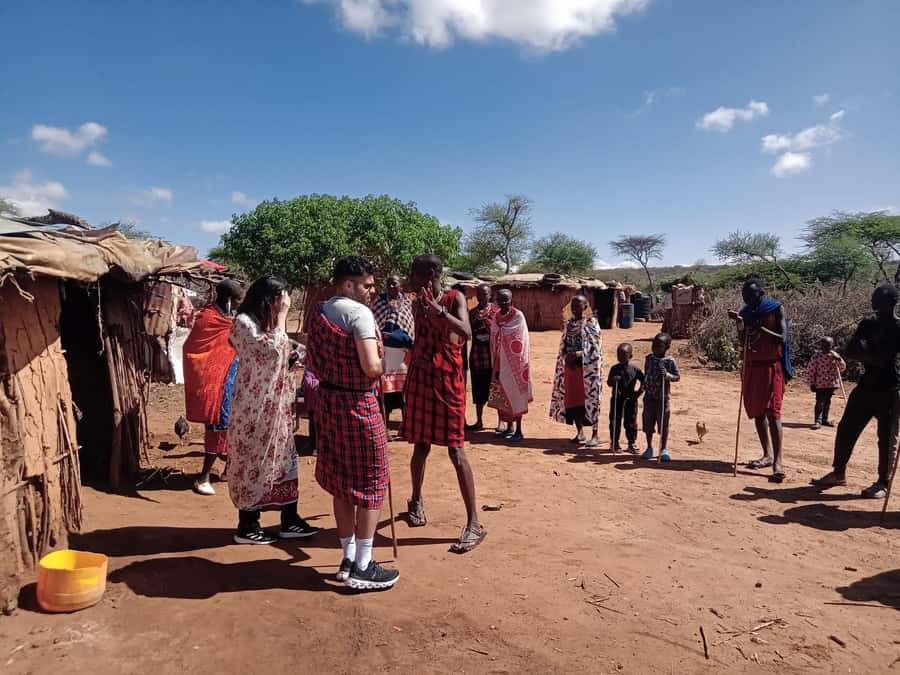
The most memorable part of this outing is the visit to a small Maasai village, where you can watch a dance, step inside the homes, see fire-making, and try activities such as spear throwing. I like that the experience gives you direct contact with local hosts rather than keeping you behind a safari vehicle window. I also like that the village contribution helps support community projects.
The main drawback is the long road transfer. Some pickups have taken about two hours each way, and vehicle quality can vary. The advertised price is also not the full cost, since the village fee is paid separately.
Key Points
- Small village setting: You may visit a modest settlement with only a few huts, which feels more personal than a large cultural center.
- Dance and daily skills: Expect singing, jumping, fire-making, house visits, and a chance to learn how a spear is thrown.
- Helpful named guides: Brian has been praised for answering questions, while Alfred may lead the village visit. Suffik handles tour coordination on some departures.
- Nairobi pickup included: Collection and return are available from areas including Karen, Kilimani, Westlands, Kileleshwa, Loresho, and Kitisuru.
- Budget carefully: The experience is listed around $50, but the separate village fee can be about $30, with prices varying from roughly $25 to $60 per person.
- Allow a full day: The village portion is about two hours, but the complete outing lasts around seven hours because of the road journey.
What This Maasai Village Visit Really Offers
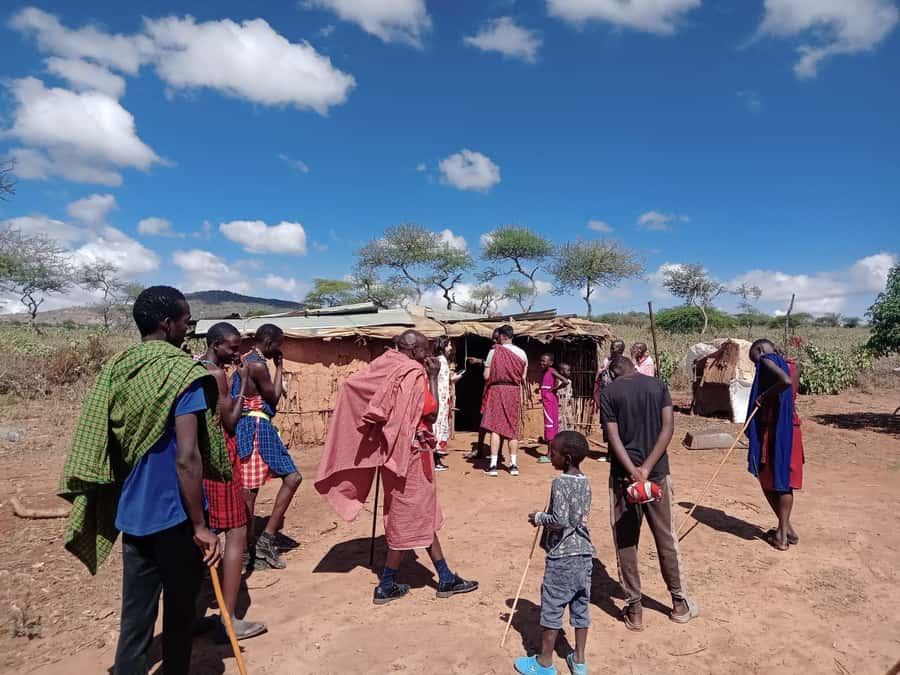
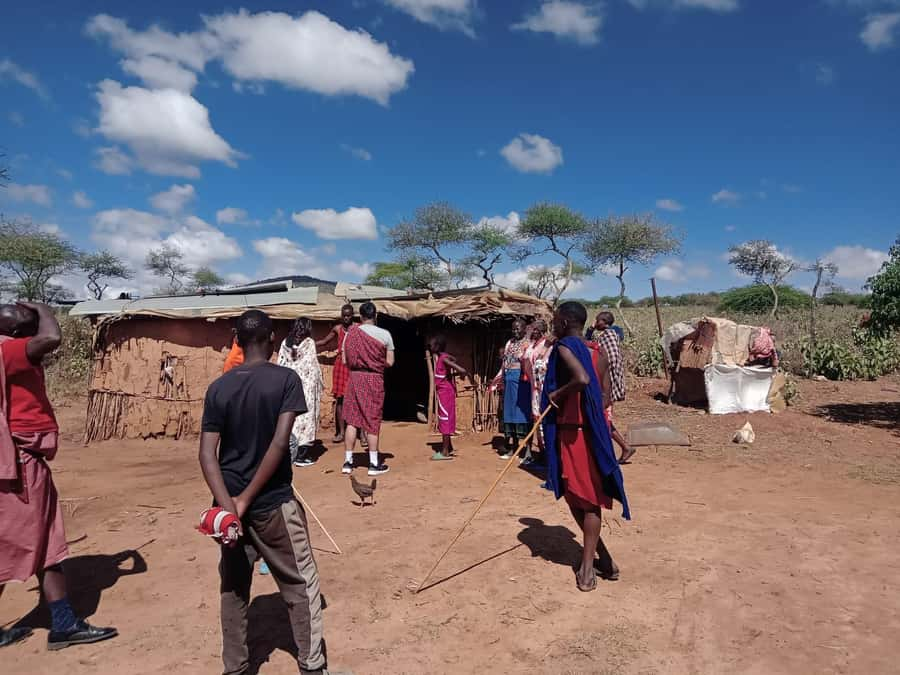
This is a cultural visit built around a direct introduction to Maasai life. You are not simply stopping for photographs beside a roadside display. You enter a village, meet local people, hear about customs, look inside the homes, and watch a dance performance.
The visit also gives you a little historical context. Maasai oral tradition places their origins north of Lake Turkana, in northwestern Kenya, near the lower Nile Valley. Their movement south began in the 15th century, and by the 17th and 18th centuries they had reached the broad region that stretches across central Tanzania and northern Kenya.
That background matters because the visit is about more than costumes and dancing. You get a short introduction to a people whose way of life has developed across a large part of East Africa. At the same time, you should keep your expectations sensible. This is a seven-hour excursion with roughly two hours at the village, not a long residential study of Maasai culture.
More Dance Shows in the world:
- Seville: Live Flamenco Dancing Show Ticket at the Theater
★ 4.7 · 16,396 reviews - Bali: Uluwatu Kecak and Fire Dance Show Entry Ticket
★ 4.2 · 5,189 reviews - Bali: Ubud Palace Legong Dance Show Ticket
★ 4.4 · 3,979 reviews
The Road From Nairobi Takes Time
Pickup is available from several Nairobi neighborhoods, including Karen, Kilimani, Westlands, Kileleshwa, Loresho, and Kitisuru. You provide your address or a nearby landmark, then receive a pickup time and meeting point.
The road transfer is included, which is useful if you do not want to arrange a separate taxi or driver. It also makes this a fairly easy add-on before or after a safari stay in Nairobi.
You should still treat the journey as part of the day. A departure at 6 a.m. has taken about two hours on local roads before reaching the village. The return can take a similar amount of time, depending on traffic and road conditions.
Vehicle standards may vary. One vehicle was described as old, dirty, and without effective air conditioning, while another outing was comfortable enough because the December weather was mild. I would ask about the vehicle and air conditioning when confirming your booking, especially during hot weather.
Bring water, sunscreen, and a hat. Keeping the windows open may help with heat, but busy roads can also mean dust and vehicle fumes. This is not a luxury transfer, so I would choose this trip for its cultural content rather than for polished transport.
Arriving at a Small Maasai Settlement
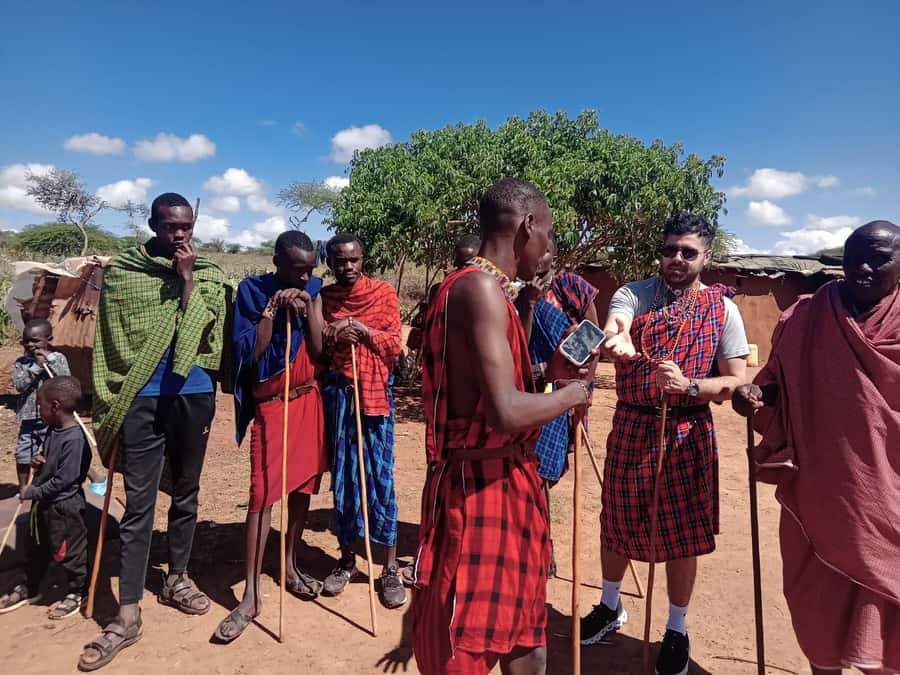
The village itself may be smaller than you expect. One visit included around three huts, about three men, and roughly five women. That scale can be a positive if you prefer a quieter meeting with fewer people around you.
A small settlement gives you time to look closely at the homes and ask questions. You are likely to see how the village is arranged, hear about daily routines, and learn about customs from a local guide or village leader.
It can also feel less like a staged attraction than a large performance venue. Still, the experience includes a set welcome, dance, and demonstrations, so it is best understood as a hosted cultural visit. You should be polite about photographs and follow the guide’s instructions around homes, people, plants, and personal belongings.
The village fee is meant to support local development. The amount is commonly listed around $30 per person, though the supplied information gives a wider range of roughly $25 to $60. Clarify the exact amount before you travel, since the headline tour price and the community charge are not always presented together.
Inside the Maasai Homes
A house tour is one of the most useful parts of the visit because it turns broad talk about Maasai life into something you can see. You are shown inside the huts and given an explanation of how they are used.
The homes are simple, and the interior may be dark and compact. Wear shoes that are easy to remove if requested, and avoid bringing bulky bags into the hut. A camera is useful outside, but ask before photographing people or interiors.
The home visit also helps explain why the village fee matters. Your payment is not simply an admission charge to a performance. It forms part of the money directed toward the community, although the precise projects are not specified in the tour details.
You may be offered handmade goods during or after the visit. Shopping is included as a possible activity, and personal purchases are not included in the price. Set a firm budget before you arrive, and feel free to look without buying if nothing suits you.
More Traditional and Cultural Shows in the world:
- Xcaret Park Entry Tickets with Cultural Night Show Included
★ 4.5 · 2,382 reviews - Xcaret Park Day Trip, transportation and Cultural Night Show
★ 4.5 · 1,899 reviews - Dubai: Tour with BBQ Dinner, Camel Ride, & Traditional Show
★ 4.8 · 1,687 reviews - From Krakow: Polish Folk Show with All-You-Can-Eat Dinner
★ 4.5 · 1,593 reviews
Dance, Singing, Fire, and Spear Throwing

The dance show is the centerpiece for many visitors. You can expect traditional singing and jumping, with local performers demonstrating movements connected to Maasai cultural practice.
The performance is brief enough to fit into a wider visit, but it gives the day energy and a clear focal point. You may also be invited to join in singing or jumping. Take part if you wish, but you do not need to perform for the experience to be worthwhile.
Some visits have included a demonstration of making fire and an introduction to spear throwing. These hands-on moments are especially useful because they give you something practical to remember, not just something to watch. Follow the local guide carefully, particularly with any activity involving a spear or open flame.
The quality of the presentation can depend on the local host and the pace of the day. Alfred has led visits as a village representative, and his role may include explaining daily life and cultural practices. Brian has also been praised for answering questions about Maasai culture and Kenya. The exact guide can vary, so you should not assume both will be present.
What You Can Learn in Two Hours

The village portion is listed at about two hours, although one visit lasted closer to an hour. That shorter schedule still included jumping, fire-making, spear throwing, photographs, and singing.
I would view the two-hour time block as a useful upper guide rather than a promise that every visit will fill the full period. The pace may depend on the group, the host, road delays, and the number of activities arranged that day.
You should arrive with a few questions ready. Good subjects include the layout of the homes, family life, ceremonies, cattle, movement between settlements, and how traditions are maintained today. The visit is more rewarding when you ask specific questions instead of waiting for a long formal lecture.
There is one practical point to keep in mind: one visitor found the local guide repeatedly leaving to answer phone calls during the explanation. That may not happen on your departure, but it shows why expectations should remain realistic. This is a local cultural encounter, not a museum program with a scripted presentation.
Price and the Real Cost of the Day
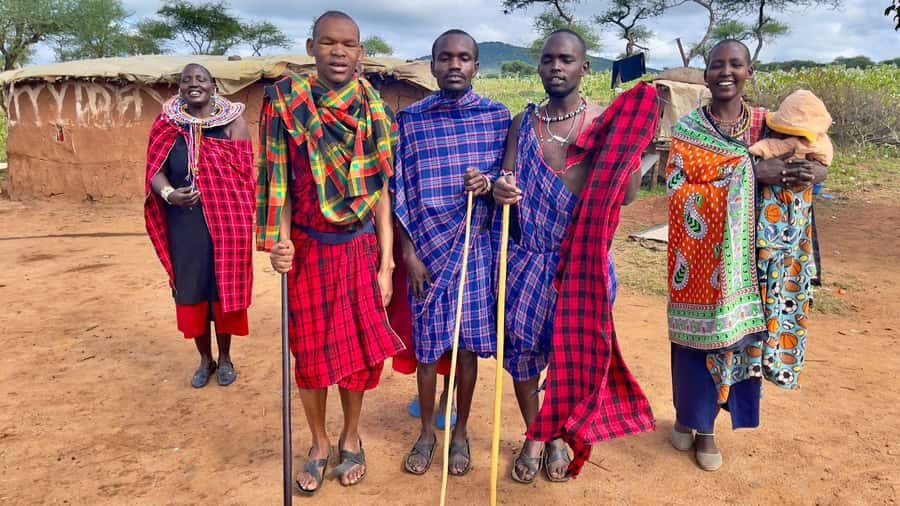
The headline price is about $50 per person, while the stated range is approximately $25 to $60. Return road transport, traditional dances, the house tour, and drinking water are included.
The village entry or community contribution is separate, listed at about $30. Meals, drinks beyond the supplied water, shopping, tips, and other personal expenses are also extra.
That makes the true cost higher than the first price you may see. Even so, the value can be reasonable if you want a full-day outing from Nairobi and would otherwise need to pay for a private driver, local guide, and cultural visit separately.
I would compare the final total, not just the advertised rate. Ask these questions before booking:
- Is the village fee exactly $30 on your date?
- Is the price per person or based on a private vehicle?
- How many people will share the transfer?
- Is lunch available, or should you bring food?
- Which guide will meet you at the village?
The community contribution is an important part of the cost, and I consider it a useful feature rather than a nuisance. You should simply know about it in advance.
Guide Quality Can Shape the Experience
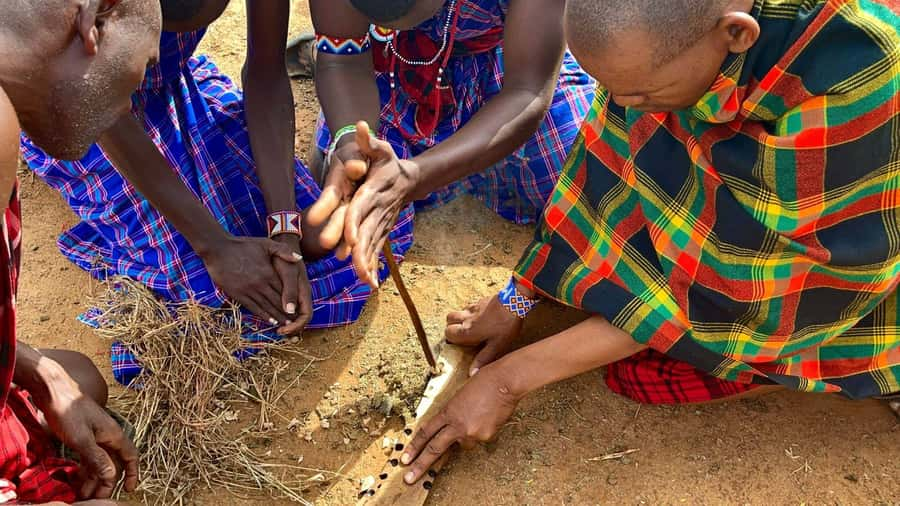
The strongest guide reports are connected to personal attention. Brian has been praised for answering questions clearly, helping with the day, and making the journey enjoyable. Alfred has welcomed visitors as a village leader and explained daily practices and customs. Suffik has handled coordination, including a last-minute booking.
These names are worth noting when you communicate with the operator, but guide assignments can change. Ask who will collect you in Nairobi and who will lead the village visit.
The driver can also affect your impression of the trip. One driver stopped at a cafe on the way back and provided chai, which added a friendly local touch. Another departure involved an unnecessary stop while the driver bought plants, along with concerns about coughing and vehicle cleanliness.
I would confirm the pickup details the day before and carry the operator’s contact information. A clear landmark is better than a vague street address in Nairobi. Since the day is long, a courteous and safe driver matters almost as much as the village program.
Timing, Comfort, and What to Pack
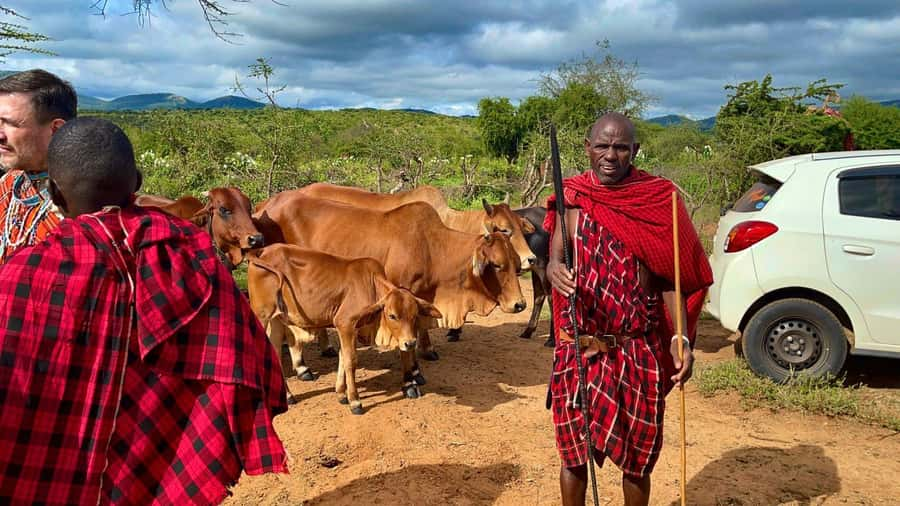
Wear comfortable walking shoes. You may walk around the settlement and stand outside during the performance, so sandals that slip easily or formal shoes are poor choices.
A sun hat, sunscreen, camera, water, and hand sanitizer or tissues are recommended. I would also bring a light snack because meals are not included. Drinking water is provided, but carrying a little extra is sensible on a long road day.
Smoking, alcohol, and drugs are not allowed. Do not touch plants, and follow local instructions around homes, animals, tools, and ceremonial activities.
The outing is not suitable for children under five, pregnant women, or people with mobility impairments. The details also describe the activity as wheelchair accessible while separately listing wheelchair users as unsuitable. That is a clear inconsistency, so anyone using a wheelchair should confirm the vehicle, road surface, hut access, and walking requirements directly before paying.
Who Will Like This Experience Most
I would recommend this outing to you if you want a simple introduction to Maasai customs and do not mind spending much of the day on the road. It suits visitors staying in Nairobi who want something more personal than a city tour and less demanding than a full safari day.
It is also a good match if you enjoy meeting local hosts, asking questions, taking photographs, and trying short demonstrations. The small village setting may suit you better than a large commercial cultural center.
You may want a different option if you expect a large-scale production, air-conditioned transport, a long academic talk, or a guaranteed two-hour program. You should also think twice if long road transfers are tiring or if you need carefully controlled accessibility.
The experience is family-friendly for older children, but children under five are excluded. Pregnant participants and people with mobility limitations should choose an activity with more certain access arrangements.
Booking Advice for a Better Day
Book with enough time to confirm the exact village fee and pickup arrangement. Although last-minute booking has been possible, arranging it the night before leaves less room to ask about the car, guide, food, and start time.
Choose an early departure if you want to reduce the chance of heavy Nairobi traffic, but remember that an early pickup can mean a long day. Ask if the visit will be private or shared, since the available information does not guarantee a set group size.
Keep some cash available for the community contribution, shopping, tips, or a drink along the way. Do not assume the $50 figure covers every expense.
Most important, approach the village as a place where people live, not as a photo set. Ask before taking close-up pictures, listen when the local host is speaking, and buy only what you genuinely want. That makes the exchange more respectful and usually leads to a better conversation.
Should You Book This Maasai Village Visit?
Book it if you want a modest, direct introduction to Maasai life with dancing, home visits, and a few hands-on activities. The separate community fee adds to the cost, but it also gives the visit a clear local benefit.
Skip it if you need reliable air conditioning, a high-end vehicle, a fixed two-hour village program, or fully confirmed wheelchair access. For everyone else, this can be a worthwhile Nairobi day trip, provided you accept the long drive and confirm the final price before departure.
FAQ
How long does the Maasai village visit take?
The complete experience lasts about seven hours, including hotel pickup, the road transfer, the village visit, and the return journey. The village portion is listed at about two hours.
Is transportation from Nairobi included?
Yes. Return road transfers are included, with pickup and drop-off available in areas such as Karen, Kilimani, Westlands, Kileleshwa, Loresho, and Kitisuru.
Is the village entry fee included in the tour price?
No. A separate village or community contribution fee is required. The stated amount is around $30 per person, although the total can vary from about $25 to $60 depending on the booking.
What activities take place at the village?
You can watch traditional dancing, visit the Maasai homes, learn about local customs, and possibly take part in singing, jumping, fire-making, and spear-throwing demonstrations.
What should I bring?
Bring comfortable shoes, a sun hat, sunscreen, water, a camera, and hand sanitizer or tissues. Meals and drinks beyond the supplied drinking water are not included.
Can wheelchair users join the experience?
The information is inconsistent. The activity is described as wheelchair accessible but also says it is not suitable for wheelchair users or people with mobility impairments. Contact the operator before booking to confirm access for your specific needs.
Just added around the world
- Hanoi city tour with water puppet show- small group tour★ 5.0 · 10 reviews
- Hanoi Street Food Walking Tour and Water Puppet Show★ 4.0 · 5 reviews
- Hanoi Cyclo Ride and Water Puppet Show★ 3.5 · 3 reviews
- Private: Hanoi Street Food tour with Water Puppet Show and Cyclo★ 5.0 · 8 reviews
- Thang Long Water Puppet Show Tickets★ 4.5 · 7 reviews
- Deluxe Group Hanoi Sightseeing Including Puppet Show★ 4.5 · 2 reviews
- Hanoi Private Trip: Explore local culture, monument, cooking class & puppet show★ 4.5 · 3 reviews
- Songcheng Park & Lengend of Song Dynasty Show Ticket★ 4.5 · 3 reviews
Dance Shows, compared.
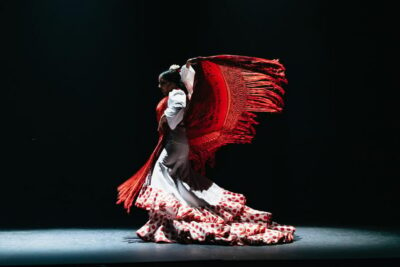
Live Flamenco Dancing Show Ticket at the Theater
Read our review →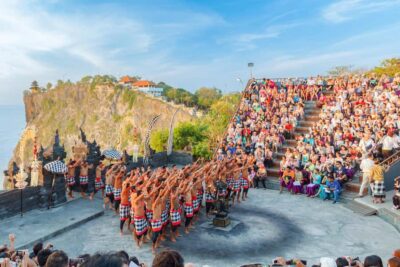
Uluwatu Kecak and Fire Dance Show Entry Ticket
Read our review →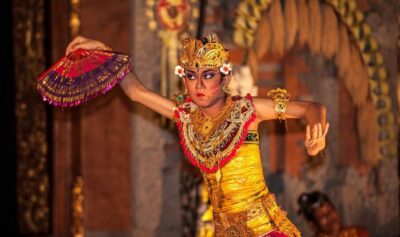
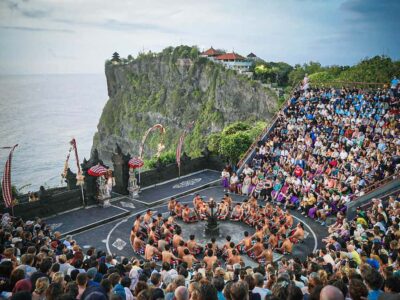
Kecak Fire Dance Show & Uluwatu Temple Entry Ticket
Read our review →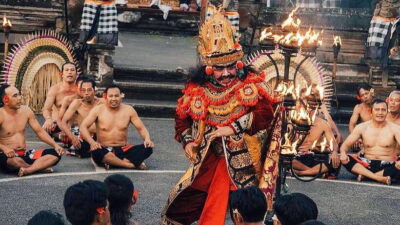

Dinner Cruise with Live Music and Folk Dance Show
Read our review →
Standard Desert Safari, camel ride, BBQ Dinner, Belly Dance Show, Pick & Drop
Read our review →Browse the lists this show appears in