
Review · ISTANBUL
Istanbul: Hodjapasha Rhythm of The Dance Show
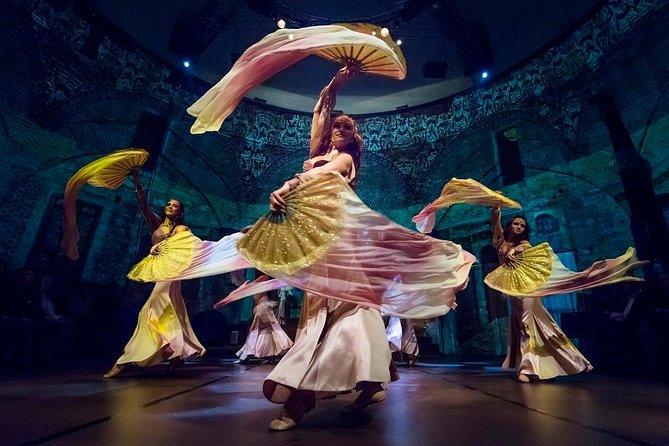
Istanbul’s Hodjapasha Rhythm of the Dance puts a full evening of Turkish folklore inside a former 15th-century hammam. Dancers move through regional traditions from Anatolia and beyond, backed by live music, strong drumming, bright costumes, lighting, and video projections.
I like the unusual venue, where the old Ottoman bath gives the show a sense of place rather than putting you in an ordinary theater. I also like the fast-changing program, which mixes group dances, solo performances, modern choreography, and an impressive belly dance number.
The main consideration is that this is a staged cultural performance, not a quiet lesson in folk traditions. If you want detailed explanations of each dance, you may find the 65-minute show moves too quickly. Seats are assigned by booking order, and the center is not suitable for wheelchair users.
Key points before you book
- A 550-year-old Ottoman setting: The restored Hodjapasha Hamam is part of the experience, with original architecture and a Dervish exhibition in the foyer.
- A fast, varied program: Expect folk dances from different parts of Türkiye, live music, solo numbers, group choreography, and modern touches.
- High-energy performers: The dancers are professional, athletic, and often interact with the audience during the livelier moments.
- Assigned seating: Places are allocated in first-booked, first-served order, so booking earlier can help you secure a better position.
- A compact evening plan: The show lasts 65 minutes, making it easy to fit into your first night or alongside dinner and sightseeing.
- Simple inclusions: Admission, a program booklet, and bottled water are included. There is no pickup service, and the venue does not have a bar.
Entering the old Hodjapasha Hamam
The first part of the experience is the building itself. Hodjapasha Culture Center occupies a restored Ottoman bath dating from the 15th century, and the old stonework and enclosed layout give the performance a more intimate feel than a large modern auditorium.
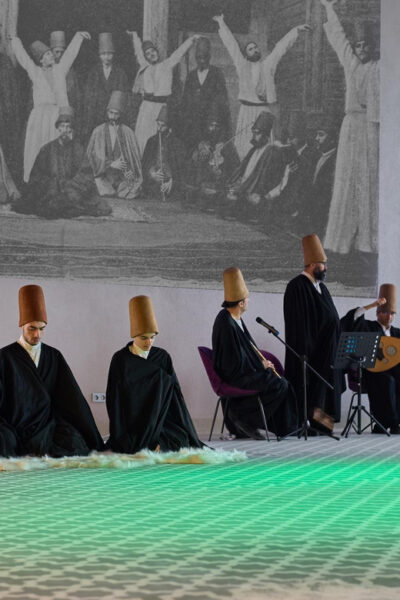
I would arrive with enough time to look around the foyer. A Dervish exhibition is presented there, adding a little context before the show begins. You do not need to plan a separate museum visit to see it, but it is worth allowing a few minutes rather than rushing straight to your seat.
The location is in Istanbul’s Marmara Region, at the Hodjapasha Culture Center. The address can be easy to miss because the center is reached through narrow lanes and alleys. If you do not know the area, give yourself extra time to find the entrance. This is one of the few practical weak points of the evening, since the performance itself is straightforward once you reach the building.
There is no hotel pickup. You make your own way to the center, so this works best for people already spending time in central Istanbul and comfortable navigating on foot or by local transport.
More Dance Shows in Istanbul
- Istanbul Hodjapasha Rhythm of The Dance Show
★ 4.5 · 300 reviews - Istanbul Bosphorus Cruise with Dinner and Belly-Dancing Show
★ 3.5 · 96 reviews - Turkish Dance Show at Hodjapasha Cultural Centre in Istanbul
★ 4.7 · 56 reviews
A 65-minute journey through Turkish dance
The program is built as a sequence of dances rather than a single story. You see traditional forms from different regions of Anatolia, presented by a large professional cast and linked with modern staging.
That variety is the show’s biggest strength. One section may use tightly coordinated group movement, while the next shifts into a solo or a smaller ensemble. The change in pace keeps the 65 minutes moving and prevents the performance from feeling like one long repeated routine.
You can expect:
- Regional Turkish folk dances
- Traditional music played live
- Colorful costumes
- Modern choreography
- Solo dance sections
- Belly dance
- Dervish-inspired movement
- Lighting and video projections
- Audience interaction and occasional comic touches
The show also reflects Türkiye’s position between several cultural worlds. Its musical and choreographic influences can reach toward Anatolian, Balkan, Arab, and Levant traditions. That does not turn the performance into a formal history lecture, but it gives you a broad sense of the country’s cultural mix.
I especially like this format for a first visit to Istanbul. In one sitting, you get a quick introduction to several dance styles instead of seeing only one tradition. The trade-off is that the program cannot explain every regional detail. You are seeing a colorful overview, not attending a specialist folklore seminar.
Costumes, drumming, and the modern stage
The costumes do much of the storytelling. Color, fabric, movement, and group patterns help distinguish one dance from the next, even when you do not know the name or origin of a particular tradition.
The drumming is another major part of the show. A featured drummer adds force to the performance, and the percussion can push a group number from formal choreography into something more playful and direct. Some acts include interaction with the audience, which gives the evening a little more warmth than a performance where the dancers remain completely separate from the room.
Lighting and projected video are used most strongly during the solo performances. This is where the show shifts away from strictly traditional presentation and adopts a more theatrical style. The result will appeal to you if you enjoy dance with a strong visual element. If you prefer an unaltered village performance, the modern effects may feel like decoration rather than cultural explanation.
A Dervish-style solo is part of the program, though this is not the same experience as a full sema ceremony. The movement is presented within a lively dance production, alongside folk numbers and modern choreography. If you want a slow, meditative ceremony, look for a dedicated Whirling Dervish performance instead. If you want a quick, dramatic sample within a varied evening, this show gives you that.
Why the small venue changes the evening
The old bath creates a closer relationship between the audience and performers. You are not watching a distant stage in a huge hall. The compact setting lets the costumes, drum work, facial expressions, and rapid footwork carry more weight.
The performance is energetic from the start and generally keeps moving without long pauses. One audience member noted that the dancers leave quickly at the end, so do not expect a long onstage farewell or an extended chance to greet the cast. The brisk ending fits the pace of the show, but it can feel abrupt if you hoped for a closing presentation.
The venue also affects your view. Seats are allocated in first-booked, first-served order, and many bookings report good sightlines throughout the room. I would still book early if seating position matters to you, especially for a popular evening. You cannot choose a seat at the door, and the system is designed to assign places rather than create a rush for the best spots.
The center is not suitable for wheelchair users. That is an important limitation, not a minor footnote, because the historic bath setting may involve access restrictions that a modern theater would not.
More Dance Shows in Turkey
- Istanbul: Experience Belly Dance Show
★ 4.2 · 9 reviews - Fire of Anatolia Dance Show at Ancient Aspendos Theater
★ 4.8 · 198 reviews - Avanos: Turkish Music and Dance Show with Dinner & Drinks
★ 4.4 · 24 reviews - Fire of Anatolia Legendary Dance Show Ticket
★ 5.0 · 20 reviews
Is $32 good value?
At $32 per person, the show is priced like a moderate evening attraction rather than a full theater production. I think the value is strongest when you count the setting, the live music, the professional cast, the costumes, and the convenience of seeing several traditions in one hour.
The price includes admission, a program booklet, and bottled drinking water. It does not include transport, hotel pickup, food, or drinks beyond the water. There is no bar at the center, so plan dinner or a drink elsewhere.
A 65-minute performance is a useful length. It is long enough to feel like a proper evening activity but short enough to fit around dinner, a Bosphorus plan, or a day of sightseeing. Some people may wish it lasted longer, especially if they enjoy the dance and music. I see the compact running time as an advantage for a first night, when jet lag and a crowded sightseeing schedule can make a three-hour show feel like work.
The value also depends on what kind of cultural experience you want. If you are looking for a polished, accessible introduction to Turkish dance, $32 is reasonable. If you want a small village ensemble, detailed narration, or a traditional ceremony without theatrical effects, this is not the right comparison.
The best time to fit it into your Istanbul plans
I would consider booking this for your first full day or first evening in the city. The show is lively enough to wake you up after a long journey, yet short enough not to consume the night. One useful plan is to spend the afternoon around Istanbul’s historic center, have dinner nearby, then walk to the center with time to spare.
It also works well near the end of a sightseeing day. The performance gives you a clear change of pace after mosques, museums, bazaars, and ferry rides. Rather than asking you to concentrate on another historical explanation, it lets music and movement carry the evening.
You may also want to pair it with the venue’s separate sema ceremony on another night. The two performances offer very different moods. The Rhythm of the Dance is bright, fast, and varied. A Whirling Dervish ceremony is slower and more contemplative. Seeing both can help you understand that Turkish dance culture includes both public celebration and spiritual practice.
Do not schedule the show so tightly that you arrive at the last minute. The venue can be difficult to locate through the surrounding lanes, and the assigned seating system means you will want time to enter calmly rather than arrive while the doors are closing.
Who will enjoy this show most
I would recommend it to you if you want:
- A short and lively cultural activity
- A broad introduction to Turkish regional dance
- Professional performers and polished choreography
- Live drumming and music
- Colorful costumes and theatrical lighting
- A historic venue with character
- An evening activity suitable for a mixed-age group
- A performance that does not require Turkish language skills
It is particularly useful for families, first-time visitors, and anyone who wants a cultural experience without committing to a full evening of theater. The variety also helps if different people in your group have different tastes. One person may enjoy the costumes, another the percussion, and another the belly dance or solo work.
I would be more cautious about booking it if you want extensive cultural explanation. There is a program booklet, but the core experience is visual and musical. You will learn through the styles, costumes, and sounds rather than through a detailed spoken introduction.
The show can also feel theatrical rather than strictly traditional. Modern choreography, lighting, projections, and stage effects are part of the design. That is a plus for many people, but it is worth knowing before you book.
Practical details that make a difference
The official duration is 65 minutes, though some schedules and descriptions may refer to the show as roughly 70 minutes. Either way, plan for about an hour of performance time, not a full-night dinner show.
The meeting point is the Hodjapasha Culture Center. There is no pickup service, so you need to organize your own route. Because the entrance is in a maze of smaller lanes, I would use a map and start looking for the center earlier than you think necessary.
Seats are allocated according to booking order. I would not wait until the last minute if you care about your position in the room. The small audience layout generally helps with visibility, but early booking gives you the best chance of receiving a preferred allocation.
Bottled water is included. Food and other drinks are not, and there is no bar, so eat before or after the performance. A program booklet is also included, which can help you follow the evening’s different sections.
You can cancel for a full refund up to 24 hours before the activity, and the reserve-now, pay-later option can help if your Istanbul schedule is still changing. Those terms make it easier to place the show into a flexible itinerary rather than locking down every detail far ahead.
Should you book Hodjapasha Rhythm of the Dance?
I would book it if you want an energetic, visually polished introduction to Turkish dance in an atmospheric historic building. The combination of regional variety, live drumming, strong costumes, and modern lighting gives you plenty to watch during its compact running time.
The show is also a good value for a first or second evening in Istanbul. You get a complete cultural activity for $32, without needing a long transfer or a three-hour commitment.
Skip it if your main goal is a quiet spiritual ceremony, a detailed lecture, or an unedited traditional performance. For everyone else, especially those who enjoy music, costumes, and fast-moving stage work, this is an easy cultural addition to an Istanbul itinerary. Book early if seat position matters, allow time to find the old bath, and plan dinner separately.
FAQ
How long is the Hodjapasha Rhythm of the Dance show?
The performance lasts 65 minutes. Some descriptions refer to it as approximately 70 minutes, so allow about an hour for the show itself.
Where does the performance take place?
It takes place at the Hodjapasha Culture Center, inside a restored 550-year-old Ottoman Turkish bath known as the Hodjapasha Hamam.
What is included in the ticket?
Admission to the performance, a program booklet, and bottled drinking water are included.
Is hotel pickup provided?
No. Pickup service is not included. You need to make your own way to the Hodjapasha Culture Center.
Are seats assigned?
Yes. Seats are allocated on a first-booked, first-served basis. Booking earlier may help if you want a better seat allocation.
Is the venue wheelchair accessible?
The experience is not suitable for wheelchair users.
Can I cancel my booking?
Yes. You can cancel up to 24 hours in advance for a full refund. A reserve-now, pay-later option is also available.
Just added around Istanbul
- Istanbul: Belly Dancing, Show, & Dinner at Sultana’s Ticket★ 3.8 · 71 reviews
- Istanbul: Legends Show – Live Storytelling by Hagia Sophia★ 4.5 · 9 reviews
- Istanbul: Whirling Dervish Show★ 5.0 · 2 reviews
- Istanbul: Dinner Cruise & Dance Shows with Private Table★ 4.9 · 15 reviews
- Istanbul: Magic of Bosphorus, Full Meal & Turkish Night Show★ 4.5 · 204 reviews
- Istanbul: Whirling Dervish Ceremony★ 5.0 · 3 reviews
- Istanbul: Bosphorus Tour With Whirling Dervish Show★ 3.7 · 31 reviews
- Istanbul City Sightseeing Tour & Turkish Dinner & Show★ 3.4 · 16 reviews
Istanbul Shows, compared.
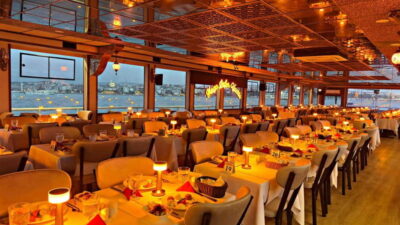
Bosphorus Dinner Cruise & Show with Private Table
Read our review →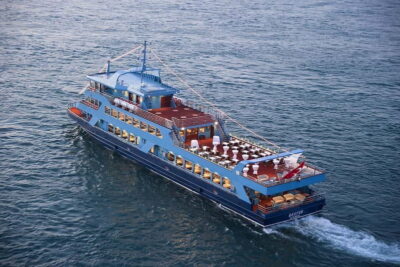
Bosphorus Dinner Cruise & Turkish Night Show
Read our review →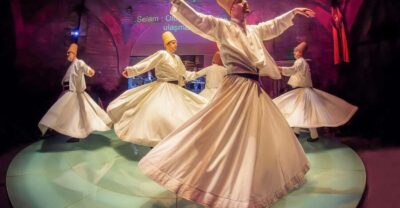
Hodjapasha Whirling Dervishes Show & Exhibition
Read our review →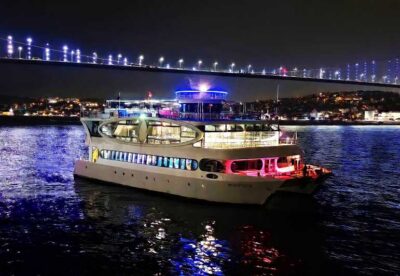
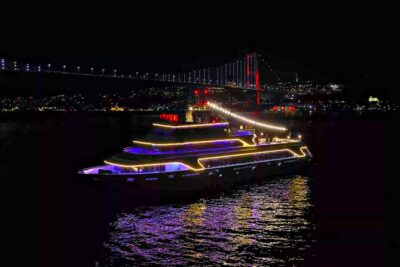
Bosphorus Dinner Cruise with Show and Private Table
Read our review →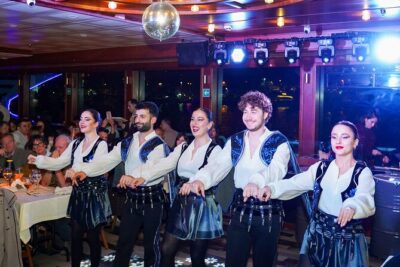
Bosphorus Dinner Cruise with Turkish Night Show
Read our review →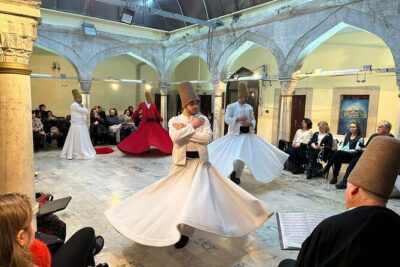
Browse the lists this show appears in