
Review · NEW YORK CITY
New York City: Museum of Broadway Entry Ticket
The Museum of Broadway turns New York theater history into a walk-through show of its own. You move through Broadway’s growth, landmark productions, social changes, costumes, props, and the many unseen jobs that bring a musical to the stage. The three-floor layout gives the visit a clear sense of progress rather than a jumble of theater memorabilia.
I like the hands-on displays and video presentations, which help younger visitors and casual theater fans connect with the material. I also like the backstage section, because it shows that a Broadway production depends on far more than actors and singers. The main drawback is time: an hour feels rushed, and much of the visit takes place on your feet, with three flights of stairs.
Key points
- Three floors of Broadway history: Follow the theater district from its early days through present-day productions.
- Costumes and props: See stage-used items and objects connected with well-known shows.
- Backstage insight: Learn about the less visible jobs required to create a musical.
- Social change on stage: See how Broadway pushed creative limits and challenged social norms.
- Interactive presentation: Videos, themed rooms, hands-on areas, and photo spots keep the museum active.
- Allow about two hours: The displays reward a slower pace, especially if you read the details.
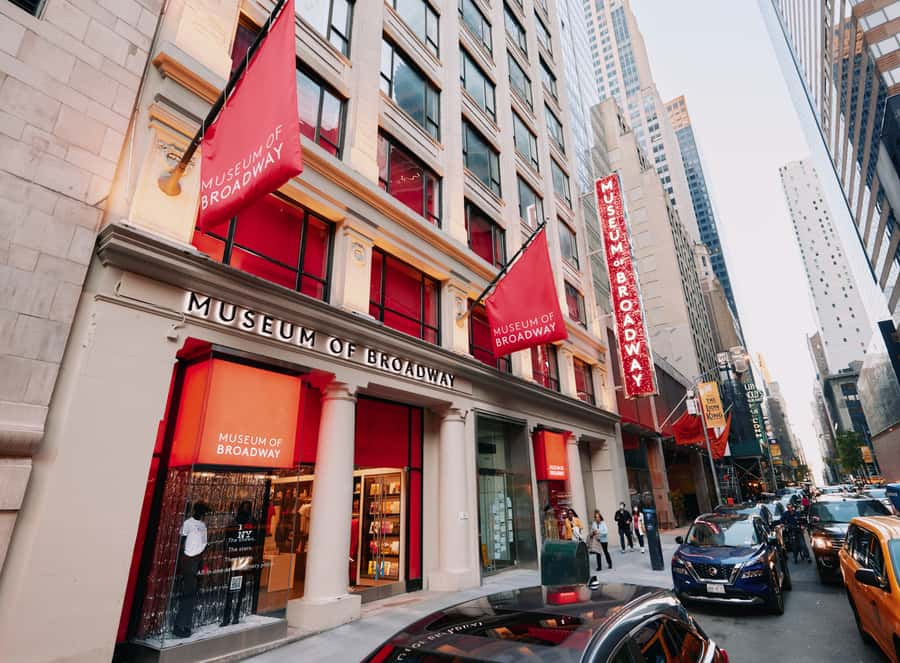
The Museum of Broadway sits in the heart of Times Square, putting you close to the theater district before you even enter. It is not a traditional museum of framed posters and glass cases. Instead, it uses rooms, videos, props, costumes, and interactive displays to tell the story of how Broadway developed.
At $41 per person, this is not a throwaway stop between attractions. The price makes more sense if you plan to spend close to two hours inside and take time with the displays. If you only have an hour, you can still see the main areas, but you may leave feeling that you hurried through material that deserves more attention.
Start With Broadway’s Long Story
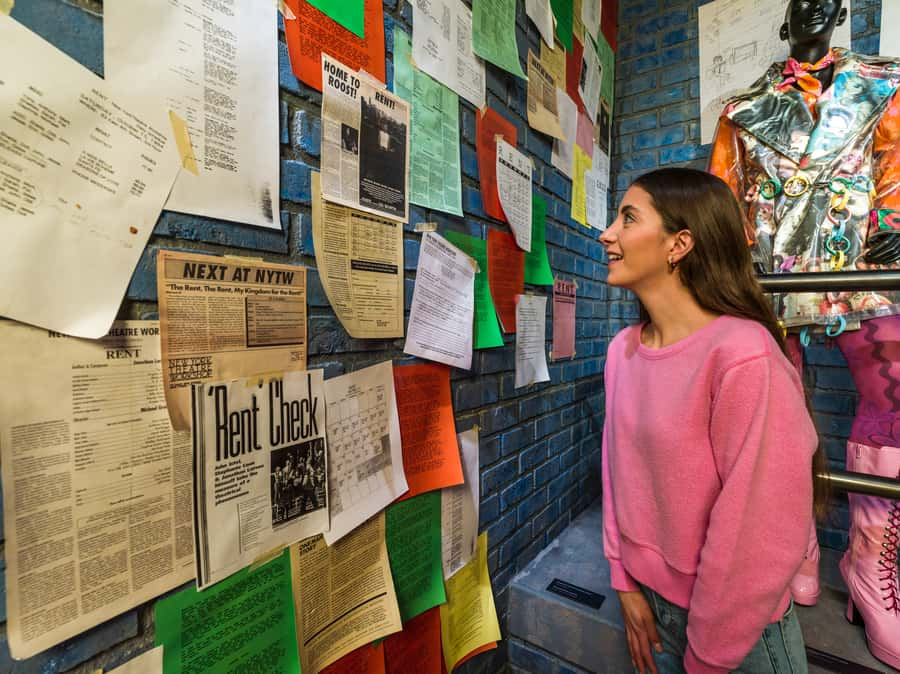
The visit takes you through Broadway from its birth to the present day. The exact appeal depends on how much theater you already know, but the museum does not limit itself to a list of famous shows. It also looks at the people, creative decisions, technical work, and social changes that shaped Broadway.
I like this wider view. A musical is easy to judge by its songs, stars, or costumes, but the museum points to the larger system behind the curtain. You get a better idea of how productions develop and why certain moments mattered to the theater world.
Video presentations help set the scene. They show the history of Broadway’s theaters and add movement to a subject that could otherwise feel static. This is useful if you do not know much about New York theater, since the visual material gives you context before you reach the more specific exhibits.
The presentation also gives longtime theater fans a reason to slow down. You may recognize a production or performer, then notice a lesser-known detail about the people and work that made the show possible.
More West End Shows in New York City
- NYC: Aladdin the Musical on Broadway
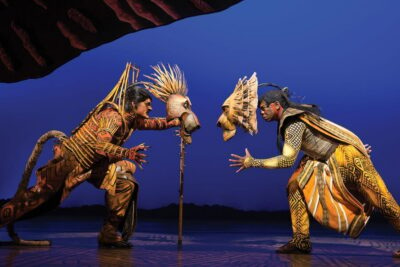
★ 4.8 · 1,800 reviews - NYC: The Lion King on Broadway
1,609 reviews - NYC: MJ the Musical on Broadway
1,510 reviews
Three Floors With Different Moods
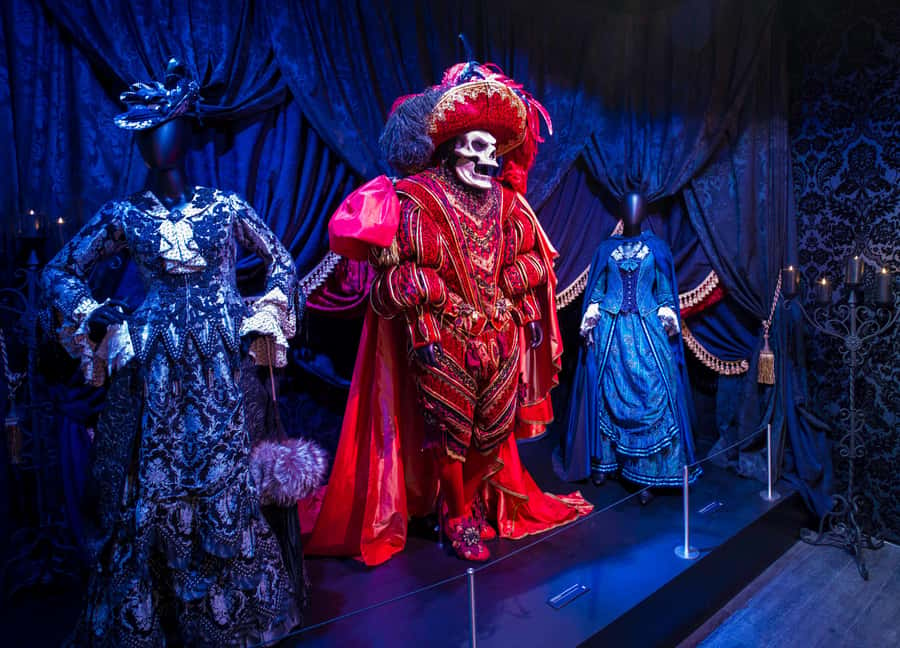
The museum occupies three floors, and that structure helps break the visit into manageable chapters. You are not simply walking past the same type of display again and again. The rooms use different themes and formats, giving the visit some variety.
One area focuses on Broadway’s timeline. Here, the important idea is development: how the theater district changed, how productions grew in scale, and how creative choices moved the form forward. The displays connect individual shows to the larger story rather than treating each title as an isolated success.
Other rooms focus more directly on productions, with costumes and props from a range of Broadway shows. These objects give you something concrete to study. A costume can show a character’s style and period, while a prop can reveal how much meaning a production places in a single object.
The museum also includes themed rooms and photo spots. Those areas add a lighter note, particularly for families and groups who want a few pictures along with the history. They are not the whole point of the visit, but they keep the experience from feeling like a long reading assignment.
Allow yourself time to pause. The museum is designed so you can examine details, and rushing from floor to floor cuts away much of its value.
See What Happens Behind the Curtain
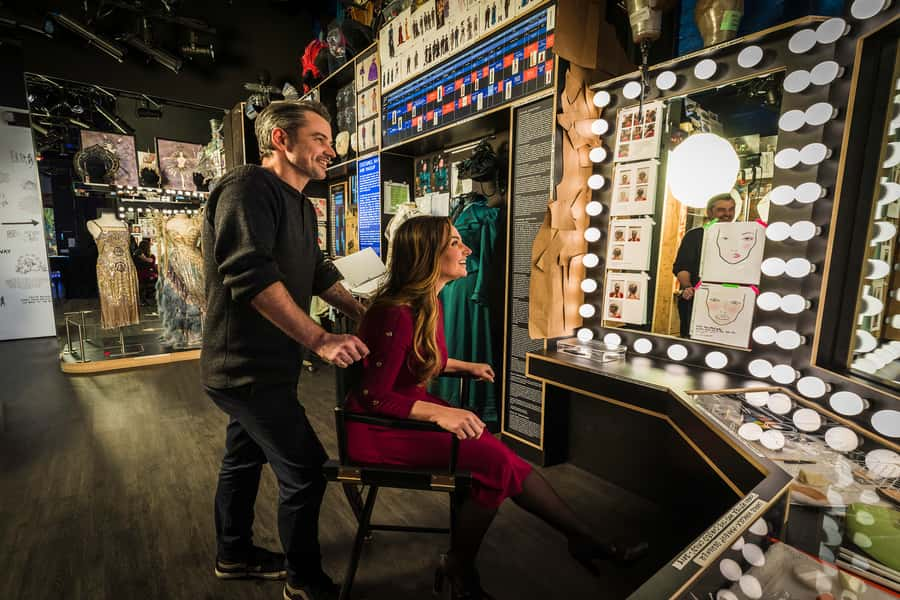
The backstage section is one of the most useful parts of the visit. It explains what it takes to create a Broadway show and introduces the range of jobs involved.
You learn that the final performance depends on many people the audience may never see. The museum presents the production process as a team effort, not just a star vehicle. That makes this section especially worthwhile for visitors who enjoy theater but have never thought much about stage management, design, technical work, or production planning.
I find this kind of information valuable because it changes how you watch a show afterward. A scene that appears simple on stage can require careful work from several departments. Seeing that process laid out helps you appreciate the labor behind the polished performance.
The museum does not require you to attend a Broadway show to enjoy this section. It works as a stand-alone look at production, though the connection will be even stronger if you already have a favorite musical or play in mind.
Broadway’s Social and Creative Changes
Broadway’s story is also a story of changing social ideas. The museum highlights moments that pushed creative boundaries, challenged accepted norms, and opened doors for those who followed.
This part gives the visit more substance than a display of famous costumes. You are asked to consider how theater reflects its time and how productions can also question the world around them. The focus on socially progressive moments helps explain why Broadway matters beyond entertainment.
The material is presented as part of the larger timeline, so you can see change as an ongoing process rather than a single turning point. This is one reason I would not skip the historical displays in favor of the more photogenic rooms. The pictures may be fun, but the context gives them meaning.
For visitors new to Broadway, this section provides a useful introduction. For theater fans, it offers a chance to connect familiar productions with the larger cultural shifts they helped represent.
More West End Shows in the USA
- NYC: Moulin Rouge! the Musical on Broadway
1,329 reviews - NYC: Harry Potter and the Cursed Child on Broadway
700 reviews - NYC: Chicago the Musical on Broadway
687 reviews - Broadway and Times Square Insider Tour with Theater Professional
★ 5.0 · 651 reviews
Costumes, Props, and Real Stage Details
The collection of costumes and props is likely to be a major draw for theater fans. Seeing an object associated with a production is different from seeing it in a photograph. You can study its materials, scale, wear, and practical design in a way a performance does not allow.
The displays include items from past and current Broadway shows, along with objects tied to a wide range of productions. That variety keeps the collection from focusing on only one style of musical or one period of theater.
I would give these displays more time than you might expect. It is easy to glance at a costume, take a picture, and move on. Instead, look at how it supports the character and the world of the show. The same applies to props: their value is not only in recognizing the title, but in understanding their role in the production.
Staff may also be able to offer extra background on individual items. The museum’s staff receives strong praise for being friendly and willing to explain details, so do not be shy about asking a question.
A Museum That Works for More Than Theater Experts
You do not need to be a Broadway expert to enjoy the museum. The videos and timeline make the subject approachable, while the costumes, props, and interactive areas provide immediate visual interest.
Families can use the hands-on sections and photo spots as an easy way into the topic. Teenagers may respond better to the production process and themed rooms than to long historical text. Adults with a strong interest in musical theater will probably want to read more closely and spend longer with the stage-used objects.
The museum can also fill a useful gap in a Times Square day. If the weather is poor, you need an indoor activity, or your show does not begin until later, this gives you a structured visit close to the theaters. It is more focused than a general attraction, so you should choose it because Broadway interests you, not simply because it is nearby.
How Long Should You Plan?
Plan for about two hours if you want to read, watch the videos, take pictures, and examine the costumes and props. A shorter visit is possible, but one hour can feel hurried.
The amount of time you need depends on your pace. A casual visitor may move through the museum faster, while a theater fan could spend longer at nearly every display. The ticket is valid for a one-day visit, with starting times based on availability, so check the time options before booking.
Because much of the museum requires standing and walking between floors, build in a slower pace if you need regular breaks. One practical point is easy to overlook: the visit includes three flights of stairs, according to the activity information. That matters for anyone with physical challenges.
Strollers cannot go beyond the lobby and merchandise store. You will need to check them before entering the exhibit areas. Service animals are permitted as authorized by applicable law.
Times Square Location and Arrival
The central Times Square location is convenient for a theater-focused day. You can combine the museum with a Broadway performance, though you should leave enough time between activities rather than trying to rush from one to the other.
There is no guided tour meeting point to find. Present your voucher at the Museum of Broadway. The activity information does not provide a transportation service, so plan to make your own way to the museum.
The surrounding area can be crowded, and the museum itself may feel tight in some sections at busy times. That does not ruin the visit, but it can make it harder to stop exactly where you want. If you care about reading every panel or taking your time with photos, choose a time that gives you room to move at your own pace.
Staff, Lockers, and Small Practical Touches
The staff is one of the museum’s strongest practical advantages. They are described as welcoming and engaged, and staff members may share extra stories about exhibits. That personal contact adds warmth to a museum built around technology and staged rooms.
Lockers are available, which helps when you are carrying shopping bags or day luggage. The museum also includes a merchandise store in the lobby area. It offers Museum of Broadway items and Broadway show merchandise, so leave a little time if you enjoy theater souvenirs.
Photography is part of the appeal in the designated photo areas, but the main value is still the content. I would treat the photo spots as an extra rather than the reason to pay the admission price.
Crowding is the main issue to watch. Some parts may become busy, especially around interactive displays. If you are traveling with a group, agree to meet at a clear point or move at a comfortable pace rather than trying to keep everyone together in every room.
Who Gets the Most From the $41 Admission?
The ticket is easiest to justify for people who already care about Broadway, musical theater, costumes, or stage production. A theater fan could easily spend two hours here and still want to examine more details.
It also suits families with older children who can appreciate interactive displays and themed rooms. Children aged 12 and under must be accompanied by an adult aged 18 or older, so plan your group accordingly.
The value is less certain for someone who wants only a quick Times Square photo stop. At $41, you should expect to stay long enough to use the museum properly. If you have only an hour, you can visit, but the price will feel higher per minute and the experience may feel rushed.
I would also think carefully if stairs or long periods of standing are difficult for you. The museum has lockers and staff support, but the three-floor layout remains an important consideration.
Should You Book the Museum of Broadway?
Book it if you want more than a souvenir shop view of Broadway. The museum gives you a clear timeline, stage-used costumes and props, videos, social context, and a practical look at the many jobs behind a musical.
I especially recommend it before a Broadway show if you have time for a two-hour visit. It can sharpen your appreciation of the production you see later, even if that particular show is not featured in the museum.
Skip it if you are looking for a short, cheap attraction or if you have no interest in theater history and production. The $41 admission asks you to give the museum real time. For Broadway fans, that is a fair trade. For everyone else, your budget may be better spent on another New York attraction.
FAQ
Where is the Museum of Broadway located?
The museum is located in the heart of Times Square in New York City.
How much does admission cost?
The entry ticket costs $41 per person.
How long is the ticket valid?
The activity is listed as lasting one day. Check availability for the starting times offered when you book.
What does the ticket include?
The ticket includes entry to the Museum of Broadway.
How do I enter the museum?
Present your voucher at the Museum of Broadway.
Is the ticket refundable?
No. The activity is non-refundable.
Must children be accompanied by an adult?
Yes. Children aged 12 and under must be accompanied by an adult aged 18 or older.
Are strollers allowed inside the exhibit areas?
No. Strollers are not allowed beyond the lobby and merchandise store. You will need to check them before entering the exhibit areas.
Are service animals permitted?
Yes. Service animals are permitted as authorized by applicable law.
What can I see inside the museum?
You can see Broadway history from its beginnings to the present, videos about the theaters, costumes and props, interactive displays, themed rooms, photo spots, and information about the many jobs involved in creating a Broadway show.
More Museums in New York City
- Museum of Broadway
★ 4.5 · 306 reviews - Seville: Puro Flamenco Show with Optional Museum Ticket
★ 4.8 · 6,088 reviews - Istanbul: Hodjapasha Whirling Dervishes Show & Exhibition
★ 4.4 · 4,790 reviews - Istanbul Hodjapasha Whirling Dervishes Show & Exhibition
★ 4.0 · 503 reviews
More Broadway and West End Shows in New York City
- The Lion King On Broadway Ticket
★ 4.5 · 649 reviews - New York: Broadway Comedy Club All Star Stand-Up Comedy Live
★ 4.2 · 479 reviews - NYC: Hell’s Kitchen the Musical on Broadway
407 reviews - NYC: The Great Gatsby the Musical on Broadway
406 reviews
Just added around New York City
- NYC: The Outsiders on Broadway21 reviews
- NYC: Wicked The Musical on Broadway239 reviews
- NYC: Movie and TV Show Walking Tour★ 4.9 · 24 reviews
- NYC: Stranger Things: The First Shadow on Broadway68 reviews
- NYC: The Book of Mormon the Musical on Broadway78 reviews
- NYC: SIX the Musical on Broadway50 reviews
- NYC: Stand Up Comedy with Free Round of Mini-Golf★ 4.9 · 26 reviews
- NYC: Lea Michele in Chess the Musical★ 4.8 · 4 reviews
New York City Shows, compared.

Broadway and Times Square Insider Tour with Theater Professional
Read our review →

Broadway Comedy Club All Star Stand-Up Comedy Live
Read our review →Browse the lists this show appears in