
Review · ROME
Rome: E-bike Tour From The Circus Maximus To The Catacombs
Rome’s Ancient Appian Way is where the city loosens its grip. Traffic fades, cypress trees replace apartment blocks, and broken Roman tombs sit beside a road first built more than 2,300 years ago. This four-hour e-bike tour links that quiet route with the Catacombs, Caffarella Park, and several major Roman sites.
I like the small group of no more than 10 people, which should make it easier to hear the English-speaking guide and stay together. I also like the practical route: you get a bike briefing and a short ride on a dedicated path before tackling the old stones of the Appian Way.
The main caution is physical. You must already know how to ride a bicycle, and the tour is not suitable for children under 11, people over 75, pregnant women, wheelchair users, or anyone with claustrophobia. The ancient road and underground catacombs each present different challenges.
Key points to know before booking
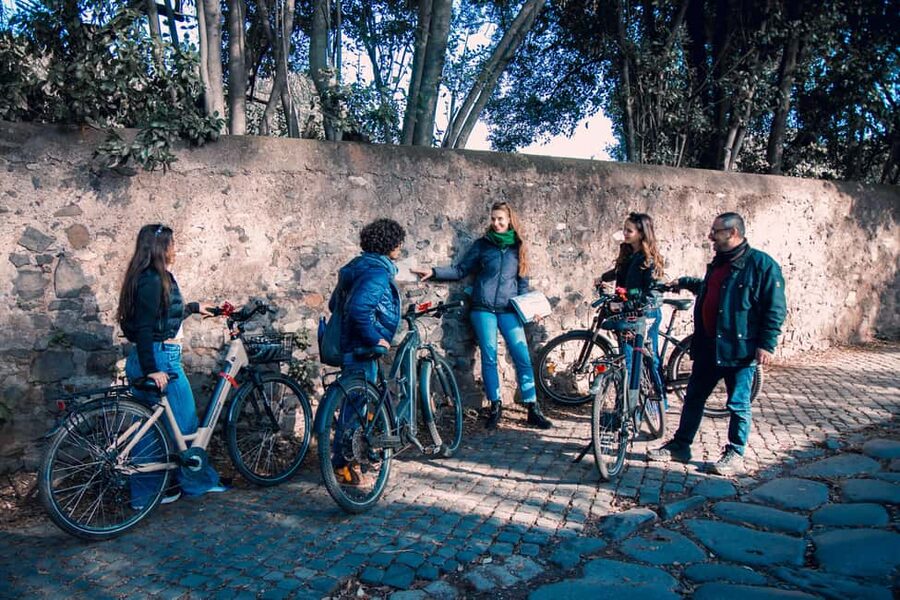
- The Appian Way by e-bike: Ride one of Rome’s oldest roads without spending four hours on foot.
- A guided catacomb visit: Spend about 40 minutes underground at the Catacombs of St. Callisto or St. Sebastiano.
- A strong mix of city and countryside: The route moves from Circus Maximus and the Baths of Caracalla into Caffarella Park and open Roman ruins.
- Several major stops in one morning or afternoon: See Porta San Sebastiano, the Aurelian Walls, Cecilia Metella, and Villa di Massenzio.
- A 20-minute café break: Stop for a snack or drink, though food and beverages are not included in the $100 price.
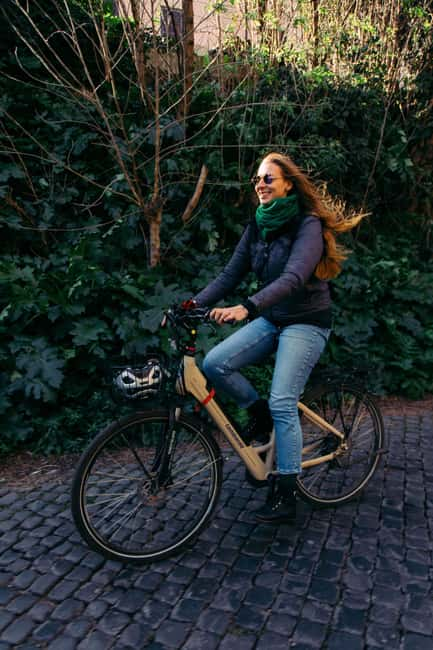
- Bike choice matters: Electric mountain bikes are recommended, but old-style e-bikes with baskets are also available.
Why the Appian Way makes a good cycling route

The Appian Way was Rome’s first major consular road and once carried traffic south from the capital. Today, its appeal comes from the contrast: you are still close to central Rome, yet the route quickly feels far removed from the city center.
An e-bike is a sensible way to cover it. You can pedal when you want exercise, then use electric assistance when the road, distance, or heat begins to work against you. This is not a demanding mountain ride, but it is still a cycling tour. You need balance, steering control, and enough confidence to manage a bike around other people and changing surfaces.
The tour begins near the Circo Massimo Metro Station at Via dei Cerchi, 59. Arrive 20 minutes before departure. That extra time is used to meet the guide, complete paperwork, choose a suitable bike, and get comfortable with the controls.
The formal safety briefing lasts about 10 minutes. It is followed by a short ride on a dedicated bike path, a useful feature for beginners who know how to cycle but have not used an electric bike before. I would not skip the early arrival. A rushed start is no fun when you are trying to adjust a saddle or understand the electric assistance.
More Circus Shows in Italy
- Rome: Caracalla Baths & Circus Maximus — Private or Shared
★ 4.7 · 835 reviews - Rome: Small-Group Tour of Caracalla Baths and Circus Maximus
★ 5.0 · 140 reviews - Rome: Roman Forum, Palatine, and Circus Maximus Tour
★ 4.7 · 117 reviews
From Circus Maximus to the Baths of Caracalla
The first photo stop is Circus Maximus, the enormous ancient racing ground between the Palatine and Aventine hills. Your guide uses the site to set the scene for Rome’s imperial age before the group leaves the center.
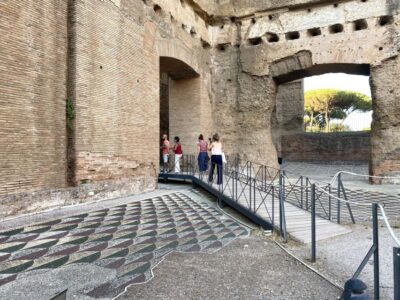
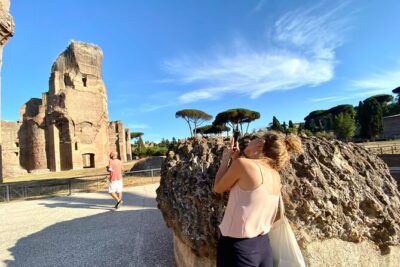
You then ride toward the Baths of Caracalla. These were once among Rome’s grandest public bathing complexes, with space for thousands of people and a full range of bathing, exercise, and social areas. The tour allows about 15 minutes here for photographs rather than a full interior visit, so keep your expectations in line with the schedule.
That short stop is still worthwhile. The massive brick walls and surviving arches show how large Roman public buildings could be. If you want to study every section of the baths, you would need a separate visit. On this ride, the baths work best as a strong opening glimpse before the route turns toward the ancient road.
Porta San Sebastiano and the Aurelian Walls
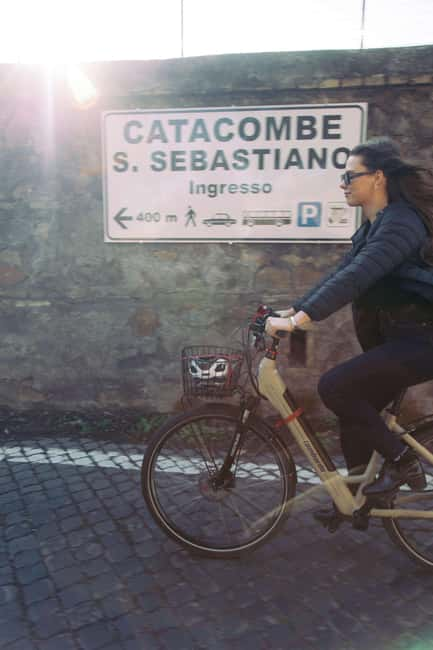
Porta San Sebastiano marks the transition from central Rome to the old road system. It is one of the gates in the Aurelian Walls, the defensive circuit built around Rome in the third century.
You have about 20 minutes for the gate and another 10 minutes at the walls. The timing gives you room to stop, take photographs, and listen to the guide without turning the tour into a long walking lecture.
This part of the ride also helps you understand the practical side of Rome’s growth. The walls were not just scenery. They controlled movement into the city and helped protect an expanding capital. You will not receive a full military history course in these brief stops, but the guide can connect the surviving stonework with the road you are about to follow.
The Church of Domine Quo Vadis
The Church of Domine Quo Vadis is a small but memorable stop on the route. Its name refers to the Christian story in which Saint Peter meets Jesus on the road and asks, Domine, quo vadis?, meaning, Lord, where are you going?
The visit lasts about 15 minutes. This is a good pause before the tour reaches the more open parts of the Appian Way. The church also provides a useful link between Rome’s imperial past and the early Christian communities that later used the catacombs.
Do not expect a long church visit. The value is in the location and the story, especially when paired with the catacomb visit later in the tour.
More Circus and Acrobatic Shows in Rome:
- Rome: Circus Maximus Virtual Reality Game near the Colosseum
★ 4.8 · 42 reviews - Rome: Colosseum, Circus Maximus, Forum & Ancient Rome Tour
★ 4.3 · 32 reviews - Rome: Caracalla, Colosseum, Circus Maximus Private Tour
★ 5.0 · 3 reviews - Rome: Private Caracalla Baths & Circus Maximus Tour for Kids
★ 5.0 · 2 reviews
Caffarella Park and the Nymph of Egeria
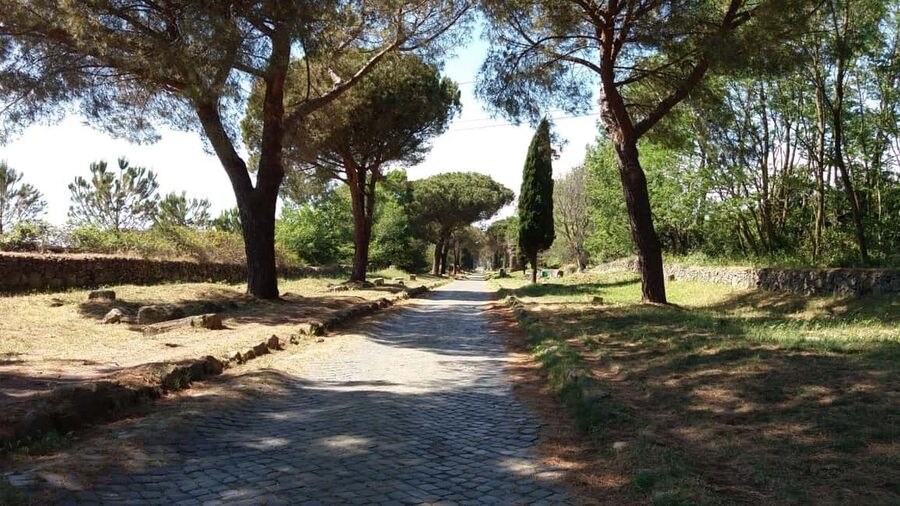
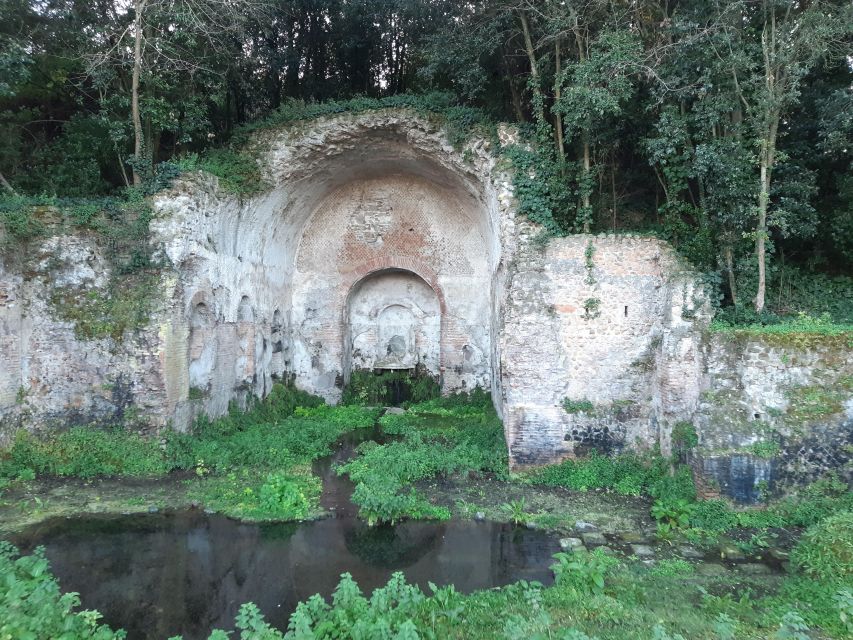
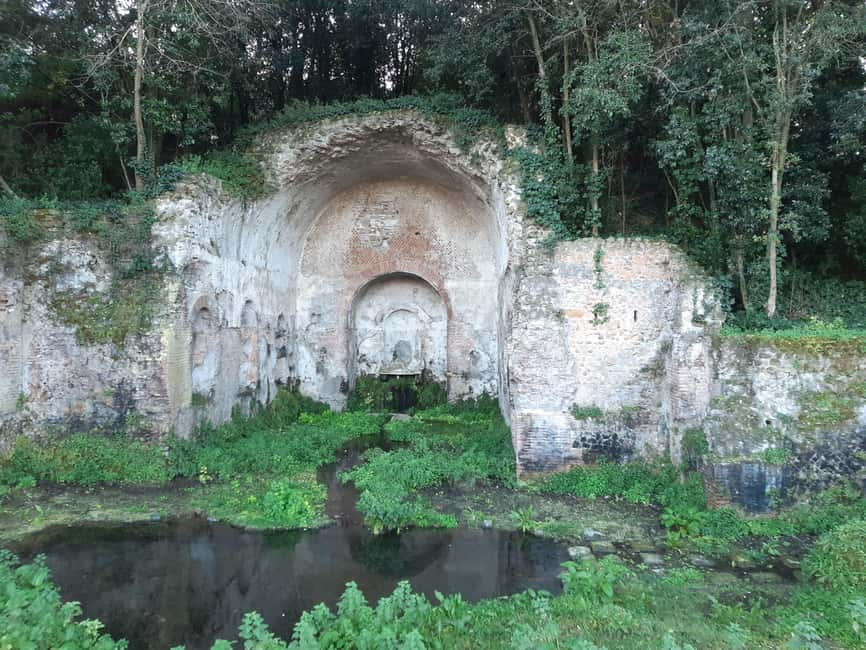
Caffarella Park is one of the most pleasant parts of the ride. The route spends about 30 minutes moving through the park, where open fields, old ruins, and the remains of rural Rome replace the dense streets around Circus Maximus.
The park is tied to the ancient Appian Way and includes the spring associated with the nymph Egeria. In Roman legend, Egeria advised King Numa, one of Rome’s early kings. The site gives the ride a more peaceful rhythm and lets you see how much undeveloped space survives near the historic center.
This is where the e-bike format earns its keep. You can cover more ground than on a walking tour and pause at places that would be awkward to reach by car. The park portion is not simply a transfer between monuments. It is one of the tour’s main pleasures because it shows Rome as an archaeological area and a place of trees, paths, and open countryside.
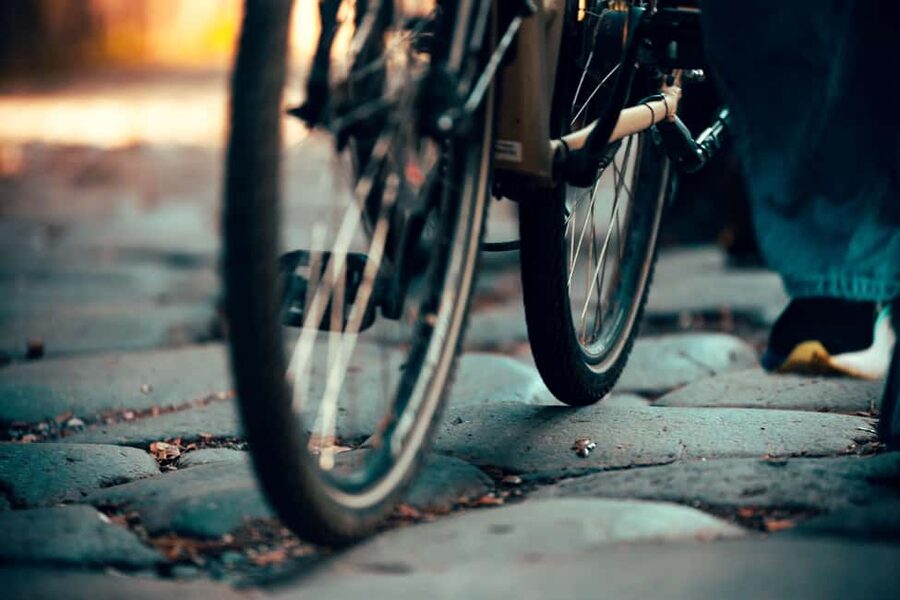
The route is not entirely smooth modern pavement. Ancient roads can have uneven surfaces, so you should remain alert and keep both hands ready. The electric motor helps with effort, but it does not remove the need for careful riding.
Riding the Ancient Appian Way
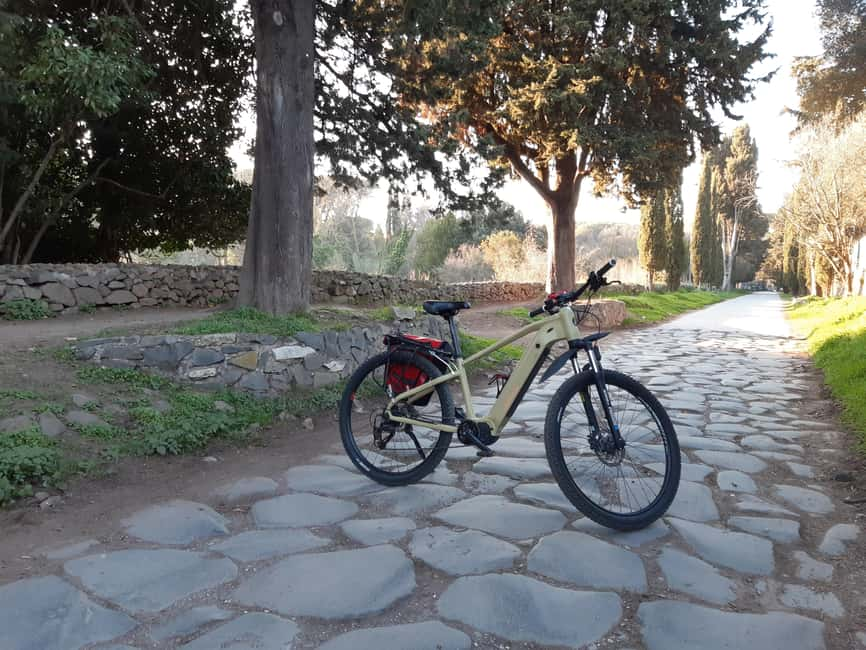
The Appian Way is the tour’s central experience. For about 30 minutes, you ride along one of the oldest roads connected with Rome, passing ancient ruins and tall cypress trees.
The road’s appeal is not one single monument. It is the repeated sight of Roman remains appearing beside a route that still feels like a road rather than a museum corridor. Your guide brings in stories of emperors, gladiators, and early Christians as the group moves along.
The cycling pace gives you time to notice details that can disappear from a bus window. You may see old stone paving, tombs, fragments of walls, and the long view down the road. At the same time, a bicycle requires more attention than a sightseeing coach. Follow the guide’s directions, allow space between riders, and slow down when the surface changes.
This section is best for people who want history with movement. If your ideal Roman visit means standing inside one major monument for an hour, this tour may feel too spread out. If you want to connect several sites and enjoy the road between them, it offers good value.
Cecilia Metella and Villa di Massenzio
The Tomb of Cecilia Metella is one of the most recognizable monuments along the Appian Way. Its round fortified form rises beside the road and shows how wealthy Romans marked their burial places along important routes.
The stop is scheduled for about 10 minutes, mainly for photographs and an explanation from the guide. You do not get a long independent visit inside the tomb complex as part of this schedule, so treat it as an exterior highlight.
Nearby, Villa di Massenzio adds another imperial-scale site. The complex is associated with Emperor Maxentius and includes remains linked with a villa, a circus, and the tomb of his son, Romulus. The tour allows another 10-minute photo stop here.
Taken together, these two sites show how the Appian Way was lined with monuments for the dead and grand estates for the living. The quick timing keeps the overall route moving, but it also means you will need another visit if you want a detailed archaeological study.
The café break and what to budget
A local café stop lasts about 20 minutes. This is a useful chance to rest, buy food or a drink, and take a break before the catacombs.
A bottle of water is included, but food and other beverages are not. The tour includes a stop where you can purchase something, so plan to carry enough money for a snack or aperitivo. This is not a full lunch, and the schedule does not suggest a long meal.
The pause matters more than it might seem. Four hours on a bicycle, even with electric assistance, can leave you thirsty and tired, particularly in warm weather. Use the break to drink water, adjust clothing, and ask the guide about the next section.
Going underground in the Roman catacombs
The final major stop is a guided visit to the catacombs. The tour visits either the Catacombs of St. Callisto or St. Sebastiano, depending on the arrangement for that departure.
These underground burial networks were used by early Christians and offer a different view of Rome from the monuments above ground. Instead of enormous baths, walls, and tomb towers, you walk through narrow passages cut into the earth. The guide explains how the catacombs functioned and places them within the story of early Christian burial and worship.
The guided section lasts about 40 minutes. That is long enough to make the underground visit a real part of the tour rather than a quick photo stop, while still leaving time for the cycling route.
Claustrophobia is a serious concern here. The catacombs are enclosed, and anyone uncomfortable in narrow underground spaces should choose a different Appian Way tour without this visit. You should also wear sensible shoes. High heels are not allowed, and they would be a poor choice for both cycling and uneven historic surfaces.
Is $100 a fair price?
At $100 per person, this is not the cheapest way to see the Appian Way. The price includes an English-speaking guide, a high-quality e-bike, a bottle of water, the catacomb ticket, and access to a small group limited to 10 people.
That package makes the price easier to justify. A self-guided bike rental would cost less, but you would need to plan the route, find the key sites, manage the ride, and arrange catacomb admission yourself. A standard walking tour would offer more time at individual monuments but would not cover this much ground as comfortably.
The value depends on what you want from Rome. I think the tour works well if you want one organized outing that combines cycling, archaeology, nature, and an underground visit. It is less appealing if you prefer slow museum visits or want complete control over how long you spend at each stop.
One verified rating from June 26, 2024 gave the experience five out of five and specifically praised the beautiful route and informative guide. The overall score is currently 5 out of 5 from three ratings. That is encouraging, but it is still a small sample, so I would focus more on the clear strengths of the route and the suitability rules than on the score alone.
Who should book this e-bike tour?
This tour suits you if you can ride a bicycle confidently and want to see a quieter side of Rome without giving up the major ancient landmarks. It is especially good for history lovers who enjoy moving between sites rather than sitting through a long indoor presentation.
It also suits active adults who prefer a four-hour outing to a full-day commitment. The electric assistance reduces the strain, while the small group should keep the guide close enough for questions and explanations.
You should think twice if you have recent surgery, cannot ride a bicycle, are pregnant, or are over 75. The tour also excludes people under 150 centimeters tall and people over 130 kilograms. Children under 11 cannot join.
Large bags and luggage are not allowed. Keep your belongings light and bring practical clothing, water-friendly comfort, and shoes suited to both cycling and underground passages.
Should you book it?
Book this tour if you want Rome’s ancient past with fresh air, exercise, and a change of pace from the Colosseum area. The combination of Appian Way ruins, Caffarella Park, and the catacombs gives you a broad view of Rome in four hours.
Skip it if you dislike bicycles, enclosed spaces, uneven roads, or a schedule built around short photo stops. For the right rider, the $100 price covers a lot: transport by e-bike, a local English-speaking guide, several important sites, and catacomb admission in one compact outing.
FAQ
Where does the e-bike tour begin?
The meeting point is Rome in a Day Tours, Via dei Cerchi, 59, near the Circus Maximus Metro Station.
How early should I arrive?
Arrive 20 minutes before the tour starts. This allows time to get acquainted with the bike and complete the required paperwork.
How long does the tour last?
The tour lasts four hours, including the safety briefing, cycling stops, café break, and catacomb visit.
What language is the tour conducted in?
The live tour guide speaks English.
What is included in the price?
The price includes an experienced guide, a high-quality e-bike, a bottle of water, a stop where you can purchase food, and the ticket for the catacombs.
Are food and drinks included?
No. A bottle of water is included, but food and other beverages are not. You have about 20 minutes at a local café to buy something.
Which catacombs does the tour visit?
The tour visits the Catacombs of St. Callisto or St. Sebastiano.
Do I need to know how to ride a bicycle?
Yes. You must already know how to ride a bicycle to join the e-bike tour.
Can children or wheelchair users join?
Children under 11 cannot join, and the tour is not suitable for wheelchair users. People under 150 centimeters tall, people over 130 kilograms, pregnant women, people over 75, and people with recent surgeries are also excluded.
More Cycling Tours in Rome
- Marrakech: Agafay Desert Quad Biking Tour with Dinner-Show
★ 4.8 · 16,569 reviews - Marrakech: Agafay Desert Dinner Show with Quad Bike & Camel
★ 4.9 · 5,058 reviews - Agafay Desert Package, Quad Bike, Camel Ride and Dinner Show
★ 5.0 · 4,244 reviews - Agafay Desert Package, Quad Bike, Camel Ride and Dinner Show
★ 4.7 · 2,755 reviews
Just added around Rome
- Rome: Private Caracalla Baths & Circus Maximus Tour for Kids★ 5.0 · 2 reviews
- Rome: Rooftop Bar Opera Show★ 4.6 · 94 reviews
- Rome: Musical Biography of Frank Sinatra Concert★ 3.9 · 100 reviews
- Rome: Gladiator Show and Museum Tickets★ 4.5 · 237 reviews
- Rome: Colosseum, Circus Maximus, Forum & Ancient Rome Tour★ 4.3 · 32 reviews
- Rome: Caracalla, Colosseum, Circus Maximus Private Tour★ 5.0 · 3 reviews
- Rome: Wine, Legends, and Burlesque Extravaganza by Night★ 4.4 · 18 reviews
- Rome: Night Life Walking Tour and Burlesque Show Entry★ 5.0 · 3 reviews
Rome Shows, compared.
Caracalla Baths & Circus Maximus — Private or Shared
Read our review →
Small-Group Tour of Caracalla Baths and Circus Maximus
Read our review →


Browse the lists this show appears in