
Review · MUSEUMS
Brussels: Musical Instruments Museum Entry Ticket
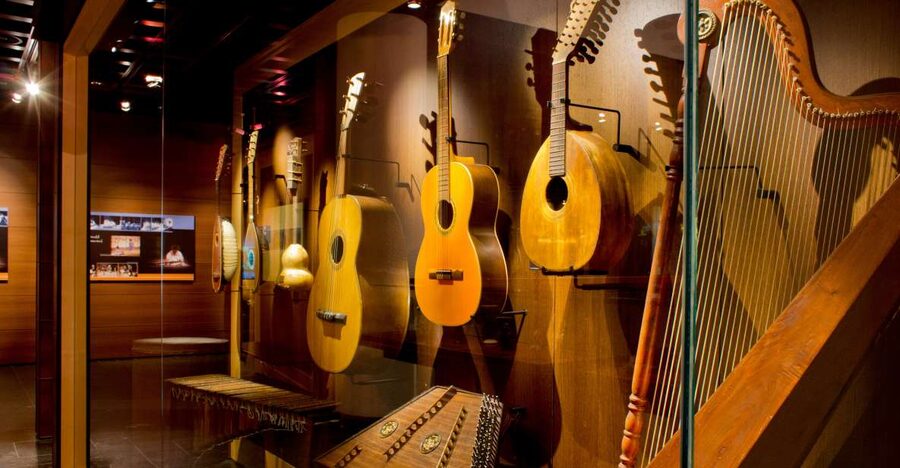
The best part of Brussels’ Musical Instruments Museum is simple: you do not just look at instruments, you can hear many of them. A multimedia device with nearly 300 music clips turns rows of unfamiliar objects into something lively and understandable, from African slit drums to Western keyboards. The museum also occupies the ornate Old England building, an Art Nouveau landmark on the Mont des Arts.
I like the broad range of instruments and the freedom to spend as little or as much time as you want on each floor. I also like the chance to see unusual objects, including the oldest preserved saxophone in the world. The main drawback is that not every instrument has an audio clip, so you may sometimes find yourself looking at an interesting object without hearing how it sounds.
Key points to know before you go
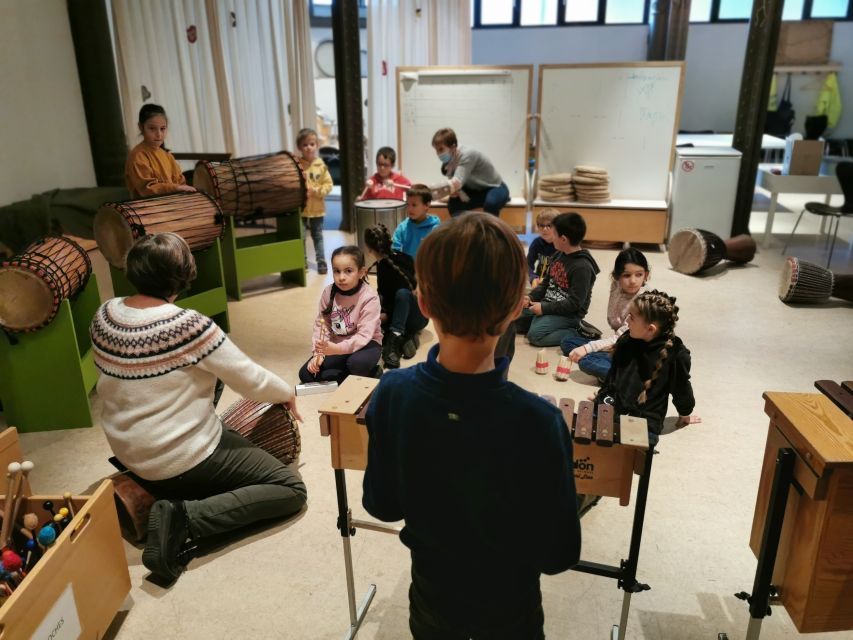
- Nearly 300 sound clips: Use the included multimedia device to hear instruments and musical pieces as you explore.
- Four floors of collections: Move from European instruments and keyboards to traditional instruments from around the world and electronic music.
- A remarkable saxophone: See the oldest preserved saxophone in the world among the museum’s unusual objects.
- Art Nouveau surroundings: The museum occupies the Old England building on Brussels’ Mont des Arts.
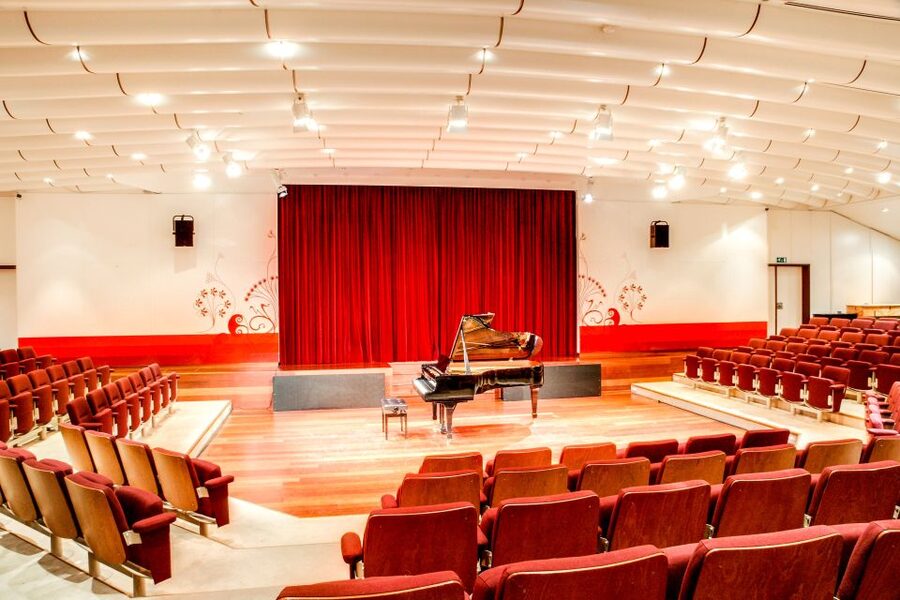
- Concerts are separate: You may be able to attend a performance in the neoclassical hall, but the concert ticket is not included.
- Good value at $17: The ticket is valid for one day, includes the audio experience, and lets you explore at your own pace.
Why the sound clips make this museum worth your time
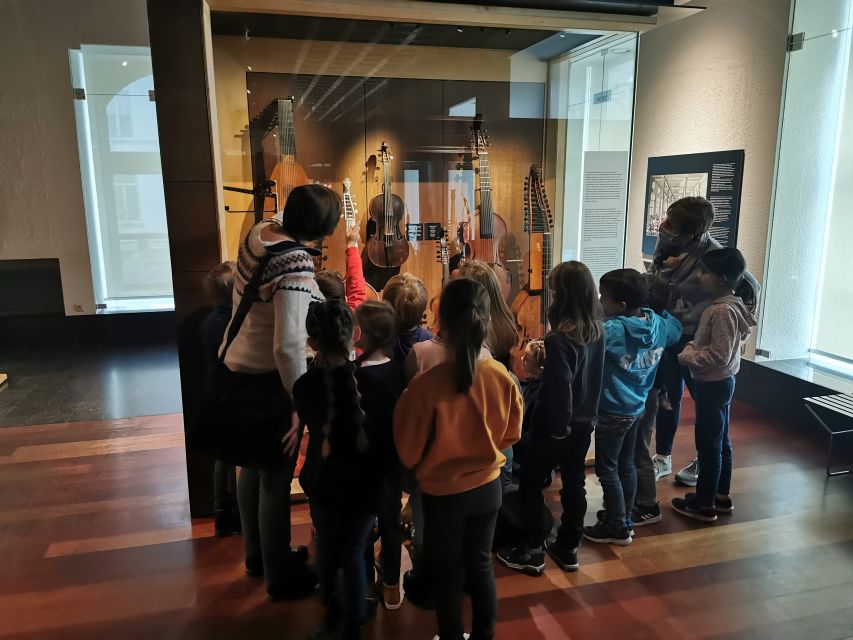
Many instrument museums ask you to admire shape, age, and decoration. That can work for a while, but sound gives the visit a purpose. At this museum, you can use the included multimedia device to hear almost 300 musical pieces as you move through the displays.
This matters most when you encounter an instrument you do not recognize. A slit drum, an old keyboard, or an electronic instrument can look appealing but remain hard to understand behind glass. Hearing the instrument helps you connect its design with its role in music.
The audio experience is also useful for families and for anyone who does not already know much about music. You do not need to read long technical explanations before enjoying the collection. Find an object that catches your eye, select the related clip, and listen.
The system is not perfect. The audio is not available for every instrument, so the experience can be uneven. Still, nearly 300 clips is a generous amount of material, and the musical examples make this more than a silent display of historic objects.
More Broadway and West End Shows in the world:
- London: Burlesque Cabaret Show in the West End
★ 4.2 · 127 reviews - Fado: Musical Walking Tour with Food & Live Show
★ 5.0 · 121 reviews - Viva Broadway Show! Celebrating the West End & Broadway
★ 5.0 · 48 reviews
Arriving at the Old England building on Mont des Arts
The museum sits on Brussels’ famous Mont des Arts, an area known for major cultural institutions and city views. You enter through the Old England building, whose Art Nouveau design is part of the experience rather than a mere backdrop.
Take a moment to look up and around before heading straight to the galleries. The building has intricate architectural details that reward a slower look, especially if you enjoy decorative ironwork and historic urban design. You are visiting a museum of music inside a building with its own visual rhythm and character.
The location also works well as part of a central Brussels day. You can combine the museum with time around Mont des Arts and other nearby sights, though the ticket itself covers only the Musical Instruments Museum.
A practical tip: if your ticket includes a QR code, scan it at the entrance. You do not need to head first to a ticket office with it. This can save time and avoid confusion at the start of your visit.
Four floors, four different ways to understand music
The museum’s layout gives your visit a clear structure. You can explore four floors of collections, each offering a different angle on how people make and use music.
European instruments and musical development
One section focuses on the history of musical instruments in Europe. This is a useful starting point because it shows how instruments changed over time and how different families of instruments fit into Western music.
You will see historic objects rather than a working performance space, so the multimedia device is especially helpful here. Listen as you go, and pay attention to how construction affects tone. Even a short clip can explain more than a long label.
This section suits visitors who enjoy history, design, and technology as much as music. You can study the materials and forms of the instruments, then connect them to the sounds they produce.
A few more shows around the world worth a look
- Seville: Puro Flamenco Show with Optional Museum Ticket
★ 4.8 · 6,088 reviews - Istanbul: Hodjapasha Whirling Dervishes Show & Exhibition
★ 4.4 · 4,790 reviews - Istanbul Hodjapasha Whirling Dervishes Show & Exhibition
★ 4.0 · 503 reviews - Rome: Gladiator Show and Museum Tickets
★ 4.5 · 237 reviews
The keyboard collection
The keyboard collection offers another strong section, especially if you are interested in how musicians have controlled pitch and volume over the years. The display includes Western keyboards and lets you consider the contrast between a carefully crafted historic instrument and a modern electronic one.
Keyboards can look similar at first glance, so hearing examples is important. The audio clips give you a better sense of what made each type useful or distinctive.
You do not need to play an instrument to enjoy this floor. The collection works for casual visitors, but people with a special interest in music history may spend much longer comparing the instruments.
Traditional instruments from around the world
The museum also presents traditional instruments from many parts of the world. The collection includes African slit drums and other instruments connected with musical traditions outside Western Europe.
This is one of the best parts of the visit for anyone who wants to see how widely music-making varies. The objects show that instruments are shaped by local materials, customs, and practical needs. The audio clips help you move beyond appearance and hear how an instrument functions.
Allow yourself time here. It is easy to rush through a large international collection, but the point is not simply to count how many countries are represented. Choose objects that interest you, listen to their clips, and compare their sounds with instruments from other floors.
Electronic instruments
The electronic instruments section brings the museum closer to the modern world. It shows that music history is not limited to old wooden instruments, ceremonial objects, or classical concert pieces.
This section gives the visit a useful change of pace. After seeing traditional instruments, you can consider how technology changed the way musicians create and control sound. It also helps connect the museum to music you already know from modern life.
The museum’s range is its great strength. You can move from handmade instruments to keyboards and then to electronics without leaving the same building.
The oldest preserved saxophone and other unusual objects
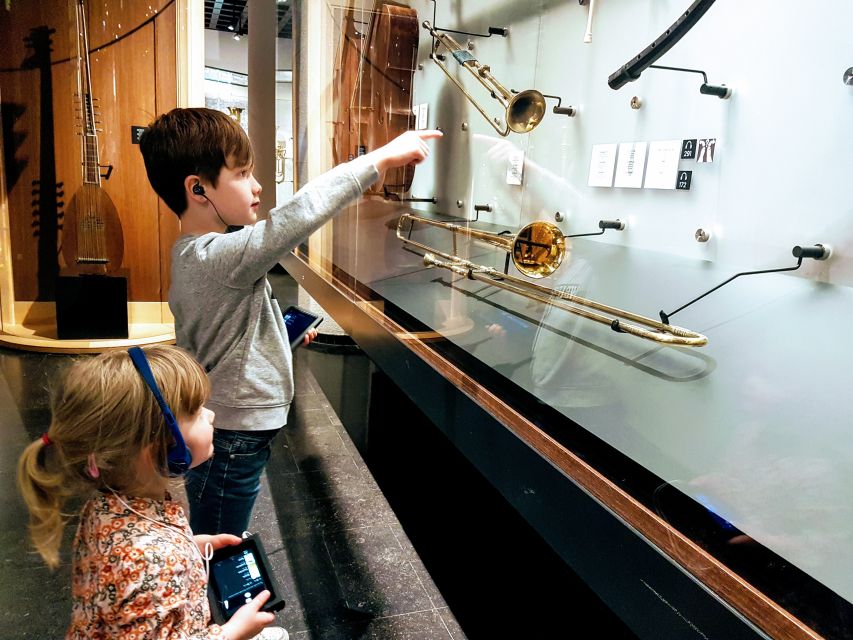
The oldest preserved saxophone in the world is one of the museum’s headline objects, and it deserves a pause. Even if you came mainly for the audio clips or the architecture, this is the kind of object that gives the visit a memorable anchor.
The saxophone also links the museum’s historic displays to instruments that remain familiar today. You are not looking at an obscure object with no modern connection. You are seeing an early example of an instrument that became widely recognized.
Other musical artifacts are spread across the collections, so do not focus only on the best-known display. The pleasure here comes from finding objects that make you stop and ask how they were made, used, or heard.
Because the museum covers instruments from around the world, the experience is best approached with curiosity rather than a strict checklist. You do not need to understand every label. Choose a few sections that appeal to you and use the audio device to bring them to life.
How long should you spend inside?
The ticket is valid for one day, and you can explore without being tied to a fixed guided schedule. For a focused visit, plan on about two hours. That gives you enough time to move through the main collections, listen to a useful selection of clips, and see the building without racing.
You can stay longer if music is a major interest. Four floors and nearly 300 audio clips offer plenty to investigate, but you should not feel obliged to listen to everything. Trying to play every clip could make the visit feel like work.
I suggest choosing a few objects on each floor, then adding more if a section catches your attention. This approach gives you both variety and breathing room.
The flexible format is helpful on a busy Brussels day. You can visit in the morning, spend only part of the day inside, or use the museum as a quieter cultural stop between other sights. Check the available starting times when booking, even though the ticket itself is valid for one day.
The concert hall is an extra, not part of the ticket
The museum has a neoclassical concert hall where live performances may take place. If a concert fits your schedule, it could add a strong evening or afternoon element to your visit. Hearing music performed in the museum gives you a chance to connect the objects with live sound.
Keep the ticket details clear: the museum entry does not include the concert. You need a separate concert ticket.
That separation is useful to know before you arrive. You can book the museum without committing to a performance, then decide if a concert suits your plans. Do not assume that museum admission guarantees a seat.
The live program is best treated as an optional addition. The four-floor museum visit works on its own, especially if you are mainly interested in the collections and audio device.
Is $17 a fair price?
At $17 per person, the ticket offers solid value for a central Brussels museum visit. You get access for one day, four floors of displays, the Art Nouveau building, and a multimedia device with nearly 300 clips.
The value depends on how you use the visit. If you walk through quickly and skip most of the audio, the price may feel less compelling. If you listen to a good selection of pieces and take time with the collections, the ticket gives you several hours of material.
It is also good value for mixed-interest groups. One person can focus on historic instruments, another on world music, and another on architecture or electronic technology. You do not all need the same reason to enjoy the museum.
The price does not include a concert, and the museum restaurant is currently closed for renovation. Plan to eat elsewhere rather than counting on a meal inside the building.
Practical details that affect your visit
This is a self-guided museum experience, not a tour led by a named guide. The included audio guide and multimedia content are available in English, Dutch, and French.
You can skip the ticket line, and the museum is wheelchair accessible. Oversize luggage is not allowed, so leave large bags elsewhere. Flash photography is also prohibited, which protects the instruments and keeps the galleries comfortable for other people.
Free cancellation is available up to 24 hours in advance for a full refund. You can also reserve now and pay later, which helps if your Brussels schedule is still changing.
The building and collections can make this a good rainy-day activity, though the closed restaurant means you should plan a break outside if you need food or coffee.
Who will enjoy the Musical Instruments Museum most?
I would recommend this museum to anyone who likes music, design, cultural history, or unusual museums. You do not need formal musical training. The audio clips make the displays approachable, and the collection is broad enough to offer something beyond familiar European instruments.
It is especially suitable for:
- People who want a flexible, self-guided cultural visit
- Families and mixed-interest groups
- Music students and instrument enthusiasts
- Visitors who enjoy Art Nouveau architecture
- Anyone looking for a museum that can fill roughly two hours
- Visitors curious about instruments from Africa and other parts of the world
You may enjoy it less if you want a fully guided experience with a live expert explaining every display. You may also find it slow if you are not interested in listening to audio or reading about instruments.
The biggest strength is the mix of visual and musical information. The biggest limitation is that the audio coverage is not complete. Go in expecting a large collection with selected sound examples, not a demonstration of every instrument.
Should you book the Brussels Musical Instruments Museum?
Book it if you want a well-priced museum visit that gives you more than glass cases. The sound clips are the main reason to choose it, while the Old England building and the oldest preserved saxophone add memorable visual highlights.
At $17, it is a sensible choice for a flexible two-hour stop on Mont des Arts. Give yourself extra time if you are passionate about instruments, and consider a separate concert ticket if a performance matches your schedule.
Skip it only if you want a short, highly guided attraction or if music museums do not interest you. For most curious visitors, the combination of four floors, world instruments, historic European collections, electronic displays, and nearly 300 musical clips makes this an easy Brussels visit to recommend.
FAQ
How much does entry to the Musical Instruments Museum cost?
The entry ticket costs $17 per person.
How long is the ticket valid?
The ticket is valid for one day. Check availability for the available starting times.
How many floors can I explore?
You can explore four floors of musical instrument collections.
Is an audio guide included?
Yes. Your ticket includes a multimedia audio experience with almost 300 sound clips. Audio is available in English, Dutch, and French.
Is the concert included with museum entry?
No. A concert ticket is not included. Concerts take place in the museum’s neoclassical hall and require separate admission.
Is the museum wheelchair accessible?
Yes. The museum is wheelchair accessible.
Can I cancel the ticket?
Yes. You can cancel up to 24 hours in advance for a full refund.
Just added around the world
- Hanoi city tour with water puppet show- small group tour★ 5.0 · 10 reviews
- Hanoi Street Food Walking Tour and Water Puppet Show★ 4.0 · 5 reviews
- Hanoi Cyclo Ride and Water Puppet Show★ 3.5 · 3 reviews
- Private: Hanoi Street Food tour with Water Puppet Show and Cyclo★ 5.0 · 8 reviews
- Deluxe Group Hanoi Sightseeing Including Puppet Show★ 4.5 · 2 reviews
- Thang Long Water Puppet Show Tickets★ 4.5 · 7 reviews
- Hanoi Private Trip: Explore local culture, monument, cooking class & puppet show★ 4.5 · 3 reviews
- Songcheng Park & Lengend of Song Dynasty Show Ticket★ 4.5 · 3 reviews
Museums, compared.
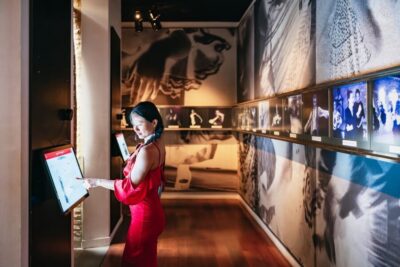
Puro Flamenco Show with Optional Museum Ticket
Read our review →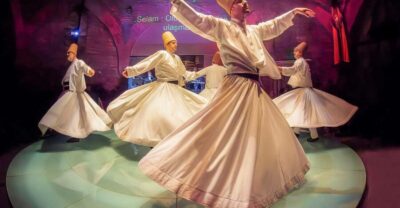
Hodjapasha Whirling Dervishes Show & Exhibition
Read our review →Istanbul Hodjapasha Whirling Dervishes Show & Exhibition
Read our review →


Center for Puppetry Arts: Worlds of Puppetry Museum
Read our review →
From Delhi: Akshardham Exhibition and Sahaj Anand Water Show
Read our review →Browse the lists this show appears in