
Review · ISTANBUL
Istanbul: Whirling Dervish Ceremony next to Hagia Sophia
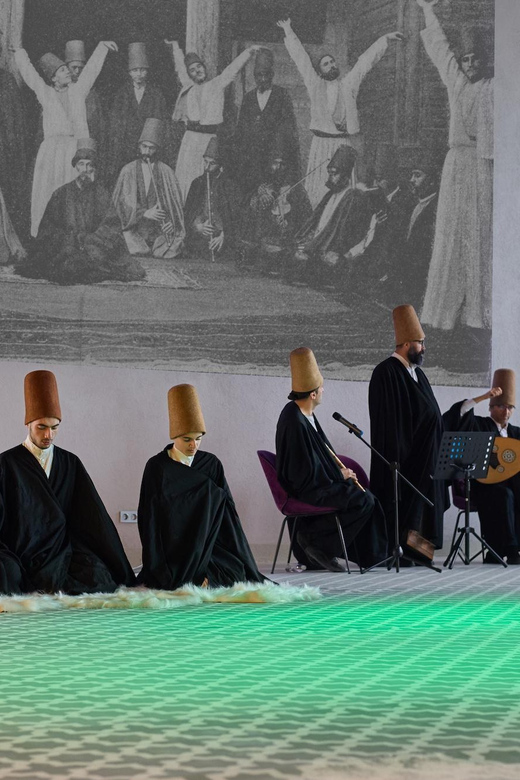
The turning begins slowly, almost quietly, then gathers force as the musicians set the pace. This is not a loud stage act. It is a Sufi prayer ceremony, shaped by music, silence, and repeated movement, held in a wooden arts center beside Hagia Sophia.
I like the short introduction because it gives the ritual a frame, and I like the live instruments, especially the strings, drums, and ney flute. The $17 price is also unusually friendly for central Istanbul. The main consideration is simple: the ceremony is spiritual and measured, not a theatrical spectacle, and a late start or fast spoken introduction can make the 55-minute visit feel rushed.
Key points before you book
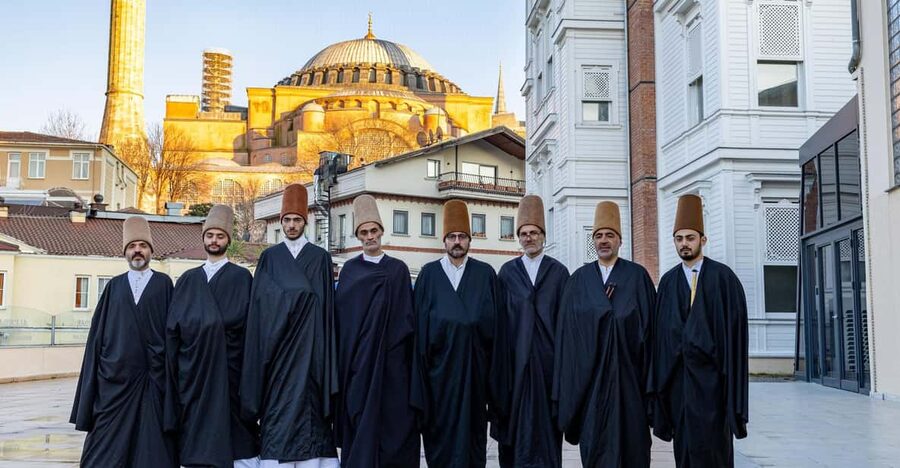
- The setting is next to Hagia Sophia, with the meeting point beside the Basilica Cistern and the entrance marked by a large white wooden house.
- The Sema ceremony lasts about 55 minutes, including the cultural explanation and ritual.
- Live Turkish music comes from traditional instruments, with pieces dating from the 1400s through the early 1800s.
- An English-speaking host explains the symbolism, while a smart audio guide is available in English, German, French, Italian, Russian, Spanish, and Arabic.
- Tea or sherbet and water are included, a small but pleasant local touch at the end.
- Ticket income supports an arts and education purpose, including scholarships connected with the local arts center.
A quiet ritual beside Istanbul’s biggest sights
Istanbul is full of grand monuments, crowded streets, and sales pitches. The whirling dervish ceremony offers something different: nearly an hour when you sit still and pay attention.
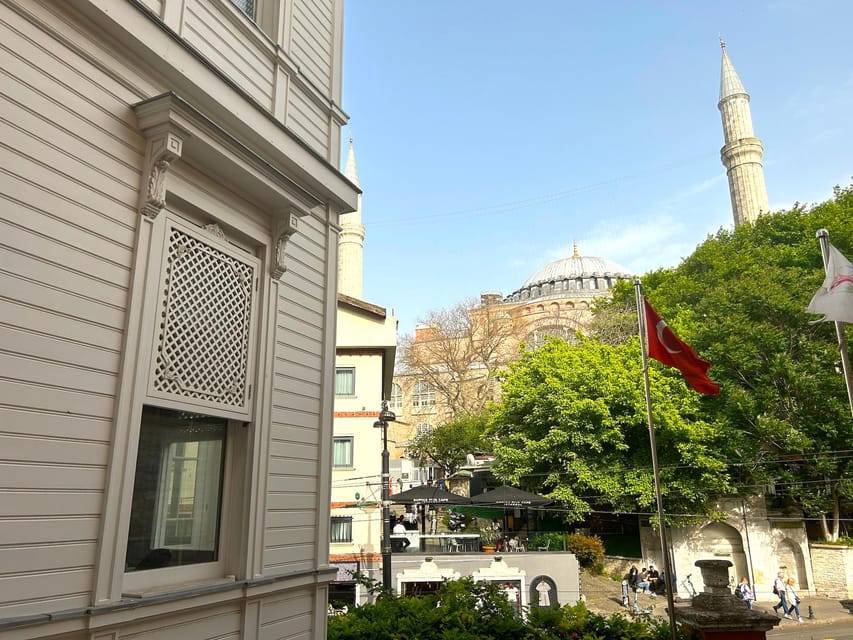
The location helps. You meet beside the entrance to the Basilica Cistern, only a short walk from Hagia Sophia. The reception is at the gate of a giant white wooden house, which can be easy to miss if your map pin sends you to the wrong side of the road. The gate opens 30 minutes before the ceremony, so give yourself time to find it rather than arriving at the last minute.
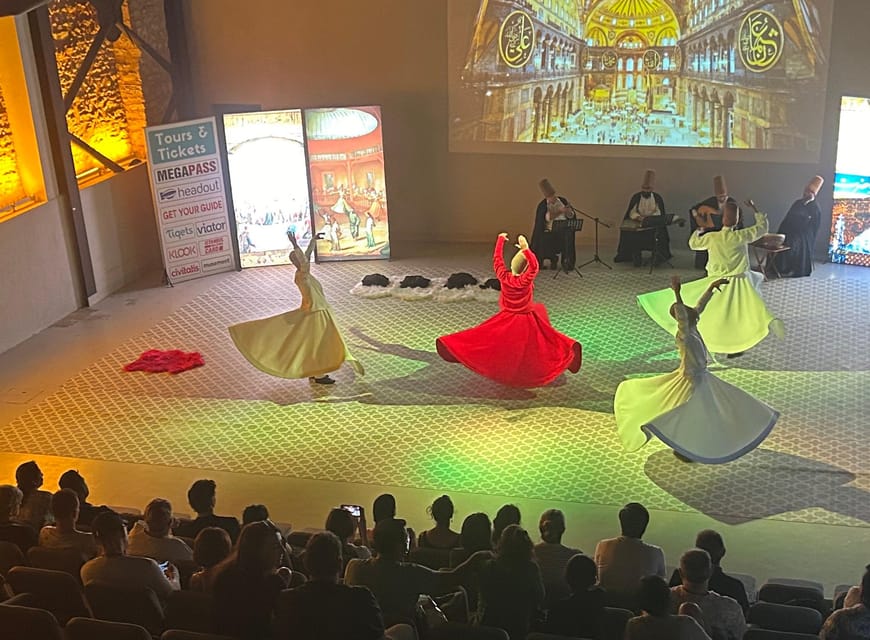
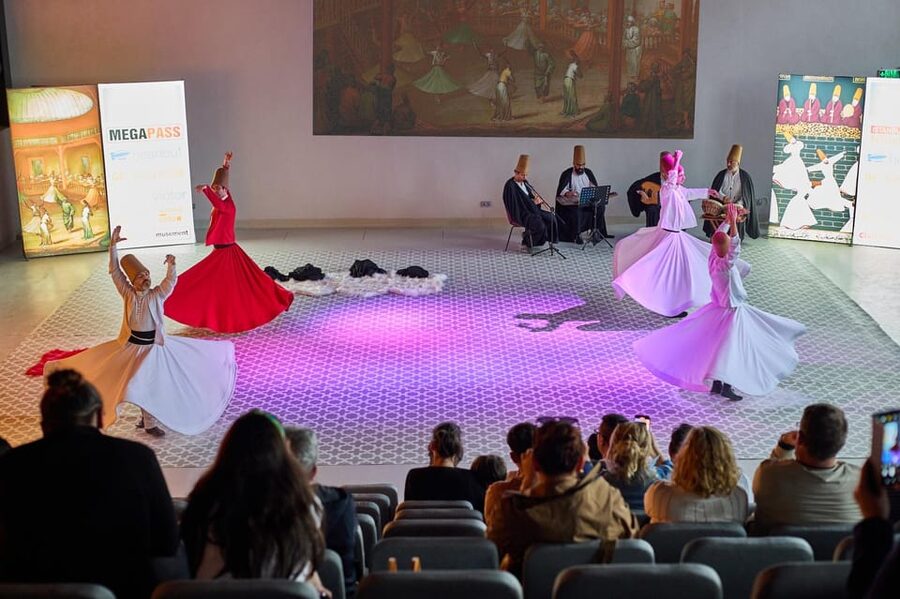
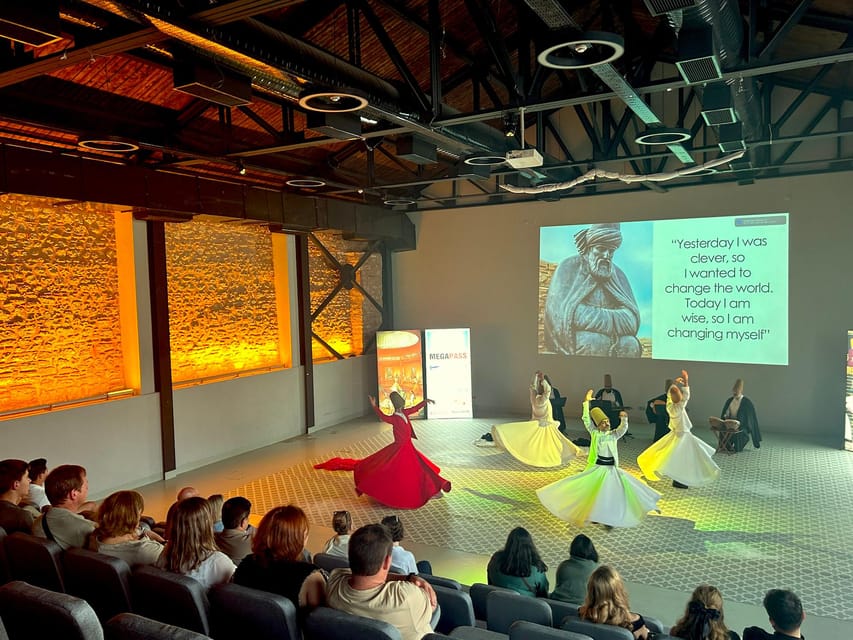
Inside, the venue feels more like an arts center than a large theater. That suits the ceremony. The wooden setting, comfortable seating, and clear view from each seat keep the focus on the musicians and dervishes. One practical warning: illuminated panels at the sides of the hall can create harsh reflections in photographs, and a projected or painted visual backdrop may pull your eyes away from the ritual at times.
The ceremony has UNESCO recognition as an example of Intangible Cultural Heritage. That does not mean every part of the evening is ancient or untouched by modern presentation. It means the Sema tradition is valued as a living cultural practice, not simply as a dance for tourists. You will get more from it if you approach it with respect and patience.
More Turkish Night Shows in Istanbul
- Istanbul: Bosphorus Dinner Cruise & Turkish Night Show
★ 4.8 · 12,954 reviews - Istanbul: Hodjapasha Whirling Dervishes Show & Exhibition
★ 4.4 · 4,790 reviews - Istanbul: Bosphorus Dinner Cruise with Turkish Night Show
★ 4.6 · 1,950 reviews
What happens before the dervishes begin
A host gives an introduction before the ceremony. The talk covers Sufism, the background of the dervishes, and the meaning of the movements. It also helps explain the connection with Rumi, the Persian poet and spiritual teacher whose ideas are closely linked with the Mevlevi tradition.
The quality of this introduction matters. Several visitors found it very useful, while others had trouble following because the speaker talked too quickly or the sound was weak at the beginning. If you are sitting far from the front or have difficulty with spoken English, use the digital guide as a second source of context.
The smart audio guide is available in seven languages: English, German, French, Italian, Russian, Spanish, and Arabic. It gives you a way to read more about Sufism, Rumi, and the ceremony at your own pace. It is especially helpful if you want background before entering, since the live explanation is fairly short.
You can also ask questions after the ceremony. A host named Kasl was singled out for taking time to help a wheelchair user and for answering questions with care. Names and staff can change, but the format is useful: short explanation first, ceremony next, then a chance to clarify what you have seen.
The music is half the experience
The ceremony starts with instrumental music. Traditional strings, drums, and flutes create the first layer of the experience, giving you time to adjust to the sound before the dervishes enter.
The music is not background filler. It sets the pace and gives structure to the ritual. The pieces performed here were composed between the 1400s and early 1800s, so the sound reaches back into several centuries of Ottoman and Sufi musical tradition.
Listen for the ney, a reed flute with a breathy, human tone. You may not understand the words or chants, but you can still follow the movement from stillness to greater intensity. One limitation is that English translations of the songs are not provided during the ceremony. The guide explains the general meaning, but you will not receive a line-by-line translation.
This is one reason to avoid treating the event like a concert where you need to understand every lyric. The rhythm, pauses, and repeated musical phrases carry much of the effect. You are listening to a religious tradition as well as to skilled musicians.
Understanding the whirling
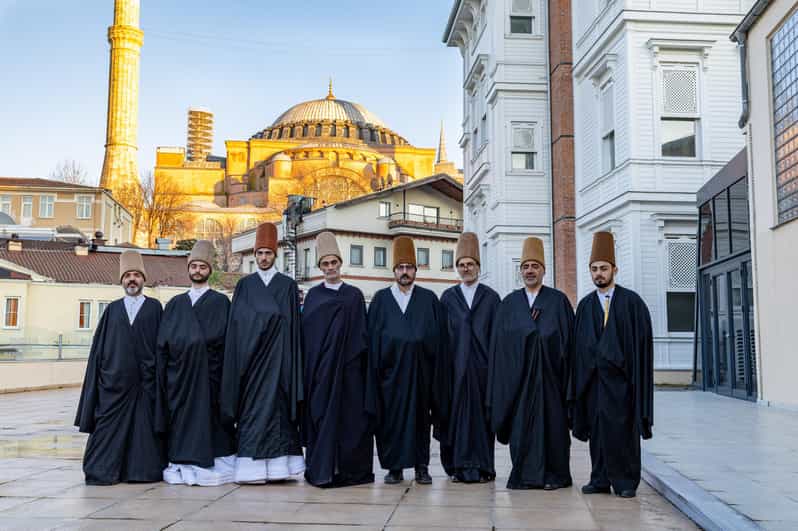
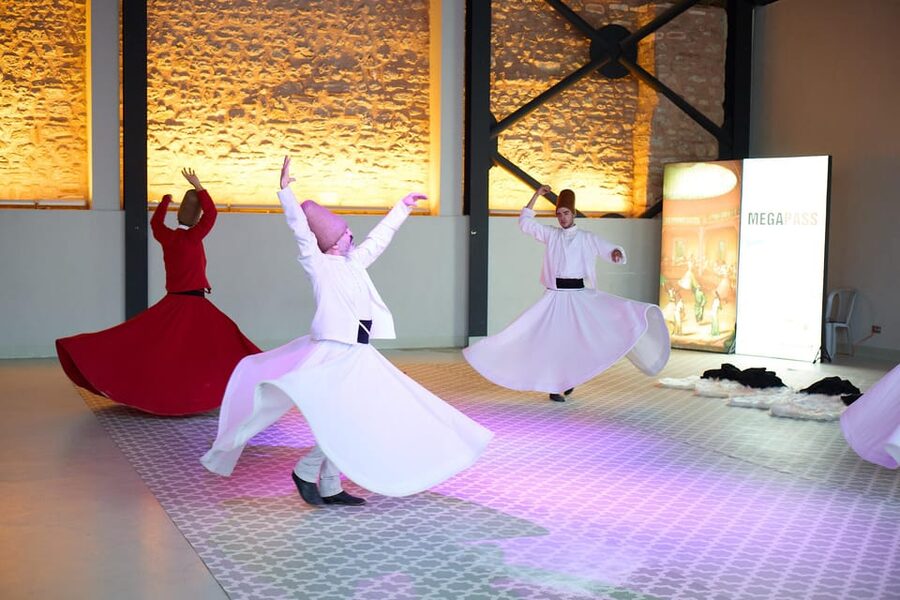
When the dervishes enter, their movements are controlled and unhurried. The turning grows in relation to the music, and the ceremony develops through several stages rather than rushing toward a dramatic finish.
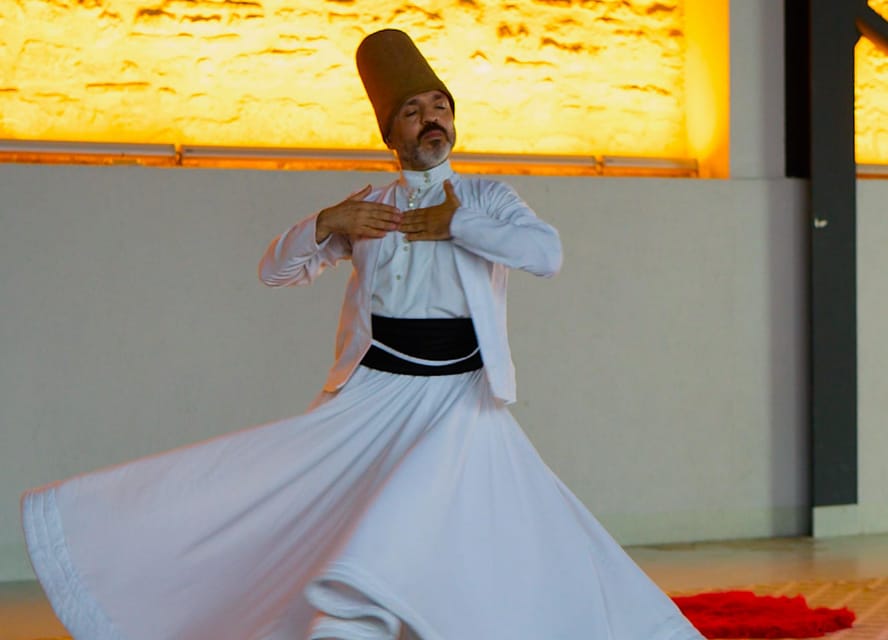
The familiar image is the dervish spinning with one hand raised and the other lowered. The gesture is commonly explained as receiving from the heavens and passing blessings toward the earth. The turning also represents a journey away from the ego and toward divine love and unity.
You may find the motion hypnotic, but it helps to avoid reducing it to a trick about dizziness. The ceremony is not presented as an athletic feat. It is a devotional practice, and the silence around it is part of the meaning.
The hall asks you to keep quiet. Phones and conversation can break the concentration quickly, so put your phone away instead of filming throughout. Photography and video are allowed according to the information provided, but permission does not mean that recording is always a good idea. You will see more if you watch with both hands free.
Some people find the pace serene and moving. Others may find it slow, particularly if they expect a lively folk performance. That difference is important. If you want dancing, comedy, or a big staged finale, this is not the right choice. If you want a calm look at an important spiritual practice, the pace works in its favor.
Same place, a different night out:
- Istanbul: Bosphorus Dinner Cruise & Show with Private Table
★ 4.8 · 62,058 reviews - Istanbul: Bosphorus Cruise with Dinner Show
★ 4.4 · 2,181 reviews - Bosphorus Dinner Cruise with Show and Private Table
★ 4.5 · 2,021 reviews - Istanbul: Whirling Dervishes Ceremony and Mevlevi Sema
★ 4.3 · 1,694 reviews
A genuine ceremony, with a tourist-friendly introduction
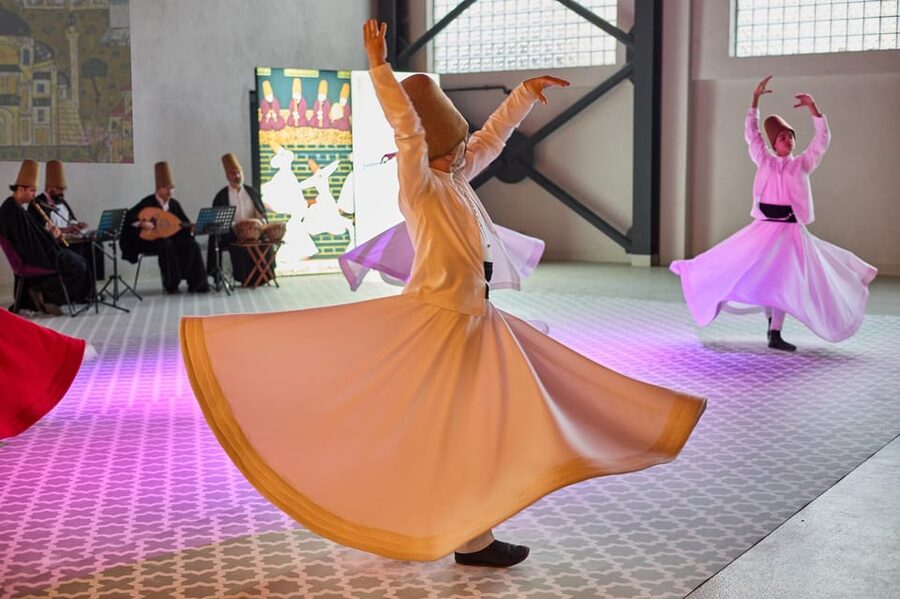
The event is presented as an authentic ritual performed by local followers of a Sufi tradition. That claim should be understood carefully. You are attending a scheduled public experience in a cultural venue, with ticketing, seating, a host, and a digital guide. It is not the same as being invited into a private religious gathering.
Still, the ceremony can feel sincere rather than manufactured. The dervishes are described as local craftsmen, traders, and residents, and the arts center has an educational purpose. Ticket income supports scholarships and local arts work, which adds a useful social dimension to the price of admission.
The introduction and Q&A also make the experience easier for first-time visitors. Without context, you might see only people turning in white clothing. With context, you begin to notice the order of the ritual, the connection between music and motion, and the symbolic gestures.
I would read a little about Rumi before going if you have time. Learning the basic role of the ney flute, the ideas associated with letting go of the self, and the relationship between Sufi poetry and the Sema ceremony will make the hour more meaningful. You do not need a university course. A few minutes of preparation is enough to keep the event from feeling like a strange performance with no explanation.
The drink at the end
Tea or sherbet is included, along with water. It is a modest detail, but it gives the evening a local finish and allows you to linger for questions after the ritual.
Do not expect food or a full drink service. Other refreshments are not included. The drink is best understood as a welcome gesture, not part of the financial calculation.
The tea fits naturally with an Istanbul evening. Sherbet offers a sweeter local option. The choice is made as part of the included service, and the small cup gives you a chance to settle before heading back into the busy historic center.
Is $17 good value?
At $17 per person, this is one of the more affordable organized cultural experiences in the Hagia Sophia area. You are paying for entrance, the live music and ceremony, the English explanation, the multilingual audio guide, water, and tea or sherbet.
The value is strongest if you want more than a quick photo. You receive background before and after the ceremony, a comfortable indoor setting, and an event that takes less than an hour. That makes it easy to pair with a visit to the Basilica Cistern, Hagia Sophia, or nearby Sultanahmet sights.
The short duration is both a strength and a weakness. It fits neatly into an evening schedule, but some people find the ceremony feels brief. If you are deeply interested in Sufi practice, you may wish for more time for explanation or a longer musical program.
The price also includes a worthwhile community connection. Ticket money helps fund scholarships and arts education at the center. That does not automatically make the ceremony better, but it gives your purchase a purpose beyond admission to a performance.
Timing, seating, and practical comfort
The gate opens 30 minutes before the start. Arrive early enough to locate the white wooden house, check in, and settle before the room becomes quiet.
Silence is important once the ceremony begins. Use the restroom before or after, since leaving during the ritual can disturb both the audience and the performers. This is particularly worth remembering because the event asks for sustained stillness rather than casual coming and going.
The venue is described as wheelchair accessible, but access may require staff assistance. One visit involved staff working to make the arrangement possible, so contact the provider ahead of time if a member of your party uses a wheelchair. The space has comfortable seats and a good view from every position, but practical access can still depend on the layout that day.
Children under two are not suitable for the experience. Older children can attend, though you should explain beforehand that this is a religious ceremony and that talking, restless movement, and phone use are not appropriate. Full-price tickets for children may make the outing less appealing for families, even though the total cost remains reasonable by central Istanbul standards.
Cancellation is free up to 24 hours before the scheduled time, and you can reserve now and pay later. Those options are useful in Istanbul, where sightseeing plans often shift with weather, queues, and ferry schedules.
Who will appreciate this most?
I recommend it to you if you enjoy:
- Cultural traditions explained in plain language
- Live music and old musical forms
- Quiet, reflective experiences
- Religious art and spiritual history
- Short activities that fit around major sightseeing
- Supporting a local arts and education program
You may want to skip it if you need constant action, dislike silence, or expect a theatrical dance show. The ceremony asks you to slow down. That is its appeal, but it is also the reason some people may find it less exciting than expected.
First-time visitors to Turkey are especially well served by the introduction. You can arrive with little background and still understand the basic symbolism. Returning visitors or people already familiar with Sufism may appreciate the sincerity of the ceremony, though they might want a longer or more specialized program.
Should you book the ceremony?
Book it if you want to see Istanbul’s spiritual side in a respectful setting without spending a large sum. The location beside Hagia Sophia, the live traditional music, the clear introductory talk, and the included tea or sherbet make this an easy addition to a Sultanahmet day.
Go with the right expectations. You are not booking a flashy show, and translations of the songs are not provided. You are sitting quietly through a short Sema ceremony that builds slowly and asks you to watch with care.
For $17, I consider it a strong choice for a first visit to Istanbul, especially if you read a little about Rumi and the ney flute beforehand. Arrive early, silence your phone, and give the music time to work. If you do that, the ceremony can become one of the calmest and most memorable hours in the old city.
FAQ
How long does the whirling dervish ceremony last?
The activity lasts 55 minutes, including the ceremony and the cultural explanations before and after it.
Where is the meeting point?
Meet the host next to the entrance of the Basilica Cistern. The reception desk is at the gate of the large white wooden house beside it.
How early does the entrance open?
The gate opens 30 minutes before the ceremony begins.
Is the ceremony performed with live music?
Yes. Traditional instruments include strings, drums, and flutes, and the musical pieces date from the 1400s through the early 1800s.
Is an explanation included?
Yes. An English-speaking host explains the ceremony and its cultural background before and after the ritual. A smart audio guide is also available in English, German, French, Italian, Russian, Spanish, and Arabic.
What drink is included?
You receive water and a local traditional drink, choosing between tea and sherbet. Food and other drinks are not included.
Can I take photos or videos?
The information provided allows photos and videos, but silence is important during the ceremony. Using your phone may distract you and the people around you.
Is the venue wheelchair accessible?
The activity is listed as wheelchair accessible. Staff may need to assist with the arrangement, so contact the provider ahead of time if you require wheelchair access.
Just added around Istanbul
- Istanbul: Belly Dancing, Show, & Dinner at Sultana’s Ticket★ 3.8 · 71 reviews
- Istanbul: Legends Show – Live Storytelling by Hagia Sophia★ 4.5 · 9 reviews
- Istanbul: Whirling Dervish Show★ 5.0 · 2 reviews
- Istanbul: Magic of Bosphorus, Full Meal & Turkish Night Show★ 4.5 · 204 reviews
- Istanbul: Whirling Dervish Ceremony★ 5.0 · 3 reviews
- Istanbul: Dinner Cruise & Dance Shows with Private Table★ 4.9 · 15 reviews
- Istanbul: Bosphorus Tour With Whirling Dervish Show★ 3.7 · 31 reviews
- Istanbul City Sightseeing Tour & Turkish Dinner & Show★ 3.4 · 16 reviews
Istanbul Shows, compared.
Bosphorus Dinner Cruise & Show with Private Table
Read our review →
Bosphorus Dinner Cruise & Turkish Night Show
Read our review →
Hodjapasha Whirling Dervishes Show & Exhibition
Read our review →
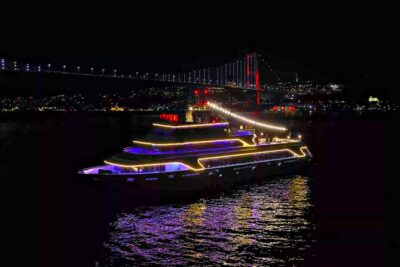
Bosphorus Dinner Cruise with Show and Private Table
Read our review →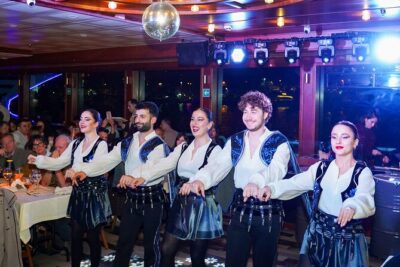
Bosphorus Dinner Cruise with Turkish Night Show
Read our review →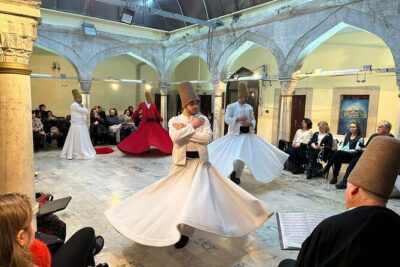
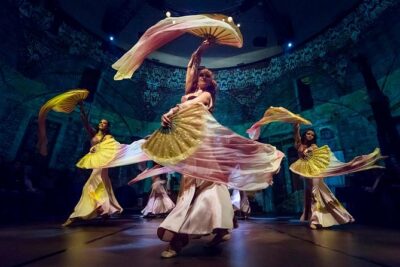
Browse the lists this show appears in