Review · ISTANBUL
Istanbul: Traditional Whirling Dervishes Near Hagia Sophia
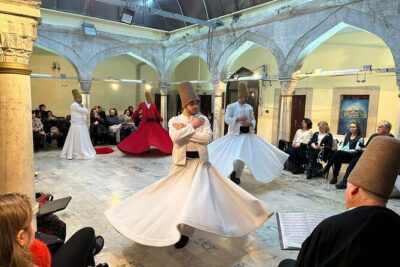
A Whirling Dervish ceremony is not a stage show with a dramatic finale. It is a quiet Mevlevi ritual built around music, movement, and spiritual focus. I like the historic setting near Hagia Sophia and the live sound of the ney, kudüm, and kanun. I also like the short one-hour format, which fits neatly into an evening in Istanbul.
The main consideration is simple: you must treat the ceremony with silence and respect. Seating is unassigned and limited, so arrive early if you want a better view. If you need constant action or a standard folk performance, this may feel too slow.
Key points to know before you book
- A calm ritual near Hagia Sophia: The venue is a short walk from one of Istanbul’s most famous landmarks, making this easy to add to a sightseeing day.
- Live Sufi music: The ceremony uses the ney reed flute, kudüm drums, and kanun zither rather than recorded music.
- One hour from start to finish: You get a focused cultural experience without giving up a full evening.
- Meaning before movement: An English-speaking host explains Rumi, Mevlevi tradition, and the symbols behind the dervishes’ robes and gestures.
- Seven-language digital guide: Audio support is available in English, German, French, Italian, Russian, Spanish, and Arabic.
- Tea or sherbet after the ceremony: A small Turkish refreshment gives the experience a gentle close.
A quiet tradition close to Hagia Sophia
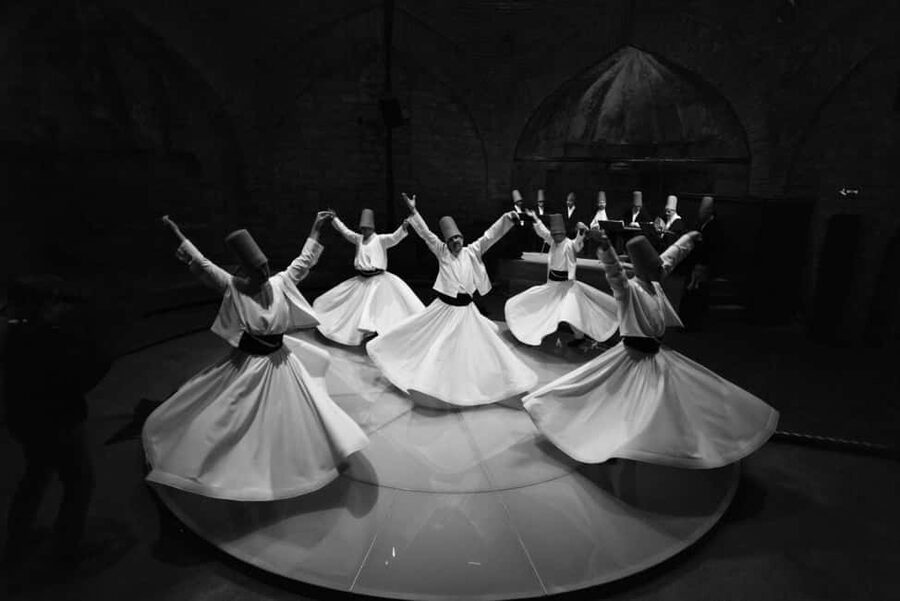
The location is one of this experience’s strongest practical features. The ceremony takes place near Hagia Sophia in Istanbul’s historic center, so you can pair it with a visit to the monument, the Blue Mosque area, or the nearby streets of Sultanahmet.
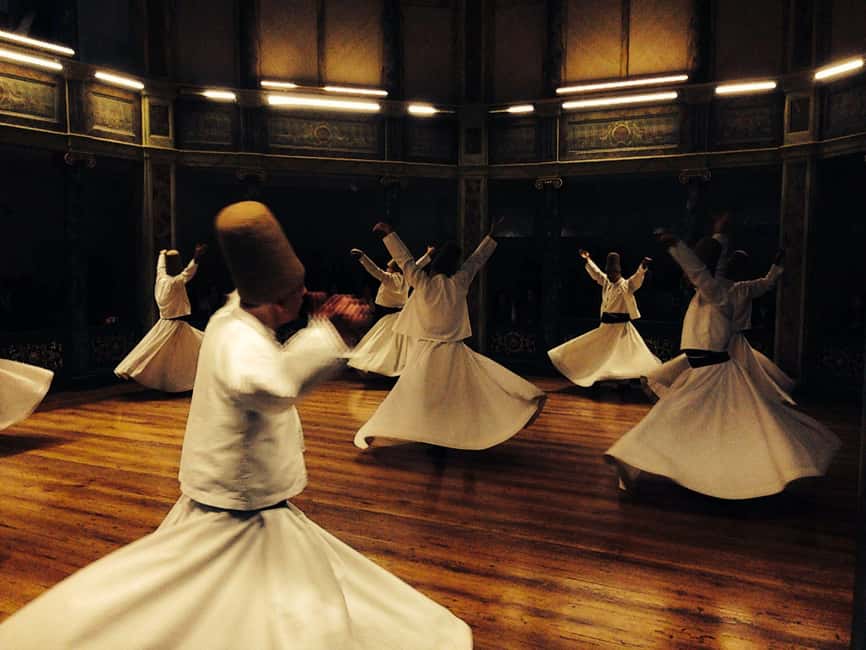
That location also shapes the mood. The venue has wooden details and soft lighting, rather than the feel of a large entertainment hall. You are entering a place intended for concentration. The setting helps you shift gears after a day of sightseeing, when Istanbul’s traffic, calls to prayer, shopkeepers, and crowds may have filled your senses.
The ceremony itself lasts one hour. That is long enough to understand the basic pattern and atmosphere, but short enough to fit between other plans. I would schedule it after major sightseeing rather than before. You can arrive with time to spare, settle into your seat, and let the evening become quieter.
The exact meeting point can vary by the option you book, so check your confirmation carefully. Transportation is not included, and you are responsible for reaching the venue yourself. Since the location is near Hagia Sophia, allow time to find the entrance and arrive before the ceremony begins.
More Cultural Shows in Istanbul
- Istanbul Traditional Turkish Dinner and Dervish Experience
★ 5.0 · 490 reviews - Bosphorus Dinner Cruise with Folklore Show & Belly Dancers
★ 5.0 · 259 reviews - Istanbul: Traditional Turkish Dinner and Dervish Experience
★ 5.0 · 109 reviews
What happens before the dervishes begin
Before the ritual, an English-speaking host gives background on the Mevlevi Order and the teachings of Rumi. This introduction matters because the whirling can seem mysterious if you see only the movement. The explanation gives you a way to understand the ceremony as a spiritual practice, not a dance routine designed only for an audience.
You learn about the meaning attached to the dervishes’ clothing, posture, and gestures. The white garments are part of the visual language of the ritual, and each movement points to a stage in a spiritual journey toward divine love and unity.
The introduction should help you watch with more attention. Instead of asking only how the dervishes keep turning, you can notice the changes in pace, the relationship between the music and movement, and the sense of order within the ceremony.
A digital guide is also available in seven languages: English, German, French, Italian, Russian, Spanish, and Arabic. The host’s language is English, while the digital guide gives you another way to follow the ideas. This is especially useful if you want more context but prefer to listen quietly rather than ask questions during the event.
The commentary takes place before and after the ceremony. That timing is sensible. During the ritual, silence is expected, so you get cultural explanation without interrupting the central experience.
The music gives the ceremony its shape
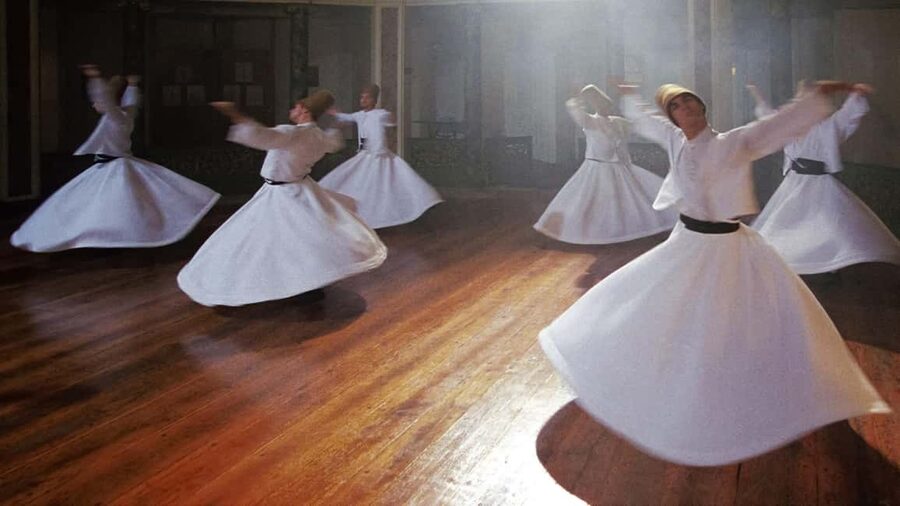
The sound is not background decoration. Live Sufi music guides the rhythm of the ceremony and helps set its reflective tone.
The ney is a reed flute with a soft, breathy sound. The kudüm provides the small drumbeat, and the kanun, a zither-like instrument, adds a plucked, bright texture. Together, these instruments create a sound very different from a modern concert or a recorded soundtrack.
I especially like that the music is performed live. It gives the ritual a sense of presence, even though the pattern of the ceremony is centuries old. You are not simply watching a repeated routine while a track plays in the background. The musicians and dervishes share the same space and rhythm.
Still, keep your expectations in check. The music is devotional and measured, not a concert performance with changing songs and applause points. Some parts may feel restrained. That restraint is part of the point, but it will not suit anyone looking for a lively stage show.
Understanding the whirling ritual
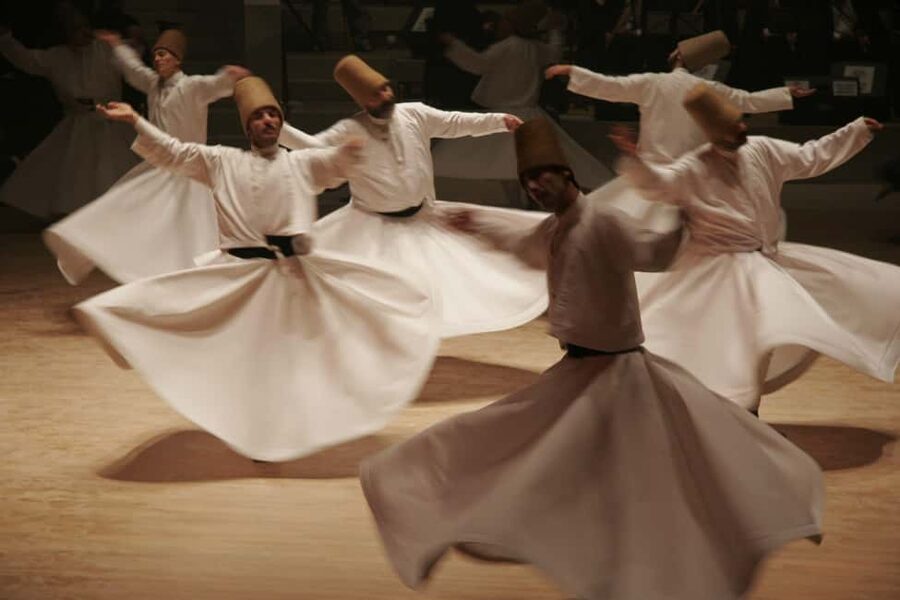
The dervishes revolve in white garments as the music continues. The movement is graceful and controlled, but the important feature is not the physical skill alone. The ceremony is meant to express a spiritual path toward unity and divine love.
The Mevlevi tradition is linked to Rumi, the poet and thinker whose teachings inspired the order. You do not need prior knowledge of Rumi to follow the basic ideas. The host and digital guide provide the essential context, then the ceremony allows you to see how those ideas are expressed through movement.
Watch for the symbols in the clothing and gestures. The ceremony asks you to notice small details rather than wait for a dramatic climax. The white robes, turning motion, music, and formal pattern all work together.
This is why silence matters. Conversations, loud reactions, and flash photography would pull attention away from the ritual. The rules are not fussy theater etiquette. They protect the atmosphere for both the performers and the people watching.
You should also know that the ceremony is not presented as a standard theatrical production. It is described as a spiritual ritual, and you are expected to approach it with respect. That may mean sitting quietly even if you do not connect with every part of the belief system.
More Cultural Shows in Turkey
- Turkish Dance Show at Hodjapasha Cultural Centre in Istanbul
★ 4.7 · 56 reviews - Göreme: Dinner and Folk Show at a Cave Restaurant
★ 4.4 · 302 reviews - Mystical Whirling Dervish Ceremony at Motif Cultural Centre
★ 4.6 · 82 reviews - Traditional Turkish Night Show with Dinner&Non limit Drinks
★ 4.5 · 9 reviews
Seating, timing, and the best way to prepare
Seating is unassigned and limited. Arriving early is the most useful practical tip here. You can settle in without rushing, and you improve your chance of getting a clear view.
The one-hour duration makes the experience easy to plan, but do not arrive at the last minute just because the ceremony is short. The venue may take a little time to find, and the seating arrangement is not reserved by ticket. Build in enough time to reach the area near Hagia Sophia and locate the entrance.
Restrooms are available before and after the ceremony, but not during it. Plan accordingly, especially if you are combining this with a longer evening out.
Flash photography is not allowed, and noise is not allowed. Treat your phone as something to silence and put away. The goal is not to collect a series of photographs. It is to watch the ceremony directly and let the music carry the hour.
Wheelchair access is available, which makes this a practical cultural option for people with limited mobility. Transportation is not included, so you still need to arrange your route to the venue. The meeting point may vary with the booking option.
Is $23 a fair price?
At $23 per person, this sits in the modest price range for a central Istanbul cultural activity. The value comes from the combination of location, live music, presentation, and the short time commitment.
You are paying for admission to the ceremony, live traditional music, commentary before and after, and the multilingual digital guide. A glass of Turkish tea or sherbet is also included at the end. Food is not included, and extra drinks are not part of the price, but this is not meant to replace dinner.
I think the price works best for someone who wants cultural context without booking a long guided tour. You get a focused introduction to Mevlevi practice, then time to reflect on what you have heard. The near-Hagia Sophia location also gives the ticket added practical value because you can combine it with other plans in the old city.
The value is less convincing if you are only seeking entertainment. A one-hour spiritual ceremony is not the same as a dance show, music concert, or evening of folk performances. You are paying for atmosphere and meaning as much as for spectacle.
The tea or sherbet brings the evening back to earth
After the ceremony, you can have complimentary Turkish tea or sherbet. It is a small detail, but it fits the experience well.
The drink gives you a quiet moment after the formal ritual ends. You can process what you have seen, listen to the final commentary, and return to the sounds of Istanbul at your own pace.
Do not expect a full refreshment service. Food and additional drinks are not included. Think of the tea or sherbet as a traditional closing touch rather than part of the meal plan.
Who will enjoy this most?
I would recommend this ceremony to adults and culture enthusiasts who want a thoughtful evening activity. It is a good match if you enjoy music, religious traditions, poetry, and the meaning behind ceremonies.
It also suits you if your Istanbul schedule is already built around Sultanahmet. The venue’s location near Hagia Sophia means you do not need to cross the city for the experience.
The activity may work well for first-time visitors because the host supplies basic background before you watch. It can also suit returning visitors who want something quieter than another monument or market.
Children under two are not suitable for the experience. Older children may or may not enjoy the stillness, but the supplied information specifically identifies the activity as best for adults and culture enthusiasts. If a young child cannot sit quietly for an hour, this is not the right choice.
People who need a lively presentation should think carefully before booking. The atmosphere is calm, formal, and reflective. There is no mention of audience participation, dancing lessons, or a large theatrical production.
A simple evening plan around the ceremony
You could spend the afternoon in the Sultanahmet area, then leave enough time to reach the venue near Hagia Sophia before the scheduled start. Since the meeting point can change with the option selected, use the booking details to plan your route.
Arrive early for seating. Listen to the host’s explanation, then let the ceremony unfold without conversation or flash photography. Afterward, take the included tea or sherbet and use the post-ceremony commentary to clarify what you have seen.
This plan works because the activity does not consume an entire evening. You can still have dinner afterward, although you will need to arrange that separately. You also avoid adding transportation costs because you make your own way to the venue.
The main thing is to avoid packing the ceremony into a rushed schedule. You may technically have time to hurry in from another attraction, but that would work against the peaceful mood. Give yourself a buffer.
Booking flexibility and access
The experience allows free cancellation up to 24 hours before the start time for a full refund. You can also reserve now and pay later, which helps if you are still arranging your Istanbul schedule.
Starting times vary, so check availability for your date. The activity is one hour long, but the best time depends on what else you plan to see near Hagia Sophia.
An English-speaking host or greeter is provided. The optional digital guide adds German, French, Italian, Russian, Spanish, and Arabic. The venue is wheelchair accessible, though you should still review the specific meeting instructions for your selected option.
These details make the ceremony easier to fit into a wider trip. You get a fixed cultural experience without committing to transport, a full meal, or a long tour outside the old city.
Should you book this ceremony?
Book it if you want to see a traditional Mevlevi ceremony in a calm setting, hear live Sufi music, and understand the symbolism before the dervishes begin. The central location, one-hour format, multilingual guide, and $23 price make it an easy addition to an Istanbul itinerary.
Skip it if you want a high-energy show, unstructured photography time, or a performance with audience interaction. The experience asks you to sit quietly and watch with respect.
For me, the strongest reason to choose it is the balance of access and atmosphere. You get a meaningful look at a living tradition without spending half a day on transport. Arrive early, silence your phone, and approach the ceremony as a ritual rather than a tourist spectacle. That is when the experience makes the most sense.
FAQ
Where does the Whirling Dervish ceremony take place?
It takes place near Hagia Sophia in Istanbul’s historic center. The exact meeting point can vary depending on the option booked.
How long does the ceremony last?
The activity lasts one hour.
How much does the experience cost?
The listed price is $23 per person.
Is transportation included?
No. Transportation to and from the venue is not included, so you must make your own way there.
What is included in the ticket?
Admission, live Sufi music, commentary before and after the ceremony, and a multilingual digital guide are included.
Which languages are available?
The host or greeter speaks English. The optional digital guide is available in English, German, French, Italian, Russian, Spanish, and Arabic.
Is the venue wheelchair accessible?
Yes. The venue is accessible for people with limited mobility.
Can I take photographs during the ceremony?
Flash photography is not allowed. Noise is also not allowed, so use your phone quietly and follow the venue’s rules.
Should I arrive early?
Yes. Seating is unassigned and limited, so arriving early gives you a better chance of finding a preferred spot.
Can I cancel the booking?
Yes. You can cancel up to 24 hours in advance for a full refund. You can also reserve now and pay later.
More Traditional and Cultural Shows in Istanbul
- Xcaret Park Entry Tickets with Cultural Night Show Included
★ 4.5 · 2,382 reviews - Xcaret Park Day Trip, transportation and Cultural Night Show
★ 4.5 · 1,899 reviews - Dubai: Tour with BBQ Dinner, Camel Ride, & Traditional Show
★ 4.8 · 1,687 reviews - From Krakow: Polish Folk Show with All-You-Can-Eat Dinner
★ 4.5 · 1,593 reviews
More Turkish Night Shows in Istanbul
- Istanbul: Bosphorus Dinner Cruise & Turkish Night Show
★ 4.8 · 12,954 reviews - Istanbul: Hodjapasha Whirling Dervishes Show & Exhibition
★ 4.4 · 4,790 reviews - Istanbul: Bosphorus Dinner Cruise with Turkish Night Show
★ 4.6 · 1,950 reviews - Istanbul: Whirling Dervishes Ceremony and Mevlevi Sema
★ 4.3 · 1,694 reviews
Just added around Istanbul
- Istanbul: Belly Dancing, Show, & Dinner at Sultana’s Ticket★ 3.8 · 71 reviews
- Istanbul: Legends Show – Live Storytelling by Hagia Sophia★ 4.5 · 9 reviews
- Istanbul: Whirling Dervish Show★ 5.0 · 2 reviews
- Istanbul: Magic of Bosphorus, Full Meal & Turkish Night Show★ 4.5 · 204 reviews
- Istanbul: Whirling Dervish Ceremony★ 5.0 · 3 reviews
- Istanbul: Dinner Cruise & Dance Shows with Private Table★ 4.9 · 15 reviews
- Istanbul: Bosphorus Tour With Whirling Dervish Show★ 3.7 · 31 reviews
- Istanbul City Sightseeing Tour & Turkish Dinner & Show★ 3.4 · 16 reviews
Istanbul Shows, compared.
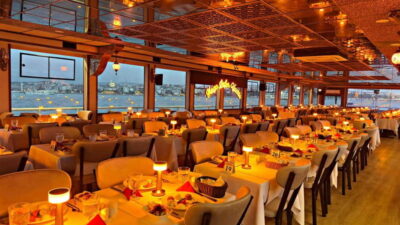
Bosphorus Dinner Cruise & Show with Private Table
Read our review →
Bosphorus Dinner Cruise & Turkish Night Show
Read our review →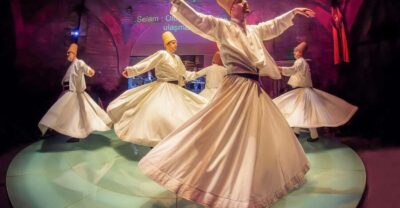
Hodjapasha Whirling Dervishes Show & Exhibition
Read our review →
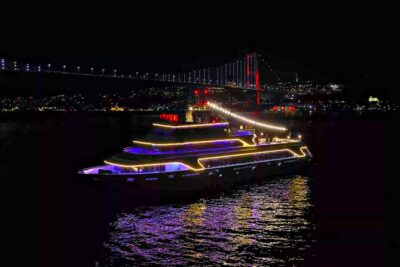
Bosphorus Dinner Cruise with Show and Private Table
Read our review →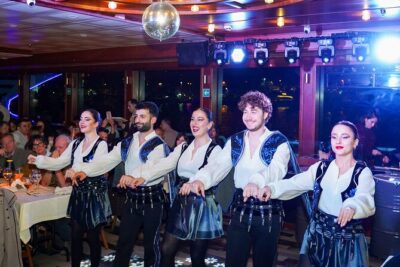
Bosphorus Dinner Cruise with Turkish Night Show
Read our review →