
Review · ISTANBUL
Istanbul: Whirling Dervishes Ceremony and Mevlevi Sema
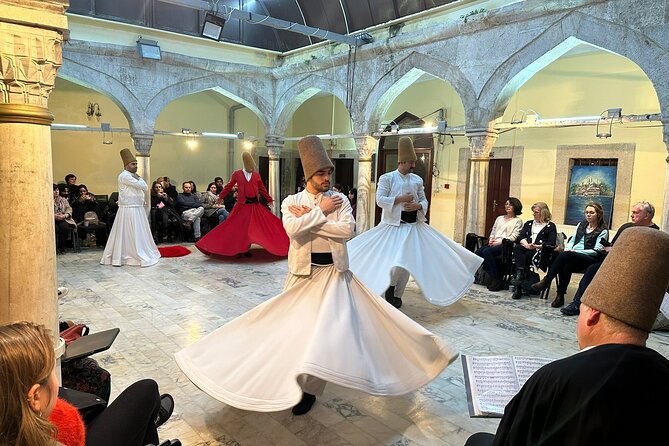
The remarkable part of this Istanbul experience is not simply watching men spin in white robes. It is seeing a centuries-old Mevlevi Sema ritual unfold in a small medrese, accompanied by live music and chanting. The ceremony connects movement, sound, clothing, and spiritual ideas in a way that rewards quiet attention.
I like the intimate historic setting, where you are close enough to notice the careful footwork and calm concentration. I also like the practical value: for $23, you get a full hour, live musicians, tea before the ceremony in some cases, and an English audio guide for your phone.
The main drawback is the lack of a spoken introduction. You need to read a little beforehand, arrive at least 15 minutes early, and remember that this is a religious ceremony, not a theatrical show with narration and applause.
Key points to know before booking
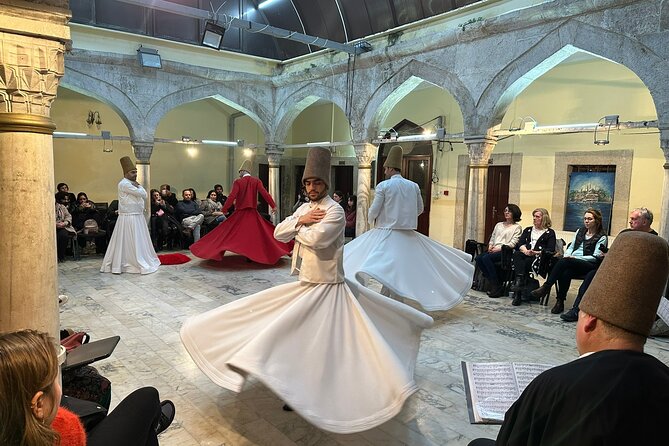
- The ceremony lasts one hour, with roughly the first half focused on music and chanting, followed by the dervishes’ whirling ritual.
- Hoca Rüstem Medrese is a compact venue, so arriving early matters if you want a front-row seat and a clear view.
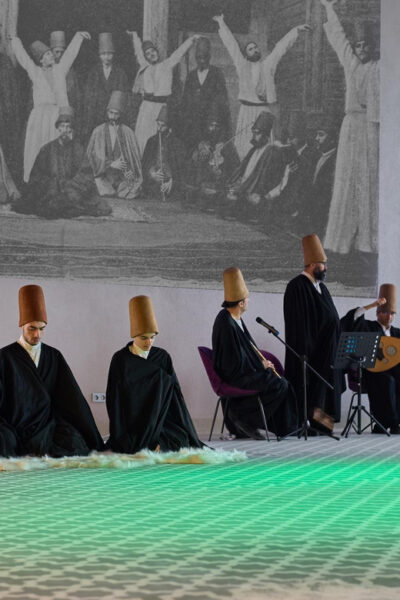
- The ceremony has deep symbolism: black cloaks represent death, white robes represent rebirth, and the tall hats symbolize tombstones of the ego.
- Live music is a major part of the experience, not background sound. Musicians perform traditional instruments and vocal passages before the dancers appear.
- Bring headphones and a charged smartphone to use the English audio guide, since the ceremony itself usually has little or no explanation.
- The $23 price is fair for a central Istanbul cultural experience, especially if you value atmosphere and tradition more than a guided lecture.
Why the whirling matters beyond the spinning
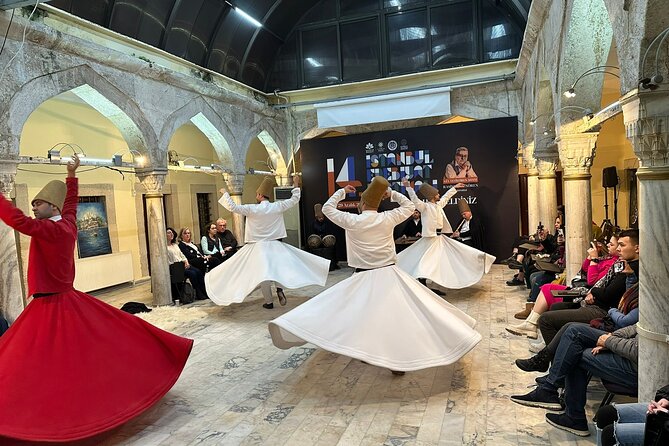
The Mevlevi Sema comes from the Sufi tradition associated with Mevlana Jelaleddin Rumi. The order took shape around the idea of pure love, spiritual discipline, and harmony with creation. Its name, Mevlevi, comes from Mevlana, whose writings later became widely known far beyond Turkey.
The dancers’ turning is not meant as a stunt. In Mevlevi thought, creation itself is full of cycles and motion: day follows night, seasons change, life moves toward death, and the blood circulates through the body. The whirling gesture reflects the wish to move in harmony with that wider order.
That context changes what you see. Without it, the ceremony can look like a graceful dance show. With it, the slow preparation, the music, the clothing, and the repeated turning begin to feel like parts of one carefully ordered act.
You do not need to share the faith to appreciate the ceremony. You do need to give it some respect. The best approach is to sit quietly, watch closely, and avoid treating the ritual as a photo opportunity.
More Turkish Night Shows in Istanbul
- Istanbul: Bosphorus Dinner Cruise & Turkish Night Show
★ 4.8 · 12,954 reviews - Istanbul: Hodjapasha Whirling Dervishes Show & Exhibition
★ 4.4 · 4,790 reviews - Istanbul: Bosphorus Dinner Cruise with Turkish Night Show
★ 4.6 · 1,950 reviews
Entering Hoca Rüstem Medrese in central Istanbul
The ceremony takes place at Hoca Rüstem Medrese, in the heart of Istanbul. The small venue is one of the experience’s strongest features. Rather than watching from a large auditorium, you sit in a compact space where the musicians and dervishes feel close.
The setting helps create the calm mood. Several people describe the venue as intimate, cozy, and well suited to the ceremony. Its old religious character adds weight to the hour, even though the experience is arranged for modern visitors.
Finding the entrance can take a little care. The meeting point is in the Fatih area, close to major Sultanahmet sights, but some people have found the location harder to spot than expected. I would not cut arrival too close. Keep the address available on your phone and allow time to get oriented.
You need to be in the hall 15 minutes before the starting time. In practice, earlier is better. The room has limited seating, and the front rows fill well before the stated arrival deadline. One person who arrived 40 minutes early still missed the front row, while another was seated partly behind a pillar after arriving late.
Tea is sometimes served while you wait, which is a small but welcome touch, especially in cool weather. It also gives you a few quiet minutes to read about the ceremony before it begins.
The first 20 to 30 minutes: music, chanting, and preparation
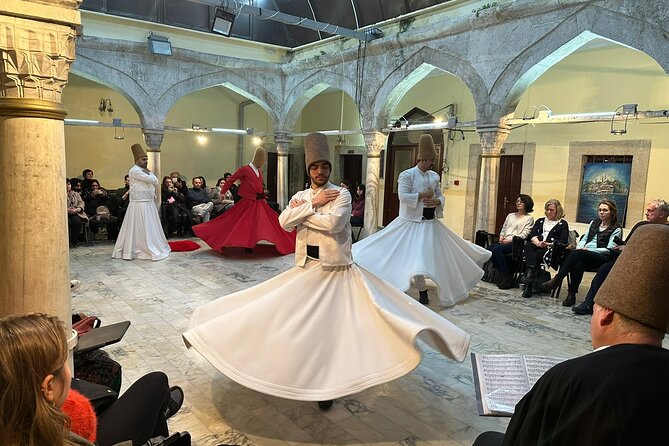
The event usually begins with the musicians rather than the whirling. Allow roughly half an hour for this opening section, though the exact balance can vary. Traditional instruments, singing, and chanting create the mood before the dervishes enter.
This portion deserves your attention. If you arrive expecting immediate spinning, the opening may feel slow. If you understand that the music prepares the spiritual setting, it becomes an important part of the ritual rather than a long prelude.
The musical group is small, with three musicians described in the available information. Their performance includes instrumental passages and vocal elements, including a traditional opening prayer. The sound has a direct, unpolished quality that suits the setting better than a heavily staged production would.
I especially like this structure because it gives the ceremony time to settle. The room grows quiet, the music establishes a steady rhythm, and the transition to the dancers feels earned. Several descriptions of the experience single out the musicians as highly skilled and enthusiastic.
Do not expect a concert explanation in English. The host or greeter is English-speaking, and an English audio guide is included, but there is generally no detailed spoken introduction before the ritual. You will get more from the music if you learn a little about Mevlevi Sema in advance.
The dervishes’ entrance and controlled turning
The dervishes appear after the musical opening. Their entrance begins the most familiar part of the ceremony, but the whirling is more measured than a stage performance. The movements are controlled, repetitive, and focused.
The black cloak worn at the beginning represents death. When it is removed, the white robe beneath symbolizes rebirth. The tall felt hat represents a tombstone for the ego. These details are not decorative costume choices. They describe a spiritual passage from the self toward divine love and unity.
The position of the hands carries meaning as well. The right hand is raised toward the sky to receive divine blessing, while the left hand turns toward the earth to pass that blessing onward to humanity. The body turns, but the purpose is not merely physical movement. It is a symbolic connection between heaven, earth, and the individual.
The dervishes’ apparent lack of dizziness is part of the fascination, but the important quality is their concentration. Their faces and posture remain composed as the skirts open and the bodies turn in a steady rhythm. In a small hall, you can notice how disciplined the movement is.
Seating affects how much of this you see. From the front, you have the clearest view of the dancers’ feet and hand positions. From the back, you may gain a wider view of the whole ritual, and you can sometimes stand at the rear for photographs. A pillar or crowded seating can block part of the view, so early arrival is the safest choice.
Same place, a different night out:
- Istanbul: Bosphorus Dinner Cruise & Show with Private Table
★ 4.8 · 62,058 reviews - Istanbul: Bosphorus Cruise with Dinner Show
★ 4.4 · 2,181 reviews - Bosphorus Dinner Cruise with Show and Private Table
★ 4.5 · 2,021 reviews - Istanbul: Hodjapasha Rhythm of The Dance Show
★ 4.7 · 1,451 reviews
A religious ceremony, not a standard stage show
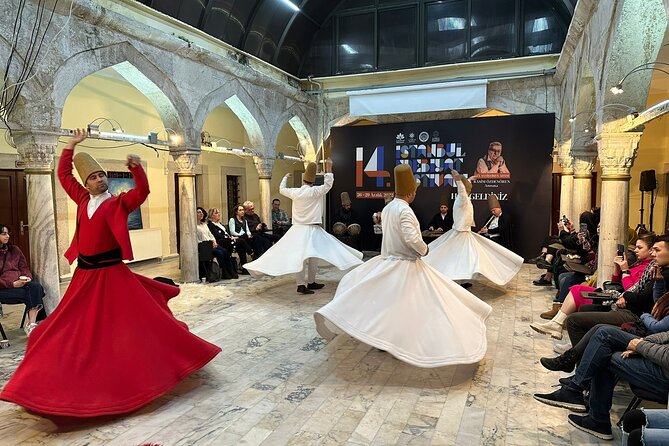
This distinction matters. The experience is sold to visitors and takes place at a scheduled time, but the Mevlevi Sema itself is a religious practice. Some people find the presence of applause uncomfortable, particularly at the end.
I suggest that you treat the hour as a time for quiet observation. Turn off unnecessary phone sounds, keep photography discreet, and do not assume that applause is expected. The ceremony’s power comes partly from its restraint.
You may find the atmosphere moving even if you do not understand Turkish or Arabic passages. The music, repeated movement, and silence communicate something without translation. Still, cultural context makes a major difference, which is why the included audio guide is useful.
The audio guide is available in English through your smartphone. Bring your own headphones and make sure your phone is charged. It can provide background information before or after the ceremony, but do not expect it to replace a live explanation during the ritual.
What the ceremony does well, and where it falls short
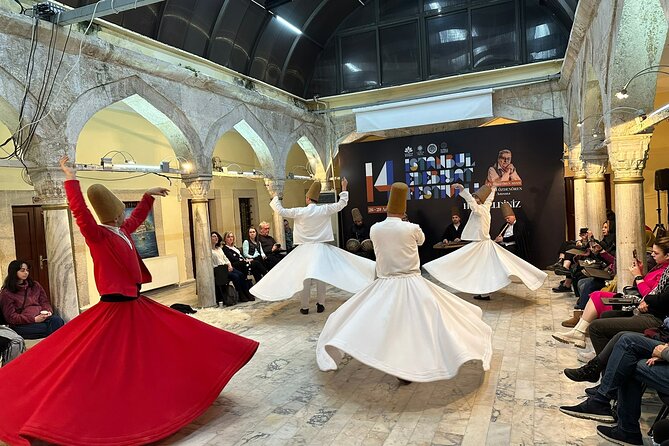
The strongest part of this experience is its sense of focus. The small venue, live music, plain presentation, and close seating keep attention on the ritual. There are no elaborate stage effects or unnecessary entertainment around it.
The live musicians are another major strength. The ceremony would not have the same character with recorded music. The combination of instruments, chanting, and whirling creates a complete experience rather than a short dance demonstration.
The one-hour length is also well judged. You have enough time to settle into the music and watch the full ritual without giving up an entire evening. The ceremony can feel slow if you are not prepared for its religious nature, but it is unlikely to overwhelm a busy Istanbul itinerary.
The main weakness is the shortage of explanation. Several people would have preferred a brief introduction covering the symbolism, appropriate behavior, and spiritual purpose. The English audio guide helps, but you must use it on your own initiative.
There are also a few practical limitations. The seating is simple, the hall can feel crowded, and lighting panels at either end may distract if you are trying to take photographs. This is not the right choice if you want a polished theatrical production, a detailed lecture, or guaranteed unobstructed photography.
Is $23 good value in Istanbul?
At $23 per person, I consider this a reasonable purchase for a one-hour cultural experience in central Istanbul. The price includes admission to the ceremony and the English audio guide. You are not paying for hotel transport, a meal, or a long guided tour, so the value depends on what you want.
If you want a focused introduction to Sufi culture in an atmospheric setting, the price works well. You get live music, a complete ceremony, and access to information that can help explain what you are seeing.
If you are comparing it with a larger cultural show, this experience may feel basic. There is no promise of a full presentation, extensive commentary, or entertainment between sections. Its appeal comes from the ritual and the venue, not from production extras.
The pay-later option gives you some flexibility, and free cancellation is available up to 24 hours before the start time. Wheelchair access is listed, though the venue’s compact seating is still worth considering if you need a particular amount of room.
Who will appreciate this hour most?
I recommend it to you if you enjoy history, music, religious traditions, or quiet cultural experiences. It works especially well for a first visit to Istanbul because it adds another side of the city beyond palaces, mosques, markets, and food.
It is also a good choice for couples, families with older children, and anyone who wants a calm evening activity near Sultanahmet. The one-hour format makes it easy to fit around dinner or sightseeing.
You may want to skip it if you need constant narration or find slow ceremonial movement difficult to follow. Young children who expect an energetic dance show may also lose interest during the musical opening.
Before you go, read a short explanation of Mevlevi Sema and Rumi. Learn the meaning of the black cloak, white robe, tall hat, and hand positions. That small amount of preparation will help you see more than spinning.
Practical tips for a better seat and a better experience
Arrive earlier than the required 15 minutes if you care about your view. The hall is small, and only a limited number of rows are available.
Bring headphones and a fully charged smartphone for the English audio guide. Use the guide before the ceremony if possible, so you can watch without handling your phone during the ritual.
Wear something comfortable for sitting. The seating is adequate for an hour, but it is not described as luxurious. If you are sensitive to blocked views, avoid arriving at the last minute.
Treat the ceremony with quiet respect. The dervishes are not performing a party trick, and the music is not simply background entertainment. Let the room remain calm, and keep photographs discreet.
Plan your evening around the location. The medrese is close to Istanbul’s main historic sights, so you can combine the ceremony with Sultanahmet sightseeing and dinner nearby. The event itself does not include hotel pickup or drop-off, so you make your own way there.
Should you book the Istanbul Whirling Dervishes Ceremony?
Book it if you want an intimate look at Mevlevi tradition, live music, and a spiritual ceremony presented without a lot of modern staging. The atmosphere, close seating, and disciplined whirling are the reasons to come.
Do not book it expecting a guided show with a detailed explanation from the host. You need to prepare yourself with the audio guide or a little reading, and you should be comfortable sitting quietly for an hour.
For $23, this is a sensible addition to an Istanbul visit, especially if you arrive early and approach it as a religious ritual rather than a tourist spectacle. The ceremony may leave the strongest impression on you when you stop looking for entertainment and simply watch the music, movement, and silence work together.
FAQ
How long does the Whirling Dervishes Ceremony last?
The ceremony lasts one hour.
Where does the ceremony take place?
It takes place at Hoca Rüstem Medrese in the heart of Istanbul, in the Marmara Region of Turkey.
What is included in the ticket?
The ticket includes entry to the Whirling Dervishes ceremony and an English audio guide app for your smartphone.
Is hotel pickup included?
No. Hotel pickup and drop-off are not included, so you must make your own way to the venue.
How early should I arrive?
You must arrive at least 15 minutes before the ceremony begins. Arriving earlier is recommended if you want a better seat, particularly near the front.
Is an English guide available?
An English-speaking host or greeter is listed, and an English audio guide is included. The ceremony itself may not include a detailed live explanation.
What should I bring?
Bring headphones and a charged smartphone so you can use the audio guide.
Is the venue wheelchair accessible?
Yes, the activity is listed as wheelchair accessible.
Can I cancel for a full refund?
Yes. You can cancel up to 24 hours before the scheduled activity for a full refund.
Just added around Istanbul
- Istanbul: Belly Dancing, Show, & Dinner at Sultana’s Ticket★ 3.8 · 71 reviews
- Istanbul: Legends Show – Live Storytelling by Hagia Sophia★ 4.5 · 9 reviews
- Istanbul: Whirling Dervish Show★ 5.0 · 2 reviews
- Istanbul: Whirling Dervish Ceremony★ 5.0 · 3 reviews
- Istanbul: Dinner Cruise & Dance Shows with Private Table★ 4.9 · 15 reviews
- Istanbul: Magic of Bosphorus, Full Meal & Turkish Night Show★ 4.5 · 204 reviews
- Istanbul: Bosphorus Tour With Whirling Dervish Show★ 3.7 · 31 reviews
- Istanbul City Sightseeing Tour & Turkish Dinner & Show★ 3.4 · 16 reviews
Istanbul Shows, compared.
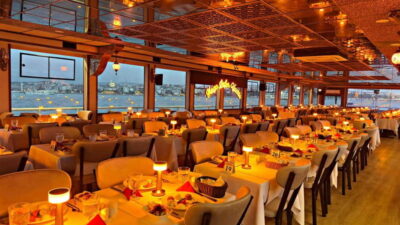
Bosphorus Dinner Cruise & Show with Private Table
Read our review →
Bosphorus Dinner Cruise & Turkish Night Show
Read our review →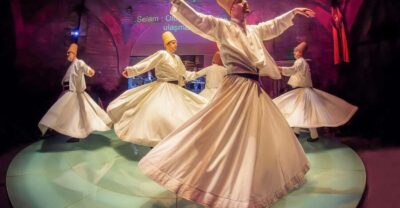
Hodjapasha Whirling Dervishes Show & Exhibition
Read our review →
Bosphorus Dinner Cruise with Show and Private Table
Read our review →
Bosphorus Dinner Cruise with Turkish Night Show
Read our review →
Browse the lists this show appears in