
Review · TOKYO
Tokyo: Ninja Kabuki Performance
Tokyo’s Ninja Kabuki Performance turns Japanese traditions into a fast-moving stage show of taiko drumming, kabuki movement, ninja action, and acrobatics. It is designed for an international audience, so you can follow the story without Japanese, while an English-friendly MC helps explain the action and keep the room involved.
I like two things right away: the drummers bring real force and skill, and the performance gives you more than a passive seat in the dark. You may learn sword movements, join a simple audience activity, and take photos with the performers afterward. The main caution is volume. Several parts are loud, and the second half may feel less focused if you came mainly for traditional kabuki.
Key points to know before you book
- Kabuki meets ninja theater: The show uses kabuki production methods with martial-arts movement, dance, acrobatics, and modern stage effects.
- The drumming is a major highlight: Wadaiko performers provide some of the most powerful moments of the performance.
- You do not need Japanese: The story is told without spoken dialogue, while the MC helps English-speaking visitors follow along.
- Expect audience participation: You may be taught sword techniques or hand signs, with photo opportunities at the end.
- Good for families: Children ages 0 to 6 enter free, and children under 16 must attend with a parent or legal guardian.
- Plan for assigned seating: You cannot reserve a specific seat, so arrive early if you hope for a better choice.
What this Shinjuku show is trying to do
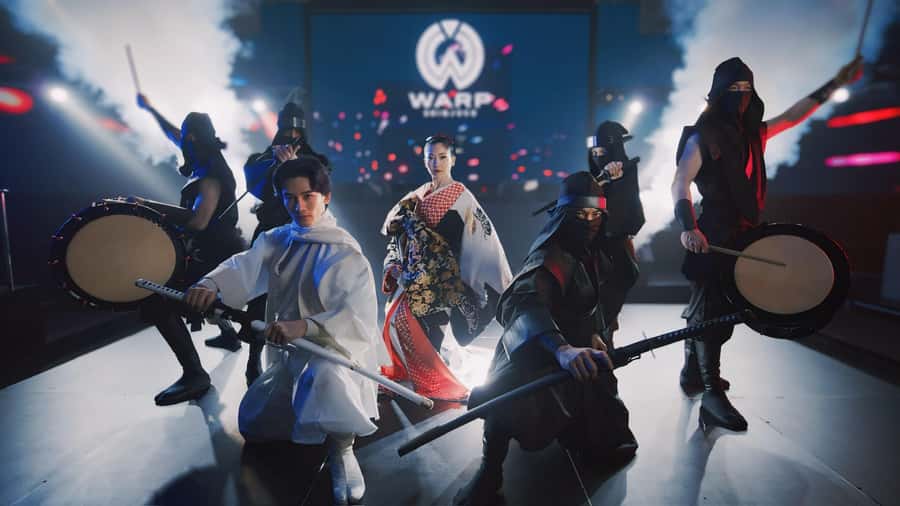
This is not a formal kabuki performance in the traditional theater sense. It is a modern cultural show built from kabuki ideas, with ninja legends, oiran dance, wadaiko drums, lighting, video, and stage comedy folded into one production.
That distinction matters. If you want a quiet, highly traditional performance with long scenes and careful historical detail, this may feel too flashy. If you want a short introduction to Japanese stage arts that works across language barriers, the format makes good sense.
The production is supervised by Denjiro Tanaka VII, a kabuki musician who performed at the opening ceremony of the Tokyo 2020 Olympic Games. The Japan Ninja Council also supervises the experience. Those details do not turn the show into a history lesson, but they give the performance a clear connection to Japanese stage and ninja traditions.
The story is largely non-verbal. You follow the plot through movement, costumes, expressions, music, visual effects, and physical comedy. This is useful in Tokyo, where visitors often want cultural entertainment but may not understand Japanese well enough for a spoken play.
A few more shows around Tokyo worth a look
- Mt Fuji & Hakone Cruise, Drum Show Bullet Train 1 Day from Tokyo
★ 4.0 · 7,413 reviews - Tokyo: Sumo Show and Dining Experience
★ 4.8 · 2,742 reviews - the SUMO show
★ 5.0 · 1,960 reviews
Entering the Second East Asia Hall in Shinjuku
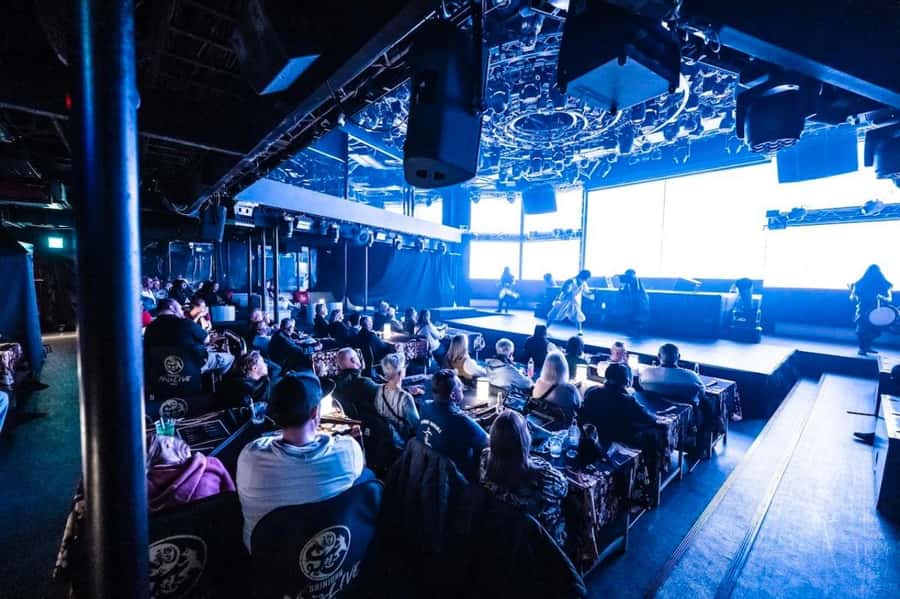
The meeting point is the Second East Asia Hall at 35.6952253, 139.701307. The venue is in central Shinjuku, so it fits neatly into an evening of sightseeing, shopping, dining, or neon-lit city views.
Show your ticket at the entrance. There is no transportation included, so you need to make your own way there. Since the venue is indoors and runs in all weather, it can be a practical choice on a rainy afternoon or when you need a break from the crowds and bright streets outside.
The current reception times listed for visits from April 22, 2025, are 13:40, 15:40, and 17:40. Check the available start time when booking, since the activity information describes the duration as one day for scheduling purposes, while the actual performance lasts about 80 minutes.
On arrival, staff distribute number tags in reception order. You are then guided to a seat based on your number. Specific seat reservations are not available. If sitting near the front matters to you, arrive early rather than assuming your ticket guarantees a particular view.
One useful practical point: keep identification with you. Staff may ask to confirm your purchase details, and accepted documents include a passport, driver’s license, photo Basic Resident Registration Card, My Number Card, or Certificate of Alien Registration.
The opening act: kabuki movement, ninja legends, and visual drama
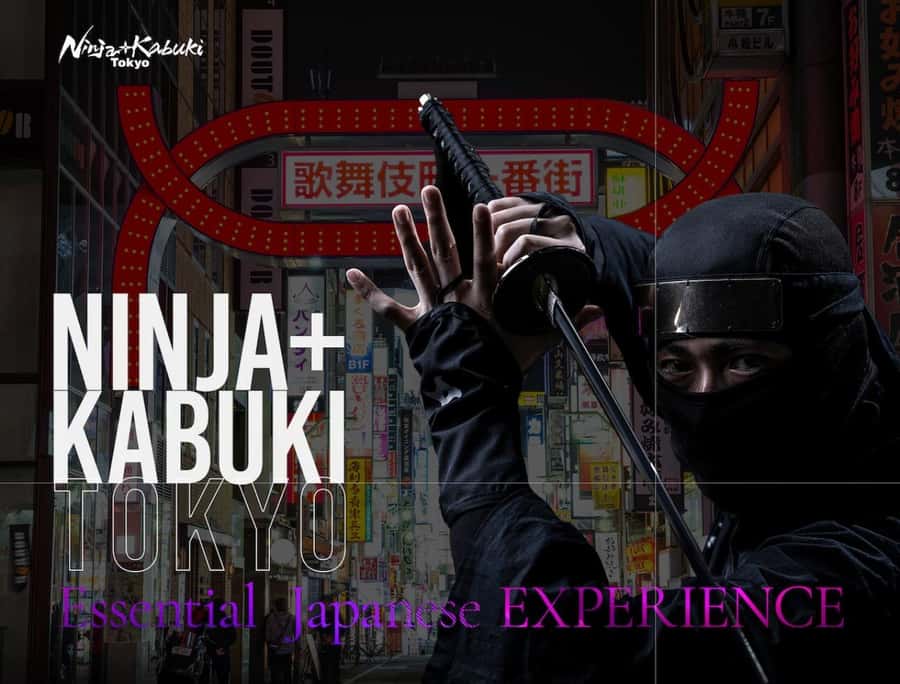
The first section is the strongest match for the show’s name. It brings together kabuki-style movement, ninja characters, dramatic costumes, martial-arts choreography, dance, and stage imagery.
You might see sword fighting, acrobatics, and carefully timed group movement rather than a spoken explanation of ninja life. That makes the opening easy to follow, even if you know little about kabuki or Japanese history. The show gives you a brief sense of how ninja stories have been shaped into popular theater.
The production also uses modern technology. Lighting, projected visuals, electronic music, and other effects create a more contemporary setting than you would find in a conventional kabuki theater. For some people, that combination is the best part. It makes old themes feel accessible and gives the performers a large visual frame for their athletic work.
I would pay close attention to the sections that place the performers against black-and-white imagery and strong music. These moments use costume, choreography, and lighting together, rather than relying on dialogue. The effect can be striking, especially when the action slows before a fast movement or fight sequence.
The drawback is that the show covers a lot of ground. A single production tries to present ninja culture, kabuki, oiran, drumming, comedy, acrobatics, and audience games. The result is lively, but not every section has equal weight. If you prefer the skilled actors and stunts of the first act, later segments may seem less essential.
Wadaiko drumming supplies the biggest burst of energy
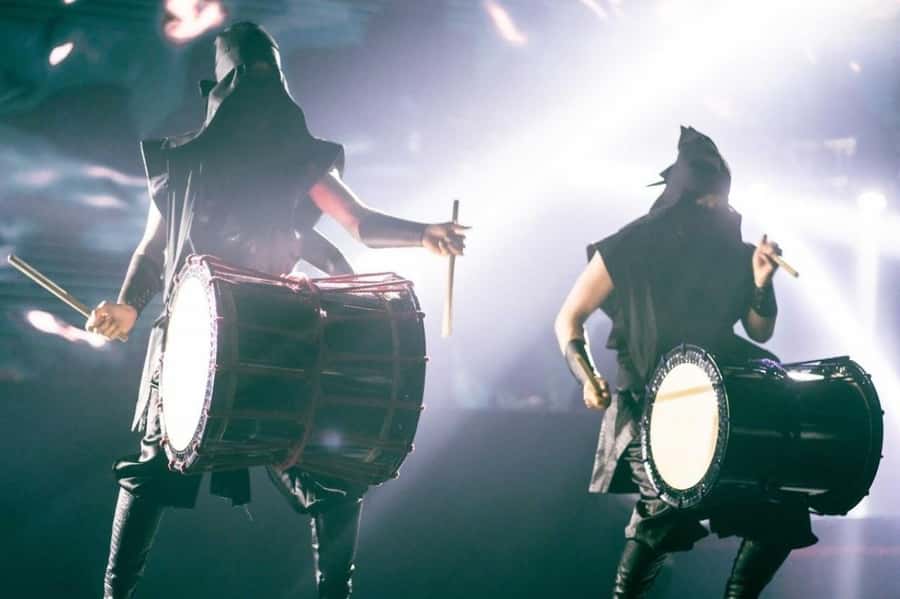
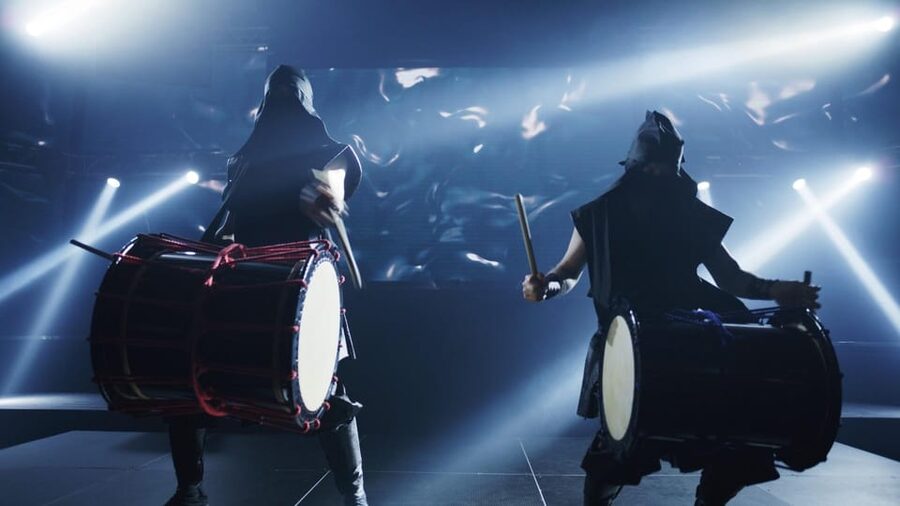
The wadaiko drummers are a central reason to book this performance. Their instruments provide the physical punch that holds the different sections together, and the sound fills the hall in a way recorded music cannot.
You will see the drummers working as performers, not simply providing background music. The timing, posture, and coordinated strikes are part of the spectacle. For many people, this is the most memorable part of the show.
The volume is also the clearest warning. Several visitors found the sound level very high, particularly during the drum sections. If you are sensitive to noise, bring earplugs or comfortable hearing protection. This is especially sensible for young children.
The show includes other music and dance as well. Oiran-inspired movement adds a different rhythm and visual style, while ninja choreography brings quick changes and athletic action. The contrast between slow, stylized movement and sudden physical bursts gives the program variety.
You should not expect a single steady mood. The performance may shift from serious theatrical scenes to comedy, audience instruction, electronic music, and playful interaction. That mixture suits families and mixed-age groups, but it may feel uneven if you want a carefully controlled artistic program.
Same place, a different night out:
- Tokyo: Japanese Dance Cabaret Theater Asakusa-Kaguwa Ticket
★ 4.8 · 2,270 reviews - Tokyo Shinjuku Sumo Show & Experience with Photo
★ 5.0 · 1,750 reviews - Tokyo: Samurai Restaurant Show Ticket with 2 Drinks
★ 4.5 · 1,307 reviews - Mt Fuji & Hakone Cruise, Drum Show Bus 1 Day from Tokyo
★ 4.0 · 1,287 reviews
The ninja lesson and audience interaction
A newer part of the experience introduces a segment meant to let you experience aspects of ninja life. The exact activity can include simple sword technique instruction, hand signs, or a throwing-style competition.
You are not just watching from your seat. The MC may invite the audience to copy movements or take part in a short lesson. This is a good feature for children, first-time visitors to Japan, and anyone who enjoys a little harmless stage participation.
The English support is useful here. One MC named Dai has been singled out for making the second section funny and easy to follow, and the show’s hosts are described as welcoming and capable of addressing English-speaking audiences. The non-verbal format carries the story, while the MC provides the social glue.
Audience involvement can also be the show’s weakest point for some people. If the hall is lightly attended, the room may not generate much collective excitement. The MC’s style is energetic and direct, which some people enjoy and others may find too loud or overplayed.
You can take photos with the ninja and kabuki performers at the end. This gives the evening a clear finish and is a nice extra at a $29 ticket price. If you want a souvenir, this free photo opportunity may matter more than buying merchandise, since a DVD is not offered.
A quick look at the oiran and kabuki elements
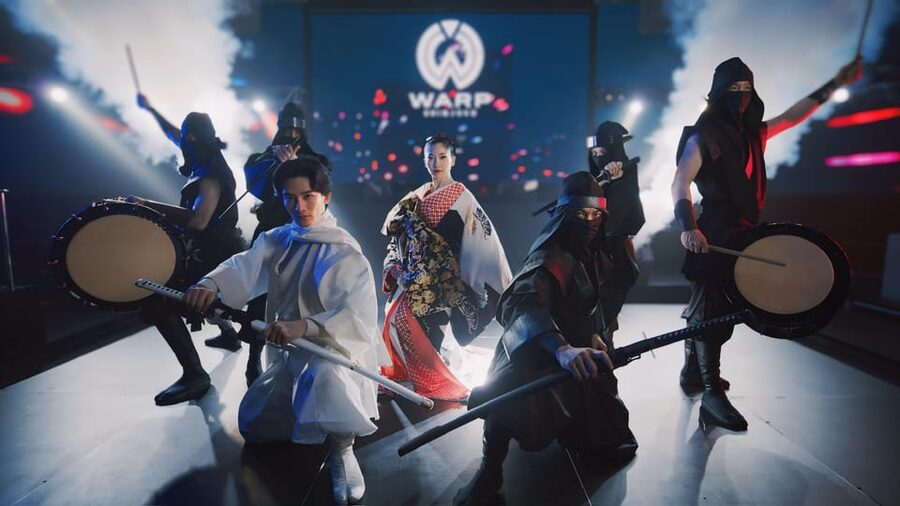
The oiran section introduces a stylized courtesan tradition through dance, costume, and controlled gestures. It is presented as part of the wider kabuki-inspired program rather than as a full historical lecture.
This section may appeal most if you enjoy visual theater. The costumes, posture, and slow movements provide a sharp contrast with the fast ninja scenes and hard-hitting drums.
Keep your expectations in check. You will get a short stage interpretation, not a detailed account of the lives of oiran or a full explanation of the social world of the Edo period. The show uses these traditions as theatrical building blocks.
That approach works for a first encounter. It gives you enough context to recognize different performance styles, then lets music and movement carry the rest. For deeper cultural background, you would need a museum visit or a more formal guided experience elsewhere in Tokyo.
How long the experience takes and how to plan your day
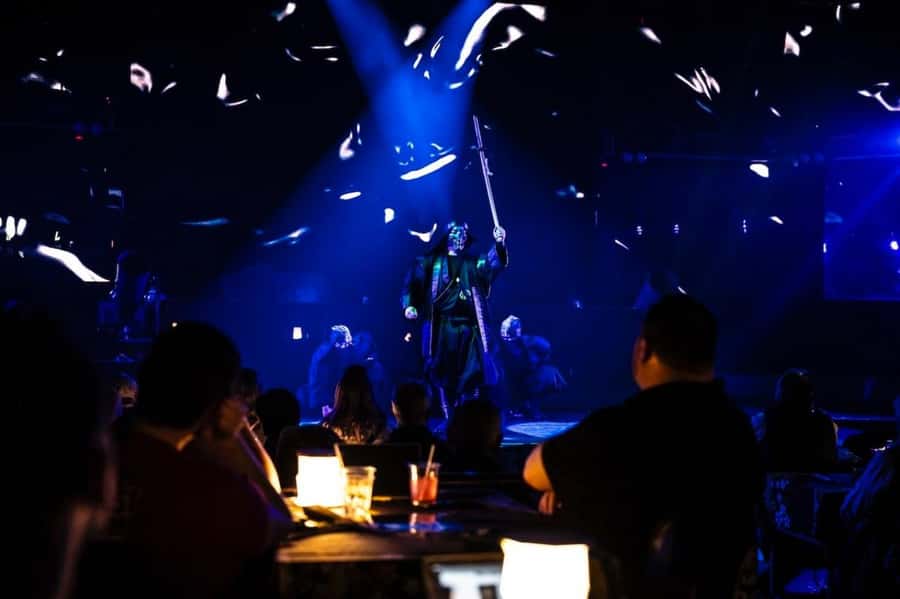
The stated performance time is 80 minutes. Allow roughly 80 to 90 minutes for the show itself, depending on the exact program and ending activities.
That makes it easy to place between other Shinjuku plans. A 13:40 performance works before an evening meal. The 15:40 show can break up a day of shopping or sightseeing. The 17:40 option fits naturally before dinner and after sunset, when Shinjuku’s lights become part of the evening.
The performance is indoors and all-weather, which gives you useful flexibility. You do not need to arrange a full-day outing around it. It is one contained activity with a clear start and finish.
Food and drinks are not part of the experience, apart from one bottle of mineral water. Food and drinks are not allowed inside, and some people would like a small snack or bar menu. Eat before you enter if you need something more substantial.
The venue is wheelchair accessible. Pets are not allowed, although assistance dogs are permitted. Weapons, sharp objects, alcohol, drugs, vaping, fire-related items, and explosive substances are prohibited. The rules also ask visitors not to make excessive noise, litter, or attend barefoot.
Is $29 a fair price?
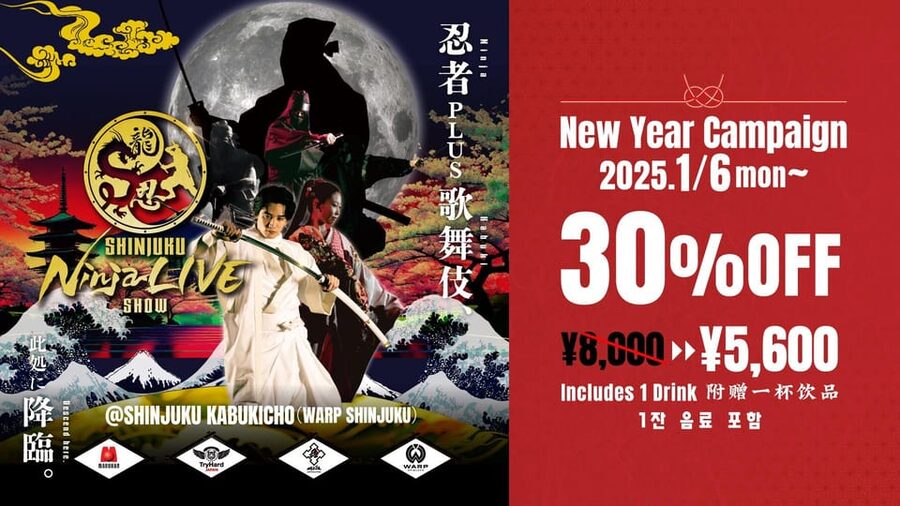
At $29 per person, the value is strongest if you treat this as an evening theater attraction rather than a full historical tour.
You receive the performance, a bottle of water, the ninja segment, and the chance for audience participation and photos. The show also gives you several forms of Japanese performance in one sitting: kabuki-inspired acting, wadaiko drumming, dance, acrobatics, martial-arts staging, costumes, and digital effects.
A dedicated kabuki performance or specialist cultural program may offer more depth in one art form. This show gives you breadth instead. For a family or group with different interests, that can be the better deal because everyone gets something: loud drums, action, comedy, dance, visual effects, and a simple cultural introduction.
I would be more cautious if you are paying mainly for a serious kabuki education. The performance is built for entertainment first. It explains some ninja history and tradition, but it does not provide a long scholarly account.
The free photo at the end adds a practical bit of value. So does the location. Since you can reach it as part of a Shinjuku day, you avoid paying for a separate excursion outside central Tokyo.
Who will enjoy it most
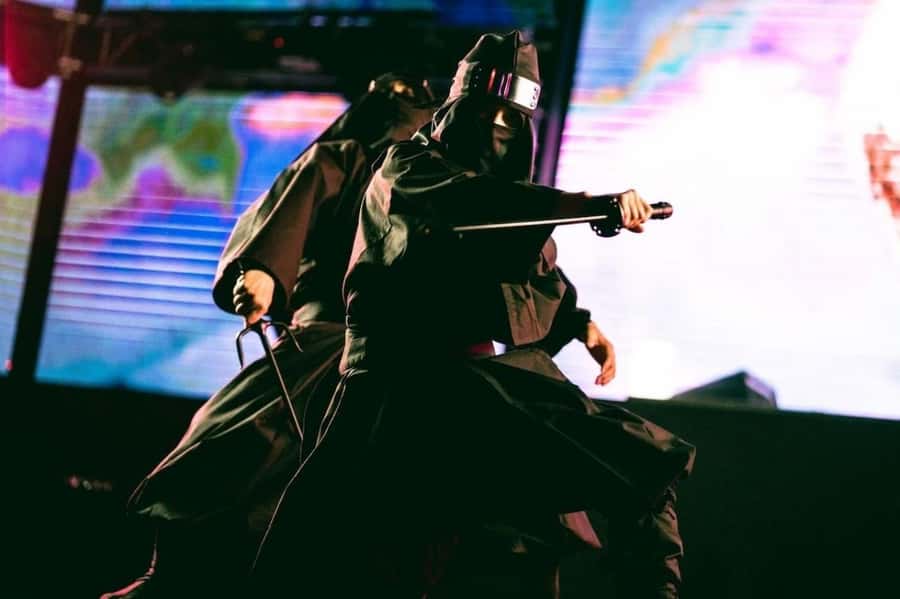
I would recommend this for families, first-time visitors to Japan, ninja fans, and anyone who wants a short cultural show without a Japanese-language barrier.
It also suits a rainy day, a pre-dinner activity, or a group that cannot agree on one type of entertainment. The audience participation keeps children involved, and the action gives adults more than a simple costume display.
Solo visitors can enjoy it too, especially if you like live music and visual theater. You may find the interactive portions less comfortable alone, but participation is part of the format rather than a requirement.
I would hesitate if you dislike loud sound, audience involvement, or theatrical comedy. I would also look elsewhere if your priority is a calm, traditional performance with sustained historical explanation. The show moves quickly and sometimes shifts from cultural material into general stage entertainment.
Booking, cancellation, and age rules
Children ages 0 to 6 can enter free, although food and drinks are not included. Children under 16 must attend with a parent or legal guardian, and unaccompanied minors are not permitted.
The booking information contains two different cancellation messages. One part says you can cancel up to 24 hours in advance for a full refund, while another says the product is non-refundable and the participation date cannot be changed after purchase. Because those terms conflict, confirm the conditions shown for your exact booking before paying.
The activity offers a reserve-now, pay-later option, which can help if your Tokyo schedule is still moving. Even so, check the final payment and cancellation terms carefully.
Do not attend if you have symptoms such as fever, breathing difficulty, unusual fatigue, sore throat, loss of taste or smell, nausea, vomiting, or joint pain. Entry may also be refused if staff determines that you are intoxicated.
Should you book the Ninja Kabuki Performance?
Book it if you want an accessible, high-energy introduction to several Japanese stage traditions in one compact Shinjuku outing. The drumming, acrobatics, costumes, ninja action, English-friendly hosting, and final photos give the $29 ticket a solid practical value.
Go in expecting a modern theatrical mix, not a formal kabuki recital. Bring hearing protection if loud sound bothers you, arrive early for a better number tag, and verify the cancellation terms before purchase. For families and first-time visitors, this is an easy cultural night out. For serious kabuki fans, it is best viewed as a lively sampler rather than the main event.
FAQ
Where is the Ninja Kabuki Performance held?
The meeting point is the Second East Asia Hall in Shinjuku, at coordinates 35.6952253, 139.701307.
How long does the performance last?
The stated performance length is 80 minutes. You should allow roughly 80 to 90 minutes for the full program and ending activities.
What performance times are available?
From April 22, 2025, reception is listed at 13:40, 15:40, and 17:40. Check availability for your chosen date.
Is the performance in English?
The main entertainment is non-verbal, so you can follow the action without Japanese. The MC also helps make the show accessible to English-speaking audiences.
Is transportation included?
No. You are responsible for getting to the Second East Asia Hall in Shinjuku.
Can I choose my seat?
No. Seat reservations are not available. Staff distribute number tags in reception order and guide you to seats according to those numbers.
Are children allowed?
Yes. Children ages 0 to 6 can enter free, and children under 16 must be accompanied by a parent or legal guardian.
Is the venue wheelchair accessible?
Yes, the activity information states that the venue is wheelchair accessible.
What is included with the ticket?
The ticket includes the performance, one bottle of mineral water, and the ninja experience segment. Transportation, food, and other drinks are not included.
Can I cancel my booking?
The activity information says cancellation up to 24 hours in advance may qualify for a full refund, but it also says the product is non-refundable and the date cannot be changed after purchase. Check the exact terms for your booking before payment.
Just added around Tokyo
- Tokyo: Taishu Engeki Show with Kimono and Sword Lesson★ 5.0 · 12 reviews
- Tokyo: Traditional Geisha Experience Show & Japanese Dinner★ 4.2 · 59 reviews
- Tokyo: Rainbow Bridge Day Cruise Show Unlimited Soft Drinks★ 4.5 · 86 reviews
- Tokyo: Taiko Drum Experience in Kabukicho with Dinner★ 5.0 · 3 reviews
- Tokyo: KABUKI, BUNRAKU, etc. presented by National Theatre★ 4.6 · 135 reviews
- Tokyo: Know about Kabuki performing – Ginza Walking★ 4.2 · 3 reviews
- Tokyo: Learn about Japanese Traditional art KABUKI in Ginza★ 3.2 · 5 reviews
- Tokyo: Family Sumo Workshop & Live Wrestling Show with Lunch★ 4.9 · 99 reviews
Tokyo Shows, compared.
Japanese Dance Cabaret Theater Asakusa-Kaguwa Ticket
Read our review →
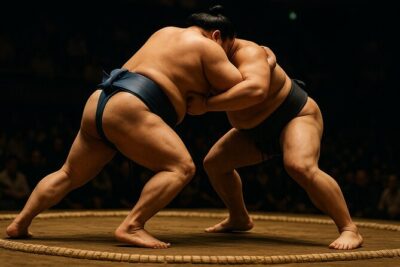
Tokyo Shinjuku Sumo Show & Experience with Photo
Read our review →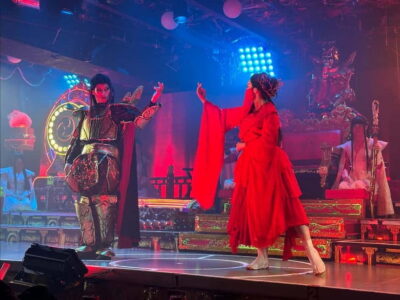
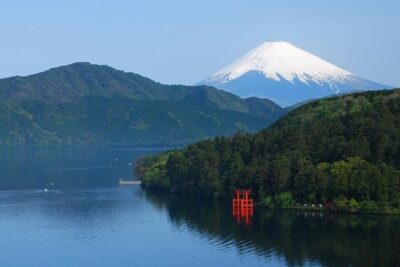
Mt Fuji & Hakone Cruise, Drum Show Bus 1 Day from Tokyo
Read our review →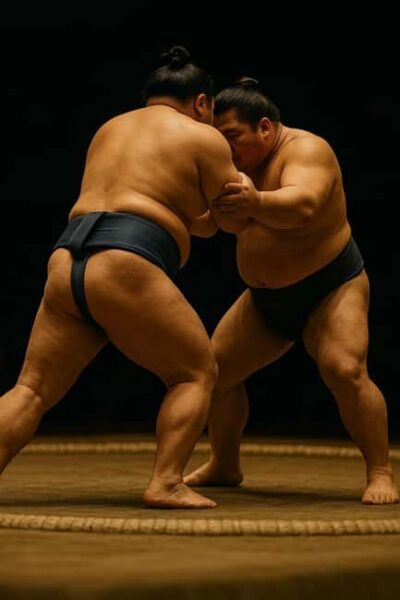
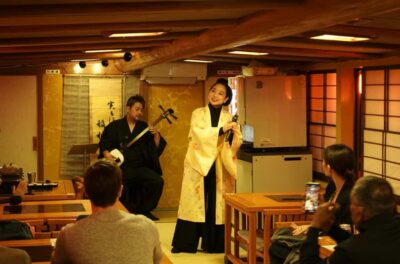
Yakatabune Dinner Cruise with Japanese Show & Drinks
Read our review →Browse the lists this show appears in