
Review · TOKYO
Tokyo: KABUKI, BUNRAKU, etc. presented by National Theatre
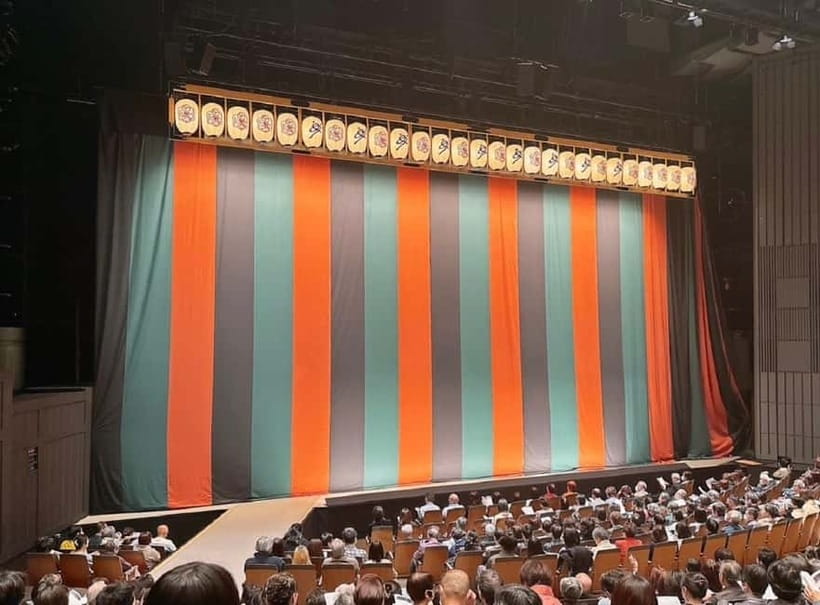
Japanese classical theatre is not a quick photo stop. Kabuki and Bunraku ask you to listen closely, watch small movements, and accept a slower rhythm than most modern shows. In return, you see performers preserving arts that have been passed down for centuries, in a real theatre setting rather than a tourist imitation.
I like the English audio guide, which gives you the story and key points without replacing the live Japanese voices. I also like the chance to hear traditional music without loudspeakers dominating the room. The main drawback is time: some programs last up to three hours, and the meaning of every line, gesture, and cultural reference will not always carry across in translation.
Key points to know before booking
- The venue is in Yokohama: The Bunraku performance takes place at KAAT Kanagawa Arts Theatre, not at the National Theatre in Hanzomon.
- The program depends on the date: Your ticket may be for Kabuki, Bunraku, or Hogaku, so read the option title carefully.
- English help is included: Kabuki and Bunraku have an English audio guide, while Hogaku comes with a free English explanation sheet.
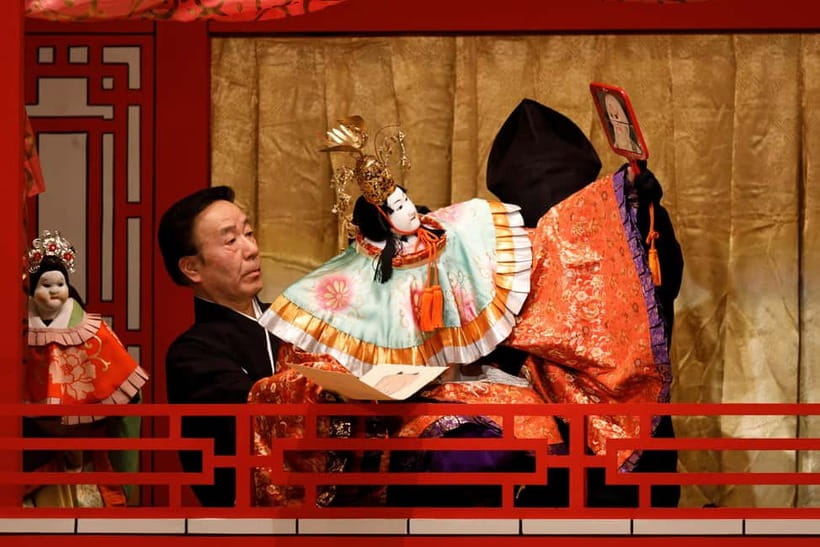
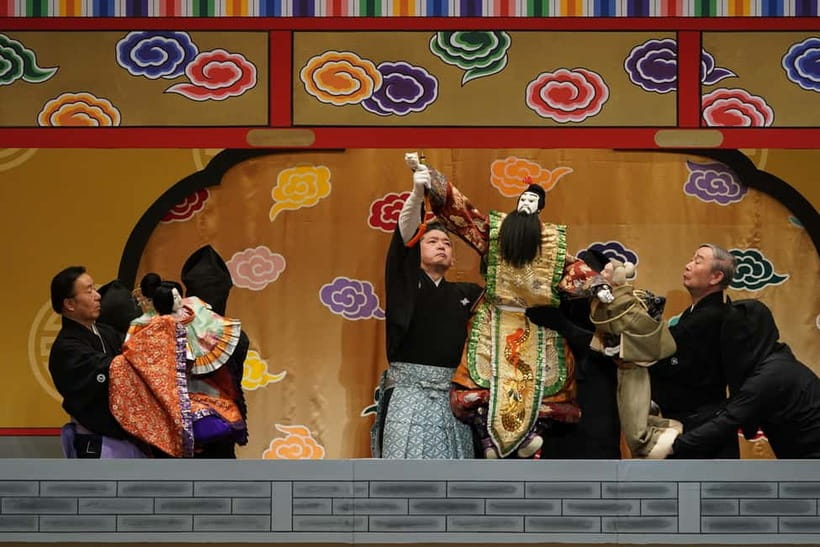
- Bunraku uses three art forms at once: A narrator tells the story, a shamisen player supplies the music, and puppeteers bring the figures to life.
- The performance may be slow for children: Quiet is expected, and some stories deal with serious subjects such as love suicide.
- Allow extra time in Yokohama: The theatre is a five-to-eight-minute walk from nearby Minatomirai Line stations, and you must exchange your voucher for a theatre ticket.
What this National Theatre program really offers
This is a chance to see Japanese classical performing arts in their proper form. The National Theatre Japan has supported these traditions since 1965, and the performers are trained in forms that have survived through many generations.
That does not mean every performance will feel instantly easy. Kabuki uses stylized acting, formal poses, elaborate costumes, musical cues, and stories drawn from Japanese history and drama. Bunraku works through a very different blend of narration, shamisen music, and puppetry. Hogaku focuses on traditional Japanese music rather than theatre.
I see the value here in the direct encounter. You are not watching a short demonstration arranged for tourists. You are attending a full cultural program, with the same patience and concentration expected in Japanese theatre. That can be rewarding, but you need to arrive ready to watch on its own terms.
The program length varies from 75 minutes to three hours. A shorter selection can fit neatly into a busy sightseeing day. A longer program needs planning, especially if Tokyo is your base and you are making the trip to Yokohama.
More Theatre Shows in Japan
- Tokyo: Japanese Dance Cabaret Theater Asakusa-Kaguwa Ticket
★ 4.8 · 2,270 reviews - Tokyo: KABUKI Show at Kabukiza Theatre Admission Ticket
★ 4.8 · 152 reviews - Kyoto: Non-Verbal Theatre Show Tickets at GEAR
★ 4.9 · 198 reviews
Getting to the Yokohama theatre
The supplied Bunraku meeting information places the performance at KAAT Kanagawa Arts Theatre in Yokohama. The closest station is Nihon-ōdōri Station on the Minatomirai Line, about five minutes on foot from Exit 3 or 4. Motomachi-Chukagai Station is about eight minutes away from Exit 1.
The Minatomirai Line connects directly with the Tokyu Toyoko Line and Tokyo Metro Fukutoshin Line. From Shibuya, a train bound for Motomachi-Chukagai takes about 45 minutes. That makes this a reasonable addition if you already plan to visit Yokohama, but it is not a central Tokyo theatre visit.
Check your exact meeting information before setting out. The National Theatre name can create confusion because the performance is not held at the National Theatre in Hanzomon. The venue can vary by date, and the information supplied for this option specifically identifies Yokohama.
When you arrive, you must exchange the GetYourGuide voucher for the theatre-issued ticket at the venue entrance. Staff will ask for the name used for the reservation. I would arrive early enough to complete this without rushing, particularly if you want time to find your seat and listen to any introductory explanation.
Choosing between Kabuki, Bunraku, and Hogaku
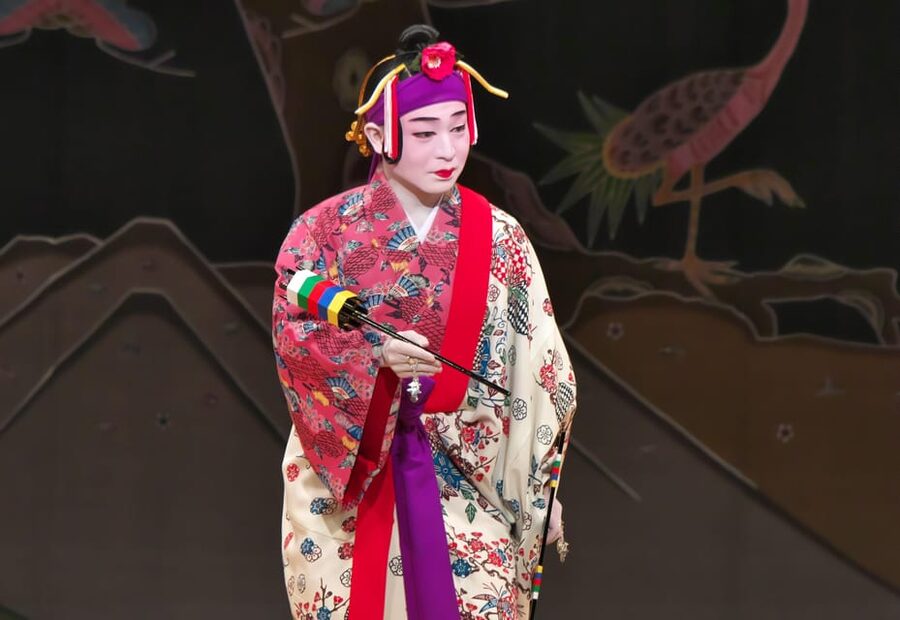
The best choice depends on what you want from the evening.
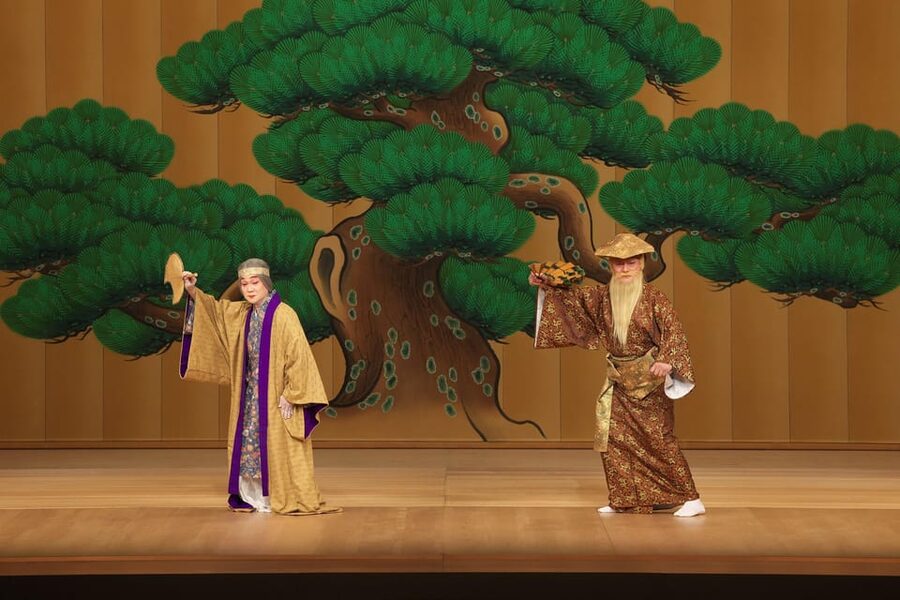
Kabuki is the most theatrical option. It combines drama, music, and dance, with striking costumes, formal movement, and strong visual scenes. Kabuki has changed with each era while keeping its traditional structure, so it can feel both old and alive. If you enjoy stage acting, costume, and visual drama, this is likely the easiest entry point.
The English audio guide helps explain the main action and gives context for the performance. It is not a literal translation of every line. That is deliberate, since a word-for-word translation would compete with the actors’ voices and music. You will understand the broad story and important moments, but some jokes, poetic language, and cultural details may remain unclear.
Bunraku is more unusual. It is a traditional puppet theatre for adults, recognized by UNESCO as an Intangible Cultural Heritage. The puppets are not the only attraction. You watch the narrator deliver the story with force, hear the shamisen shape the mood, and follow the careful movements of the puppeteers.
The combined effect can be startling. The puppets move with a control and delicacy that is quite different from the fast, mechanical style many people expect from puppet shows. At the same time, the narrator’s voice may sound intense and unfamiliar. The English audio guide is especially useful here because it explains the main action while allowing you to hear the original performance.
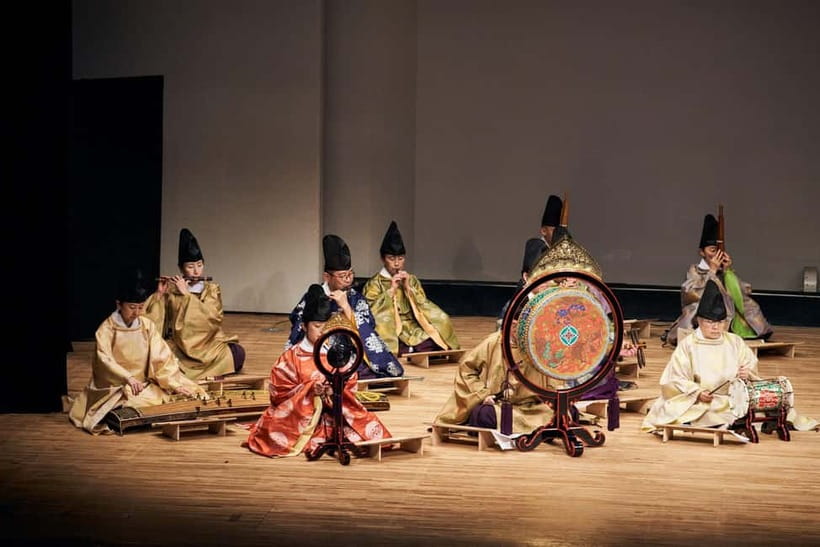
Hogaku is a concert of traditional Japanese music. The supplied program focuses on melodies connected with snow, including Yuki no Aikata, a long shamisen interlude in the jiuta Yuki. This melody appears in pieces linked to scenes of falling snow.
Hogaku may suit you if you prefer music and atmosphere to a staged story. There is no English audio guide for this program. Instead, you receive a free English explanation sheet. Read it before the music begins so you know what to listen for. The appeal is in the instruments, repeated musical patterns, and expressive details, not in a plot that moves from scene to scene.
How the English support works
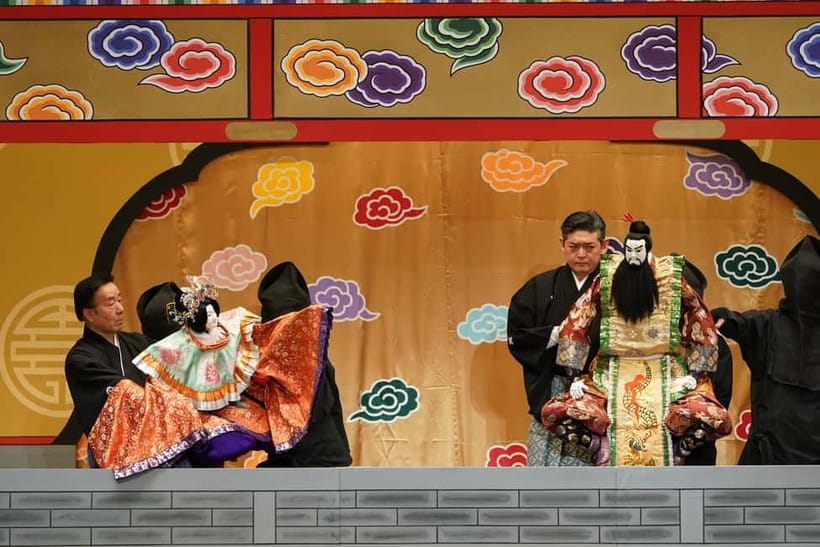
The audio guide is one of the strongest practical features for visitors who do not speak Japanese. It gives an overview of the plot, explains important points, and can make a long performance much easier to follow.
You should know its limits. The guide summarizes rather than translating every spoken line. Some people find it takes a few minutes to adjust to hearing the English explanation in one ear and the performers in the other. You may need to choose between following the guide closely and listening to the original voices.
I would use the guide most heavily at the beginning, during scene changes, and whenever the story becomes difficult to track. Then I would pause from the explanation and watch the actors, puppets, or musicians directly. The voices, timing, and sound of the performance are part of what you came to hear.
For Hogaku, the English sheet is less immediate than an audio track, but it gives you a useful framework. Read the notes before the concert and keep them available during the program. Do not expect a line-by-line translation.
More Theatre Shows in Tokyo:
- Seville: Live Flamenco Dancing Show Ticket at the Theater
★ 4.7 · 16,396 reviews - Barcelona: Flamenco Show at the Theater
★ 4.5 · 10,739 reviews - Malaga: Teatro Flamenco Malaga Live Flamenco Show
★ 4.7 · 4,254 reviews - Prague: WOW Show Black Light Theater
★ 4.0 · 3,990 reviews
The rhythm, seating, and theatre etiquette
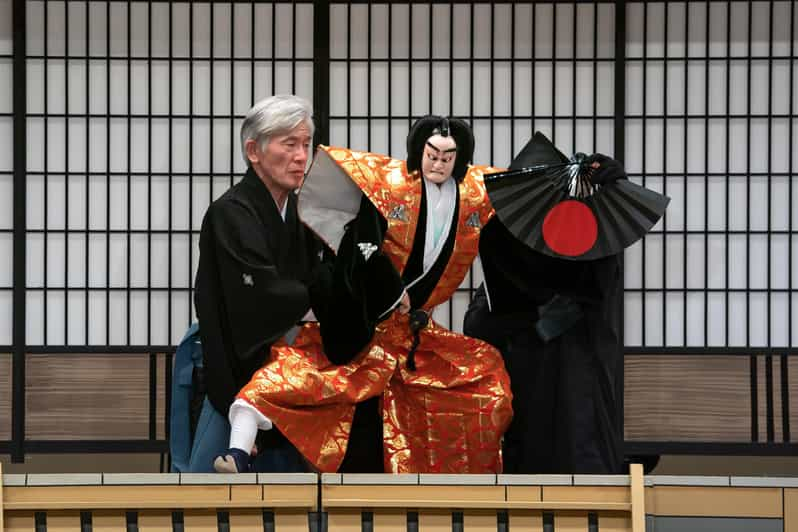
The theatre decides your seating position. You do not select a specific seat from the information provided, so you should treat the seating arrangement as part of the booking rather than a guarantee of a preferred location.
Arrive early. An introductory explanation may begin before the main performance, and one visitor found these preliminary notes especially useful for understanding the difference between Japanese and Western theatre. Early arrival also gives you time to exchange your voucher and settle in.
The rules are strict and sensible. Smoking, alcohol, drugs, pets other than assistance dogs, photography, video recording, audio recording, and noisy behavior are not allowed. Drinks are not allowed inside the theatre. If your program includes an interval, plan to finish refreshments before returning to your seat.
The quiet atmosphere matters. These are performances built around voices, shamisen, percussion, and small visual details. A child who cannot sit quietly for a long period may struggle, and the slower pace can be hard for very young children. Some Bunraku stories also deal with adult themes, including love suicide, so check the subject if you are bringing children.
What makes Bunraku worth the time
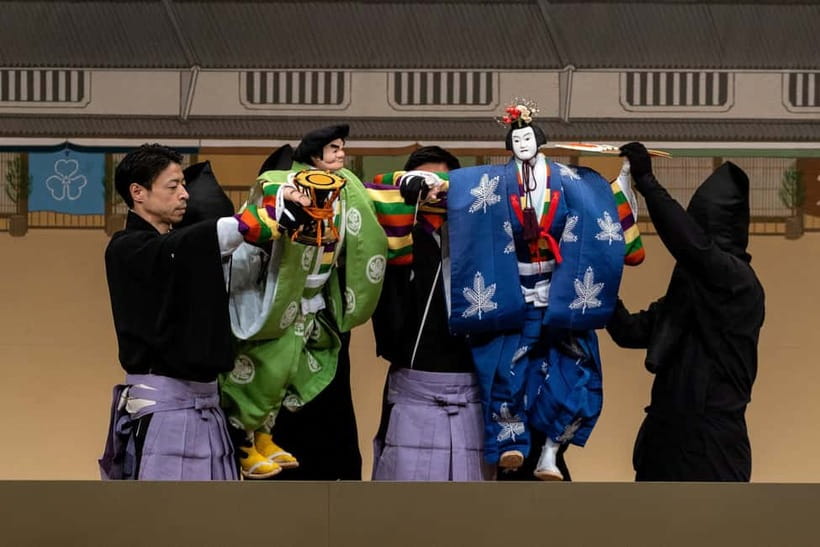
Bunraku is the strongest pick if you want something you are unlikely to encounter in a standard Tokyo evening show. It is not simply a puppet display. The form depends on close coordination between three elements: the narrator’s storytelling, the shamisen player’s music, and the puppeteers’ movements.
That coordination is the point. Watch how the music supports the emotional tone, how the narrator carries different parts of the story, and how the puppet’s posture communicates feeling. The puppets can appear restrained at first, but small changes in head position or gesture carry weight.
The English guide gives you enough structure to follow the action, but you will not catch every nuance. I would consider that a fair trade. The original sound and performance style remain intact, and you gain enough explanation to avoid sitting through an entirely opaque story.
Program content can change. One special presentation had no puppets, which is a useful reminder that you should read the exact performance description rather than assume every Bunraku-related event will be a standard puppet drama.
What makes Kabuki worth the time
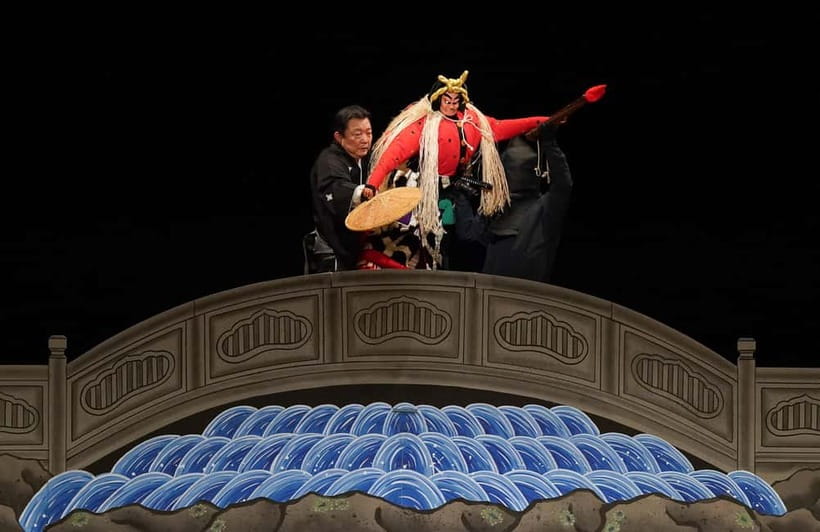
Kabuki offers a more immediate visual entry. Costumes, poses, movement, and stage design give you things to watch even when the language is unfamiliar.
The stories may not resolve in the tidy way you expect. A program can contain several acts or separate scenes, and some may feel unfinished if you are expecting one complete Western-style play. That is not necessarily a flaw in the performance, but it can affect your enjoyment.
I recommend reading a short introduction to Kabuki before you go, especially if you have never seen it. Learn that the acting is stylized and that certain poses, gestures, and costume choices carry meaning. Once you know this, the performance becomes easier to read.
The audio guide adds valuable context, but it cannot explain every detail. You may miss some wordplay and cultural references. The goal is not perfect comprehension. It is to understand the main situation while appreciating the formal acting, music, and visual language.
Is $37 a fair price?
At $37 per person, the ticket is reasonably priced for a professional theatre performance of 75 minutes to three hours, especially when English support is included for Kabuki and Bunraku. You are paying for a genuine stage presentation by top-level performers, not a short cultural demonstration.
The value depends heavily on the length and your interest. A 75-minute program is easier to fit into a short visit. A two-and-a-half to three-hour event takes a substantial part of your day, particularly once you add the journey to Yokohama, the theatre exchange, and the walk from the station.
For a first visit to Japan, I would not automatically choose this over every major sightseeing stop. But if you have several days, enjoy theatre or music, or want a serious look at Japanese culture, the price is fair. The ticket also includes the English audio guide for Kabuki and Bunraku, which saves you from trying to understand the story with no preparation.
Free cancellation up to 24 hours before the start time and the reserve-now, pay-later option make it easier to fit the event around a changing itinerary. These terms matter because performance dates and sightseeing plans can be hard to coordinate.
Who should book this performance?
I would recommend it most strongly to:
- People interested in theatre, music, puppetry, or traditional arts
- Visitors who want an authentic cultural event rather than a staged tourist activity
- Anyone spending enough time in Tokyo to spare several hours for Yokohama
- Adults and older children who can stay quiet and follow a slow-paced performance
- Visitors willing to read a little background before arriving
I would be more cautious if you have only a few days in Tokyo. A three-hour performance can replace a large block of sightseeing, and the trip to Yokohama adds more time. I would also think twice if you need a fully translated story or quick action from beginning to end.
Practical tips for a better visit
Read the option title closely so you know if you are booking Kabuki, Bunraku, or Hogaku. The photos may show past performances, and the content changes by date.
Arrive early enough to exchange the voucher, find your seat, and hear any introduction. Wear headphones if the audio guide requires them, and expect to adjust to listening to English and Japanese at the same time.
For a long performance, eat before entering or use the interval carefully. Drinks cannot be taken into the theatre, and you must return to your seat on time.
If you use a wheelchair, contact the provider as soon as possible so accessible seating can be arranged. The activity is wheelchair accessible, but seating needs to be organized in advance.
Should you book it?
Book this if you want to see Japanese classical performance in a serious theatre setting and you have enough time for the full experience. Bunraku is the most distinctive choice, while Kabuki is the better fit for visitors drawn to acting, costume, and stage spectacle. Hogaku suits listeners who want traditional music and do not need a narrative translated in real time.
Skip it if your Tokyo schedule is very short, you dislike slow theatre, or you expect every line to be translated. The English support is helpful but not complete. For the right audience, though, $37 buys a rare look at living Japanese arts, with enough guidance to make the performance approachable without sanding away its original character.
FAQ
Where is the performance held?
The venue is not the National Theatre in Hanzomon. For the Bunraku option described here, the performance is at KAAT Kanagawa Arts Theatre in Yokohama.
How do I reach KAAT Kanagawa Arts Theatre?
The nearest stations are Nihon-ōdōri Station, about five minutes away from Exit 3 or 4, and Motomachi-Chukagai Station, about eight minutes away from Exit 1. Both are on the Minatomirai Line.
How long does the activity last?
The duration varies by performance, from 75 minutes to three hours. Check the available date and starting time before booking.
Is an English translation provided?
Kabuki and Bunraku include an English audio guide. Hogaku includes a free English explanation sheet instead.
Is the audio guide a full translation?
No. The audio guide explains the main points and gives an overview of the action. It is not a literal translation of every line.
What type of performances can I see?
Depending on the date and option, you may see Kabuki, Bunraku, or Hogaku, which is a concert of traditional Japanese music.
How do I enter the theatre?
You must exchange the GetYourGuide voucher for a theatre-issued ticket at the venue entrance. Staff will ask for the name used for the reservation.
Are photography and recording allowed?
No. Photography, video recording, and audio recording are not allowed inside the theatre. Smoking, alcohol, drugs, pets other than assistance dogs, and noisy behavior are also prohibited.
Just added around Tokyo
- Tokyo: Taishu Engeki Show with Kimono and Sword Lesson★ 5.0 · 12 reviews
- Tokyo: Traditional Geisha Experience Show & Japanese Dinner★ 4.2 · 59 reviews
- Tokyo: Taiko Drum Experience in Kabukicho with Dinner★ 5.0 · 3 reviews
- Tokyo: Rainbow Bridge Day Cruise Show Unlimited Soft Drinks★ 4.5 · 86 reviews
- Tokyo: Know about Kabuki performing – Ginza Walking★ 4.2 · 3 reviews
- Tokyo: Learn about Japanese Traditional art KABUKI in Ginza★ 3.2 · 5 reviews
- Tokyo: Family Sumo Workshop & Live Wrestling Show with Lunch★ 4.9 · 99 reviews
- Tokyo GINZA: KONPARU Japanese Cabaret Show with Drink★ 4.8 · 38 reviews
Tokyo Shows, compared.
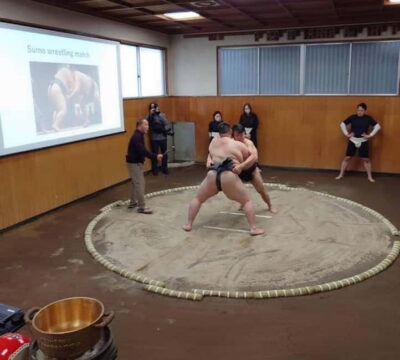
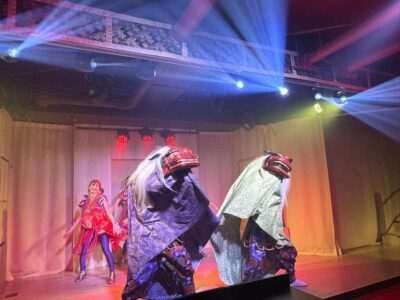
Japanese Dance Cabaret Theater Asakusa-Kaguwa Ticket
Read our review →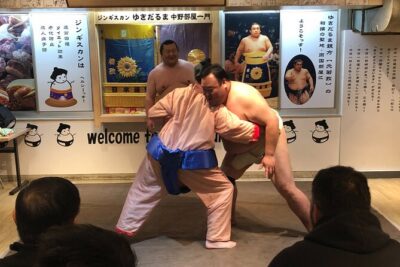
Tokyo Shinjuku Sumo Show & Experience with Photo
Read our review →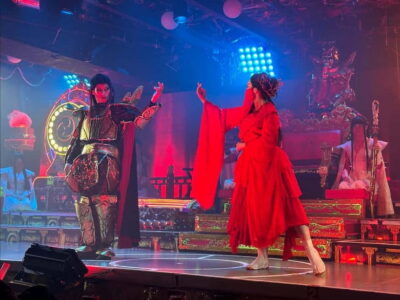
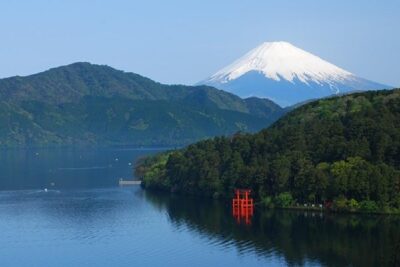
Mt Fuji & Hakone Cruise, Drum Show Bus 1 Day from Tokyo
Read our review →
Yakatabune Dinner Cruise with Japanese Show & Drinks
Read our review →Browse the lists this show appears in