
Review · TOKYO
the SUMO show
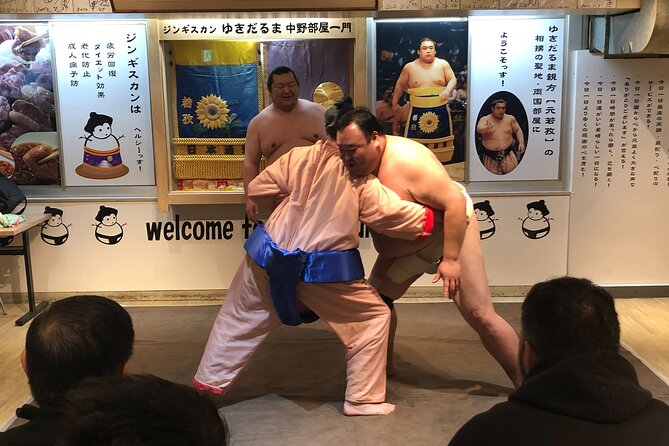
Sumo is much more than two giant men pushing each other out of a ring. This 90-minute Tokyo experience lets you see the rituals, practice a few moves, watch retired wrestlers demonstrate the sport, and even challenge one if you feel brave. It is part lesson, part meal, and part very funny stage show.
I especially like the small-audience feel and the chance to meet retired wrestlers face to face. I also like that the meal is part of the experience, with tonkatsu and chanko soup prepared by the wrestlers. The main thing to consider is the price: at $89.54 per person, this is not a cheap lunch, and seating can be farther from the dohyo for some groups.
Key points
- Retired wrestlers lead the experience: Learn directly from former professionals, then test your new skills in a friendly bout.
- A clear introduction to sumo: The show covers history, rules, training exercises, rituals, and basic techniques.
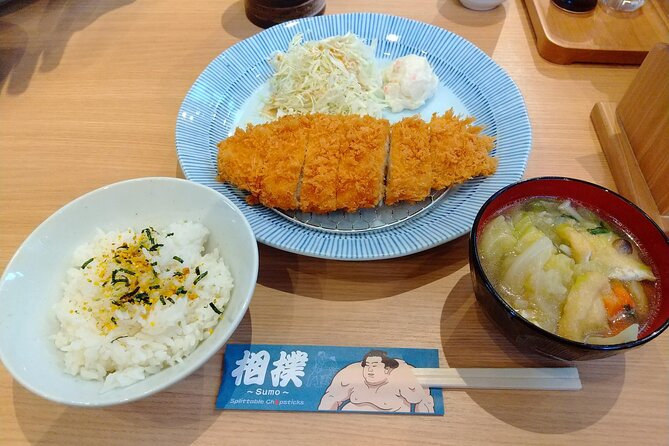
- Lunch is included: Tonkatsu and chanko soup make this more than a short performance.
- Audience participation is optional: You can wrestle in a traditional costume, watch from your seat, or simply join the photos.
- Convenient 1 p.m. schedule: The activity starts and ends at Yokozuna Tonkatsu in Sumida, making it easy to pair with other Tokyo plans.
- Plan dietary needs early: Vegetarian requests and allergies must be submitted at booking, at least five days before the event.
Meeting Sumo Wrestlers at Yokozuna Tonkatsu
The experience begins at Yokozuna Tonkatsu, at 3-chōme-1-11 Tatekawa in Sumida City. You make your own way there and meet the host, other participants, and the retired sumo wrestlers who run the session.
This is not a formal tournament or a morning visit to a professional training stable. It is a friendly public demonstration built for visitors who want a close look at the sport without needing prior knowledge. That makes it a good choice for first-time visitors to Japan, families, and anyone who finds the rules of sumo hard to follow on television.
The location is near public transportation, and one useful detail is that the activity begins at 1 p.m. You can reach the venue by train and still have time for a relaxed morning elsewhere in Tokyo. The activity ends at the same place, so you do not need to arrange a separate return transfer.
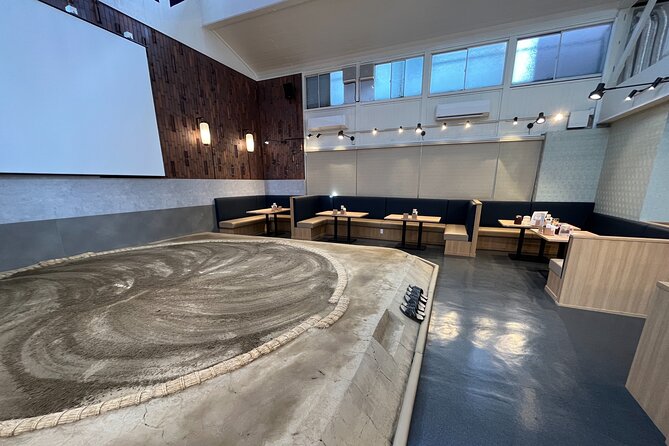
The maximum group size is 60 people. That is large enough to create a lively audience but small enough for the event to feel more personal than a major stadium performance. Still, you may be asked to share a table with another group, and large parties may not all sit together.
A few more shows around Tokyo worth a look
- Mt Fuji & Hakone Cruise, Drum Show Bullet Train 1 Day from Tokyo
★ 4.0 · 7,413 reviews - Tokyo: Sumo Show and Dining Experience
★ 4.8 · 2,742 reviews - Tokyo Shinjuku Sumo Show & Experience with Photo
★ 5.0 · 1,750 reviews
The First Lesson: Rituals, Rules, and Basic Moves
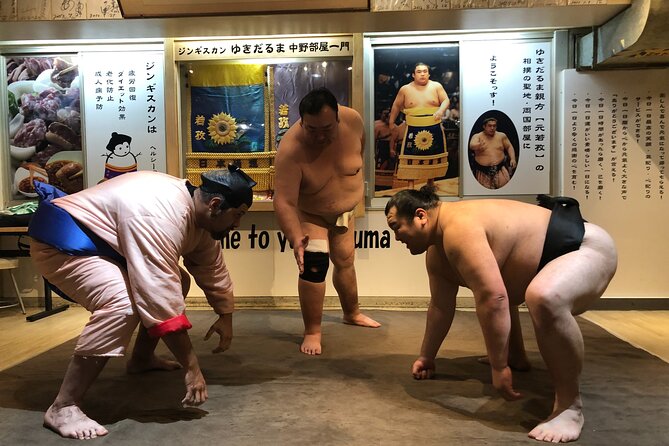
The program opens with an introduction to sumo history, rules, and training rituals. The wrestlers show several moves and techniques, giving you the basic ideas you need before the action begins.
This part matters because sumo can look simple from a distance. Two wrestlers enter a ring, push, pull, and try to force the other outside. In practice, the sport has detailed rules and a long list of rituals. The session gives you enough context to understand what you are seeing instead of treating the event as a generic wrestling show.
You will also see examples of sumo exercises and training methods. The retired wrestlers explain what it takes to prepare for a bout, and the demonstrations help connect the formal traditions with the physical side of the sport.
The teaching is designed to be entertaining rather than academic. If you want a detailed study of sumo ranks, tournament schedules, and professional careers, this is not that. You get a clear introduction, useful explanations, and plenty of humor in a format that works well for a mixed-age group.
I like this balance. The show does not assume you already know Japanese words or sumo customs, but it also does not bury you in technical detail. You can ask questions, follow the demonstrations, and understand why the wrestlers perform certain actions.
Watching the Sparring Demonstration
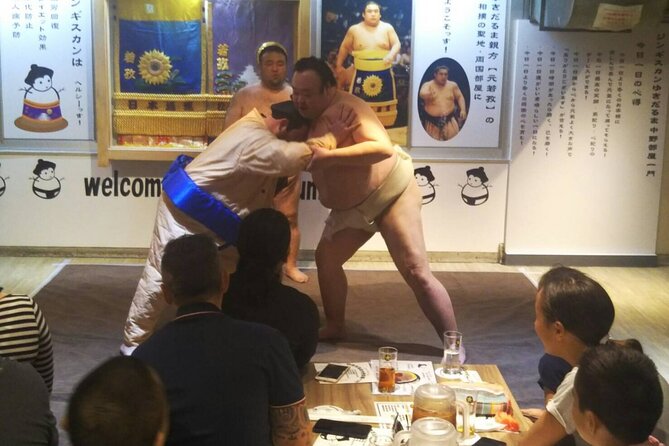
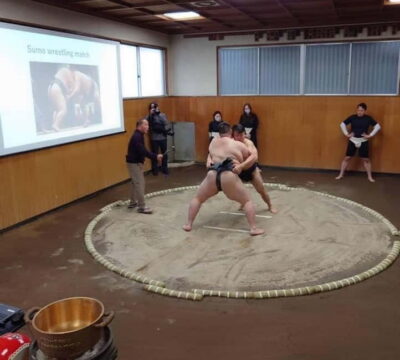
After the introduction, the retired wrestlers put the techniques into action with a sparring demonstration. This is the heart of the show, and it gives you a closer view than you would get in a large arena.
The performers are not competing in an official tournament. Instead, the demonstrations show how sumo moves work and how a bout can turn on balance, timing, and technique. The humorous presentation keeps the tone light, but the physical skill remains clear.
You may notice that the best seats are not guaranteed simply by arriving early. Seating is assigned according to the order in which reservations are received, so an early arrival does not promise a front table. Some tables are farther from the dohyo, and you may need to stand at times if you want a better view.
That is worth considering when you book. If seeing every movement from close range is your top priority, ask about the seating arrangement before paying. If you are comfortable with a lively group setting, the distance is less important because the wrestlers also interact with the tables and make time for photos.
The sound level can also rise during the show. One useful practical point is to pay attention when the host explains the demonstrations, especially if a video or music is playing at the same time. The event moves at a friendly pace, but you will get more from it if you listen closely to the explanations.
Your Turn in the Dohyo
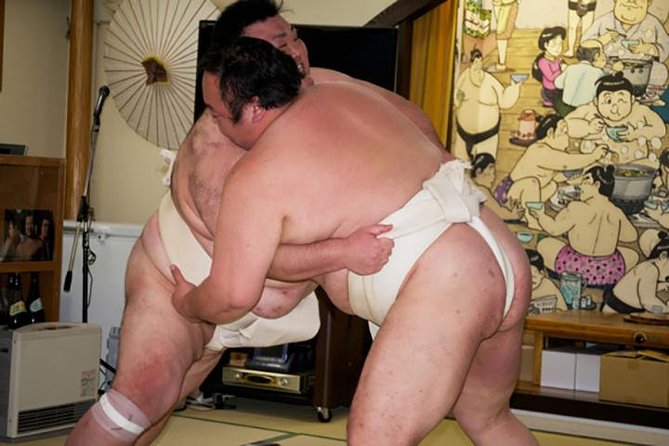
The most memorable part for many people is the chance to challenge a retired wrestler. You can put on a traditional sumo costume and step into the ring for a friendly bout.
You do not need to be strong or athletic to take part. In fact, the experience works best when you treat it as a playful cultural activity rather than a serious contest. The wrestlers can show you how to use balance and technique, and the goal is to have fun rather than prove that you can overpower someone much larger.
Participation is optional. You can watch the demonstrations, cheer from your table, and take photos without entering the dohyo. That flexibility makes the activity suitable for families with different comfort levels. A child may want to wrestle, while a parent prefers to stay on the sidelines.
If you do volunteer, follow the staff instructions carefully. The organizers ask everyone to use good judgment and consideration for others. Anyone who causes trouble can be asked to leave without a refund, so this is not the place for reckless behavior or rough play.
The traditional costume also creates a good photo opportunity. You can pose with the wrestlers before the session ends, giving you a souvenir that feels more personal than a standard group picture outside a landmark.
Same place, a different night out:
- Tokyo: Japanese Dance Cabaret Theater Asakusa-Kaguwa Ticket
★ 4.8 · 2,270 reviews - Tokyo: Samurai Restaurant Show Ticket with 2 Drinks
★ 4.5 · 1,307 reviews - Mt Fuji & Hakone Cruise, Drum Show Bus 1 Day from Tokyo
★ 4.0 · 1,287 reviews - Tokyo: Sumo Show and Experience in Shinjuku
★ 4.8 · 1,001 reviews
Tonkatsu, Chanko Soup, and What You Actually Eat
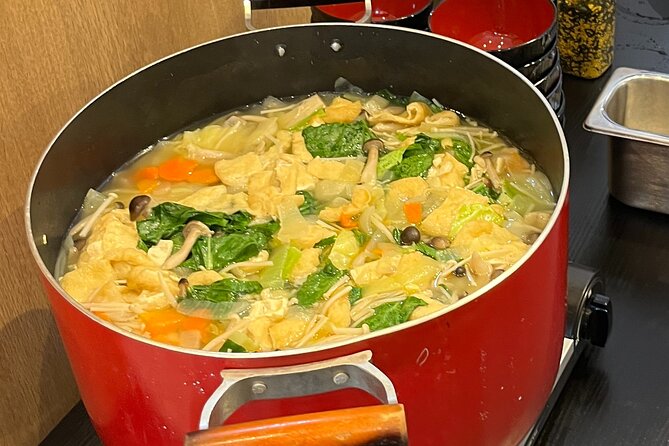
The meal is one of the stronger reasons to compare this experience with a basic cultural show. Your booking includes tonkatsu and chanko soup, the hearty hot-pot-style dish associated with sumo wrestlers.
The tonkatsu provides a familiar entry point: crisp breaded pork or chicken-style cutlet served as part of a Japanese meal. The chanko soup is the more distinctive item. It is filling, warming, and closely connected with the food served in sumo training settings.
The food is prepared by the wrestlers, which gives the meal a direct connection to the theme rather than making it an unrelated restaurant stop. Several parts of the experience work together here: you learn how wrestlers train, see how they perform, and then eat food linked to their daily life.
Portions are not guaranteed to satisfy every appetite. Some people may find the meal generous, while others may still be hungry afterward. One especially practical point is that the chanko soup can be a favorite, so you may prefer to make sure you try it rather than focus only on the tonkatsu.
Drinks are not included. Budget a little extra if you want beer, soft drinks, or another beverage with lunch. Vegetarian options and dietary accommodations are available on request, but you must provide restrictions or allergies in the special notes when booking. Requests made less than five days before the event may not be handled.
Photos, Conversation, and the Family Atmosphere
There is time for photos with the sumo wrestlers before you leave. The wrestlers also make their way around the tables, pose for pictures, and interact with participants.
This is where the experience feels less like a performance viewed from a distance. You are not simply watching a staged bout and walking away. You get a chance to meet the people leading the session, ask questions, and share a laugh with them.
The format works particularly well for families. Children around school age can follow the demonstrations, enjoy the costumes, and decide if they want to wrestle. The activity also suits adults who want something more social and lighthearted than a museum visit.
At the same time, the event is not a quiet cultural lecture. The room can be busy, tables may be shared, and audience participation is part of the rhythm. You should book it for interaction and humor, not for a silent, highly formal presentation.
Is $89.54 a Fair Price?
At $89.54 per person, the experience is a significant expense for a 90-minute activity. You are paying for more than a meal, though. The price covers access to retired wrestlers, a guided introduction to sumo, live demonstrations, optional participation, a costume photo opportunity, and tonkatsu with chanko soup.
The value depends on what you want from Tokyo. If you only need lunch, this is expensive. If you want to attend a professional sumo tournament, this is not a substitute for buying a ticket and watching official competition. But if you want an easy, organized way to learn the basics and interact with former wrestlers, the cost becomes easier to justify.
I would see it as a family-friendly cultural activity with food included, not as a standard sightseeing tour. The strongest value comes when you take part: ask questions, try the costume, join the bout if you wish, and pay attention to the demonstrations.
The high satisfaction level attached to the experience is also worth noting, but you should still match it to your own expectations. People who want a serious technical lesson may find the introduction brief. People who want a funny, accessible way to understand sumo are more likely to feel the price is reasonable.
Who Should Book the Sumo Show?
I would recommend this activity to families, first-time visitors to Japan, and anyone who wants a hands-on cultural experience. It is also a good choice for a final day in Tokyo when you want one organized event that combines food, entertainment, and a memorable photo.
It suits children well because the show keeps moving and participation is optional. It can also work for older visitors who prefer to watch, since nobody has to enter the ring.
You should think twice if you dislike group dining, audience participation, or shared tables. The maximum group size is 60, and some seating may be farther from the dohyo. You should also skip it if you expect a full professional tournament or a detailed course in advanced sumo strategy.
The experience is especially useful for visitors who have tried to understand sumo but found the rules confusing. In 90 minutes, you get enough background to recognize the rituals, understand the basic aim of a bout, and see how technique matters.
Timing, Booking, and Practical Advice
The start time is 1 p.m., and the session lasts about 1.5 hours. It begins and ends at Yokozuna Tonkatsu in Sumida City, so plan your transportation around that address rather than expecting a hotel pickup.
Confirmation is sent within 48 hours of booking, subject to availability. The experience offers a mobile ticket, and group discounts may be available.
For the best experience, I would do three things:
- Note dietary restrictions at least five days ahead: This is important for allergies and vegetarian requests.
- Expect shared seating: Large groups may not sit at one table, and arriving early does not guarantee a better seat.
- Leave schedule room around the event: Date changes are not allowed within three days, and flight delays or illness within that period are treated as cancellations.
Free cancellation is available up to 24 hours before the start time for a full refund. Inside that window, the amount paid is not refunded, and last-minute changes are not accepted.
Should You Book It?
Book this sumo show if you want an entertaining introduction to Japanese sport and culture, especially if you are traveling with children or friends who enjoy joining in. The retired wrestlers, optional bout, costume photos, and included meal give the experience more substance than a short performance alone.
Skip it if your main goal is to watch elite professional sumo in a formal competition, or if $89.54 feels too high for a group lunch and demonstration. For most visitors seeking an easy, social, and memorable afternoon in Tokyo, I think the combination of instruction, laughter, food, and personal interaction makes this a strong choice.
FAQ
Where does the sumo show start?
The experience starts at Yokozuna Tonkatsu, located at 3-chōme-1-11 Tatekawa, Sumida City, Tokyo 130-0023, Japan.
What time does the activity begin?
The start time is 1 p.m.
How long does the sumo experience last?
The demonstration and meal take about 1.5 hours, or 90 minutes.
What food is included?
Tonkatsu and chanko soup are included. Drinks are not included.
Can I request vegetarian food or report an allergy?
Yes. You should include dietary restrictions or allergies in the special notes when booking. Requests made less than five days before the event may not be accommodated.
Is participation in the sumo bout required?
No. You can choose to challenge a retired wrestler, or you can watch the demonstrations and take photos without entering the ring.
What happens if I need to cancel?
You can cancel up to 24 hours before the experience start time for a full refund. Cancellations or changes made less than 24 hours before the start time are not accepted for a refund.
Just added around Tokyo
- Tokyo: Taishu Engeki Show with Kimono and Sword Lesson★ 5.0 · 12 reviews
- Tokyo: Traditional Geisha Experience Show & Japanese Dinner★ 4.2 · 59 reviews
- Tokyo: Taiko Drum Experience in Kabukicho with Dinner★ 5.0 · 3 reviews
- Tokyo: Rainbow Bridge Day Cruise Show Unlimited Soft Drinks★ 4.5 · 86 reviews
- Tokyo: KABUKI, BUNRAKU, etc. presented by National Theatre★ 4.6 · 135 reviews
- Tokyo: Know about Kabuki performing – Ginza Walking★ 4.2 · 3 reviews
- Tokyo: Learn about Japanese Traditional art KABUKI in Ginza★ 3.2 · 5 reviews
- Tokyo: Family Sumo Workshop & Live Wrestling Show with Lunch★ 4.9 · 99 reviews
Tokyo Shows, compared.
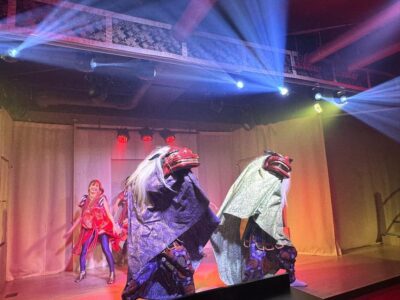
Japanese Dance Cabaret Theater Asakusa-Kaguwa Ticket
Read our review →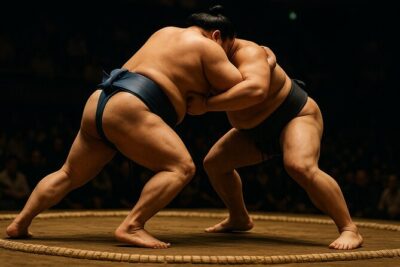
Tokyo Shinjuku Sumo Show & Experience with Photo
Read our review →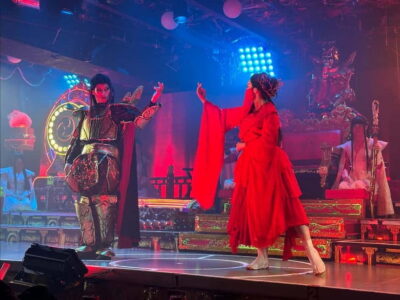
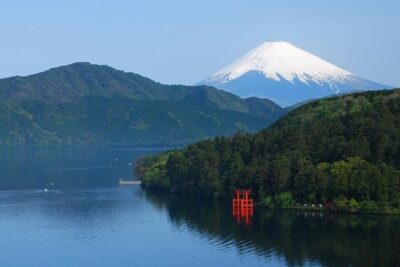
Mt Fuji & Hakone Cruise, Drum Show Bus 1 Day from Tokyo
Read our review →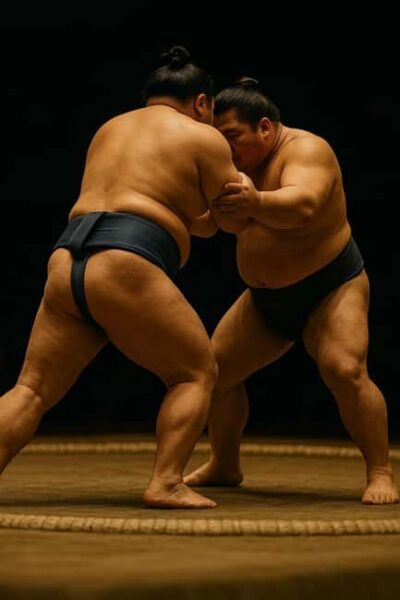
Yakatabune Dinner Cruise with Japanese Show & Drinks
Read our review →
Tsukiji Fish Market: Street Food & Culture Walking Tour
Read our review →Browse the lists this show appears in