
Review · TOKYO
Tokyo: Yakatabune Dinner Cruise with Japanese Show & Drinks
Tokyo’s skyline looks different from the water. On this yakatabune dinner cruise, lantern-lit interiors, bridges, modern towers, and traditional music come together in a compact evening on Tokyo Bay. You eat sukiyaki at your table, watch a shamisen performance, and step onto the upper deck for night views.
I like the warm, social service, especially from hosts such as Yoyo, Karen, Sheila, Midori, and Summer. I also like the food: the sukiyaki portions are generous, and cooking the beef and vegetables at your table gives dinner a little hands-on fun.
The main catch is time. At roughly 1.5 hours, the cruise can feel short if you want a slow dinner, long deck time, and a full sightseeing talk. Shared tables, shoe removal, and limited space also make this a better fit for flexible, mobile visitors than for anyone needing extra room.
Key points to know before you book
- A historic yakatabune setting: Ride a traditional Japanese houseboat style linked to the Heian period and later popular with nobles and merchants during the Edo period.
- Sukiyaki cooked at your table: The meal is filling, with beef, vegetables, and a sweet soy-based broth. Pork and non-strict vegetarian changes require advance notice.
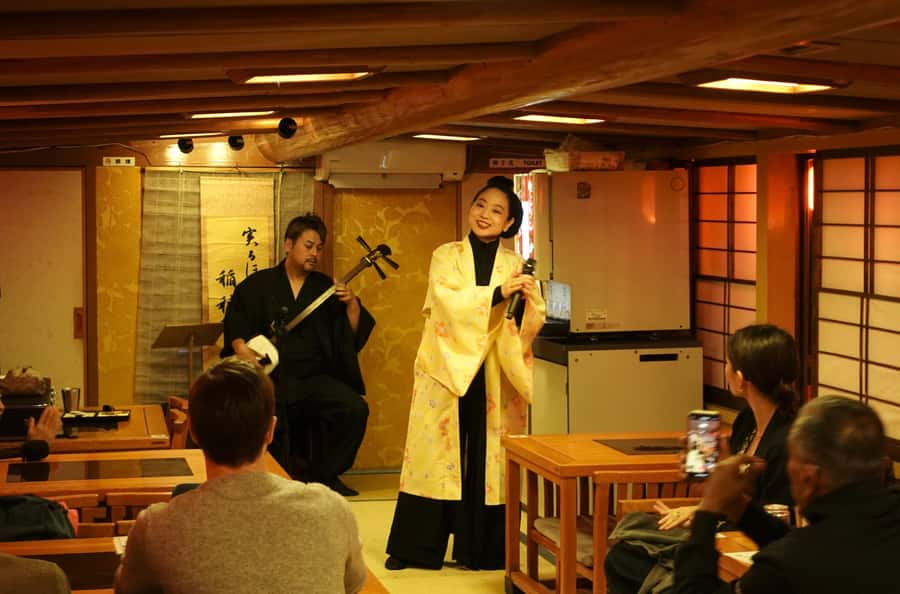
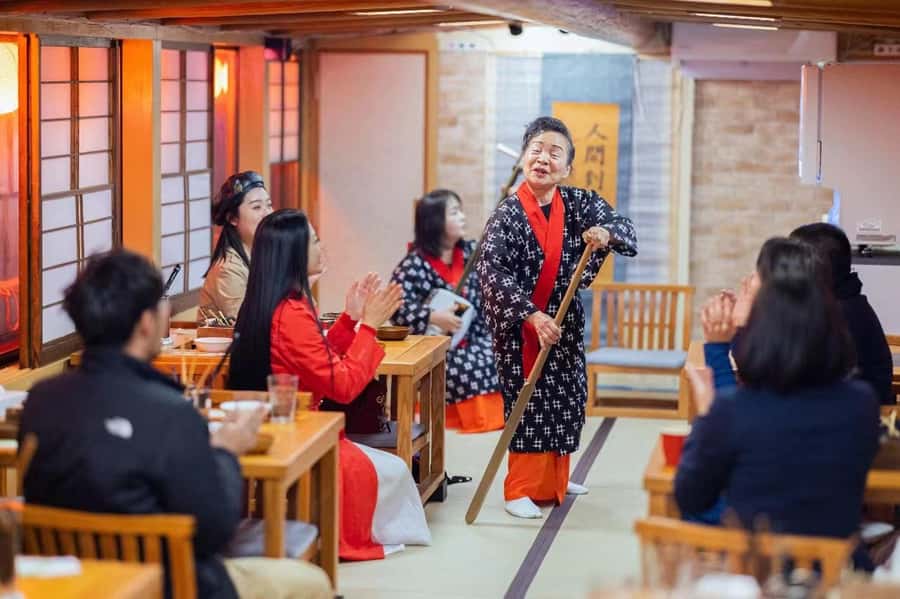
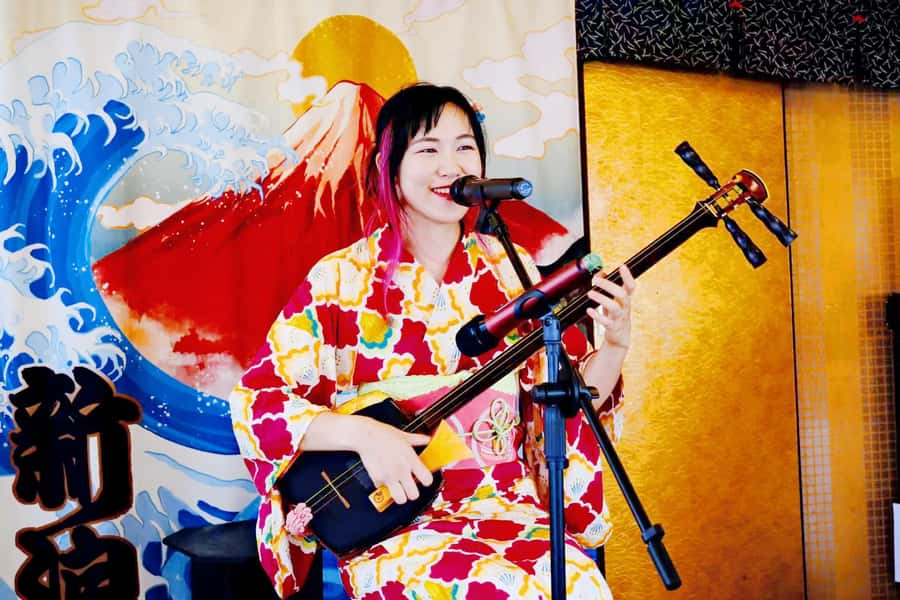
- Live shamisen and folk entertainment: The performance changes from day to day and may include singing, dancing, audience participation, or hand movements.
- Tokyo Bay from the open-air deck: Use the upper viewing area for skyline, bridge, and harbor photos, though rain or cold can limit deck time.
- Personal help from multilingual hosts: English, Chinese, and Japanese support is available, with hosts helping with explanations, photographs, drinks, and small practical needs.
- A strict departure time: Meet at Etchūjima Pier at least 15 minutes early. The boat leaves on time and cannot wait for late arrivals.
Entering a lantern-lit yakatabune at Etchūjima Pier
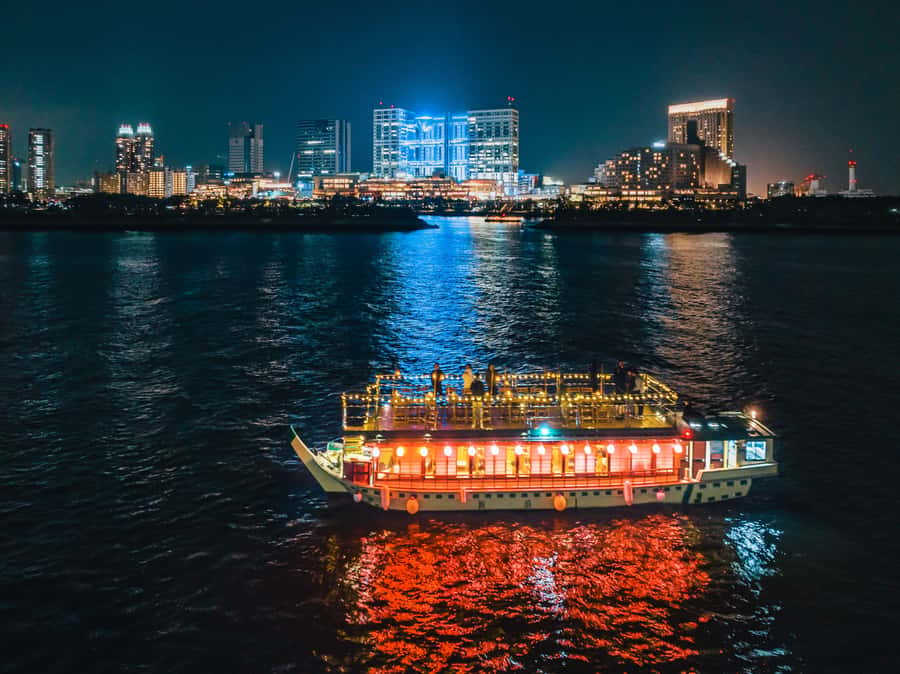
Your evening begins at Etchūjima Pier in Koto City, at 1-chōme-3 Etchūjima. The boat parks at the public pier, so give yourself enough time to find the meeting point and be ready 15 minutes before departure. This is not an activity where arriving at the last minute is wise. Late boarding is not accommodated.
The boat may be SINA 1 or SINA 2. Assignment is random according to the day’s traffic, so do not expect to choose a particular vessel. Both are part of the same general yakatabune experience, with a Japanese-style cabin, dining space, and upper viewing area.
Before you settle in, you will remove your shoes. That is normal for this style of boat and part of the Japanese interior setting, but wear socks you are comfortable being seen in. Storage space is limited, so keep your belongings tidy and avoid bringing bulky luggage.
Seating may involve shared tables. If you are a couple or a small group, you might sit with other participants rather than having a private table. I see this as part of the evening’s social character, but it matters if you want a quiet, private meal.
The traditional interior, lanterns, and low-key setting give the boat a different feel from a standard restaurant cruise. You are not simply eating beside the water. You are sitting inside a setting built around Japanese hospitality, food, music, and shared space.
More Dinner Cruise Shows in Tokyo:
- Tokyo Dinner Cruise & Tradition Show & Drinks & Tokyo Tower
★ 4.7 · 315 reviews - Istanbul: Bosphorus Dinner Cruise & Show with Private Table
★ 4.8 · 62,058 reviews - Istanbul: Bosphorus Dinner Cruise & Turkish Night Show
★ 4.8 · 12,954 reviews
Why the yakatabune setting matters
Yakatabune boats have a long place in Japanese leisure culture. The style reaches back to the Heian period, from 794 to 1185, when pleasure boats were used by nobles. During the Edo period, from 1603 to 1868, merchants and other city residents also used them for meals and entertainment.
That background gives the cruise more meaning than a modern sightseeing boat with a Japanese menu added later. The houseboat format, lantern-lit cabin, shoe-free interior, and live traditional performance all point toward an older kind of evening entertainment.
You should not expect a museum lecture or a formal historical tour. The cultural explanation comes through the setting and the host’s short stories about Tokyo, the bridges, the river, and local customs. Hosts such as Yoyo and Karen have been praised for clear English, patience, and help with photographs. Sheila is known for keeping an eye on the whole room and making sure people have drinks and feel comfortable.
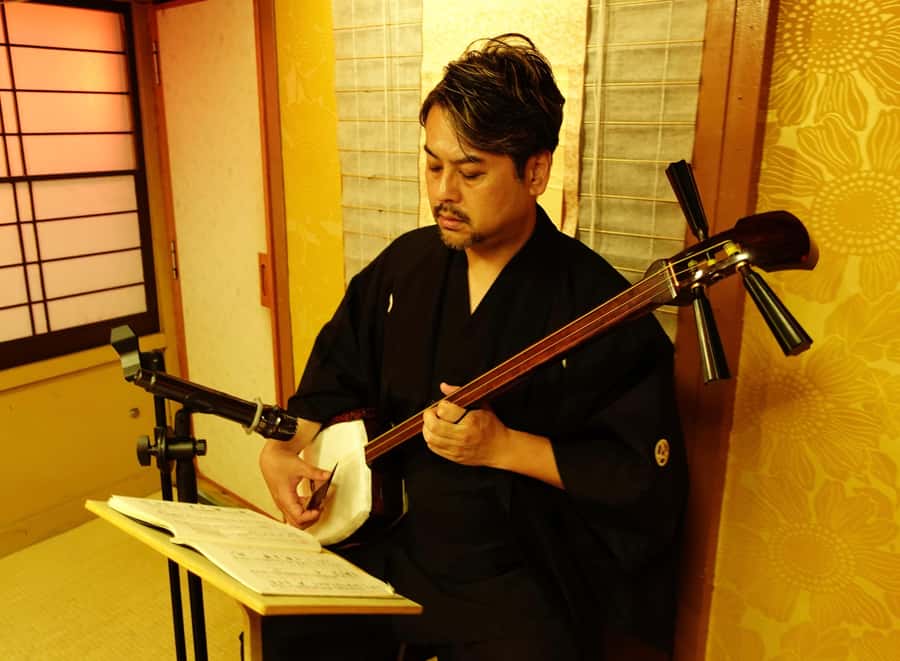
The exact performance is not fixed. One evening may feature a skilled shamisen player, while another may include a singer, folk music, dancing, or audience participation. The advertised image does not guarantee a particular performer. That uncertainty is worth knowing, but it also keeps the activity from feeling like a rigid stage show.
Sukiyaki dinner, table cooking, and unlimited soft drinks
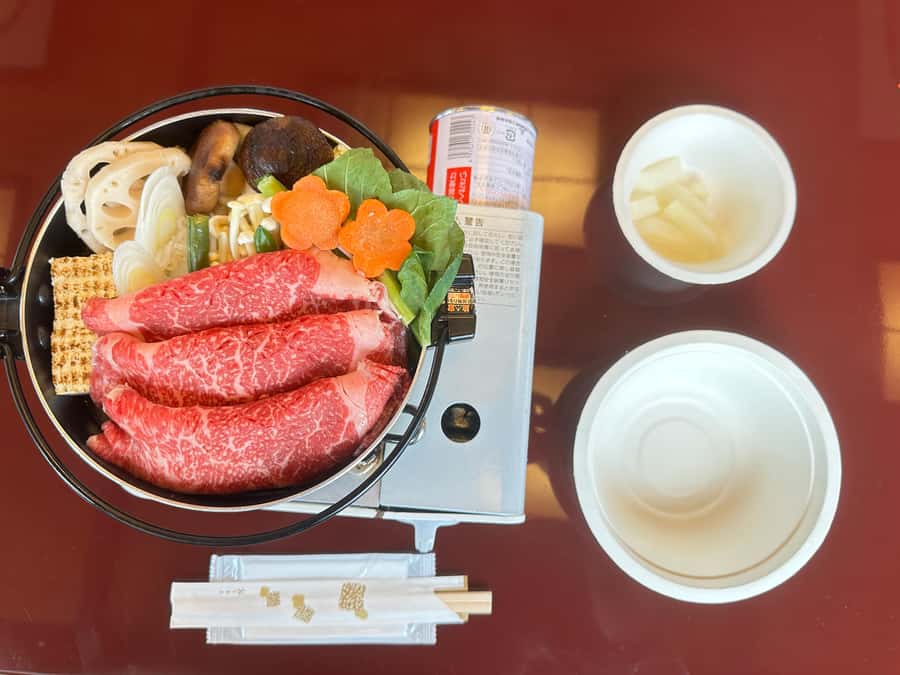
The dinner option centers on sukiyaki, a Japanese hot pot with beef and vegetables in a sweet soy-based broth. You cook the food at the table, which makes the meal active rather than something placed in front of you and quickly cleared away.
Portions are described as generous. You may want to pace yourself because the meal can be larger than expected, especially once the show and drinks are added. The food is a major part of the value at $100 per person, and this is not just a boat ride with a small snack.
Unlimited soft drinks are included. That suits families, non-drinkers, and anyone who wants to keep the evening simple. Other drinks may be available for purchase onboard, but alcoholic drinks are not part of the included package described here.
If you need a change from beef, you must leave a note at least three days ahead. Pork is available by request, and a non-strict vegetarian version removes the meat while leaving vegetables in the sweet soy-based broth. This is not presented as a separate vegan kitchen, so strict dietary needs should be confirmed before booking.
The food is served inside the cabin, where you can stay warm and watch the entertainment. Cooking at your table may create some steam and activity in the limited dining space. That is part of the charm, but it is not the place for a silent, formal meal.
Shamisen music, singing, and an unusually social show
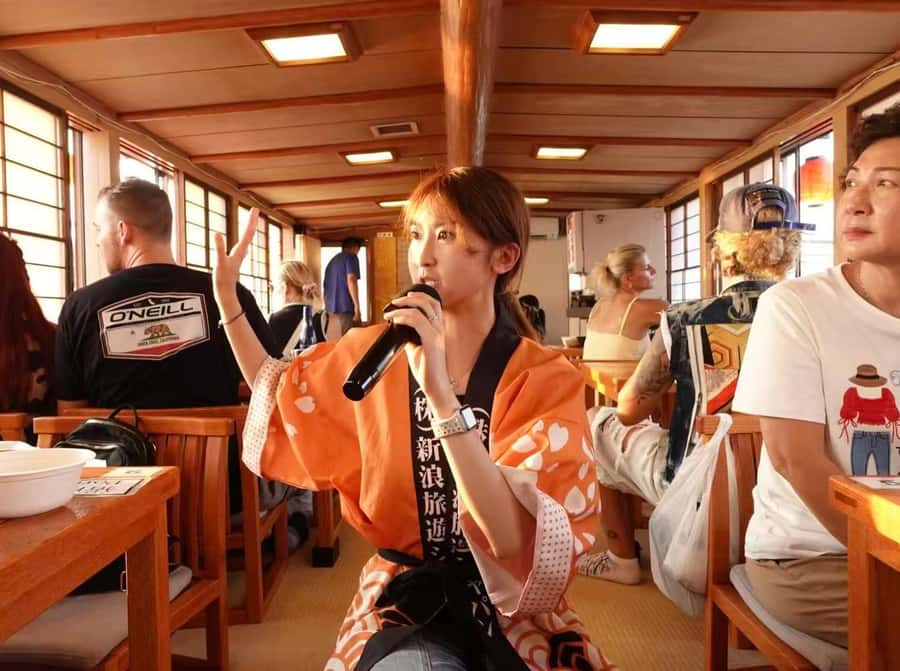
The shamisen is a traditional Japanese three-stringed instrument with a crisp, expressive sound. Hearing it on a boat, with the city moving outside and the cabin lit by lanterns, gives the music a fitting setting.
The performers change. You might hear a shamisen solo, traditional folk songs, singing, or a mix of music and simple dancing. The show can be interactive, with the singer encouraging people to join in and the host teaching hand movements. If you prefer to watch quietly, you can do that too, but this is not a purely passive concert.
The hosts are an important part of the performance. They explain what is happening, help with language, encourage participation, and keep the mood moving. Names that come up often in the experience include Yoyo, Karen, Sheila, Midori, Ashley, Summer, and Hibiki, though your host and performer may be different.
There is one practical sound issue. When music continues while the guide explains Tokyo sights, bridges, or the cherry blossoms, it may be hard to hear every word. If the cultural explanation matters to you, sit where you can see the host and ask for clarification when needed.
This is best understood as a friendly cultural evening, not a polished theater production. The format changes, the singer may invite the room to participate, and the energy can build slowly before becoming more lively near the end.
A few more shows around Tokyo worth a look
- Tokyo: Sumo Show and Dining Experience
★ 4.8 · 2,742 reviews - Tokyo Bay Yakatabune Dinner/Day Cruise with Japan Show and Drinks
★ 4.5 · 473 reviews - Tokyo: Traditional Japanese Performing Arts Show and Dinner
★ 4.5 · 99 reviews - Tokyo: Traditional Geisha Experience Show & Japanese Dinner
★ 4.2 · 59 reviews
Tokyo Bay views from the upper deck
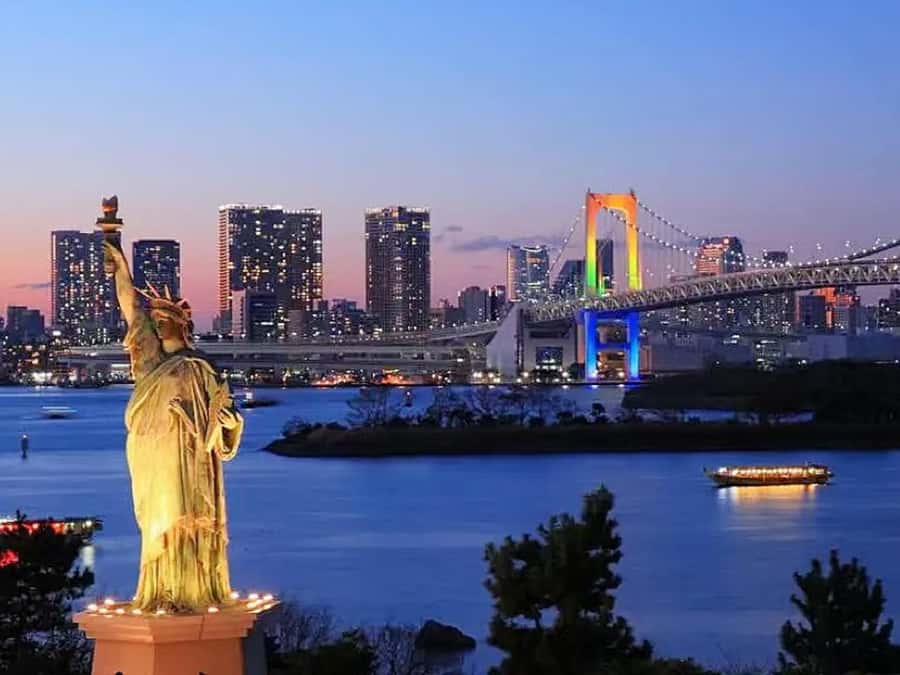
At some point, you can head upstairs to the open-air viewing platform. This is the place for night air, skyline views, bridges, and photographs of Tokyo from the water. The changing angle gives you a view of the city that streets and observation decks cannot offer.
At night, the harbor lights and illuminated buildings create the strongest mood. Departures around 7:15 PM are especially suited to a romantic city-at-night setting. A sunset departure can offer a softer transition from daylight into evening, though the exact departure time depends on the option selected.
The deck is not guaranteed to be comfortable in every season. Rain can prevent good photographs, and cold temperatures may send you back inside quickly. On a clear day, you may wish there were more time outside, since the dinner, show, and sightseeing all share a short schedule.
If photographs matter to you, bring a phone or camera that handles low light well and take advantage of the deck stop when it comes. Hosts may also help with photographs. During cherry blossom season, the combination of blossoms, Tokyo Skytree views, and the boat’s traditional interior can be especially appealing.
The cruise returns to Etchūjima Pier, so you do not need to arrange a separate return transfer. Hotel pickup and drop-off are not included.
How the 1.5-hour schedule feels
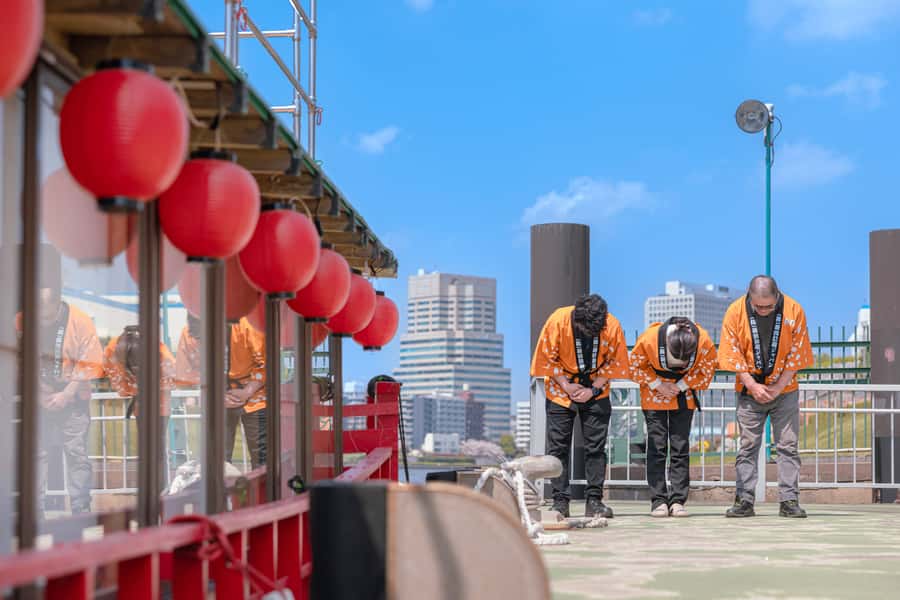
The evening follows a compact pattern:
- You meet at Etchūjima Pier, remove your shoes, and settle into the shared dining area.
- The boat moves through Tokyo Bay while the crew serves the sukiyaki meal and soft drinks.
- A shamisen musician, singer, or other performer presents the traditional entertainment.
- The host adds stories about Tokyo and points out sights along the route.
- You get time on the upper deck for photos and open-air views.
- The boat returns to the starting pier.
A reported duration of about 1.5 hours makes this easy to add to a busy Tokyo itinerary. You can fit it into an evening without giving up an entire night, and the return to the original pier keeps the logistics simple.
The tradeoff is that every part receives limited time. You may feel rushed between cooking, eating, listening, taking photos, and going upstairs. If you are looking for a leisurely multi-course dinner, this may not satisfy you. If you want a concentrated taste of Japanese food, music, and city views, the short format works well.
Who gets the best value for $100
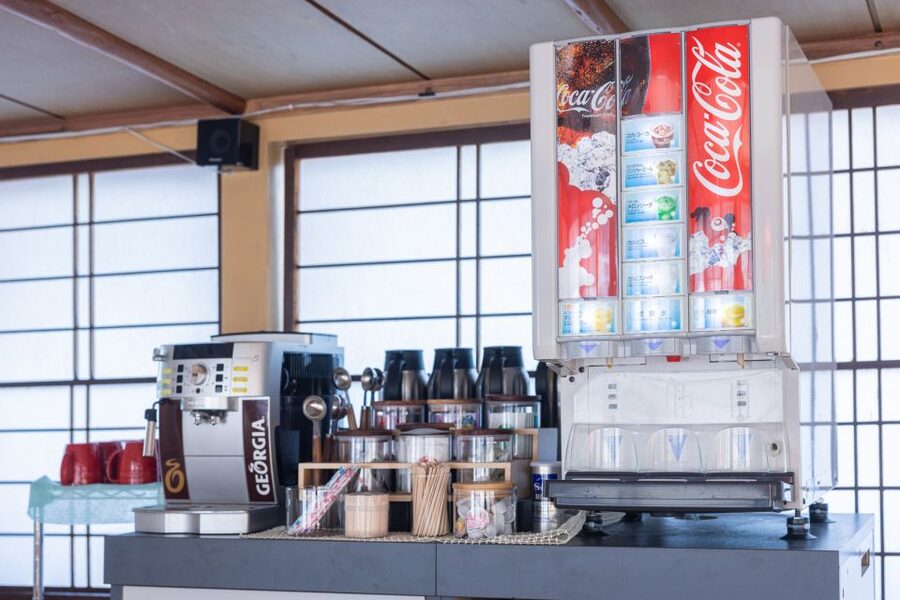
At $100 per person, this is not a budget meal. The price pays for several parts at once: the Tokyo Bay cruise, a filling sukiyaki dinner, unlimited soft drinks, live entertainment, the boat setting, and host support in English, Chinese, or Japanese.
I think the value is strongest if you would otherwise pay separately for a city-view dinner, a short harbor cruise, and a cultural performance. The activity combines all three, and the host service adds real practical value for anyone who wants help understanding the food or sights.
The price is less compelling if you mainly want a long scenic boat ride or a quiet meal. The cruise is short, seating may be shared, and the entertainment is not a fixed production with a guaranteed artist. You are paying for a social cultural package rather than precise control over every detail.
Families with older children, couples, groups of friends, and first-time visitors to Tokyo are likely to get the most from it. Children under three are not accepted. The experience is also not suitable for pregnant women, people over 80, people over 254 pounds, wheelchair users, or anyone using a non-folding or electric wheelchair.
Private charters are available for family gatherings, corporate events, and celebrations. You would need to contact the operator for details and booking information.
Small details that make the evening easier
Arrive early. The boat leaves on time, and there is no late-boarding allowance.
Wear easy-to-remove shoes and comfortable socks. You will need to remove footwear onboard.
Tell the operator about a beef-to-pork or non-strict vegetarian change at least three days ahead. Do not wait until boarding.
Keep your expectations flexible about the performer. The musicians and format vary by day.
Bring a light layer for the upper deck, especially for an evening cruise. Rain or cold can reduce your time outside.
Provide the names of every person in your party. If you do not, the stated insurance responsibility does not apply in an emergency.
Cancellation is available without charge up to 24 hours before departure. The reserve-and-pay-later option can also help if your Tokyo schedule is still changing.
Should you book this Tokyo dinner cruise?
Book it if you want a friendly, compact introduction to Japanese food, music, and boat culture, especially if you enjoy joining in rather than simply watching. The combination of table-cooked sukiyaki, shamisen music, city lights, and a helpful host gives you a lot in one evening.
I would be more cautious if you need step-free access, private dining, strict dietary control, or a long, quiet cruise. Weather can also affect the open-air views, and the short schedule leaves little spare time.
For most visitors, the strongest choice is an evening departure, when Tokyo’s bridges and skyline take on their best colors. Arrive early, accept the shared-table setting, and treat the performance as a live cultural moment rather than a fixed show. At $100, it is a splurge, but a sensible one for a special night on the water.
FAQ
Where does the cruise begin?
It begins at Etchūjima Pier, located at 1-chōme-3 Etchūjima, Koto City, Tokyo 135-0044, Japan.
How early should I arrive?
Arrive at least 15 minutes before departure. The boat leaves on time, and late arrivals are not accommodated.
Where does the cruise end?
The cruise returns to Etchūjima Pier, the same place where you board.
What food is served?
The dinner option includes a Japanese sukiyaki meal with beef and vegetables cooked at the table.
Can I request pork instead of beef?
Yes. Leave a request at least three days before the cruise.
Is a vegetarian meal available?
A non-strict vegetarian option is available by request. Meat is removed, while vegetables remain in the sweet soy-based broth. Request it at least three days ahead.
Are drinks included?
Unlimited soft drinks are included with the experience.
What kind of entertainment is provided?
The cruise includes a traditional Japanese performance. Depending on the day, this may include shamisen music, singing, folk music, dancing, or audience participation.
Is the performance the same every day?
No. The performers and format vary, so a particular musician or show shown in promotional material is not guaranteed.
Is the cruise suitable for wheelchair users?
No. The activity is not suitable for wheelchair users, including people using non-folding or electric wheelchairs.
More Dinners Out in Tokyo
- Tokyo: Samurai Restaurant Show Ticket with 2 Drinks
★ 4.5 · 1,307 reviews - Tokyo: Japanese Style Variety Show with Dance,Magic & Dinner
★ 4.5 · 13 reviews - Tokyo: Traditional Asakusa Music Show with Dinner
★ 5.0 · 10 reviews - Tokyo: Taiko Drum Experience in Kabukicho with Dinner
★ 5.0 · 3 reviews
Just added around Tokyo
- Tokyo: Taishu Engeki Show with Kimono and Sword Lesson★ 5.0 · 12 reviews
- Tokyo: Traditional Geisha Experience Show & Japanese Dinner★ 4.2 · 59 reviews
- Tokyo: Rainbow Bridge Day Cruise Show Unlimited Soft Drinks★ 4.5 · 86 reviews
- Tokyo: Taiko Drum Experience in Kabukicho with Dinner★ 5.0 · 3 reviews
- Tokyo: KABUKI, BUNRAKU, etc. presented by National Theatre★ 4.6 · 135 reviews
- Tokyo: Know about Kabuki performing – Ginza Walking★ 4.2 · 3 reviews
- Tokyo: Learn about Japanese Traditional art KABUKI in Ginza★ 3.2 · 5 reviews
- Tokyo GINZA: KONPARU Japanese Cabaret Show with Drink★ 4.8 · 38 reviews
Tokyo Shows, compared.
Japanese Dance Cabaret Theater Asakusa-Kaguwa Ticket
Read our review →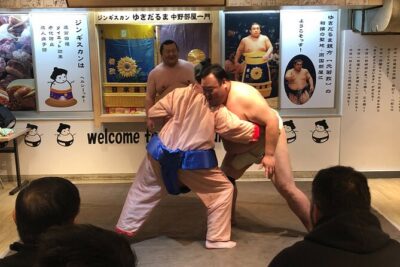
Tokyo Shinjuku Sumo Show & Experience with Photo
Read our review →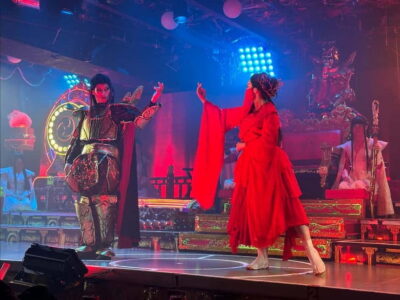
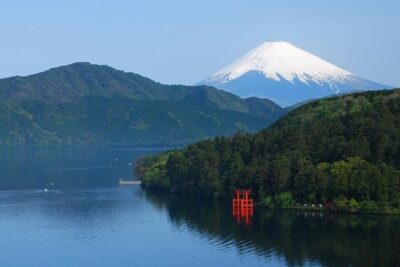
Mt Fuji & Hakone Cruise, Drum Show Bus 1 Day from Tokyo
Read our review →
Tsukiji Fish Market: Street Food & Culture Walking Tour
Read our review →Browse the lists this show appears in