
Review · TOKYO
Tokyo: Know about Kabuki performing – Ginza Walking
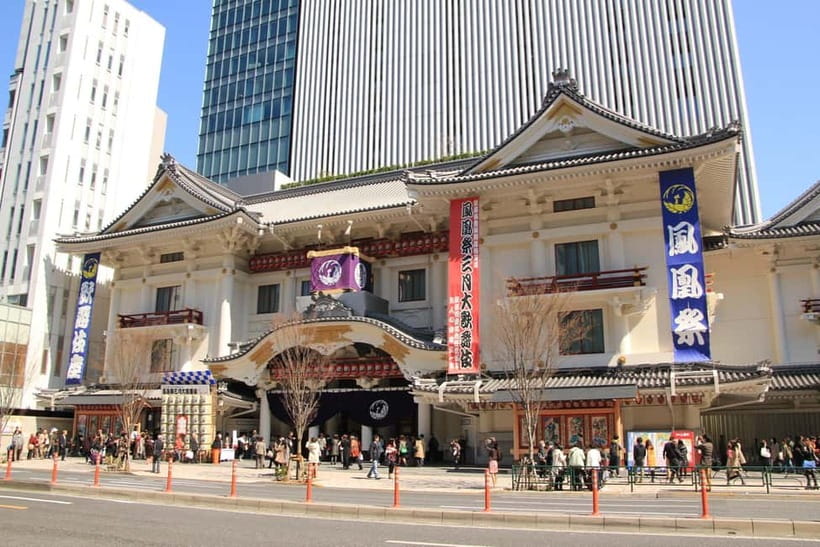
Kabuki is one of Japan’s great traditional arts, but seeing a full performance takes time and a bit of planning. This two-hour Ginza walk gives you a useful first look through Kabukiza exhibits, nearby cultural sights, and shops filled with Kabuki goods, Japanese accessories, and sweets.
I like the small group limit of nine people, which should make it easier to ask questions in English. I also like the mix of theater culture and ordinary Ginza sightseeing: you visit the Kabukiza building, a shrine tied to Kabuki, and a famous clock tower rather than spending the entire tour indoors.
The main drawback is clear: you do not watch a Kabuki performance. If you want stage action, music, costumes, and the full theater experience, you will need to arrange a separate ticket. This tour is best seen as a short introduction, not a substitute for a performance.
Key points about the Ginza Kabuki walk
- Kabukiza exhibits: Learn about Kabuki inside or around the Kabukiza theater complex with an English-speaking guide.
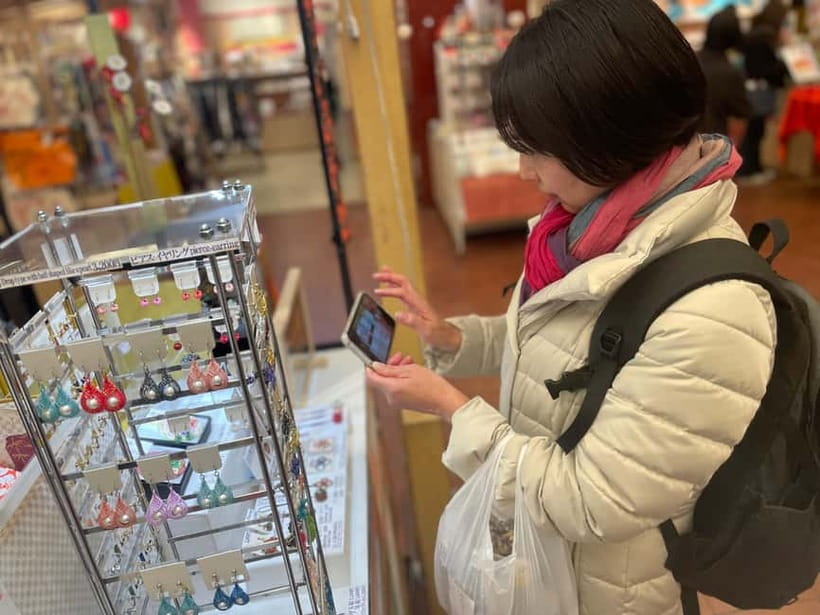
- Theater-only shopping: Browse souvenirs said to be available only at Kabukiza, including Kabuki goods, Japanese accessories, and sweets.
- Kabuki-linked shrine: Add a small religious and cultural stop connected with the theater world.
- Ginza landmarks: Visit a famous clock tower as part of the wider walk around central Ginza.
- Small English group: The tour is limited to nine participants and lasts two hours.
- No performance ticket: Kabuki viewing is not included, so plan this as a cultural introduction rather than a show.
Why Kabuki makes a good short Ginza experience
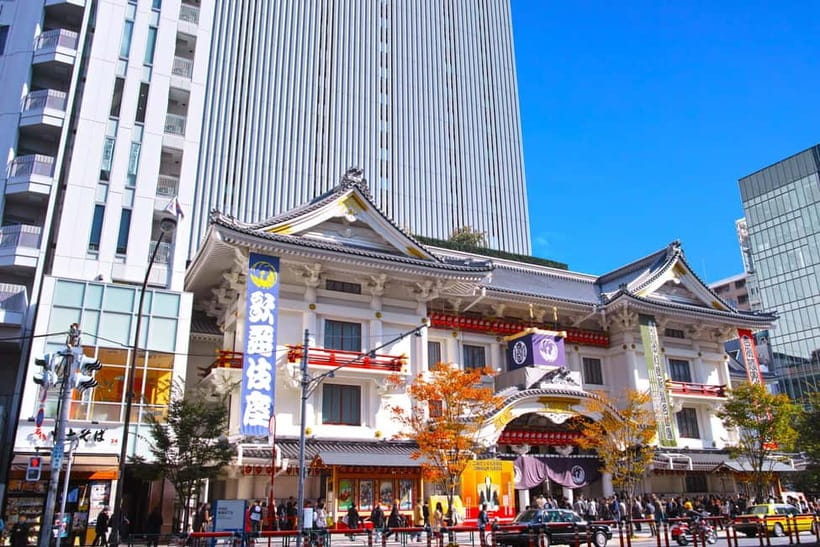
Kabuki can look difficult to approach from the outside. The makeup, gestures, costumes, music, and formal style are unlike most Western theater. If you have only a short time in Tokyo, booking a full performance may not fit your schedule, especially if you are unsure how much theater you want to see.
This walk gives you a starting point. You can learn what makes Kabuki distinct while standing in the neighborhood where the art is presented to the public. The setting matters. You are not learning about Kabuki in a distant classroom. You are seeing the Kabukiza building, visiting related displays, and walking through Ginza, one of Tokyo’s best-known shopping and entertainment districts.
I like this approach for a first visit because it keeps the subject manageable. Two hours is long enough to gain context, but short enough to fit before dinner, shopping, or another Tokyo activity. You should leave with a better sense of what Kabuki is and a clearer idea of whether you want to see a full performance later.
The tour also adds a little theater-world context beyond the exhibits. One October booking noted that the guides explained aspects of Japanese theater in addition to Kabuki itself. That is useful because Kabuki is part of a larger performing-arts tradition, not an isolated attraction.
More Walking Tours in Tokyo:
- Tsukiji Fish Market: Street Food & Culture Walking Tour
★ 5.0 · 669 reviews - The Dark Side of Tokyo – Night Walking Tour Shinjuku Kabukicho
★ 4.5 · 297 reviews - Tokyo: Asakusa Walking Tour & Comedy Night
★ 5.0 · 5 reviews
Starting at Nissan Crossing in Ginza
The meeting point is in front of Nissan Crossing, a well-known Ginza location. This gives the walk a practical start in the heart of the district, rather than at a remote station or a hard-to-find side street.
You should arrive ready for a walking tour and allow enough time to locate the meeting point. The exact start time depends on availability when you book. Since the activity lasts two hours, check the selected time carefully if you have restaurant reservations, museum tickets, or other fixed plans afterward.
The English-speaking guide leads the group throughout. Fumei is one guide associated with the experience, and a booking specifically praised her. The guide’s role is important here because the value comes less from simply looking at a building and more from understanding the connection between Kabuki, the theater, the shops, and the surrounding sights.
The group size is capped at nine. That is small enough to keep the walk personal without making it a private tour. You should have a better chance to hear explanations and ask a quick question than you would in a large sightseeing group.
Seeing Kabukiza without booking a performance
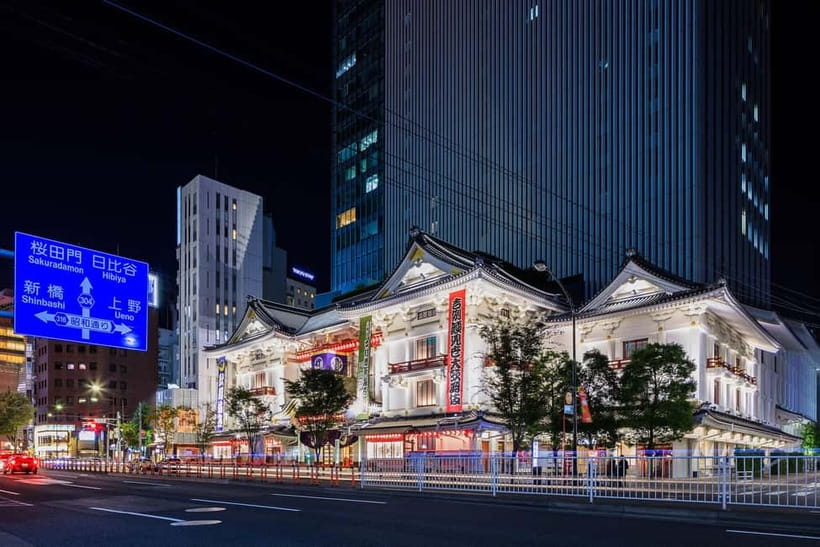
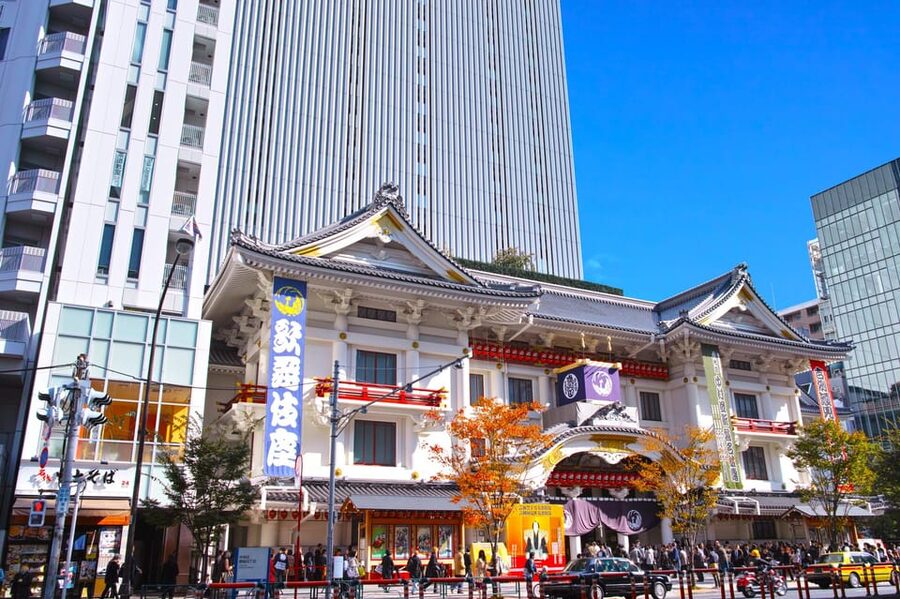
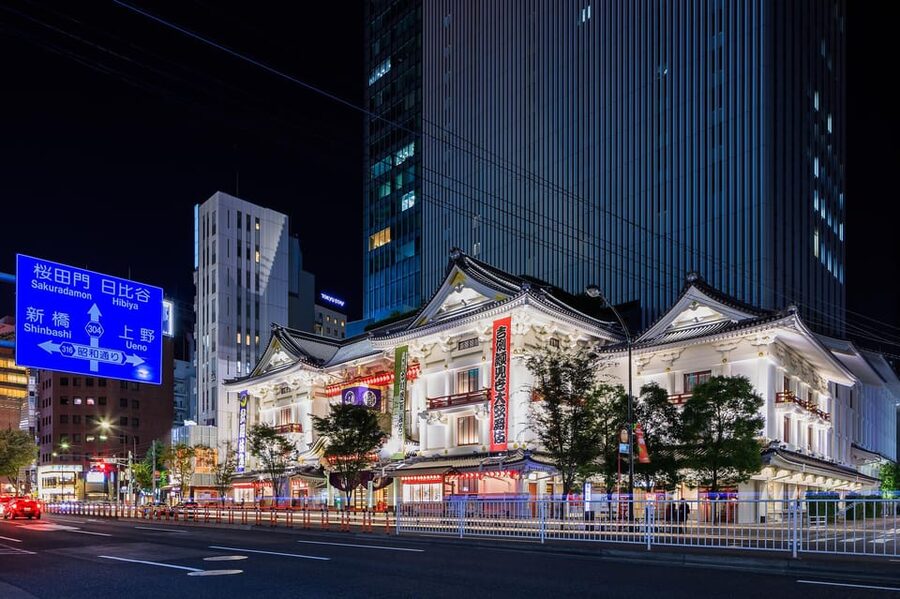
The Kabukiza building is the main focus of the walk. Your guide introduces the theater and helps explain Kabuki through exhibits and displays connected with the performing arts.
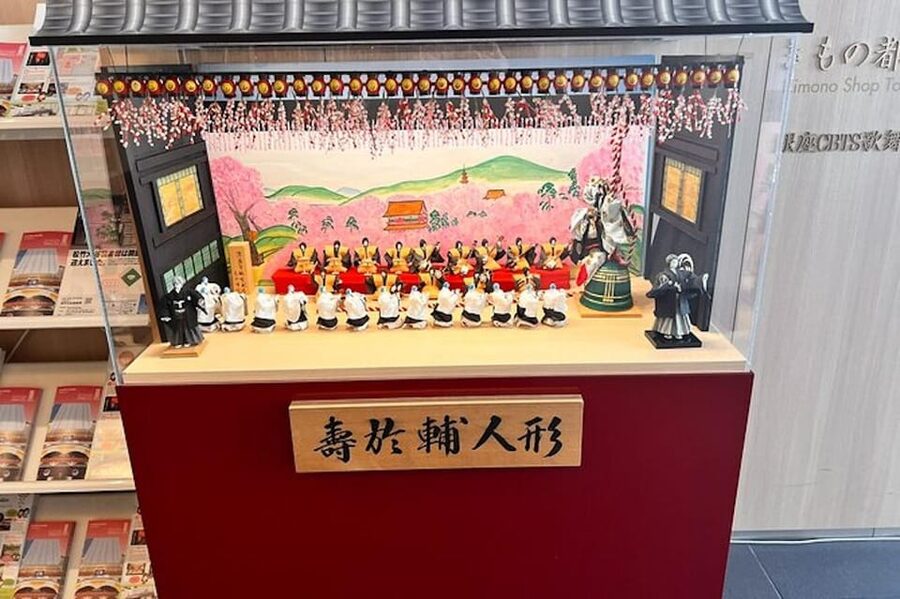
This part is especially useful if you have seen photos of Kabuki but do not know what to look for. The exhibits can give you a visual introduction to the art before you decide if a performance is right for you. The tour description does not promise a complete lecture on Kabuki technique, so expect an overview rather than specialist training in stage movement, vocal styles, or theater history.
That distinction is worth keeping in mind. One booking rated the experience as a good first introduction but wanted more detail about the ways of Kabuki. I read that as a fair warning about the tour’s level. You get a short guided look, not an exhaustive study.
For many people, that is the right trade. You can learn the basics without giving up an entire evening. If Kabuki has never been part of your Japan plans, this format lets you test your interest. If you already know the art well, the gallery portion may feel brief.
The building itself also gives the tour a strong sense of place. You are not simply hearing that Kabuki remains important in Japan. You are connecting the art to a working theater complex in Ginza, then continuing into nearby cultural spaces and shops.
Shopping for Kabukiza-only souvenirs
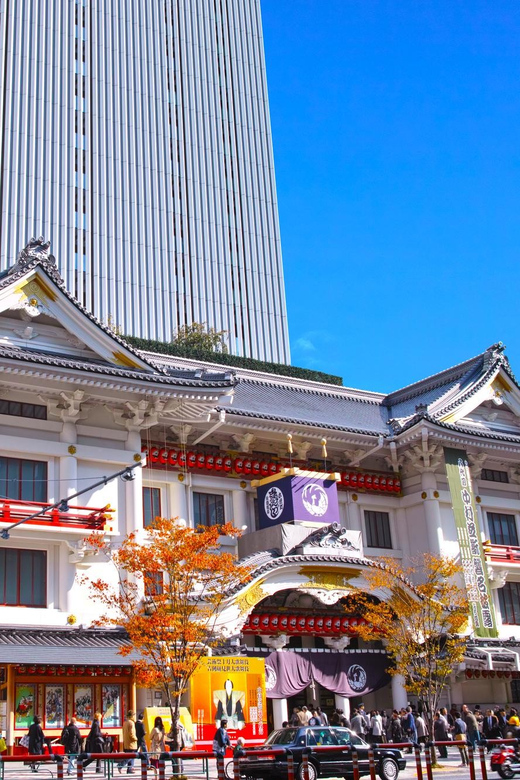
A stop at shops associated with Kabukiza adds a practical reason to take the tour. The shopping portion includes Kabuki goods, Japanese accessories, Japanese sweets, and other items connected with the area.
The most useful detail is that some souvenirs are available only at Kabukiza. That makes the stop different from general souvenir shopping in Tokyo, where you may see the same snacks and trinkets in several districts. If you collect theater items or want a gift with a clear connection to Kabuki, this is the part to watch.
Shopping is not included in the $56 tour price. You pay for anything you choose to buy, and the amount depends entirely on your choices. I appreciate that the activity keeps this separate rather than treating shopping as part of the ticket.
You should also set a personal budget before you go. Japanese sweets and small accessories may be easy purchases, while theater merchandise can make the total cost rise quickly. The tour gives you access to the shops and helps explain the setting, but you are never paying for a shopping package.
This stop also makes the experience appealing to people who want a tangible reminder of Ginza. You may find a small Kabuki item more meaningful than a generic Tokyo souvenir because it connects to the theater you just visited.
Same place, a different night out:
- Mt Fuji & Hakone Cruise, Drum Show Bullet Train 1 Day from Tokyo
★ 4.0 · 7,413 reviews - Tokyo: Sumo Show and Dining Experience
★ 4.8 · 2,742 reviews - Tokyo: Japanese Dance Cabaret Theater Asakusa-Kaguwa Ticket
★ 4.8 · 2,270 reviews - the SUMO show
★ 5.0 · 1,960 reviews
Visiting the shrine linked with Kabuki
The walk includes a shrine associated with Kabuki. This adds a different kind of cultural stop to the theater exhibits and shopping.
A shrine visit can help you see how performing arts fit into the wider cultural life of Japan. The tour does not present Kabuki as entertainment alone. By including a religious site connected with the theater, it gives you another angle on the traditions surrounding the art.
The provided details do not specify the shrine’s name or promise a long religious explanation. You should therefore expect a guided sightseeing stop, not a dedicated shrine tour. The value lies in the connection to Kabuki and in the change of pace from the theater displays and retail stores.
I like this part of the route because it keeps the walk from feeling like a single-attraction visit. You move between performance culture, local sightseeing, and shopping within the same Ginza area. That variety suits you if you want a compact introduction to Japanese culture rather than a narrowly focused lecture.
Stopping at Ginza’s famous clock tower
The itinerary also includes a famous clock tower in Ginza. The tour description does not name it, so you should not book this expecting a detailed architectural visit to a specific building.
Still, a landmark stop helps you understand the district’s character. Ginza is known for shopping, entertainment, and polished city streets, and the clock tower adds a familiar visual point to the walk. It also gives you another photo opportunity and a simple way to connect the Kabukiza area with the wider neighborhood.
This is likely a shorter sightseeing element rather than the main event. The Kabuki exhibits carry the cultural weight, while the clock tower helps round out the Ginza walk. If you already plan to explore Ginza on your own, this stop may feel familiar. If you are new to the district, the guide’s route gives you structure and context.
What $56 means in practical terms
At $56 per person, this is not a cheap stroll through Ginza. The price pays for a two-hour English-guided experience in a small group, with access to Kabuki-related exhibits and a planned route through several cultural stops.
The value depends on what you need. If you want a full Kabuki performance, the price does not cover that goal because Kabuki viewing is specifically excluded. You would need to arrange show tickets separately.
If you want a short introduction without committing an evening, the price is easier to justify. You are paying for interpretation, a small group, and a route that links the Kabukiza building with shops, a shrine, and a clock tower. The guide also adds explanations about Japanese theater, which can be useful when the displays alone might feel hard to understand.
I would book it when time is limited or when you prefer guided context to independent browsing. I would skip it if you are comfortable reading about Kabuki on your own and mainly want to wander through Ginza at no cost.
The reserve-now, pay-later option also helps with planning. You can hold a place without paying immediately, while free cancellation is available up to 24 hours before the activity for a full refund. Those terms are useful if your Tokyo schedule is still changing.
Who will enjoy this two-hour format
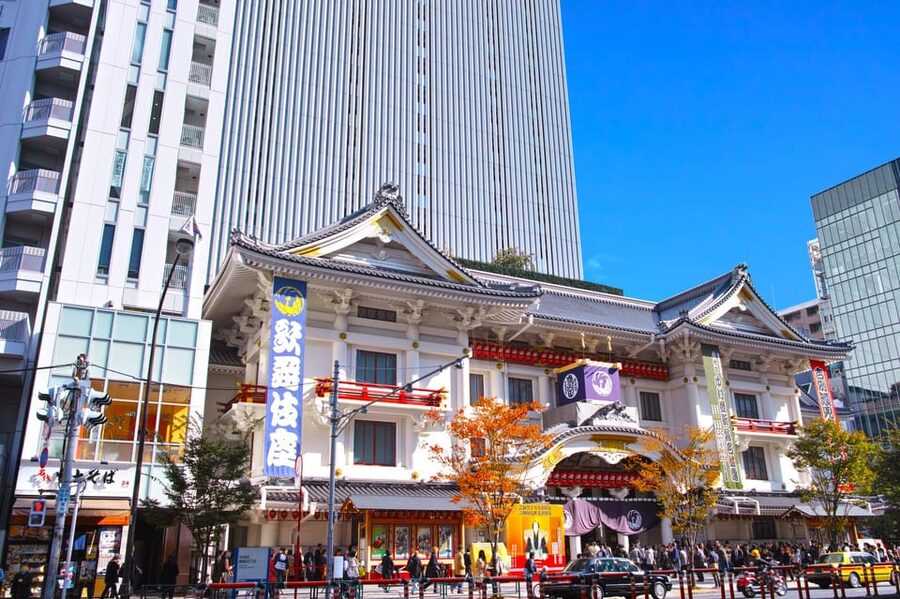
This experience suits first-time visitors who want a manageable introduction to Kabuki. You do not need to be a theater expert, and the short duration makes it easy to add to a busy Tokyo schedule.
It also works well for visitors who are curious about Japanese culture but unsure about sitting through a complete Kabuki show. The exhibits and guide give you enough background to decide if you want to pursue the art further.
I would also consider it for couples, families with older children, and small groups who enjoy walking and browsing. The shopping stop adds an easy souvenir option, while the shrine and clock tower keep the route varied.
You may want something else if you expect an in-depth academic explanation. The feedback from the October 28, 2024 bookings suggests that the tour is friendly and informative, while one participant wanted more insight into Kabuki itself. That points to a welcoming introduction rather than a detailed master class.
The guide matters a great deal in a short tour. Fumei received especially warm praise, and the experience depends on how clearly the guide connects the displays to Japanese theater. With a small group, you should be able to ask questions, but the amount of detail may still vary with the guide and the pace of the visit.
Practical planning before you book
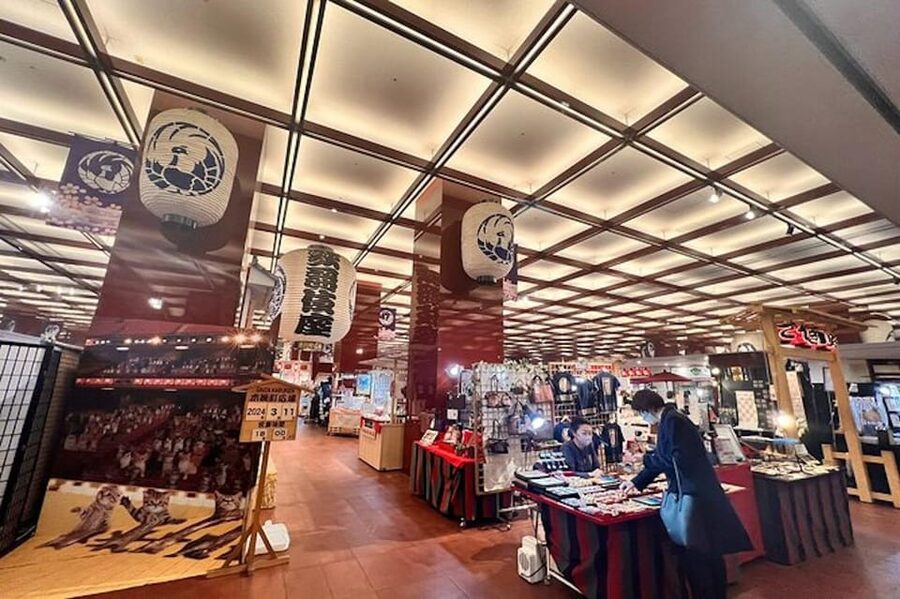
Wear comfortable shoes because the experience is a walking tour around Ginza. The supplied information does not state the exact distance or accessibility details, so contact the provider if you need specific mobility information.
Bring some spending money only if you want to shop. Purchases are not included, and the tour does not require you to buy anything. You can enjoy the exhibits and sightseeing stops without adding shopping costs.
Remember that the meeting point is in front of Nissan Crossing, not at a Kabuki performance entrance. Confirm the start time and make sure you know where to meet before setting out.
English is the stated tour language. The group is limited to nine people, and the activity is led by a live guide rather than delivered as a self-guided audio route.
Should you book the Kabuki Ginza walk?
Book this tour if you want a short, guided introduction to Kabuki and like the idea of combining theater culture with Ginza sightseeing. The Kabukiza exhibits, theater-only souvenirs, Kabuki-linked shrine, and clock tower create a varied two-hour route. The small English group and friendly guide style add useful personal context.
Do not book it expecting a Kabuki show. The performance is not included, and the explanation may feel too brief if you already know the art well.
For a first look at Kabuki, especially on a tight Tokyo schedule, I think the format makes sense. It gives you enough background to appreciate the theater district and decide if a full performance belongs on your next Japan visit.
FAQ
Where does the tour meet?
The meeting point is in front of Nissan Crossing in Ginza.
How long does the tour last?
The activity lasts two hours.
What language is the tour conducted in?
The live tour guide speaks English.
How large is the group?
The tour is limited to nine participants.
Does the tour include a Kabuki performance?
No. Kabuki viewing is not included in the activity.
What does the tour include?
The tour includes a guide, a visit to Kabukiza-related exhibits, Kabuki-area sightseeing, a shrine associated with Kabuki, a famous Ginza clock tower, and stops at local souvenir shops.
Are shopping costs included?
No. Anything you buy at the shops is an additional cost, and the amount depends on what you choose.
How much does the tour cost?
The listed price is $56 per person.
Can I cancel the booking?
Yes. You can cancel up to 24 hours in advance for a full refund. You can also reserve now and pay later.
Just added around Tokyo
- Tokyo: Taishu Engeki Show with Kimono and Sword Lesson★ 5.0 · 12 reviews
- Tokyo: Traditional Geisha Experience Show & Japanese Dinner★ 4.2 · 59 reviews
- Tokyo: Rainbow Bridge Day Cruise Show Unlimited Soft Drinks★ 4.5 · 86 reviews
- Tokyo: Taiko Drum Experience in Kabukicho with Dinner★ 5.0 · 3 reviews
- Tokyo: KABUKI, BUNRAKU, etc. presented by National Theatre★ 4.6 · 135 reviews
- Tokyo: Learn about Japanese Traditional art KABUKI in Ginza★ 3.2 · 5 reviews
- Tokyo: Japanese Style Variety Show with Dance,Magic & Dinner★ 4.5 · 13 reviews
- Tokyo: Family Sumo Workshop & Live Wrestling Show with Lunch★ 4.9 · 99 reviews
Tokyo Shows, compared.
Japanese Dance Cabaret Theater Asakusa-Kaguwa Ticket
Read our review →
Tokyo Shinjuku Sumo Show & Experience with Photo
Read our review →
Mt Fuji & Hakone Cruise, Drum Show Bus 1 Day from Tokyo
Read our review →
Yakatabune Dinner Cruise with Japanese Show & Drinks
Read our review →Browse the lists this show appears in