
Review · TOKYO
Tokyo: Sumo Show and Dining Experience
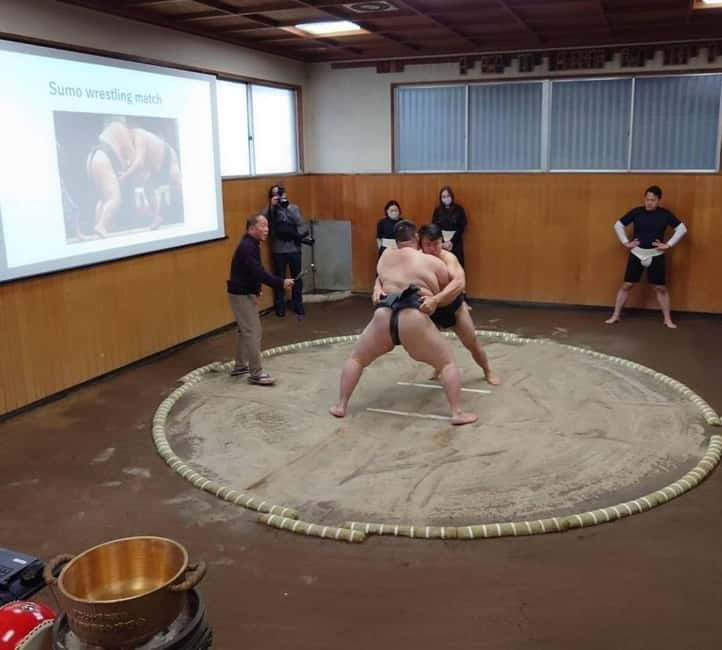
Tokyo Sumo Room puts you only a few steps from the action. Former Makuuchi wrestler Tokitsumi operates this small venue in Kiyosumi-Shirakawa, where an English-speaking host explains sumo customs before retired wrestlers demonstrate their strength, technique, and comic timing. You may even be invited into the ring for a friendly bout.
I like two things right away: the close-up setting makes the wrestlers’ footwork and sheer power easy to appreciate, and the audience participation turns a show into a shared family memory. The Japanese meal, especially the chankonabe-style hot pot, adds a useful taste of wrestler life rather than just another stage performance.
One point needs careful attention: the meal choice depends on the show time and booking option. Food is offered with selected 11:00 AM and 7:00 PM meal plans, while the 3:00 PM show has no meal plan. Check exactly what you have selected before paying, since the wording can be confusing.
Key points before you book
- Former Makuuchi wrestler Tokitsumi operates the venue, giving the presentation a direct link to professional sumo.
- The show is close and interactive, with demonstrations, bouts, explanations, and optional chances to challenge the wrestlers.
- The English-language host explains rules and customs, making the sport easier to follow even if you know little about sumo.
- Chankonabe-style food connects dinner to the sport, with seasonal Japanese dishes available on selected meal plans.
- The small venue can feel personal, though the room may hold more than the smallest groups.
- The $79 price is strongest when food is included, especially for families who want a cultural activity and dinner in one stop.
A small sumo room in Kiyosumi-Shirakawa
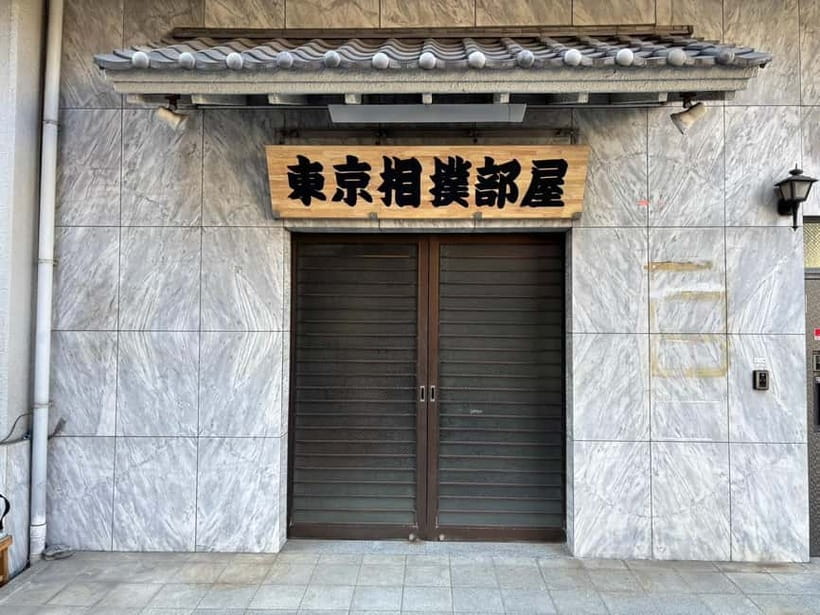
Kiyosumi-Shirakawa is a good setting for this outing. The venue is easy to reach by public transport, and the experience gives you a reason to visit a part of Tokyo beyond the best-known tourist districts.
Tokyo Sumo Room is not a large arena show. It is a compact restaurant and performance space operated by people with direct ties to sumo. That scale matters. You are close enough to see the wrestlers brace their feet, shift their weight, and use timing instead of simple brute force.
The setting also helps the presentation feel less formal than a major tournament. You are not sitting silently in a huge crowd waiting for a match. The host talks to the room, jokes with the wrestlers, and brings the audience into the program.
The space can accommodate larger parties, but a small group of eight can feel especially personal. If the room is fuller, the sense of intimacy may be reduced slightly, though the close-range format still keeps the action easy to see.
A few more shows around Tokyo worth a look
- Tokyo: Yakatabune Dinner Cruise with Japanese Show & Drinks
★ 4.7 · 871 reviews - Tokyo Bay Yakatabune Dinner/Day Cruise with Japan Show and Drinks
★ 4.5 · 473 reviews - Tokyo Dinner Cruise & Tradition Show & Drinks & Tokyo Tower
★ 4.7 · 315 reviews
The opening lesson makes sumo easier to follow
The program begins with an introduction to sumo history, rules, and customs. This is important because sumo can seem mysterious if you only know that the aim is to push an opponent out of the ring.
The English-speaking host explains the basic structure in a lively way. You learn why the wrestlers perform ritual movements, how a match begins, and what makes a legal push or throw. The presentation also covers training and the physical demands placed on a rikishi, the Japanese term for a sumo wrestler.
This short lesson gives the show a useful frame. Instead of seeing two large men collide and simply waiting for the next bout, you start noticing balance, stance, speed, and positioning. A wrestler can appear to win through force, but the demonstration makes clear how much control and practice are involved.
The tone is light. The host uses humor, and the wrestlers join in rather than presenting themselves as distant athletes. That makes the lesson work well for children and adults who have never watched a tournament.
You should not expect a full academic lecture. The history section is designed to prepare you for the performance, not replace a museum visit or a long cultural seminar. For most people, that is the right balance for a 90-minute to two-hour outing.
Watching former wrestlers demonstrate power and technique
After the introduction, the wrestlers show what sumo looks like at close range. The program can include practice movements, demonstrations, and several short competitions. Some sessions feature two retired wrestlers, while others may include three participants.
The action is more impressive in person than on a screen. Sumo is built around brief bursts of force, and the contact is direct. You can see how quickly a match can change when one wrestler finds the right angle or catches the other off balance.
The bouts also have a playful side. The wrestlers joke with each other and the audience, which keeps the mood friendly rather than intimidating. That humor is useful because it helps families and first-time visitors relax before the participation portion begins.
The demonstrations are not presented as a formal professional tournament. They are made for a cultural show, with explanation and entertainment built into the program. That means the pacing is accessible, but serious sumo fans seeking a full day of tournament matches may prefer attending an official competition during a Tokyo tournament season.
Even so, the educational value is strong. You see the workout demands, the physical strength, and the care that goes into basic sumo movements. It is a better introduction than simply watching an isolated bout without explanation.
Your chance to enter the ring
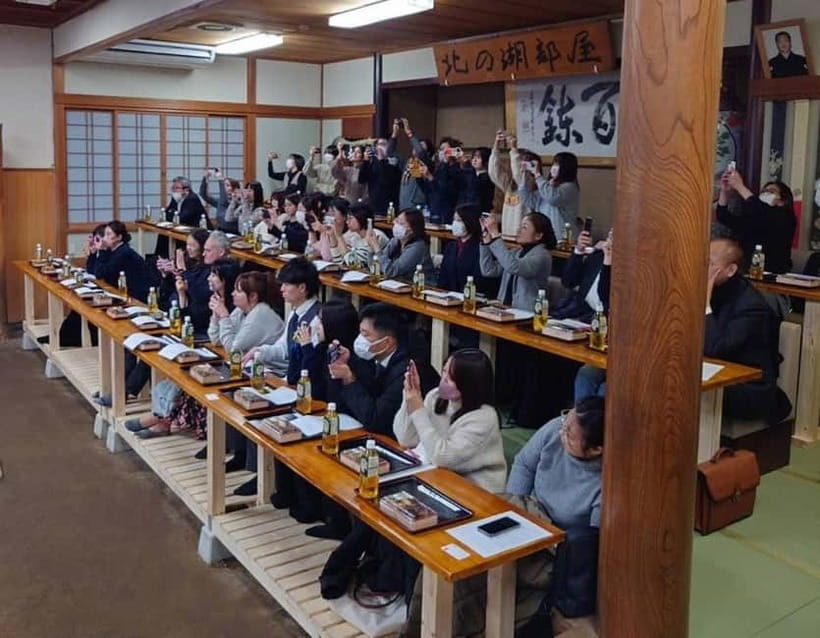
Audience participation is the feature that makes this activity different from a standard dinner show. If you want to take part, you may practice with a wrestler and attempt a friendly match.
You do not need to be athletic to enjoy this portion. The point is not to defeat a retired sumo wrestler. The point is to feel how difficult it is to move someone who has trained to keep a stable base. Several people describe the experience as a comic lesson in strength, balance, and leverage.
The wrestlers guide the interaction, so the tone remains controlled and good-natured. Children can enjoy watching a parent or another adult take the challenge, while confident adults can volunteer themselves. If you prefer to stay seated, you can simply watch the action and cheer.
Some people may feel shy about joining in. I would still suggest considering it, because the ring portion is the most distinctive part of the program. Comfortable shoes are a sensible choice, and you should bring a camera if you want photos. The venue has also helped participants record their turns, although you should not assume that every session includes the same phone assistance.
The supplied information also refers to optional authentic sumo training experiences led by experienced rikishi. Ask what is included in your selected booking if training is a priority, since the standard show and any additional training option are not necessarily the same product.
More Dinners Out in Tokyo:
- Tokyo: Samurai Restaurant Show Ticket with 2 Drinks
★ 4.5 · 1,307 reviews - Tokyo: Traditional Japanese Performing Arts Show and Dinner
★ 4.5 · 99 reviews - Tokyo: Traditional Geisha Experience Show & Japanese Dinner
★ 4.2 · 59 reviews - Tokyo: Japanese Style Variety Show with Dance,Magic & Dinner
★ 4.5 · 13 reviews
Japanese food with a sumo connection
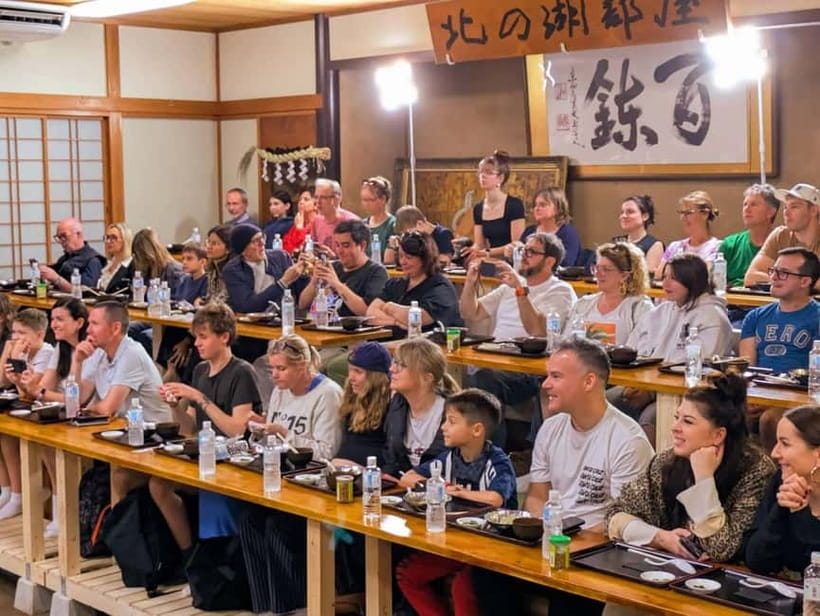
Food is not just an extra plate beside the show. Selected meal plans include Japanese cuisine designed to fit the sumo theme, including dishes inspired by chankonabe, the hearty hot pot traditionally associated with sumo wrestlers.
Chankonabe is a practical part of wrestler life because it provides a filling communal meal. At Tokyo Sumo Room, it gives you a direct connection to what wrestlers eat while training. The hot pot is also a good choice for a group because it is warm, substantial, and easy to share.
The menu may include seasonal Japanese dishes alongside the hot pot. Some diners have enjoyed generous portions and second helpings, and sake may be available as a separate personal purchase. Vegetarian choices can be requested in advance and may also be adjusted on the day.
The meal is best viewed as part of the cultural setting rather than a stand-alone gourmet destination. The main attraction is the combination of food, explanation, and live sumo. If you want a quiet, refined dinner with no interruptions, this is not the right format. If you like eating while the host explains the sport and the wrestlers interact with the room, it works very well.
Pay close attention to the time slot. The 11:00 AM and 7:00 PM shows can be booked with a meal option, while the 3:00 PM show has no meal plan. The price and booking description may use different labels for meal and show packages, so confirm the food inclusion before you arrive.
Why the compact format works for families
This is a strong choice for families because it combines three things that are often hard to fit into one Tokyo activity: a cultural lesson, live entertainment, and a meal.
Children can watch the wrestlers train, learn a few basic facts, and see adults from the audience enter the ring. The humor keeps the program moving, while the short duration prevents the outing from becoming tiring. A group of three generations can take part without needing specialist knowledge of Japanese sport.
The activity also suits solo visitors. One person who had to attend alone still received a warm welcome and a full show. The interactive format gives you a natural way to take part without needing to arrive with a large group.
For couples, the evening show makes a lively alternative to a standard restaurant meal. You will spend more than 90 minutes at the venue, but the time includes the presentation, performance, and food when selected. If you are planning another timed activity later, allow the full two-hour window rather than assuming a quick dinner stop.
People with limited mobility should note that the venue is wheelchair accessible. The ring participation is optional, so you can enjoy the explanations and performances without taking part physically.
How the $79 price measures up
At $79 per person, the value depends mainly on the package you choose. With a meal included, you are paying for a live cultural presentation, an English-language host, close-range sumo demonstrations, audience interaction, and Japanese food. That is a reasonable package for families and first-time visitors who want one organized evening activity.
Without a meal, the price is harder to compare because you are paying primarily for the show and personal interaction. It can still be worthwhile if the chance to meet retired wrestlers and enter the ring matters to you. The activity offers something a regular restaurant cannot provide.
The experience also saves you from having to arrange separate research about sumo rules and customs. You arrive, receive an explanation, watch the demonstrations, and have the chance to participate. That practical structure is part of the value.
I would not book it solely for a formal sporting contest. The program is entertainment with an educational purpose, not a replacement for a grand tournament. For an authentic taste of sumo culture in a friendly, compact setting, the cost is easier to justify.
Timing, transport, and practical planning
Shows last from 90 minutes to two hours, and starting times vary. Check availability carefully, then leave enough time to reach Kiyosumi-Shirakawa by public transport.
Booking ahead is sensible because the room is limited and popular time slots can fill. The venue is in Tokyo, but it is not positioned beside every major sightseeing area, so include the journey in your daily plan.
Wear comfortable shoes. You may be standing, moving near the ring, or taking part in an activity, and formal footwear is unnecessary. Bring a camera, but follow the venue’s instructions during the demonstrations.
Smoking is not allowed indoors. Personal expenses, such as transport and any purchases beyond the selected meal, are not included.
The activity is presented in English, which makes it particularly useful if you want context while watching the action. Vegetarian food is available on request, but mention it when booking and confirm the arrangement when you arrive.
Cancellation is free up to 24 hours in advance, and a reserve-now, pay-later option is available. Those policies are useful when your Tokyo schedule is still changing, but they do not remove the need to check the exact meal package.
Who should book Tokyo Sumo Room?
I would recommend this to first-time visitors who want an easy introduction to sumo without committing to a full tournament day. It is also a good fit for families, solo visitors, and anyone who enjoys activities with a strong audience role.
You will get the most from it if you are willing to laugh, ask questions, and perhaps step into the ring. The people who simply watch still receive a worthwhile lesson, but participation adds the most personal memory.
I would choose another activity if you want a silent, formal dinner, an official tournament, or a long historical lecture. This is a lively show with food, jokes, demonstrations, and friendly physical interaction.
For most visitors, I would book the 7:00 PM meal option for a full evening outing, or the 11:00 AM meal option if it fits your sightseeing plan. The 3:00 PM show suits a shorter cultural stop, but remember that food is not offered with that time slot.
Should you book this sumo experience?
Book it if you want to understand sumo through direct contact rather than watching from a distance. Tokitsumi’s connection to professional sumo, the English explanations, the close-range bouts, the optional wrestling challenge, and the chankonabe-style meal give the activity a clear purpose.
Before confirming, check three things: the show time, whether your package includes food, and whether you want to participate in the ring. If those details fit your plans, $79 buys a memorable and unusually hands-on introduction to one of Japan’s oldest sports.
FAQ
Where is Tokyo Sumo Room located?
Tokyo Sumo Room is located in Kiyosumi-Shirakawa in Tokyo, on Honshu. The venue is accessible by public transport.
How long does the sumo experience last?
The activity lasts approximately 90 minutes to two hours, depending on the session.
Is the presentation available in English?
Yes. The activity includes an English-speaking instructor or host.
Is Japanese food included?
Japanese cuisine is included only when you select a meal option. Meal plans are available with the 11:00 AM and 7:00 PM shows. The 3:00 PM show has no meal plan.
What kind of food is served?
The menu includes Japanese cuisine, seasonal dishes, and food inspired by chankonabe, the hot pot traditionally associated with sumo wrestlers.
Are vegetarian options available?
Yes. Vegetarian options can be requested in advance and may also be modified on the day of your visit.
Can I participate in the sumo demonstrations?
Audience participation is available, and you may have the chance to practice with or challenge a sumo wrestler. Participation is optional.
Is the venue wheelchair accessible?
Yes. Tokyo Sumo Room is wheelchair accessible.
Just added around Tokyo
- Tokyo: Taishu Engeki Show with Kimono and Sword Lesson★ 5.0 · 12 reviews
- Tokyo: Traditional Geisha Experience Show & Japanese Dinner★ 4.2 · 59 reviews
- Tokyo: Taiko Drum Experience in Kabukicho with Dinner★ 5.0 · 3 reviews
- Tokyo: Rainbow Bridge Day Cruise Show Unlimited Soft Drinks★ 4.5 · 86 reviews
- Tokyo: KABUKI, BUNRAKU, etc. presented by National Theatre★ 4.6 · 135 reviews
- Tokyo: Know about Kabuki performing – Ginza Walking★ 4.2 · 3 reviews
- Tokyo: Learn about Japanese Traditional art KABUKI in Ginza★ 3.2 · 5 reviews
- Tokyo: Family Sumo Workshop & Live Wrestling Show with Lunch★ 4.9 · 99 reviews
Tokyo Shows, compared.
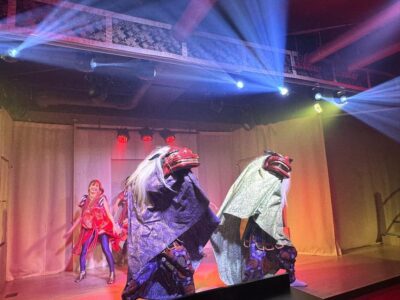
Japanese Dance Cabaret Theater Asakusa-Kaguwa Ticket
Read our review →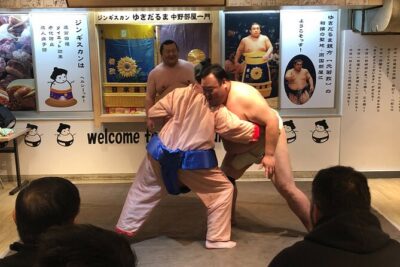
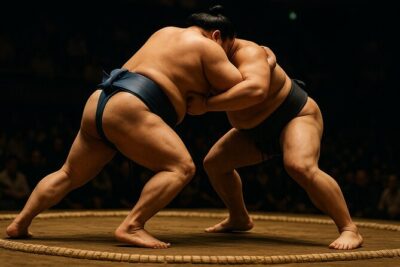
Tokyo Shinjuku Sumo Show & Experience with Photo
Read our review →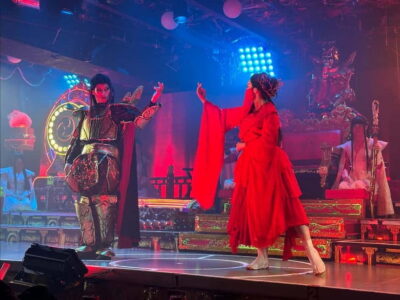
Mt Fuji & Hakone Cruise, Drum Show Bus 1 Day from Tokyo
Read our review →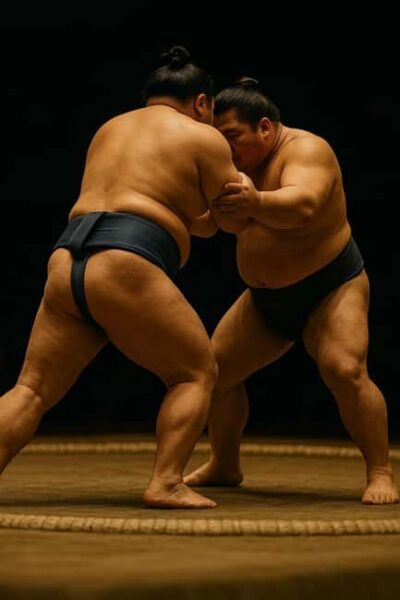
Yakatabune Dinner Cruise with Japanese Show & Drinks
Read our review →
Tsukiji Fish Market: Street Food & Culture Walking Tour
Read our review →Browse the lists this show appears in