
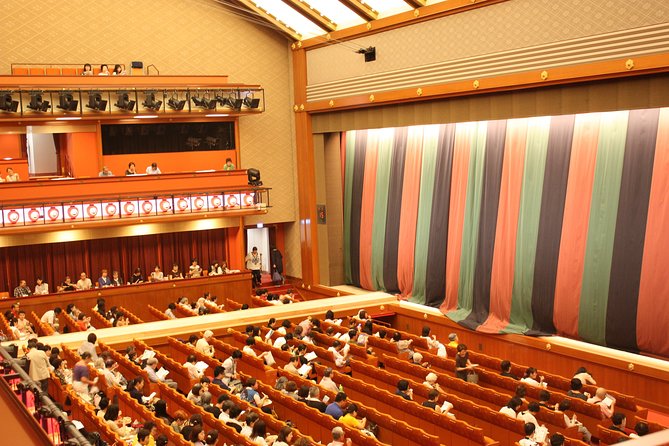
Review · JAPAN
Kabuki Talk
Kabuki can look bewildering if you walk into a performance cold. The makeup, stylized movement, old stories, and formal language take some explaining. This 90-minute Kabuki Talk gives you that missing key, led by Tokyo-born guide Kazui Yabe, who has loved the art since she was five.
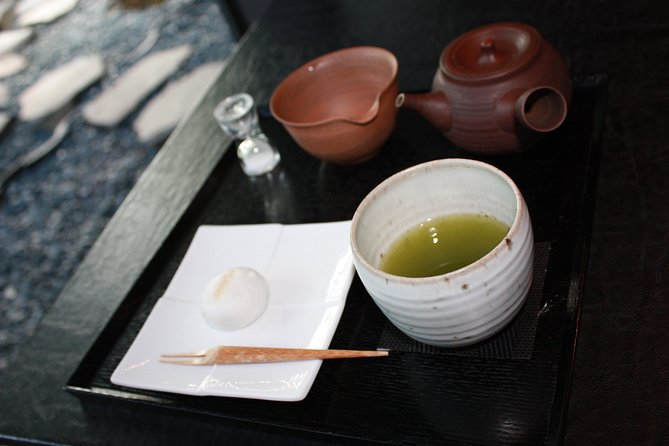
I like the clear visual teaching and the small group, capped at eight people. I also like the simple pleasures: choosing sencha, hojicha, or matcha, then eating Japanese sweets while watching short Kabuki clips. The main consideration is that this is an introduction, not a performance. Your Kabuki show ticket is separate, and an English subtitle device is not included.
Key points to know before booking
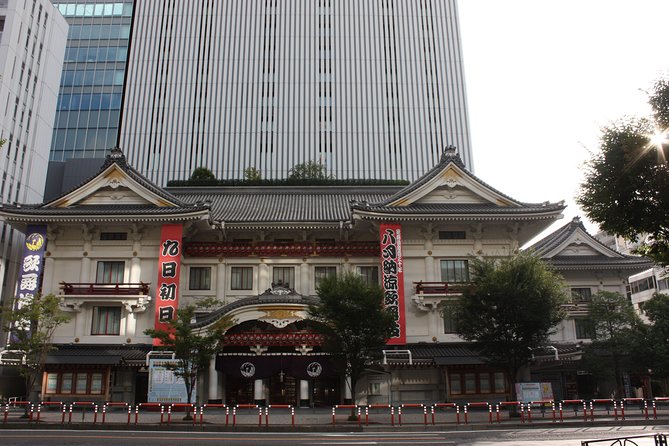
- Kazui Yabe teaches from personal passion: She grew up in Tokyo and has followed Kabuki since childhood.
- The talk uses video and written material: You learn how to watch Kabuki, not just when it began.
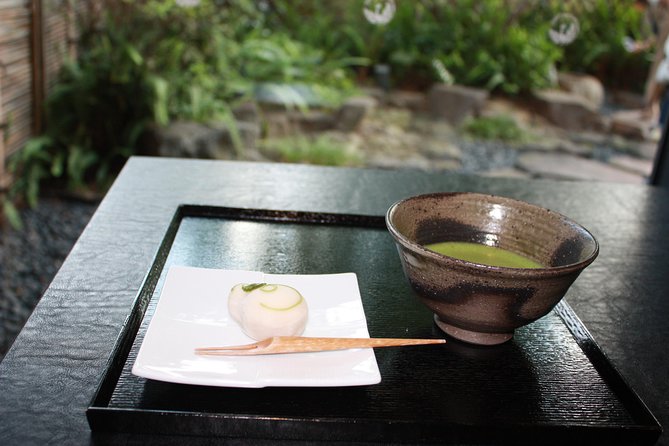
- Tea and sweets are part of the lesson: Choose sencha, hojicha, or matcha at Jugetsudo Tea Shop and Cafe.
- The route includes Kabukiza itself: You see the shrine, theater exterior, basement shops, and Kabukiza Tower displays.
- The group is limited to eight people: That should make questions and conversation easier.
- A live show costs extra: The talk prepares you for Kabuki, but it does not include admission to a performance.
Why a Kabuki introduction helps
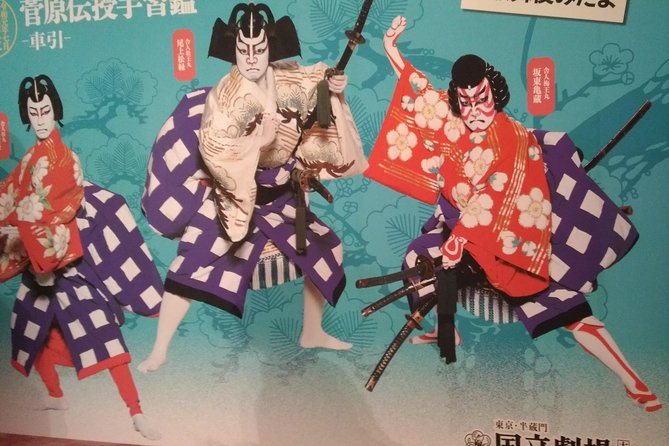
Kabuki is not difficult because it lacks beauty. It is difficult because much of its meaning is coded. Costume colors, makeup, poses, music, entrances, and pauses all carry weight. A first-time audience can see a grand spectacle and still miss why the audience reacts at a particular moment.
Kazui’s talk is designed to give you a working guide. You learn about the development of Kabuki, the theater itself, the actors, and the basic shape of a performance. Short videos give you something concrete to watch, which is far more useful than a long lecture filled with unfamiliar names.
I especially like this approach for anyone considering a live performance at Kabukiza. One participant found the preparation useful before sitting in the high seats on the fourth floor, where the view and acoustics were still good. The theater also offers English audio devices for performances, but those are separate from this experience. Used together, the talk and the device can make an unfamiliar show much easier to follow.
This is also a good choice if you have already seen Kabuki and want more context. The material is aimed at beginners, but the subject is broad enough for a returning audience member to ask questions and fill in gaps.
Other shows people book around Japan:
- Mt Fuji & Hakone Cruise, Drum Show Bullet Train 1 Day from Tokyo
★ 4.0 · 7,413 reviews - Tokyo: Sumo Show Experience with Chicken Hot Pot and a Photo
★ 4.8 · 6,678 reviews - Tokyo: Sumo Show and Dining Experience
★ 4.8 · 2,742 reviews
Starting at Kabuki Inari Shrine
The meeting point is Kabuki Inari Shrine, at 4 Chome-12 Ginza, beside Kabukiza Theater. The start and finish are in the same place, which keeps the outing easy to manage in central Tokyo and avoids the need to find a new meeting point afterward.
The first part covers the theater’s background. If you want, Kazui can take your photograph in front of Kabukiza. That small touch is useful if you are traveling alone or want a proper picture rather than a hurried selfie.
You then visit the shopping area on the basement floor of Kabukiza. This is not just spare time before the talk. It helps you see how Kabuki connects with everyday Japanese culture. The shops offer a chance to look around the theater complex and get a feel for its public side before moving into the more focused lesson.
The stop lasts about 20 minutes and does not require a separate admission ticket. Since the visit is short, you should think of it as an orientation rather than a full shopping excursion.
The main lesson at Jugetsudo Tea Shop and Cafe
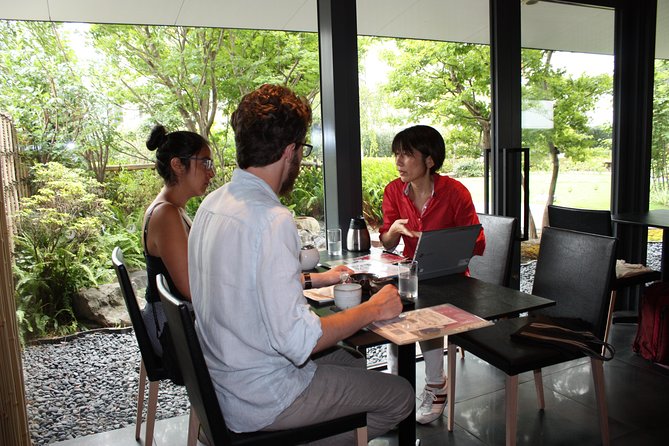
The central talk takes place at Jugetsudo Tea Shop and Cafe in a rooftop garden. That setting gives the lesson a pleasant rhythm: sit down, choose a Japanese tea, have a sweet, and let the unfamiliar subject unfold at a human pace.
You can choose sencha, hojicha, or matcha. The inclusion matters because the tea is not an afterthought. It gives you a calm place to listen and makes the experience feel connected to Japan rather than like a classroom presentation in a generic meeting room.
The talk lasts about one hour. Kazui uses a visual presentation and short Kabuki videos to explain what you are seeing. This can cover the origins and development of Kabuki, the role of actors, the form of performances, and details to watch for when you attend.
Written material is also provided. Keep it handy if you later buy a show ticket, since the names and conventions of Kabuki can blur together after one sitting. The video clips are especially useful for showing movement and performance style that written explanations cannot fully describe.
The group limit of eight is a real advantage here. Kabuki can prompt very specific questions, such as why an actor holds a pose, how a character is signaled, or how the staging supports the story. A small group gives you a better chance to ask those questions than a large lecture would.
Kazui’s English is strong enough for the presentation and discussion. Her personal connection to the art also shapes the lesson. She is not simply reciting a set script about a famous theater. Her enthusiasm for Kabuki is part of what makes the subject easier to approach.
Seeing models and actor portraits in Kabukiza Tower
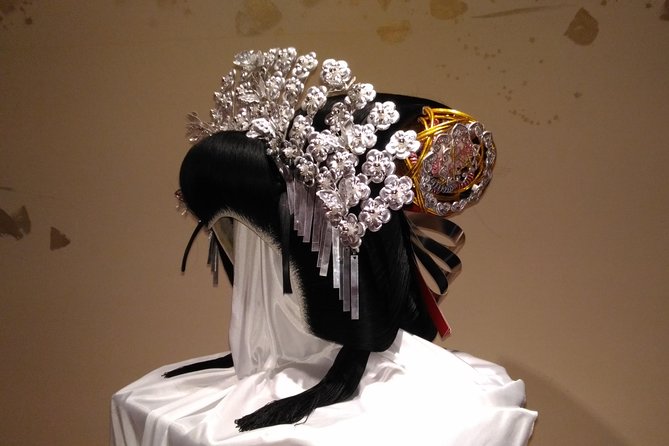
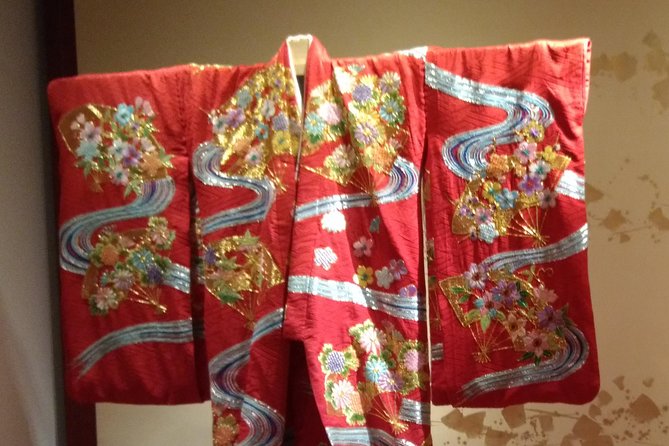
The final stop is Kabukiza Tower, where models of older theaters and portraits of Kabuki actors’ ancestors are displayed on the fourth floor. This short 10-minute visit adds a useful visual chapter to the talk.
The models help you see how Kabuki theater spaces changed over time. The portraits connect the art with the families and performers who have carried it forward. That is a valuable point for newcomers: Kabuki is not only a genre of plays. It is also a long performance tradition shaped by actors, theaters, and inherited roles.
Because this stop is brief, you should not expect a museum visit with extensive time for close study. Its value is in tying the earlier explanation to real objects and images before you return to the shrine.
Same place, a different night out:
- Tokyo: Japanese Dance Cabaret Theater Asakusa-Kaguwa Ticket
★ 4.8 · 2,270 reviews - the SUMO show
★ 5.0 · 1,960 reviews - Tokyo Shinjuku Sumo Show & Experience with Photo
★ 5.0 · 1,750 reviews - Tokyo: Samurai Restaurant Show Ticket with 2 Drinks
★ 4.5 · 1,307 reviews
What the $42 price includes
At $42, this is a moderate-priced cultural experience, not a cheap orientation and not a full theater package. You receive about 90 minutes of guiding, the theater-area visit, the visual lesson, tea, sweets, and the chance to ask questions in a small group.
The value depends on your plans. If you already understand Kabuki and do not intend to attend a show, you may find the talk more detailed than you need. If Kabuki is new to you, the price can make sense because it turns a potentially confusing performance into something you can approach with a plan.
The biggest cost to remember is outside the $42. A Kabuki performance ticket is not included. Neither is an English subtitle device rental. Hotel pickup is also not provided, so you make your own way to the Ginza meeting point.
For many people, the talk’s best value comes before a live performance. One person who attended found the English audio set especially helpful during the show, while the talk supplied the background needed to understand what was happening. You will need to arrange both parts separately, but the combination is likely to be more useful than buying a show ticket without preparation.
Who will get the most from Kabuki Talk
I would recommend this experience to a first-time Kabuki audience, especially if you want to attend a performance but are unsure where to begin. The visual examples and written notes give you practical tools, not just dates and names.
It also suits anyone who enjoys traditional arts but prefers a conversation to a large guided tour. The small maximum group keeps the format personal, and the tea setting makes it less formal than a museum lecture.
Families and mixed-experience groups may also find it useful because the talk is built for both newcomers and people who already know something about Kabuki. The content can provide a shared starting point before a show.
You may want to skip it if your schedule is very tight and you only want to see the theater exterior. You may also prefer to spend your money directly on a performance if you are already comfortable with Kabuki conventions. The talk cannot replace the energy of live actors, music, costumes, and stage action.
Timing, transport, and practical details
The experience lasts approximately one hour and 30 minutes. It begins and ends at Kabuki Inari Shrine in Ginza, near public transportation. The route is compact, with all three stops centered around Kabukiza.
A mobile ticket is provided, and booking confirmation is sent at the time of booking. Most people can participate, though you should allow enough time to reach the shrine before the scheduled start. Since the group is small, arriving late could be more disruptive than it would be on a large sightseeing tour.
The activity has free cancellation up to 24 hours before the start time. If you cancel within 24 hours, you do not receive a refund, and changes made in that final period are not accepted. The cut-off follows Tokyo local time.
Why Kazui’s approach matters
The strongest reason to choose this experience is Kazui herself. Her connection to Kabuki began in childhood, and that gives her a useful perspective as a Tokyo local who can explain why the theater matters in the city.
Her role is not only to point out buildings. She prepares you to watch. That difference matters. A basic sightseeing stop might tell you when Kabukiza opened or show you where to take a photograph. Kazui adds the performance context that helps you notice acting choices, story structure, and visual signals later.
Her presentation has also worked well for people who wanted a follow-up experience. If you enjoy the talk, you can arrange a later live Kabuki visit separately. That makes this a flexible first step rather than a complete package that tries to cover everything at once.
The experience has earned a 4.9 rating from 10 reviews, with 100 percent recommending it. The praise centers on three things: Kazui’s clear teaching, her enthusiasm, and the way the talk prepares people for a performance. Those are the qualities I would put most weight on when deciding.
Should you book Kabuki Talk?
Book it if you want to understand Kabuki before seeing it, value a small group, and like learning through clips, conversation, tea, and real theater spaces. It is particularly worthwhile when you plan to add a live performance afterward.
Skip it if you only need a quick photograph of Kabukiza or already know the art well. The show ticket is extra, and the experience itself is a lesson rather than a performance.
For most first-time visitors, I think the $42 is fair. You leave with a clearer idea of what to watch, a better sense of Kabuki’s place in Tokyo, and practical preparation for a live show. That is a useful return for 90 minutes in Ginza.
FAQ
Where does Kabuki Talk begin and end?
The experience begins and ends at Kabuki Inari Shrine, 4 Chome-12 Ginza, Chuo City, Tokyo 104-0061, Japan.
How long does the experience last?
It lasts approximately one hour and 30 minutes.
Is a Kabuki performance ticket included?
No. The Kabuki show ticket is not included. You need to arrange performance admission separately.
Is an English subtitle device included?
No. English subtitle device rental is not included in the $42 price.
What tea can I choose?
You can choose sencha, hojicha, or matcha. Japanese sweets are also included.
How many people can join the group?
The experience has a maximum of eight participants.
Can I cancel for a full refund?
Yes, if you cancel at least 24 hours before the experience start time. Cancellations made less than 24 hours in advance are not refunded.
Just added around Japan
- Authentic Kabuki Transformation & Mini Performance at Aioiza Gifu★ 4.5 · 3 reviews
- Tokyo: English Standup Comedy Night★ 5.0 · 4 reviews
- Experience the Asakusa Kabuki Opera Show!★ 5.0 · 99 reviews
- Tokyo: Taishu Engeki Show with Kimono and Sword Lesson★ 5.0 · 12 reviews
- Tokyo: Traditional Geisha Experience Show & Japanese Dinner★ 4.2 · 59 reviews
- Tokyo: Taiko Drum Experience in Kabukicho with Dinner★ 5.0 · 3 reviews
- Tokyo: Rainbow Bridge Day Cruise Show Unlimited Soft Drinks★ 4.5 · 86 reviews
- Tokyo: KABUKI, BUNRAKU, etc. presented by National Theatre★ 4.6 · 135 reviews
Japan Shows, compared.
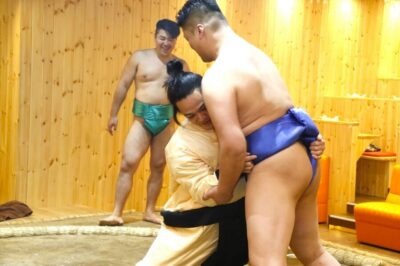
Sumo Show Experience with Chicken Hot Pot and a Photo
Read our review →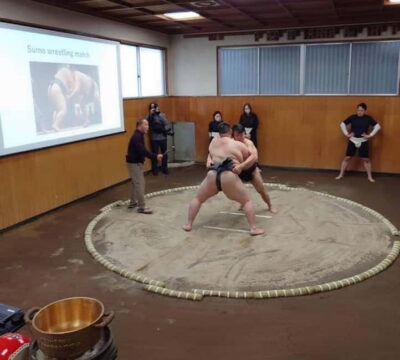
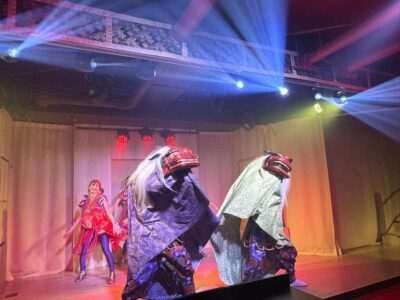
Japanese Dance Cabaret Theater Asakusa-Kaguwa Ticket
Read our review →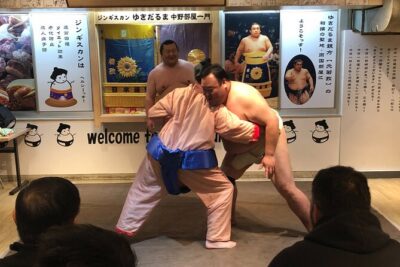
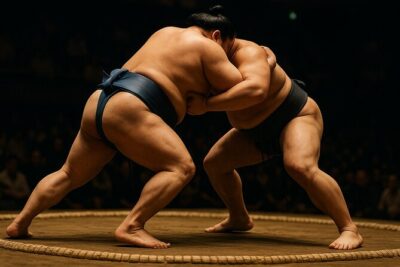
Tokyo Shinjuku Sumo Show & Experience with Photo
Read our review →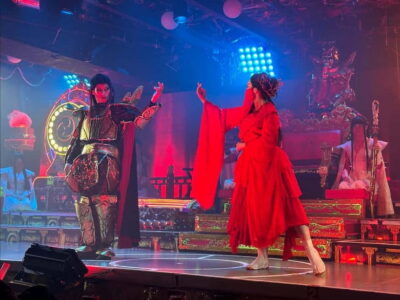
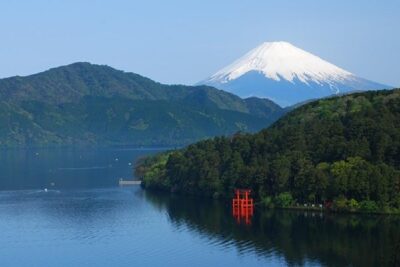
Mt Fuji & Hakone Cruise, Drum Show Bus 1 Day from Tokyo
Read our review →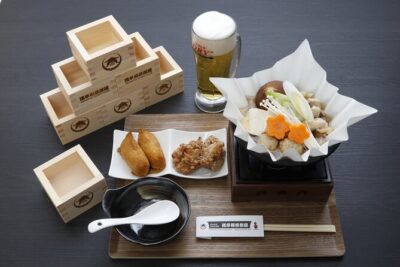
Tokyo Sumo Entertainment Show with Chicken Hot Pot and Photo
Read our review →Browse the lists this show appears in