
Review · TOKYO
Takoyaki cooking experience in Kabukicho, Shinjuku
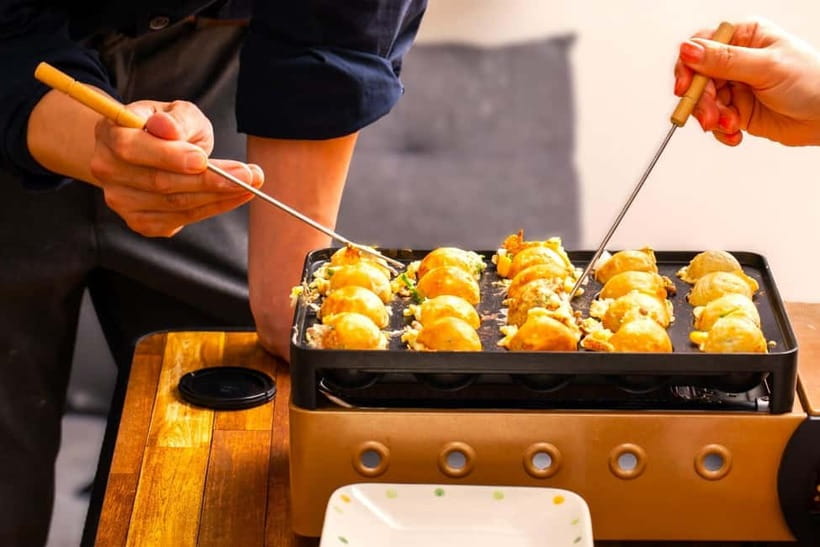
Takoyaki looks simple until you try to turn it. In this one-hour Kabukicho cooking class, you pour batter into a round griddle, add chopped octopus, and work each piece into a neat ball before eating it hot. I like the hands-on work, and I like that the small group is capped at six people. The main caution is the hot griddle, especially with young children, and the class is not suitable for anyone with gluten intolerance.
I also like the easy setting, five minutes from Shinjuku Station, and the friendly teaching style. Instructors including Sakiko, Chihiro, and Shuma have helped participants through the turning process, while Koi and Kai have made room for conversation and a little Japanese practice. English support is available, though a translation machine may be used.
Key points
- Turn your own takoyaki: Pour the batter, add octopus, and shape each piece while it cooks.
- Small group of up to six: The limited size allows the instructor to help with the fiddly parts.
- A quick Shinjuku activity: The restaurant is about five minutes from Shinjuku Station on the JR Yamanote Line.
- Child-friendly with limits: Children aged four and older can join, with care needed around the hot cooking surface.
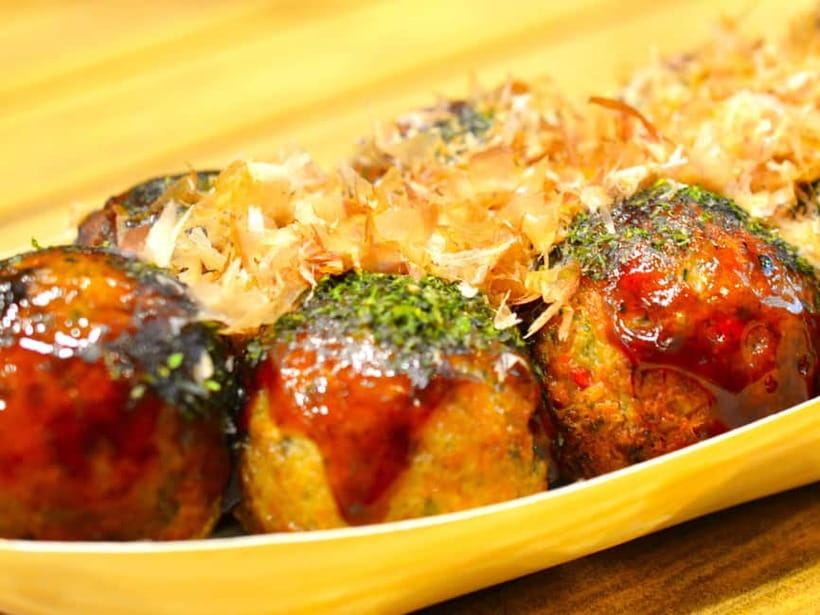
- Classic toppings included: Eat the finished takoyaki with sauce, mayonnaise, dried bonito flakes, and aonori.
- Good value at $25: Your fee covers the cooking experience and meal, but not drinks, extra food, or transport.
Why making takoyaki beats simply ordering it
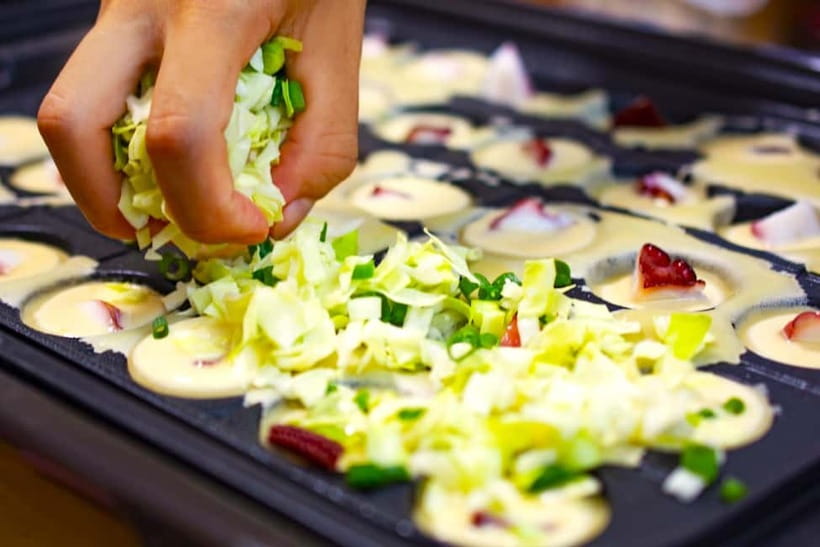
Takoyaki is one of Japan’s great casual foods: a crisp shell, a soft center, a piece of octopus inside, and a generous finish of sauce and toppings. You can buy it all over Osaka and Tokyo, but cooking it yourself gives you a better sense of how much skill hides inside those tidy little balls.
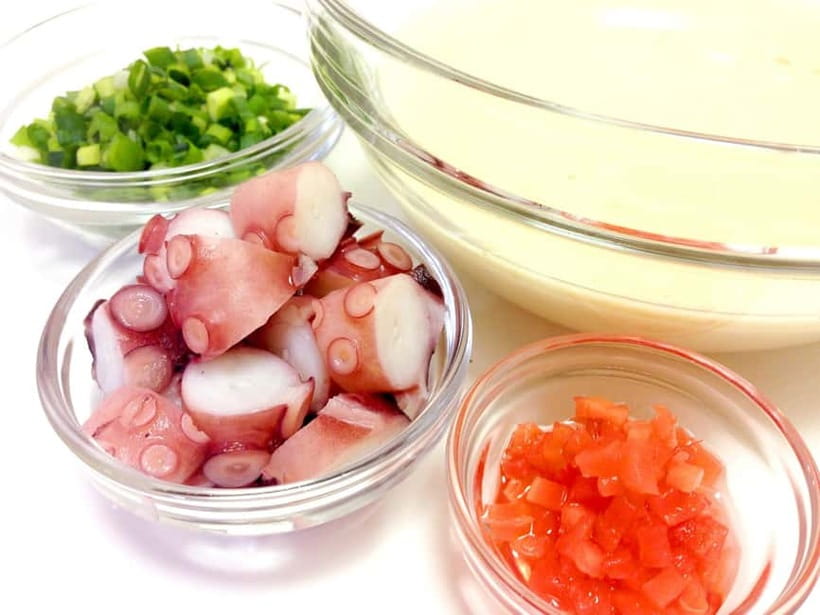
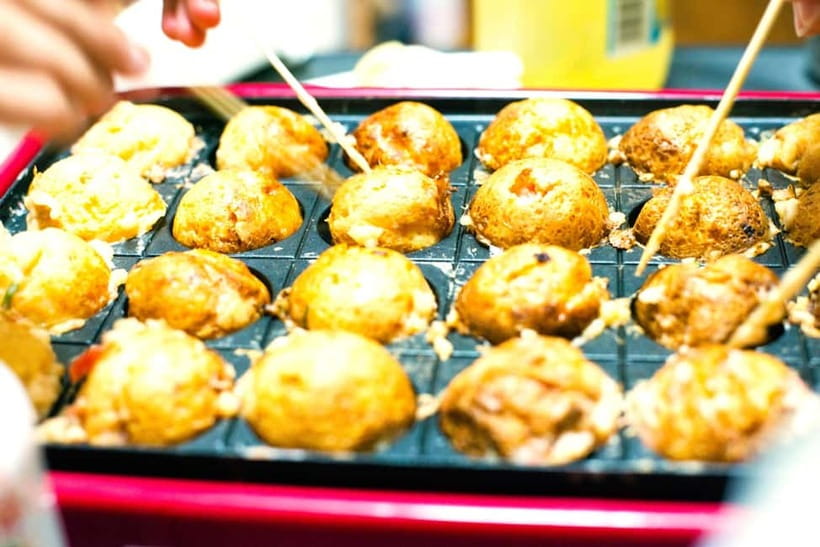
The process is social and active. You do not sit down and wait for a plate to arrive. You pour the flour, water, and egg batter into the round holes, place chopped octopus in the center, and wait for the edges to firm up. Then comes the fun part: using picks to turn the pieces until they become round.
Your first few pieces may be lopsided. That is part of the appeal. The instructor can show you when to turn the batter and how to gather loose edges into the shape. The finished food is served hot, with sauce, mayonnaise, dried bonito flakes, and green laver called aonori.
The class has earned a 4.8 rating from 36 ratings, and the most consistent praise centers on the staff. English-speaking instructors have helped make the lesson comfortable, while other sessions have used a translation machine when needed. You should expect a friendly food lesson, not a formal culinary school.
A few more shows around Tokyo worth a look
- Tokyo: Easy Ramen Cooking Experience in Kabukicho, Shinjuku
★ 4.6 · 321 reviews - Hanoi Private Trip: Explore local culture, monument, cooking class & puppet show
★ 4.5 · 3 reviews
Finding the cooking class in Kabukicho
The meeting point is at 1-14-5 Kabukicho, Shinjuku-ku, Tokyo. From Shinjuku Station, allow about five minutes on foot. Follow Kabukicho Central Road toward TOHO Cinemas, then look for Shinjuku Ale next to Karaoke 747 on the right before you reach the end of the road.
The Google Plus code is MPV2+VR Shinjuku City, Tokyo. That can help if you are using a map app, since Kabukicho has many signs, restaurants, and side streets competing for your attention.
Give yourself a little extra time to find the address. The class is short, and arriving late could eat into the cooking portion. You should also tell the restaurant staff about your reservation when you arrive.
Kabukicho is a lively part of Shinjuku, so this works well as a compact activity before or after sightseeing around TOHO Cinemas and the Godzilla head area. One participant specifically appreciated being close to Godzilla for photos afterward. The location makes this easier to fit into a busy Tokyo day than a cooking class far from the center.
What happens during the one-hour lesson
The activity lasts about one hour and ends after you finish eating. The exact pace can vary depending on the group, but the basic sequence is easy to understand.
First, you get introduced to takoyaki and the cooking setup. You will work with a round takoyaki griddle, batter made with flour, water, and eggs, and chopped octopus. The instructor explains how the food is cooked and helps you get started.
Next comes the filling and turning. You pour the batter into the holes and place the octopus inside. As the outer layer cooks, you use picks to turn the pieces. This takes a little coordination, but you do not need previous cooking experience. That is the point of the lesson: the instructor guides you through the technique rather than expecting you to know it already.
The final stage is eating. Your takoyaki is served hot with the familiar toppings. The contrast is the reason the dish is so popular: the outside can be lightly crisp, while the inside stays soft and fluffy. Be careful with the first bite, since freshly cooked takoyaki can be much hotter inside than it looks.
The format is best understood as a cooking activity followed by a meal. You are not preparing several dishes or spending half a day in a kitchen. That makes it useful for a short Tokyo schedule, though anyone seeking an extended food workshop may find the one-hour length limited.
The turning technique is the real lesson
Pouring batter is easy. Turning the takoyaki into round shapes is where the class earns its keep.
The pieces do not always cook evenly at the same moment. The outside firms up first, while the center remains soft. You gradually turn the batter, use the picks to pull in loose edges, and keep rotating until the ball takes shape. An instructor can correct your timing and hand position while the food is still on the griddle.
That hands-on work gives the activity more value than a standard meal. You learn why takoyaki cooks use a hot griddle with rounded wells and why the food needs repeated turning. Even if your shapes are imperfect, you will understand the method by the time you sit down to eat.
Several instructors have been singled out for patient help. Chihiro helped one participant make delicious takoyaki, while Shuma guided another person toward making a more polished batch. Sakiko was described as creating the relaxed feeling of cooking with a friend, and Koi and Kai combined the lesson with conversation about Japanese culture and basic Japanese practice.
Instructor assignments can change, so you should not book on the assumption that a particular person will teach your session. Still, the range of names and comments points to a friendly teaching approach rather than a rushed production line.
Same place, a different night out:
- Mt Fuji & Hakone Cruise, Drum Show Bullet Train 1 Day from Tokyo
★ 4.0 · 7,413 reviews - Tokyo: Sumo Show and Dining Experience
★ 4.8 · 2,742 reviews - Tokyo: Japanese Dance Cabaret Theater Asakusa-Kaguwa Ticket
★ 4.8 · 2,270 reviews - the SUMO show
★ 5.0 · 1,960 reviews
A good food stop for families
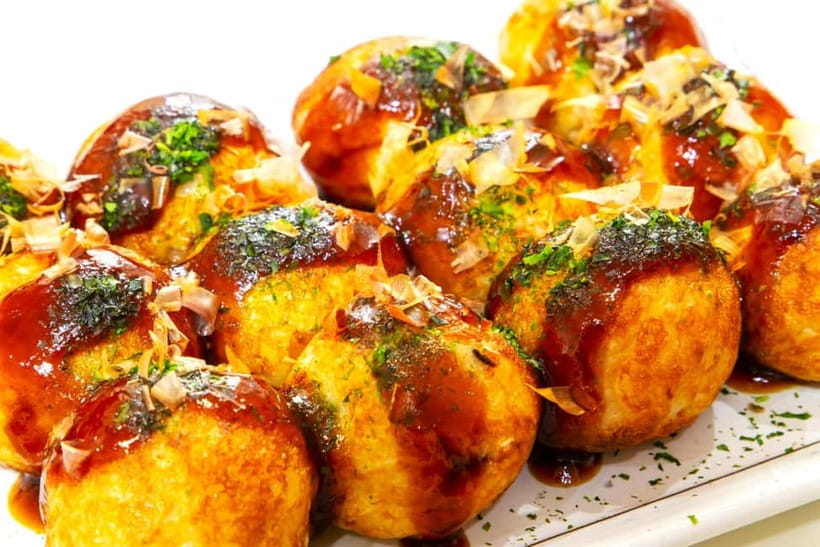
Children aged four and older can take part, and families with children have received careful support around the cooking surface. That said, takoyaki is cooked on a hot griddle, and the food itself is served piping hot. You will need to keep younger children close and follow the instructor’s directions.
The activity works especially well for children who enjoy making their own food. They can help pour batter, add the octopus, and watch the balls change shape. The turning tools may require adult help, depending on the child’s age and coordination.
The minimum age is four, so this is not an option for families with toddlers or babies as participants. Children under four are not suitable for the activity. Gluten intolerance is another clear restriction, since the batter is flour-based.
For older children, the class offers a useful balance of food and activity. It is more engaging than simply ordering a snack, but short enough that it does not demand a full day of family attention.
What you eat, and what you do not get
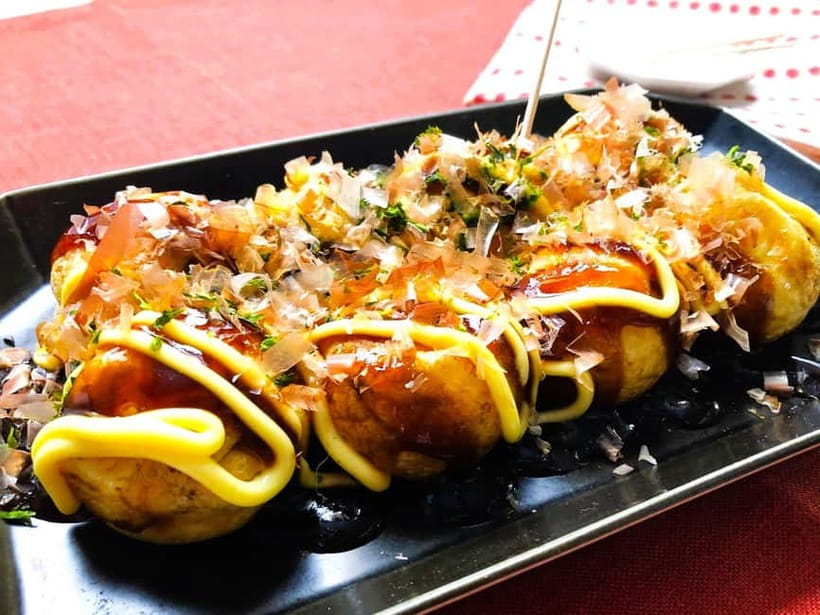
The $25 price includes the takoyaki cooking experience and the meal you prepare. That is a fair deal if you want an activity as well as food. You are paying for instruction, use of the cooking setup, and a casual Japanese meal in a central Tokyo neighborhood.
Bottled drinks are not included. Additional food and drinks cost extra, and transportation to the meeting point is also your responsibility. If you want beer, budget separately. Takoyaki is commonly paired with beer, but the supplied price covers the food experience only.
The meal is focused. You should not expect a broad tasting menu or a large selection of side dishes. The value comes from making and eating takoyaki yourself, not from the quantity of food.
At one hour, the price also makes sense for a short stop between Shinjuku plans. You can fit it into an afternoon or evening without giving up half a day. If your priority is a large meal, drinks, or a longer cooking course, you may want to compare other options.
Language support and the human side of the class
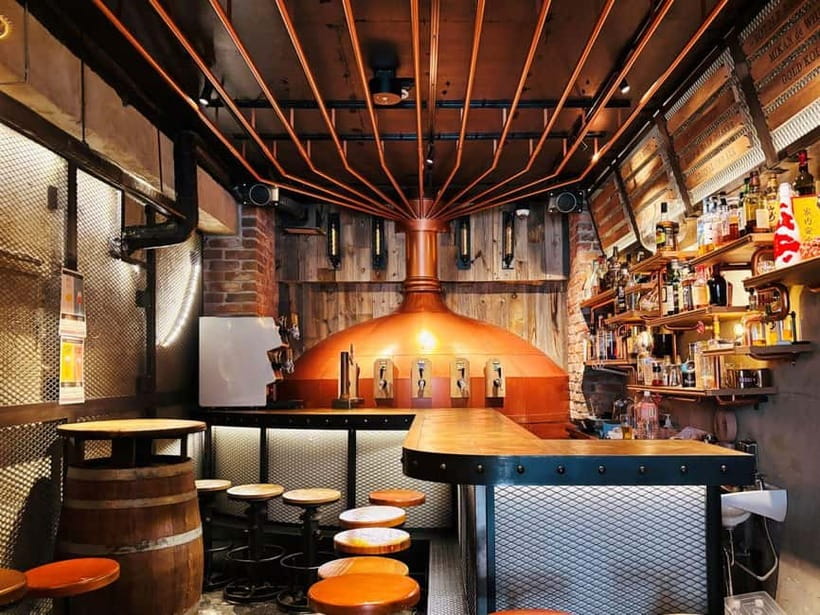
The listed languages are English and Japanese. Some instructors speak good English, and several sessions have included easy conversation during the cooking. One participant used the opportunity to practice a little Japanese while learning about the food and local culture.
Communication will not always be identical from one session to the next. If the staff member helping you is not fluent in English, a translation machine may be used. That is worth knowing if you want detailed culinary explanations in English.
In practice, the cooking itself is visual and hands-on. The instructor can demonstrate how to pour, fill, and turn the takoyaki even when every word is not understood. You should be comfortable with a relaxed lesson where gestures and translation may form part of the instruction.
The strongest part of the class is the personal attention. With a maximum of six participants, the instructor has a reasonable chance to watch your griddle and help before a piece becomes overcooked. That small size matters more here than it would in a simple food tasting.
Who will get the most from this experience
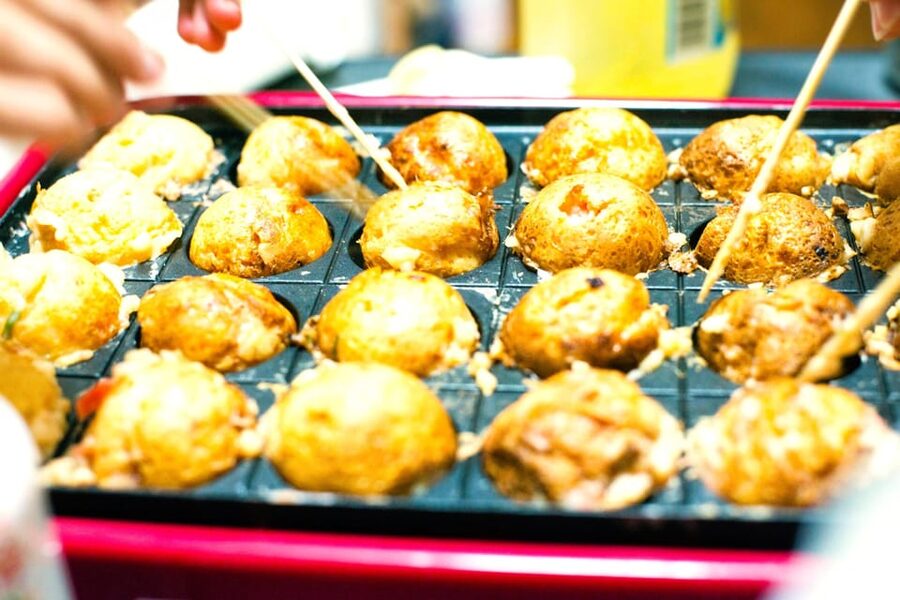
I would choose this for first-time visitors who want a simple introduction to Japanese soul food without committing to a long culinary program. It also suits couples, solo food fans, and families with children aged four and older.
You will get the most from it if you enjoy making things with your hands and do not mind a little trial and error. The class is not about producing perfect restaurant-quality shapes on your first attempt. It is about learning the basic method, sharing a meal, and enjoying the process.
It is less suitable if you have gluten intolerance, need a completely quiet or formal setting, or want a substantial multi-course meal. The class also may not satisfy a serious cook looking for advanced techniques. Its strength is accessibility.
The social side can be a bonus for solo participants. The small group and instructor-led format give you a natural way to talk with others. The sessions have also included relaxed conversation with the staff, sometimes with cultural discussion and Japanese language practice.
Planning your visit around Shinjuku
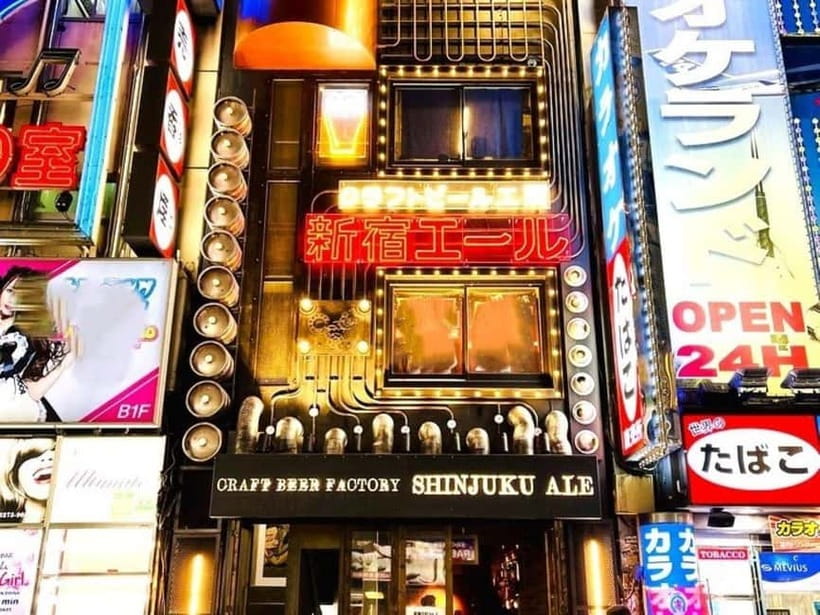
The location makes this easy to combine with other central Tokyo plans. You can walk from Shinjuku Station, complete the one-hour lesson, then continue through Kabukicho. TOHO Cinemas and the Godzilla photo spot are nearby, making the activity a practical part of an evening in the area.
Arrive ready to cook. Wear something comfortable and keep an eye on loose sleeves around the griddle. The supplied information does not list a dress code, but hot cooking is easier when you can move your arms freely.
You should also avoid treating the meeting point as a place to collect a full dinner for a large party. The included meal is the takoyaki you prepare. If you want more food or drinks, plan to order and pay for those separately.
The booking terms are flexible: you can cancel up to 24 hours before the activity for a full refund, and you can reserve now and pay later. Starting times vary, so check availability for your date. These terms are useful when your Shinjuku schedule is still changing.
Should you book the Kabukicho takoyaki class?
Book it if you want a short, friendly, hands-on food activity in central Tokyo. The $25 price is reasonable because it includes both instruction and the meal, while the group limit of six gives the turning lesson a personal feel. The convenient location and one-hour format are especially helpful on a packed Shinjuku day.
I would be more cautious if you cannot eat gluten, if you are bringing a child under four, or if you want a long cooking course with many dishes. Also remember that drinks, extra food, and transportation are separate costs.
For most visitors who want to understand a familiar Japanese street food by making it themselves, this is an easy choice. You get a warm meal, a practical cooking skill, and a fun reason to spend an hour in Kabukicho rather than simply passing through it.
FAQ
How long does the takoyaki cooking experience last?
The activity lasts about one hour and ends after you finish eating the takoyaki you prepare.
How much does the experience cost?
The price is $25 per person.
What is included in the price?
The price includes the takoyaki cooking experience and the meal.
Are drinks included?
No. Bottled drinks, additional meals, and additional drinks are not included.
Where is the meeting point?
The address is 1-14-5 Kabukicho, Shinjuku-ku, Tokyo. It is about a five-minute walk from Shinjuku Station on the JR Yamanote Line. Follow Kabukicho Central Road toward TOHO Cinemas and look for Shinjuku Ale next to Karaoke 747 on the right. The Google Plus code is MPV2+VR Shinjuku City, Tokyo.
Can children join the class?
Children aged four and older can join. Children under four are not suitable for the activity, and adults should take care around the hot griddle.
Is the class available in English?
English and Japanese are available. If the staff member assisting you is not fluent in English, a translation machine may be used.
Just added around Tokyo
- Tokyo: Taishu Engeki Show with Kimono and Sword Lesson★ 5.0 · 12 reviews
- Tokyo: Traditional Geisha Experience Show & Japanese Dinner★ 4.2 · 59 reviews
- Tokyo: Taiko Drum Experience in Kabukicho with Dinner★ 5.0 · 3 reviews
- Tokyo: Rainbow Bridge Day Cruise Show Unlimited Soft Drinks★ 4.5 · 86 reviews
- Tokyo: KABUKI, BUNRAKU, etc. presented by National Theatre★ 4.6 · 135 reviews
- Tokyo: Know about Kabuki performing – Ginza Walking★ 4.2 · 3 reviews
- Tokyo: Learn about Japanese Traditional art KABUKI in Ginza★ 3.2 · 5 reviews
- Tokyo: Family Sumo Workshop & Live Wrestling Show with Lunch★ 4.9 · 99 reviews
Tokyo Shows, compared.

Japanese Dance Cabaret Theater Asakusa-Kaguwa Ticket
Read our review →
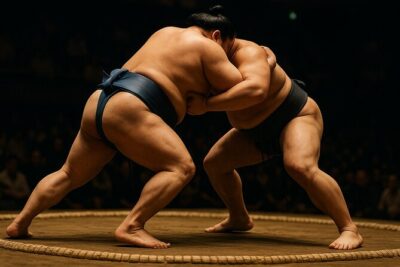
Tokyo Shinjuku Sumo Show & Experience with Photo
Read our review →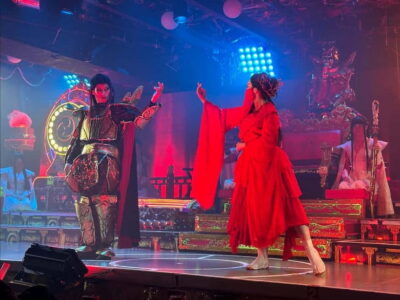
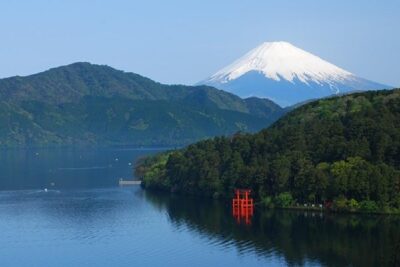
Mt Fuji & Hakone Cruise, Drum Show Bus 1 Day from Tokyo
Read our review →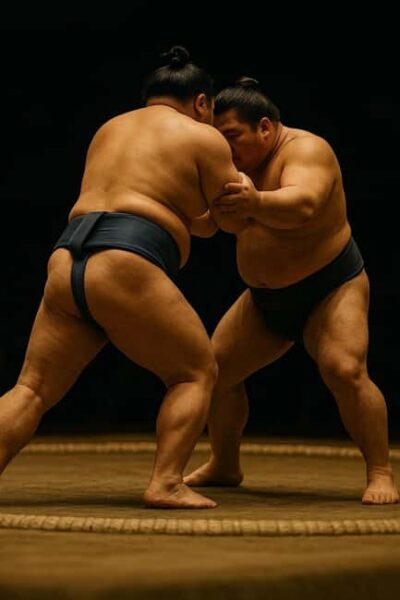
Yakatabune Dinner Cruise with Japanese Show & Drinks
Read our review →Browse the lists this show appears in