
Review · TOKYO
Tsukiji Fish Market: Street Food & Culture Walking Tour
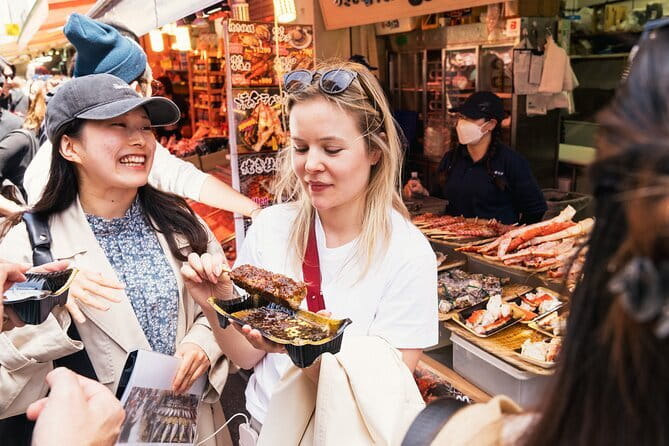
Tsukiji is best understood with your appetite switched on. This two-hour walk takes you from Tsukiji Hongwanji Temple into the market’s food stalls, where you can try Japanese street food, learn about ingredients, and watch a chef fillet a whole fish by hand.
I like the small-group format when the guide keeps the pace tight, and I like the fish-cutting demonstration because it shows a real Japanese kitchen skill rather than offering only market sightseeing. The $33.16 price is fair if you want help choosing food and an introduction to local customs.
The main caution is crowd control. The group can include up to 30 people, and some departures have felt slow or hard to follow in packed lanes. A quiet guide, missed stops, or long waits can reduce the value, especially if you are already comfortable exploring markets alone.
Key points at a glance
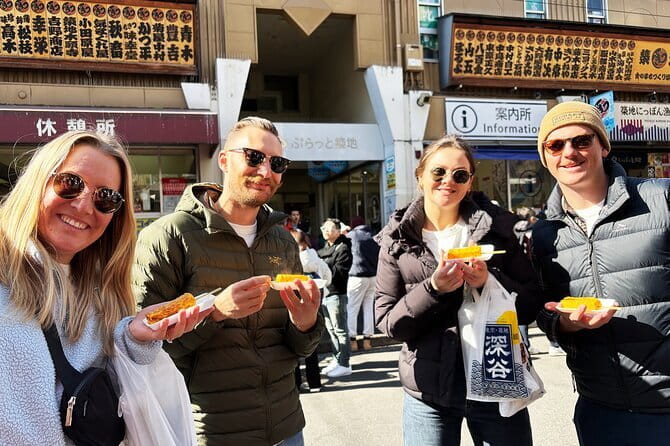
- Watch a whole fish become a seafood bowl: A chef demonstrates traditional filleting techniques before you enjoy fresh seafood.
- Taste your way through Tsukiji Jogai Market: Your guide helps you find food stalls and explains Japanese ingredients and cooking.
- Begin beside Tsukiji Hongwanji Temple: The opening visit adds a short look at Buddhist culture and Tokyo history.
- Expect a flexible market walk, not a formal museum tour: The focus is food, local guidance, and atmosphere rather than long historical lectures.
- Allow for crowds and uneven guiding: The tour is accessible for wheelchairs and strollers, but packed market lanes can still affect the pace.
- Pay $33.16 for orientation and food insight: Meals are not included, so budget extra for anything you choose to eat.
Starting at Tsukiji Hongwanji Temple
The meeting point is in front of Tsukiji Hongwanji Temple at 3-chōme-15-1 Tsukiji. The tour begins with about 15 minutes at the temple, giving you a calmer start before entering the market streets.
Your guide introduces the temple’s appeal and explains its place in Japanese Buddhist culture. This is a short visit, not a full temple lecture, so you should think of it as context for the neighborhood rather than the main event.
I find this opening useful because Tsukiji is easy to treat as one long line of food stalls. The temple reminds you that the district has a religious and civic side as well as a commercial one. If you are mainly coming for food, though, this portion may feel like a brief detour.
The tour ends back at the same meeting point. That makes the route simple to manage, especially if you have plans nearby afterward.
A few more shows around Tokyo worth a look
- Casual Japanese sake tasting and snack experience, Kabukicho
★ 4.7 · 31 reviews - Madrid: Live Flamenco Show with Food and Drinks Options
★ 4.5 · 9,901 reviews - Porto: Cálem Cellar Tour, Fado Show & Wine Tasting
★ 4.4 · 3,530 reviews
Eating through Tsukiji Jogai Market
The heart of the experience is Tsukiji Jogai Market, the outer market area. For roughly 45 minutes, you walk with a local guide and explore Japanese food culture through the stalls and shops.
This is where the tour earns its fee for many people. Tsukiji can be confusing on a first visit, with plenty of choices and no clear way to know which food deserves your time. A guide can point you toward places to try and explain what you are looking at, rather than leaving you to guess from signs and displays.
The focus is on street food, Japanese ingredients, and cooking customs. You should expect a tasting-oriented walk, not a long sit-down meal. Since meals are not included, bring extra money if you want to sample food along the way.
That cost arrangement is worth noting. The basic price is $33.16 per person, but your final spending depends on how much you eat. I see this as a reasonable setup for people who want choice. You are not paying for a fixed meal you may not want, but you do need to keep your wallet ready.
The strongest guides appear to make this section personal. George is praised for leading people to good places to try, while Tomo is praised for explaining food, culture, and local background clearly. A good guide can turn a quick snack into a lesson about how an ingredient is used or why a dish matters.
Still, the market is not a quiet classroom. Stops can take time, people may gather around popular stalls, and the group may need to wait. One departure was described as mostly moving between food stands with not much historical explanation. If you want a detailed account of Tokyo’s past, this tour may feel light. If you want help eating your way through Tsukiji, it is better suited.
The fish-cutting demonstration and seafood bowl
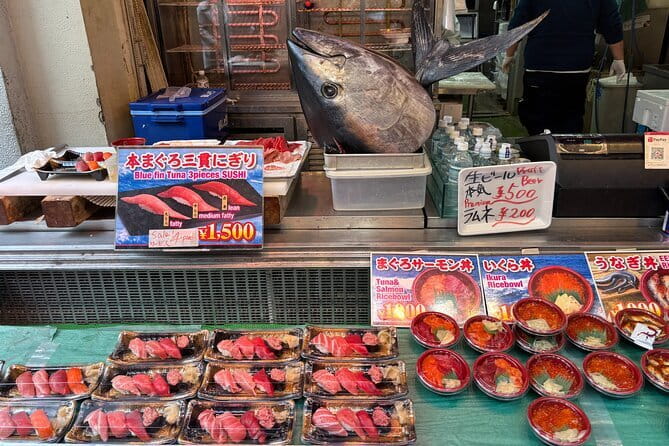
The most distinctive scheduled activity is a 30-minute fish-cutting show. A skilled chef fillets a whole fish using traditional methods, then you enjoy a fresh seafood bowl afterward.
This part gives the tour more substance than a simple market stroll. You are not only looking at finished food. You are seeing the care and technique behind it. The demonstration also gives you a practical glimpse into Japanese food culture, where knife work and preparation are treated as serious skills.
The seafood bowl provides a clear payoff, but remember that the tour description lists meals as not included. The demonstration is included, while food purchases are separate. Confirm the exact arrangement with your guide if you have dietary concerns or want to know what the bowl includes.
For me, this is the strongest reason to book instead of simply wandering the market. You can walk through Tsukiji on your own, but arranging a fish-cutting presentation and getting an explanation of the technique is harder. The added value comes from access and interpretation, not from skipping a long ticket line.
The activity is also a good fit for curious eaters who want more than a quick bite. You see how a whole fish is handled, then connect that skill to the food placed in front of you. It is a compact lesson, but a memorable one.
Seeing the working side of Tsukiji Fish Market
After the food-focused stops, the route spends about 30 minutes in the fish market area where professional traders work. This provides a different view from the retail stalls.
The Jogai Market section is designed for browsing and eating. The fish market portion gives you a sense of the commercial side of Tsukiji, where seafood is handled as part of a working trade. That distinction matters. You are not simply visiting a row of souvenir shops and snack counters.
Your guide can explain what you are seeing and help connect the market activity to Japanese cooking and ingredients. The tour includes insights into Japanese food preparation, which makes this stop more useful than a quick walk past seafood displays.
Crowds are the main challenge. A group of up to 30 people can be awkward in narrow or busy areas, and one departure became difficult when the market was especially crowded near New Year. A guide may not always be able to keep every person close in a busy lane.
You should stay alert, listen for instructions, and avoid drifting behind while stopping for photographs. The tour works best when you treat it as a moving walk, not a series of long independent browsing stops.
Same place, a different night out:
- Mt Fuji & Hakone Cruise, Drum Show Bullet Train 1 Day from Tokyo
★ 4.0 · 7,413 reviews - Tokyo: Sumo Show and Dining Experience
★ 4.8 · 2,742 reviews - Tokyo: Japanese Dance Cabaret Theater Asakusa-Kaguwa Ticket
★ 4.8 · 2,270 reviews - the SUMO show
★ 5.0 · 1,960 reviews
What the guide adds, and where the format can fail
The guide is the deciding factor here. George and Tomo receive specific praise for food recommendations and clear explanations. That tells you what the best version of this experience feels like: a friendly local escort who helps you choose, explains what you are eating, and adds small pieces of culture as you move.
The group format can also let a guide spend more time answering questions than a large bus tour would. The activity is described as small group, but the maximum is 30 people, so do not assume an intimate group of six or eight. The actual feel depends on how many people book your departure.
Communication matters in this setting. Tsukiji is full of background noise, moving crowds, and people stopping to eat. One poor experience involved a guide who spoke too softly to hear. That is a practical warning: even a good explanation has little value if you cannot catch it.
Some people also found the tour unorganized, with missed stalls and waiting. The market changes from day to day, and a crowded departure may not follow the clean rhythm suggested by the schedule. This is not necessarily a flaw in the concept, but it is a real possibility in a working market.
I would ask questions early. If you cannot hear, move closer. If the group is splitting up, make sure you know where to regroup. The tour ends at the starting point, so you are not left to find your way back, but you still need to keep pace during the walk.
Accessibility and physical comfort
The tour is wheelchair and stroller accessible, and most people can participate. It is also near public transportation, making the meeting point practical for a Tokyo morning.
Accessible does not mean effortless. Market lanes can become crowded, and the pace may be affected by people stopping at stalls. If you use a wheelchair or stroller, the formal accessibility information is encouraging, but it is sensible to contact the provider before booking if you need specific assistance.
The experience requires walking and standing during the market sections. The information does not give a total distance or seating plan, so you should not assume frequent rest stops. One person also reported difficulty with too much time in the sun. If sun exposure is a concern, tell the guide at the start and repeat the request if needed.
Weather matters as well. Poor weather can cancel the activity, with a different date or full refund offered. You can cancel for a full refund up to 24 hours before the start time, but changes or cancellations within 24 hours are not accepted.
Is $33.16 a fair price?
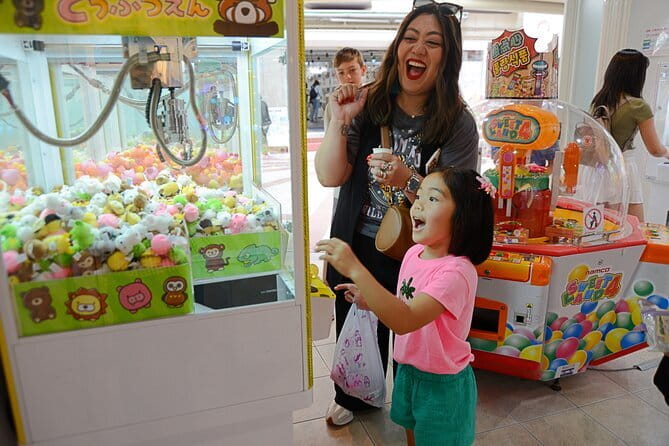
At $33.16 per person, this is not an expensive Tokyo tour. The price buys a guide through Tsukiji, explanations about ingredients and cooking, the fish-cutting demonstration, and the structure of a two-hour route.
The value is strongest for first-time visitors who want to taste several things but are unsure where to begin. It is also useful if you want cultural context without committing to a longer cooking class. The guide can save you the time and uncertainty of choosing stalls alone.
The value is weaker if you already know Tsukiji well or enjoy exploring food markets independently. You can walk through the area on your own, choose your own stalls, and avoid the risk of waiting for a group. Since meals are not included, the tour price is only part of your food budget.
I would also judge the price against your tolerance for group travel. If a maximum of 30 people gathers on a crowded morning, the experience may feel less personal than the price suggests. If your guide is attentive and clear, the same format can feel efficient and friendly.
A 99 percent recommendation rate and a 5 out of 5 overall rating point to strong general satisfaction, but the mixed experiences are useful. The problems are not about the idea of visiting Tsukiji. They concern volume, organization, sun exposure, and the amount of history provided. Know what you are paying for: a food-led market orientation, not a scholarly Tokyo tour.
Who should book this Tsukiji walk?
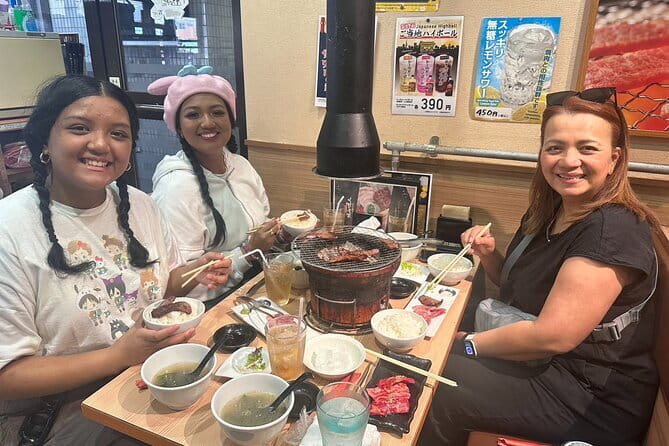
I would recommend it to you if you meet one or more of these descriptions:
- You are visiting Tsukiji for the first time.
- You want to try Japanese market food but need help choosing.
- You enjoy watching traditional preparation techniques.
- You want a short activity that combines food, a temple, and local explanation.
- You prefer having a set route and a meeting point rather than planning the morning yourself.
- You need a wheelchair or stroller-accessible activity, subject to confirming your particular needs.
I would be more cautious if you want a quiet, slow-paced outing. The market can be crowded, and the group may stop and wait. I would also choose another experience if your priority is detailed Tokyo history, since the cultural explanations are present but secondary to food.
Bring a patient attitude and enough money for snacks. Wear something comfortable for walking, keep close to the guide, and do not expect every stall on the market street to be covered. You are buying a guided introduction, not a private food crawl.
Final call: book for food guidance, skip for independent browsing
Book this tour if the fish-cutting show, seafood bowl, and help choosing street food sound worth $33.16 plus your food spending. The best version gives you a friendly guide, useful ingredient advice, and a clear look at how Tsukiji connects food preparation with daily Japanese culture.
Skip it if you are happy to wander on your own, want a very small private group, or need a detailed historical tour. The market is accessible without a guide, and a crowded or quiet-spoken guide can make the outing feel less valuable.
For most first-time visitors, the tour is a practical way to get oriented fast, taste with confidence, and see more than a line of food stalls. Just book with realistic expectations about group size and market crowds.
FAQ
How long does the Tsukiji Fish Market tour last?
The tour lasts approximately two hours.
Where does the tour start?
It starts at Tsukiji Hongwanji Temple, at 3-chōme-15-1 Tsukiji, Chuo City, Tokyo 104-0045, Japan.
Where does the tour end?
The activity ends back at the meeting point.
Are meals included in the tour price?
Meals are not included. The fish-cutting demonstration is included, but you should budget separately for street food and the seafood bowl.
Is the tour wheelchair and stroller accessible?
Yes. The activity is described as wheelchair and stroller accessible, and most people can participate.
What happens if the weather is poor?
The experience requires good weather. If it is canceled because of poor weather, you can choose another date or receive a full refund.
More Shopping Tours in Tokyo
- Antalya/Alanya/Side: Land of Legends Night Show & Shopping
★ 4.2 · 1,416 reviews - Antalya/Side/Alanya: Land of Legends Night Show w/Shopping
★ 4.4 · 527 reviews - Giza Pyramid tour with ATV,Camel,Lunch,shopping,Dinner Show
★ 5.0 · 21 reviews - The Land of Legends Night Show & Shopping Avenue
★ 3.0 · 19 reviews
More Markets in Tokyo
- Private Tour to Pearl Market Acrobatic Show & Peking Duck Dinner
★ 5.0 · 5 reviews - Half Day Tour:Market Shopping Acrobatic Show & Peking Duck dinner
★ 5.0 · 2 reviews
Just added around Tokyo
- Tokyo: Taishu Engeki Show with Kimono and Sword Lesson★ 5.0 · 12 reviews
- Tokyo: Traditional Geisha Experience Show & Japanese Dinner★ 4.2 · 59 reviews
- Tokyo: Rainbow Bridge Day Cruise Show Unlimited Soft Drinks★ 4.5 · 86 reviews
- Tokyo: Taiko Drum Experience in Kabukicho with Dinner★ 5.0 · 3 reviews
- Tokyo: KABUKI, BUNRAKU, etc. presented by National Theatre★ 4.6 · 135 reviews
- Tokyo: Know about Kabuki performing – Ginza Walking★ 4.2 · 3 reviews
- Tokyo: Learn about Japanese Traditional art KABUKI in Ginza★ 3.2 · 5 reviews
- Tokyo GINZA: KONPARU Japanese Cabaret Show with Drink★ 4.8 · 38 reviews
Tokyo Shows, compared.

Japanese Dance Cabaret Theater Asakusa-Kaguwa Ticket
Read our review →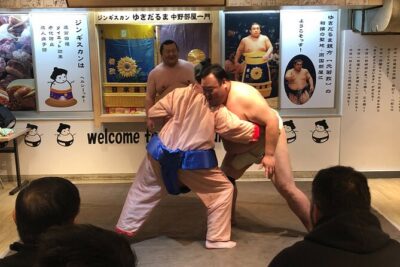
Tokyo Shinjuku Sumo Show & Experience with Photo
Read our review →
Mt Fuji & Hakone Cruise, Drum Show Bus 1 Day from Tokyo
Read our review →
Yakatabune Dinner Cruise with Japanese Show & Drinks
Read our review →Browse the lists this show appears in