
Review · OSAKA
Osaka: Sumo Show & Experience w/ Optional Kimono & Hot Pot
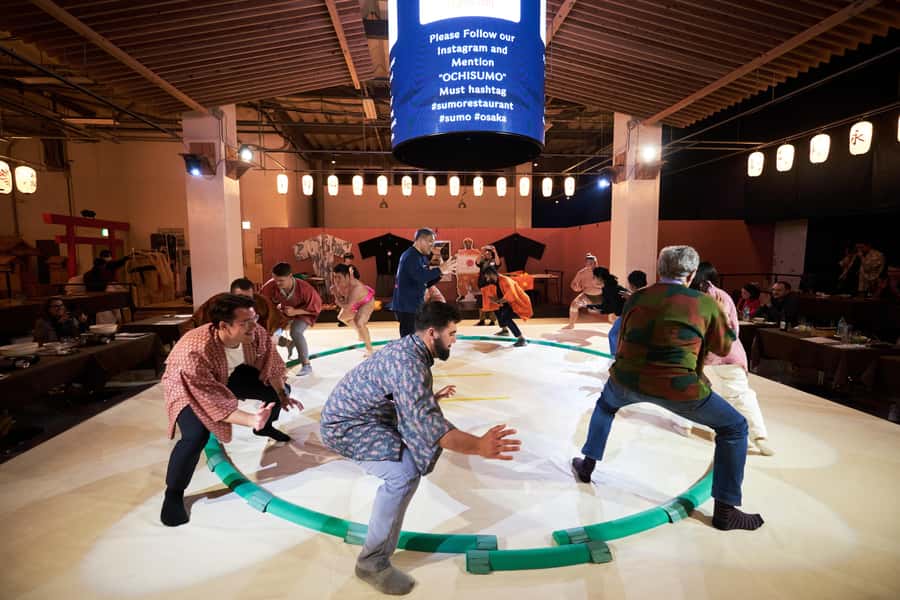
The fun begins when a real sumo wrestler invites someone from the audience into the ring. This is not a full professional tournament, but it is a lively, hands-on show with short bouts, simple explanations, jokes, and a chance to test your strength against a rikishi.
I like the close-up action and the way the hosts explain rules and training before the comedy starts. I also like the kimono haori area, which gives you something Japanese to do even when you are not wrestling. The main drawback is the location: Rinku Town is roughly an hour from central Osaka, and the base ticket does not include food.
I like this experience most for families, first-time visitors, and anyone who wants to understand sumo without sitting through a long formal match. You get photos with the wrestlers, audience participation, and the option of Chanko nabe, but you should know that the audience wrestling places may be decided by lottery.
- 35-minute sumo show: Learn basic rules, see demonstrations, and watch short bouts between wrestlers.
- Audience sumo experience: Spend 10 to 15 minutes trying the ring yourself, if selected.
- Kimono haori fitting: Try a Japanese formal coat, with a premium kimono option available.
- Rikishi photo session: Take pictures with the wrestlers after the show.
- Optional Chanko nabe: Add the warm hot pot meal made in the Takasagobeya style.
- Rinku Town setting: Combine the event with shopping at the nearby large outlet complex.
What This Osaka Sumo Show Really Is
This is a friendly stage show built around sumo, not a day at a professional tournament. You get a compact lesson in the sport, demonstrations of techniques, several bouts, and a good deal of crowd participation.
The show lasts about 35 minutes. The sumo experience afterward takes another 10 to 15 minutes, followed by photos with the wrestlers. Allow about 1 to 1.5 hours in total, depending on the program and the number of people taking part.
That short format works well. You learn enough to understand what is happening, but you are not asked to sit through a long lecture. The hosts explain legal and illegal moves, training methods, and basic rules in an easy way. Humor keeps the pace moving, especially when an audience member is asked to face a much larger opponent.
The bouts are presented as part of a show, so you should not expect the same setting or stakes as a formal sumo tournament. Some of the action can feel theatrical or arranged. That is not a flaw if you come for an entertaining introduction. It matters, though, if you want a serious sporting contest with long, official matches.
Watching the Bouts From Close Range
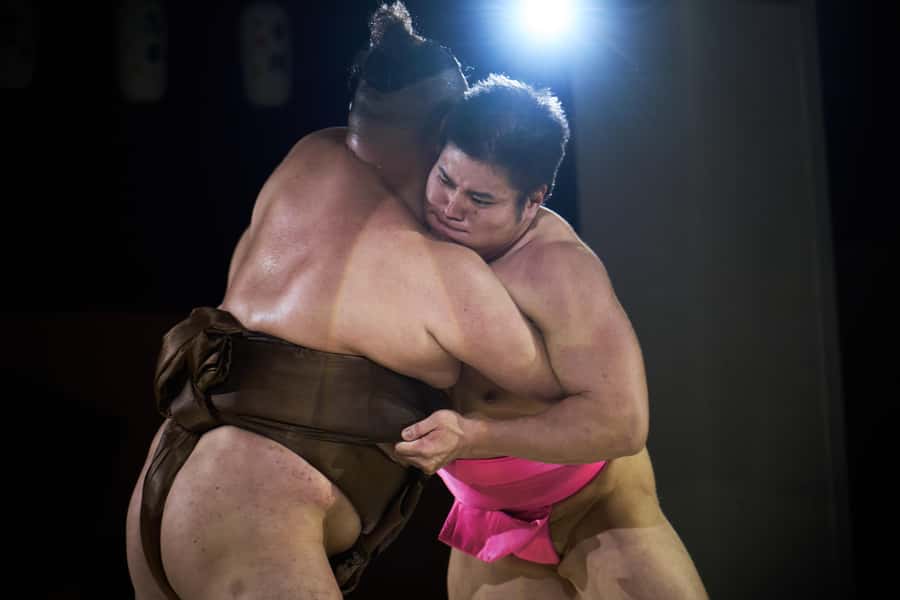
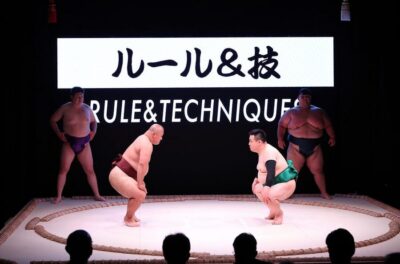
The room brings you close to the action. The wrestlers demonstrate the physical force and balance needed for sumo, then take part in short challenges and a small tournament-style sequence.
You will hear explanations of the rules before the action starts. This helps if you know little about sumo. You can follow why a wrestler wins, which movements are allowed, and how the opening charge works instead of simply watching two large men push each other.
The bouts are brief, which keeps the show lively. A few people have wished for longer rounds or more fights, so set your expectations correctly. The main value is variety: instruction, demonstrations, competition, jokes, and the audience segment all arrive in one compact program.
The announcer and staff play a major role. The tone is warm and playful rather than formal. Names associated with the hosting and service include Taka, Taco, and Kiko, and the staff are known for making people feel at ease. You do not need to understand Japanese sumo culture in advance to enjoy the presentation.
A few more shows around Japan worth a look
- Mt Fuji & Hakone Cruise, Drum Show Bullet Train 1 Day from Tokyo
★ 4.0 · 7,413 reviews - Tokyo: Sumo Show Experience with Chicken Hot Pot and a Photo
★ 4.8 · 6,678 reviews - Tokyo: Sumo Show and Dining Experience
★ 4.8 · 2,742 reviews
Taking Your Turn Against a Rikishi
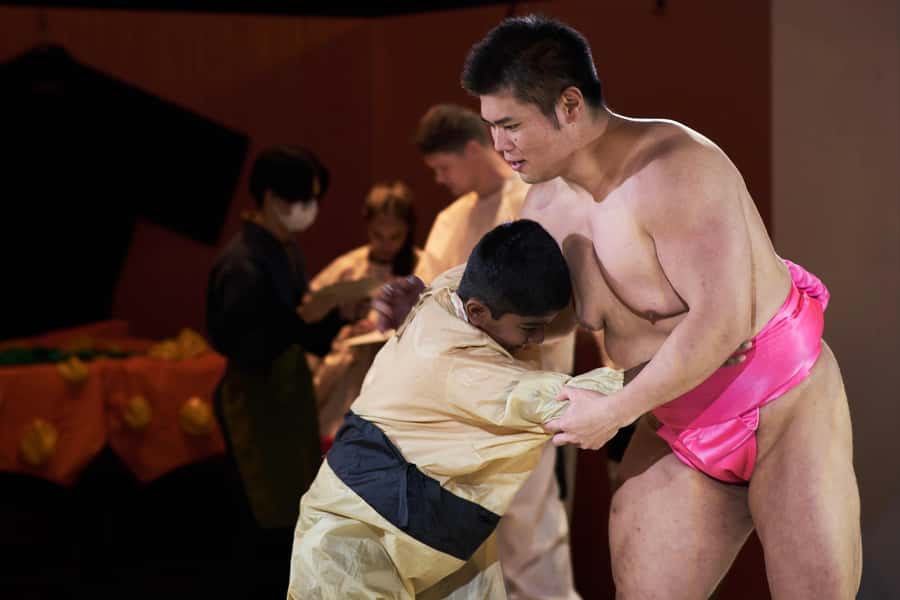
The audience portion is the part most likely to produce big laughs. Selected participants step into the ring and try to move a trained sumo wrestler. Adults can take part, and children may also be invited.
The wrestlers play along while still showing how difficult the sport is. Even a strong adult is unlikely to shift a rikishi far, but the attempt gives you a memorable sense of sumo’s power and balance. The experience is physical, so you should take the safety warning seriously. The operator takes care during the activity but does not accept responsibility for injuries.
Places in the sumo experience are not guaranteed. If too many people want to participate, the staff may hold a lottery. This is important if you are booking mainly to wrestle. You should enjoy the show even if you are not selected, then treat the ring challenge as a welcome extra.
If you are traveling with children, this section may be the highlight. The combination of a large wrestler, a willing volunteer, and an energetic crowd creates easy family entertainment. If you prefer to avoid physical activity, you can watch and still take part through cheering and photos.
Learning the Sport Without a Long Lecture
Sumo can seem confusing at first. The opening rituals, the ring, the hand movements, and the sudden charges have meaning, but a visitor may not know what to watch.
This experience solves that problem with plain explanations and demonstrations. You see examples of training and techniques, then watch how the rules affect a bout. The show also uses humor to explain moves that are legal or illegal, which makes the information easier to remember.
I appreciate this balance. The event is not only a photo opportunity with big athletes. You leave with a basic sense of how the sport works and why a match can end in seconds.
At the same time, the lesson is brief. If you want a detailed account of sumo history, rankings, stable life, or professional tournament rules, this will not cover everything. It is best treated as a first look, not a full cultural seminar.
Trying a Kimono Haori Between the Bouts
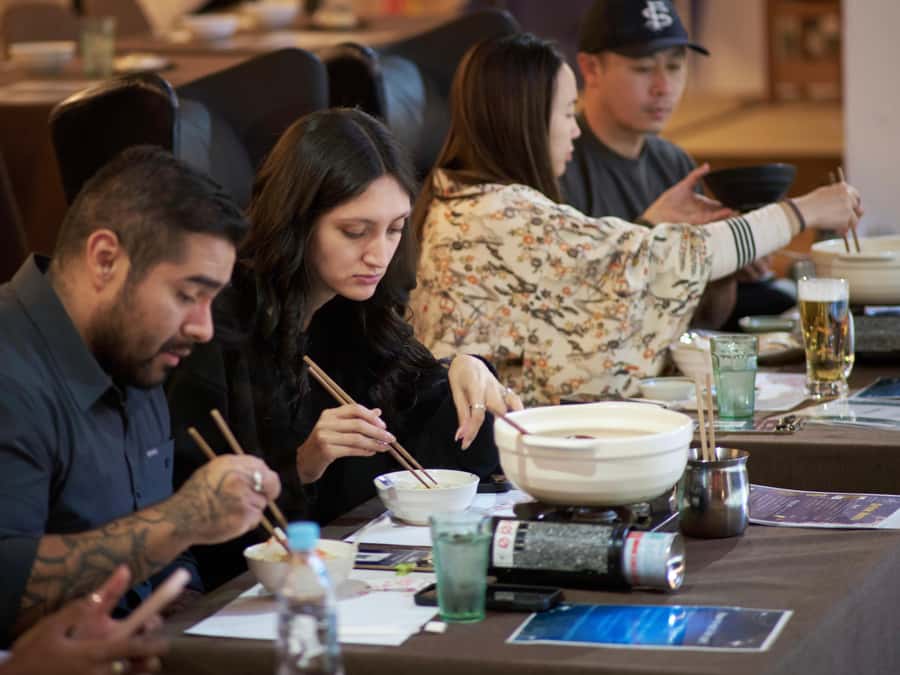
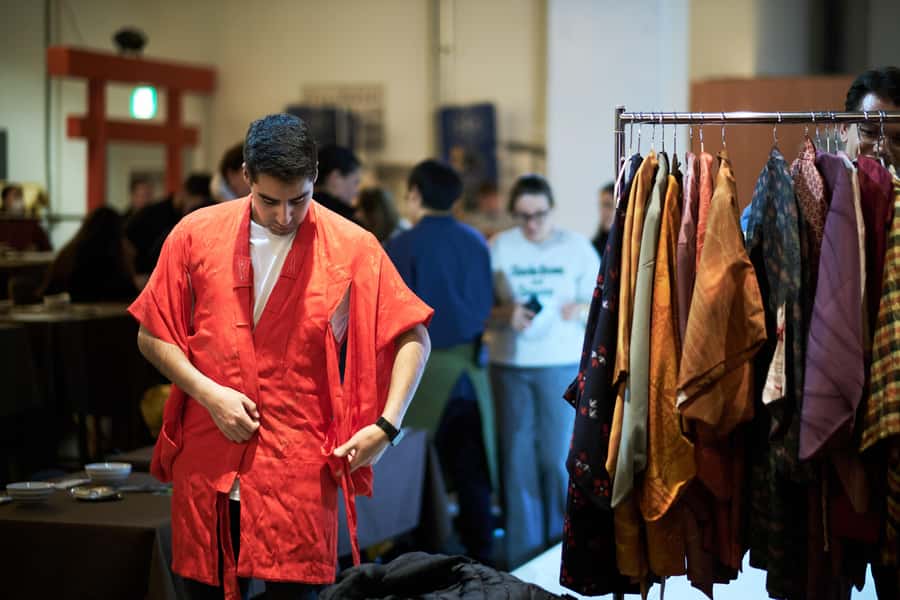
The kimono area adds a useful Japanese touch to the visit. You can try on a haori, the formal coat worn over a kimono, and take photos in it.
This is a simple activity, but it helps break up the show. Someone in your group can enjoy the clothing area even if they do not want to wrestle. Kimonos are also available to purchase on site, and a premium kimono experience can be selected if you want professional assistance with wearing one.
Pay attention to the wording when booking. The standard activity includes the kimono haori experience, while the fuller kimono session requires the relevant option. Buying a garment on site is also separate from trying one on.
I would use this as a chance for family photos or a quieter cultural activity before or after the bout. It is not a replacement for a full kimono dressing program, unless you select the premium option.
Same place, a different night out:
- Tokyo: Japanese Dance Cabaret Theater Asakusa-Kaguwa Ticket
★ 4.8 · 2,270 reviews - the SUMO show
★ 5.0 · 1,960 reviews - Tokyo Shinjuku Sumo Show & Experience with Photo
★ 5.0 · 1,750 reviews - Tokyo: Samurai Restaurant Show Ticket with 2 Drinks
★ 4.5 · 1,307 reviews
Choosing Chanko Nabe or Eating From the Food Area
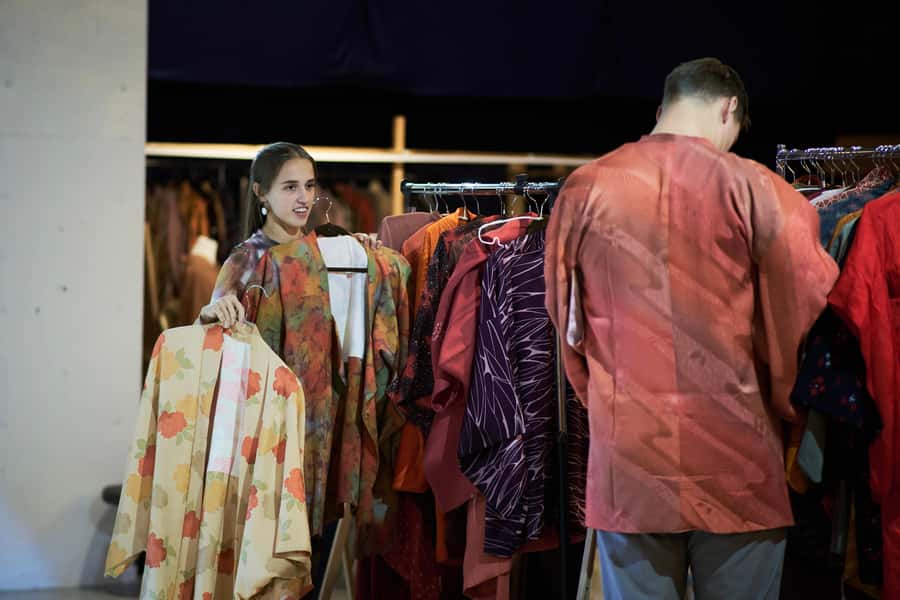
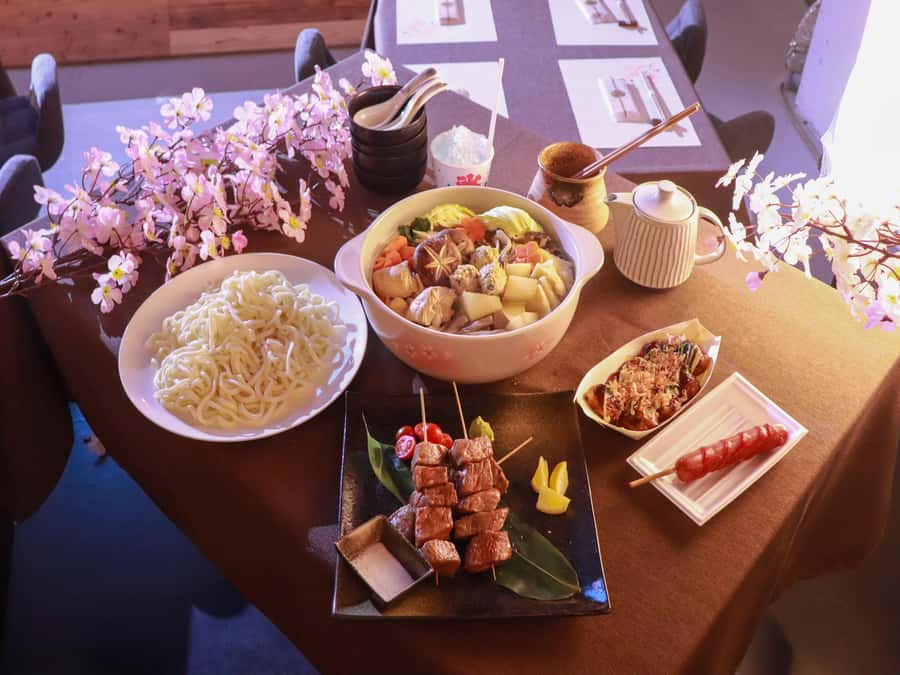
Chanko nabe is the traditional hot pot associated with sumo wrestlers. Here it is prepared in the Takasagobeya style, with a simple, warm character that feels closer to home cooking than to a fancy restaurant meal.
The food plan is optional. The standard show ticket does not include Chanko nabe, and the venue will not serve it unless you book a food plan or select it as an additional option. This is the single most important meal detail to understand before reserving.
The hot pot can make the event feel like a complete lunch or dinner outing. It also gives you time to sit, eat, and talk instead of treating the experience as a quick show. Some diners have found the hot pot only average, while others have enjoyed the meal and found it filling. Food quality is personal, so I would choose the meal for convenience and atmosphere rather than expecting a major culinary event.
A group show with food is the recommended choice if everyone wants to eat together. Other food options may be available on the day, and drinks, including alcohol, can be purchased.
The restaurant interior also has a food truck area serving Japanese favorites such as takoyaki, okonomiyaki, and Wagyu beef. Drinks are sold at a bar counter. These purchases are not included in the show ticket, so keep a little extra money available if you plan to eat or drink on site.
Vegetarian and gluten-free requests can be indicated through the additional options. The stated special-diet option does not itself include a meal. The staff will suggest a suitable menu based on your information, and meat options can be changed to chicken or beef. If food is important to your booking, read the selected option carefully.
Timing the Visit at 1 PM or 6 PM
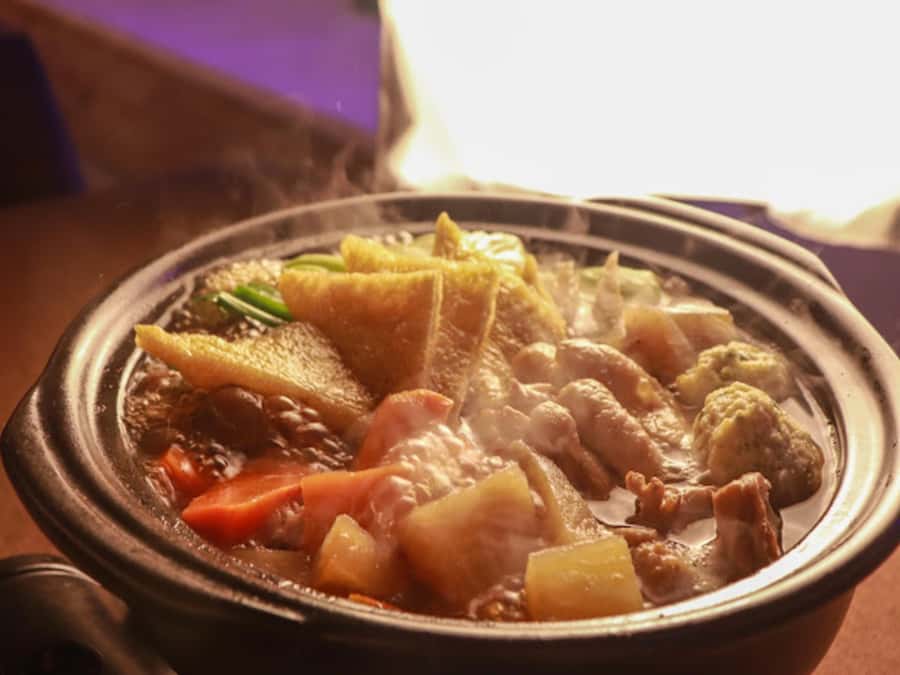
There are two main show periods. The lunch show starts at 1 PM, and the dinner show starts at 6 PM.
For the lunch performance, doors open from noon to 12:45 PM. For the dinner performance, doors open from 5 PM to 5:45 PM. Arrive during that window rather than turning up at the show start time.
Late arrival is a serious problem here. There are no refunds for same-day cancellations or late arrivals. Give yourself extra time, especially if you are traveling from central Osaka or changing trains.
The dinner performance may suit you if you want to pair the event with a meal and drinks. The lunch slot works well if you plan to shop afterward at the outlet complex near Rinku Town. Children under six enter free, which can improve the value for families.
Getting to Rinku Town From Osaka or Kansai Airport
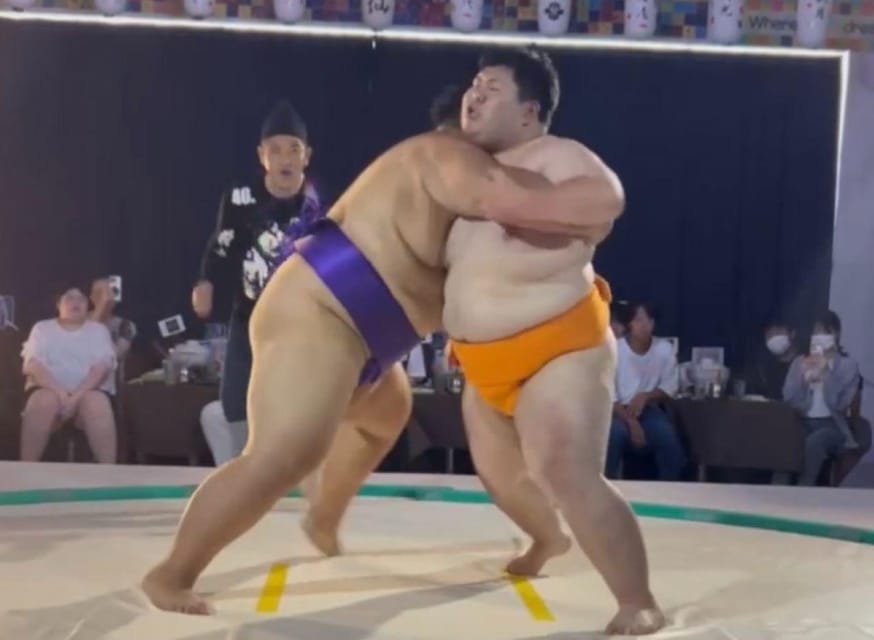
The venue is in the Kansai area near Rinku Town, not in the central Osaka sightseeing zone. From Shin-Osaka, take the Osaka Metro Midosuji Line toward Namba, then walk to the Nankai service. The listed route takes about 16 minutes to Namba, followed by an eight-minute walk and a 31-minute Rapi:t service to Rinku Town.
From JR Osaka Station, the JR Kanku Rapid takes about 1 hour and 1 minute to Rinku Town. From Kansai International Airport, the listed airport line takes about five minutes to Rinku Town.
The route from central Osaka is the main practical drawback. Some people find the trip close to an hour, so this is not the best choice if your schedule is packed with sights around Dotonbori, Osaka Castle, or Umeda.
On the other hand, the location can work very well before a flight. Rinku Town is close to Kansai International Airport, and the large outlet complex nearby gives you a way to fill the rest of the day. You can make the outing worthwhile by combining the show with shopping rather than traveling only for a 1-hour performance.
The exact meeting point can vary by the option you book. Check your confirmation before leaving, and allow time for the walk from Rinku Town Station.
Is the $77 Ticket Good Value?
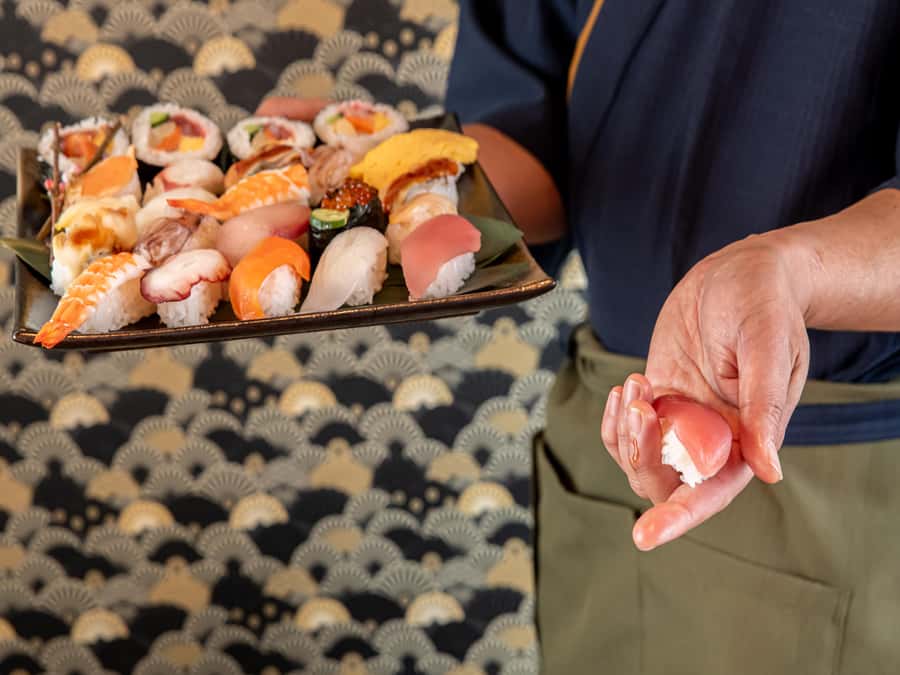
At about $77 per person, the base ticket is not the cheapest short activity in Osaka. Its value depends on what you want from the visit.
You are paying for a live sumo show, an explanation of the sport, a possible audience challenge, a photo session, and a haori experience. You are not paying for a formal tournament, a guaranteed wrestling slot, or a meal unless the chosen option says so.
I think the price is fair for a family or first-time visitor who wants an active, easy-to-understand introduction. The personal contact with the wrestlers adds something a video or museum cannot provide. The photo session also gives you a clear souvenir of the outing.
The value is weaker if you only want to watch serious sumo. In that case, a professional tournament ticket, when available, would be a different kind of experience. This show is built for participation and humor.
If you want Chanko nabe, compare the food-inclusive options before booking. Adding the meal may make more sense than buying food separately, especially for a group that wants to eat together. If you only want the show and plan to eat elsewhere, the basic option keeps the cost lower.
Who Will Enjoy This Most?
I would recommend it to families, couples, and first-time visitors who want an approachable cultural activity. Children can watch the show, try the haori, and possibly join the audience challenge. Adults often enjoy the same features because the humor keeps the event from feeling like a formal lecture.
It also suits people who want photos with actual sumo wrestlers. The photo session is part of the experience, not something you need to arrange separately.
You may want to skip it if you dislike audience participation, physical activity, or staged entertainment. You should also think twice if you have only one day in Osaka and do not want to spend time traveling out to Rinku Town.
For visitors with mobility needs, the activity is listed as wheelchair accessible. The physical wrestling portion is optional in practice, and the staff can direct you to the suitable parts of the program. Anyone considering the ring challenge should remember that it involves physical contact.
Should You Book This Sumo Experience?
Book it if you want a friendly, funny introduction to sumo with a real chance to meet the wrestlers, try a formal haori, and step into the ring. The strongest parts are the clear rule explanations, close seating, audience humor, and personal photo session.
Choose the food plan if you want a full lunch or dinner, and select the premium kimono option if professional dressing matters to you. If your main goal is a serious sporting match, this is not the right format.
For most visitors, I would schedule the 1 PM show and combine it with Rinku Town shopping. For a more social evening, choose the 6 PM show with Chanko nabe and drinks. Just arrive during the correct door-opening period, and remember that wrestling places may be decided by lottery.
FAQ
How long does the Osaka sumo experience last?
The activity lasts about 1 to 1.5 hours. The sumo show runs for about 35 minutes, the audience sumo experience takes about 10 to 15 minutes, and photos follow afterward.
Is this a real professional sumo tournament?
No. It is a staged sumo show with explanations, demonstrations, short bouts, humor, and audience participation. It is designed as an introduction to the sport rather than a formal tournament.
Can I wrestle one of the sumo wrestlers?
You may be able to take part in the sumo experience, but places are not guaranteed. If too many people want to participate, the staff may hold a lottery.
Are children allowed to join?
Yes. Children can attend, and children under six enter free. Children may also be invited to take part in the audience sumo experience.
Is food included in the standard ticket?
No. Chanko nabe and other food are not included unless you select a food plan or an option that includes a meal. Food and drinks are available for purchase on site.
What is Chanko nabe?
Chanko nabe is a traditional hot pot associated with sumo wrestlers. The meal served here uses recipes in the Takasagobeya style.
Can I try on a kimono?
Yes. The experience includes a kimono haori, or Japanese formal coat, area. A premium kimono experience is available as an additional option, and kimonos can be purchased on site.
Where does the experience take place?
It takes place at Sumo restaurant Ochiizumibeya near Rinku Town in the Kansai region. The exact meeting point may vary according to the option booked.
What time are the shows?
The lunch show starts at 1 PM, and the dinner show starts at 6 PM. Doors open from noon to 12:45 PM for lunch and from 5 PM to 5:45 PM for dinner.
Is the activity wheelchair accessible?
Yes. The activity is listed as wheelchair accessible. The physical sumo portion involves contact and carries a risk of injury, so participation should be considered carefully.
Just added around Japan
- Authentic Kabuki Transformation & Mini Performance at Aioiza Gifu★ 4.5 · 3 reviews
- Kabuki Talk★ 5.0 · 10 reviews
- Tokyo: English Standup Comedy Night★ 5.0 · 4 reviews
- Experience the Asakusa Kabuki Opera Show!★ 5.0 · 99 reviews
- Tokyo: Taishu Engeki Show with Kimono and Sword Lesson★ 5.0 · 12 reviews
- Tokyo: Traditional Geisha Experience Show & Japanese Dinner★ 4.2 · 59 reviews
- Tokyo: Rainbow Bridge Day Cruise Show Unlimited Soft Drinks★ 4.5 · 86 reviews
- Tokyo: Taiko Drum Experience in Kabukicho with Dinner★ 5.0 · 3 reviews
Osaka Shows, compared.
Sumo Stage Show with Bento or Snack + Fight & Photo
Read our review →
English Stand Up Comedy Show at Osaka Comedy Club
Read our review →
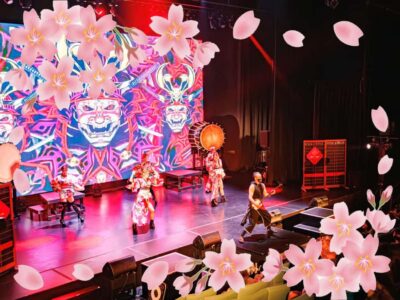
OSAKA NIGHT FUSION Japanese Taiko Kabuki Samurai Dance Show
Read our review →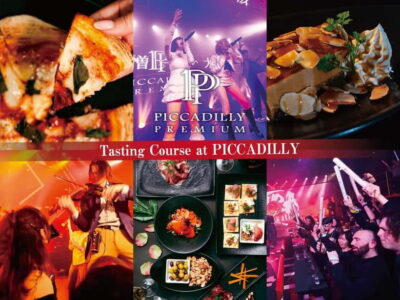
Osaka Umeda: PICCADILLY DINNER SHOW & NIGHTCLUB with Tasting
Read our review →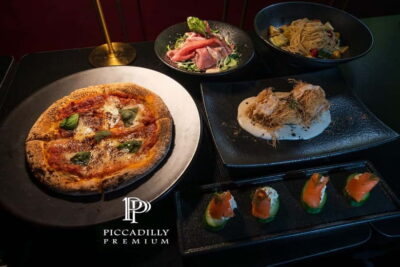
Osaka Umeda:PICCADILLY LIVE SHOW & NIGHTCLUB TICKET & Shisha
Read our review →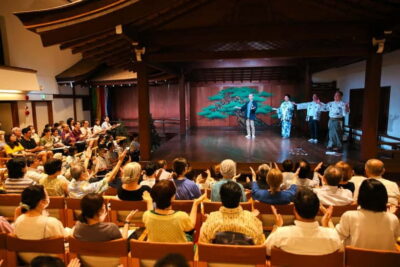
Noh Performance with English Subtitles and Workshop
Read our review →
Browse the lists this show appears in