
Review · TOKYO
Tokyo: Sumo Show and Experience in Shinjuku
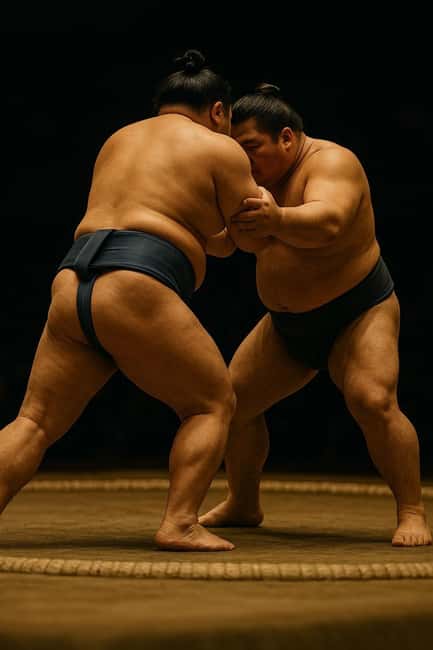
Sumo becomes much easier to understand when you see the rituals up close, hear the slap of a foot stomp, and watch two professional wrestlers test their balance and strength in the ring. This 90-minute Shinjuku show combines demonstrations, live sparring, explanations, and crowd participation in a format that works well for first-time visitors.
I like the way the English-speaking host explains what is happening instead of leaving you to guess. I also like the chance to wear a traditional sumo outfit and step into the ring yourself, even if your bout is more comedy than competition. The main thing to keep in mind is that this is not a tournament. It is a staged cultural show with exhibition matches, not an official professional contest.
Key Points to Know Before You Book
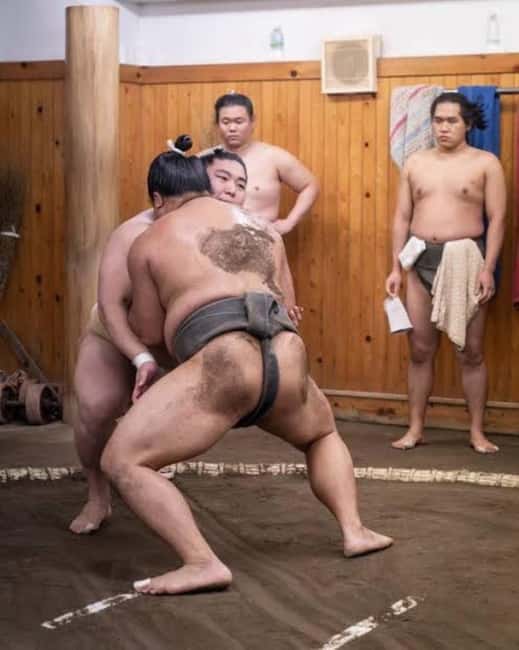
- Watch professional wrestlers spar: See shiko foot stomping, salt throwing, training movements, techniques, and exhibition bouts at close range.
- English explanations make sumo easier: Hosts including Paula, Dai, Ari, and Ali have guided sessions with history, rules, humor, and audience questions.
- You can enter the ring: Volunteers put on a sumo outfit and challenge one of the wrestlers in a playful bout.
- Expect audience participation: The wrestlers speak with the crowd, demonstrate techniques, and keep the show lively for children and adults.
- The price is $69 per person: For 90 minutes of live entertainment, instruction, and personal interaction, that is a fair price if sumo is part of your Tokyo plans.
- Arrive at the correct entrance: Go to the second floor of the Sekisaku Building in Shinjuku through the front entrance beside Daiso. Late entry may not be accepted.
What This Shinjuku Sumo Show Actually Is
This experience is best understood as an introduction to sumo rather than a substitute for attending a major tournament. You are not watching a full day of official bouts, ranking ceremonies, or the pressure of a championship match. Instead, you are given a clear and lively lesson in how the sport works, followed by demonstrations and exhibition wrestling.
That difference matters. If you want the formal atmosphere of a tournament, this show will feel more theatrical. If you want to understand why sumo is more than two large men pushing each other, it does a good job.
The program explains the customs surrounding the ring, the wrestlers’ movements, the rules, and the role of discipline and mental strength. The presentation also includes Japanese phrases and explanations of fouls and techniques. By the time the matches begin, you have a better idea of what to watch for.
I especially like this approach for a first visit to Japan. Sumo can look slow or mysterious on television when you do not know the rituals. Here, the host gives you the basic tools first. Then the foot stomps, salt throwing, entrances, and bouts have more meaning.
A few more shows around Tokyo worth a look
- Mt Fuji & Hakone Cruise, Drum Show Bullet Train 1 Day from Tokyo
★ 4.0 · 7,413 reviews - Tokyo: Sumo Show and Dining Experience
★ 4.8 · 2,742 reviews - the SUMO show
★ 5.0 · 1,960 reviews
Entering the Sekisaku Building in Shinjuku
The meeting point is on the second floor of the Sekisaku Building in Shinjuku. Use the front of the building, facing the main door next to Daiso. This detail is important because entry is not through every side of the building.
You should allow extra time to find the building and reach the room. The program follows a fixed schedule, and late arrival may not be accepted at the front desk. That is a real concern in Shinjuku, where a short walk can take longer than expected once you are navigating large streets, signs, stations, and busy crossings.
The show lasts 90 minutes, so it fits neatly into a morning or evening in Shinjuku. You might pair it with dinner, shopping, or a walk through the district, but do not expect a meal during the event. Food is not included. Bottled water is provided as the welcome drink.
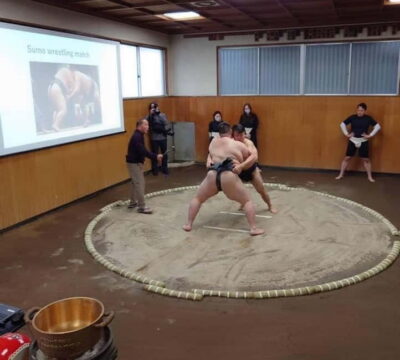
The setting is designed for a seated audience, with the ring as the focus. Some sessions have included friendly staff chatting with people before the start, Japanese music, and a welcoming introduction. The atmosphere is informal enough for families, but the subject itself remains tied to an old Japanese sporting tradition.
Learning the Rituals Before the Matches
The strongest part of the experience is the explanation before the wrestling begins. A host such as Paula, Dai, Ari, or Ali guides the audience through the basics in English. The exact host can vary, but the format is built around clear instruction and humor.
You learn why wrestlers stomp their feet, how they prepare for a bout, and what the gestures around the ring mean. Salt throwing and other rituals are not treated as random decoration. The host gives you enough background to see them as part of the sport’s formal structure.
The presentation also covers the rules and different techniques. This is useful because sumo bouts can end quickly. A match may last only moments, so understanding balance, foot placement, pushing, and throwing gives you something to watch before the action is over.
The show also presents sumo as a sport of strategy and discipline, not just size. That is one of the most worthwhile lessons here. The wrestlers’ bodies are impressive, but the demonstrations help show how timing, control, and positioning matter.
Hosts have also made room for questions. If you have watched a tournament on television and wondered about the rituals or rules, this is a good place to ask. The humor keeps the explanation from feeling like a lecture, and audience involvement begins early.
Watching Shiko, Techniques, and Exhibition Bouts
After the introduction, the wrestlers demonstrate training movements and techniques. The shiko foot stomp is particularly striking because you feel the force as well as see it. It is a simple movement to describe, but much more memorable when a professional performs it only a short distance away.
The wrestlers then show how different moves work. The host explains what is happening, which helps you connect the demonstration to the rules. This is a better learning format than watching an unexplained bout from a distant seat.
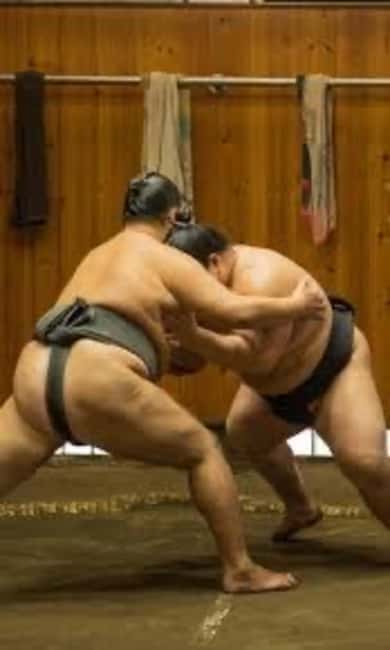
The exhibition matches bring the energy up. You see professional sumo wrestlers work against each other in a controlled setting, with enough seriousness to show the physical demand and enough humor to keep the atmosphere light.
That balance is important. The wrestlers are putting on a show, but the strength and training are genuine. Their movements are not simply comic acting. The program gives you a glimpse of the effort behind the sport without pretending that you are watching a tournament.
The show also benefits from the personalities of the wrestlers. George and Guchi have been singled out for their crowd work, while Ide has been part of sessions praised for being funny and approachable. The people on the day make a difference, so the tone may vary slightly from one session to another.
Same place, a different night out:
- Tokyo: Japanese Dance Cabaret Theater Asakusa-Kaguwa Ticket
★ 4.8 · 2,270 reviews - Tokyo Shinjuku Sumo Show & Experience with Photo
★ 5.0 · 1,750 reviews - Tokyo: Samurai Restaurant Show Ticket with 2 Drinks
★ 4.5 · 1,307 reviews - Mt Fuji & Hakone Cruise, Drum Show Bus 1 Day from Tokyo
★ 4.0 · 1,287 reviews
Taking Your Turn in the Ring
The most memorable part for many people is the chance to enter the ring. Volunteers put on a traditional sumo outfit and challenge one of the wrestlers. You do not need to be a sumo fan, and you certainly do not need to be strong enough to win.
In fact, the humor comes from the obvious mismatch. The wrestler controls the pace and makes the bout safe and entertaining. Some participants have been allowed to push, grapple, or even make a dramatic attempt to send the wrestler over the edge. The wrestlers are good sports, and the crowd becomes part of the show.
You can enjoy this section without volunteering. Watching other people try their luck is part of the fun, especially when children are involved. Several families have enjoyed the chance for a young participant to step into the ring, while adults have also taken part.
I would choose this experience for a family or a group of friends partly because the ring segment creates a shared memory. It is more personal than simply sitting in an audience. If you prefer to avoid public participation, you can still enjoy the demonstrations and bouts, but you should know that audience interaction is a major part of the format.
Traditional clothing is provided for the ring challenge. The outfit helps turn the activity into more than a quick photo opportunity. You get a small sense of the physical presence and ceremony of sumo, even though the contest itself is playful.
How the Hosts Shape the Experience
The host is not a minor detail here. A good explanation makes the difference between a fun cultural introduction and a noisy wrestling demonstration.
Paula has been praised for her energy, jokes, and ability to keep the audience involved. Dai has been noted for answering questions and explaining sumo clearly. Ari and Ali have also led sessions with an easy mix of information and humor.
The host introduces the wrestlers, explains what you are seeing, and invites the audience into the action. This helps the 90 minutes feel varied. You are not watching match after match without context, and you are not sitting through a long history lesson without physical action.
The tone is friendly and direct. Japanese phrases, stories about sumo, and explanations of training help connect the sport to Japanese culture. The best moments come when the host lets the wrestlers show a technique and then explains why it works.
The downside is that the experience depends partly on the day’s host and wrestlers. The overall structure remains the same, but personalities will differ. If you are hoping for a quiet, formal presentation, the jokes and audience interaction may feel a little much. Most people who enjoy this event will see that energy as part of the value.
Is $69 a Fair Price for 90 Minutes?
At $69 per person, this is not the cheapest cultural activity in Tokyo. You are paying for live professional wrestlers, an English-speaking presenter, demonstrations, a structured program, and the chance to enter the ring.
The price makes more sense if you value personal contact. A tournament ticket gives you the real competition and a much larger sense of sumo as a national sport. This Shinjuku show gives you explanation and interaction. You can ask questions, see techniques close up, and take part in the ring challenge.
For a family, the price also buys an activity with a clear beginning, middle, and end. Children do not need to understand every rule to enjoy the physical comedy and crowd participation. Adults get the cultural background, the history, and a better sense of the sport’s discipline.
I would consider it good value for first-time visitors who are curious about sumo but cannot arrange a tournament visit. It is less compelling for someone who has already attended a full professional tournament or wants only serious, unscripted competition.
The welcome drink is bottled water, and food is not part of the ticket. Plan to eat before or after the show rather than expecting snacks during the program.
Who Will Enjoy This Most?
I would recommend this experience to first-time visitors who want a simple introduction to sumo in English. You do not need prior knowledge, and the host explains the basic customs and rules before asking you to follow the action.
Families are a strong fit. The program mixes history, demonstrations, humor, and physical participation, so it gives children several ways to stay interested. Adults who are not sports fans can still enjoy the Japanese customs and the personal contact with the wrestlers.
It also works well for anyone who has watched sumo on television and wants to understand it better. Seeing the movements in person makes the sport easier to read. A visitor planning to attend a professional tournament may find this especially useful beforehand.
You might skip it if your main goal is an official tournament or a long, quiet look at formal sumo traditions. This show is designed to entertain. It explains the sport, but it also uses comedy, audience volunteers, and staged exhibition bouts.
Practical Booking Advice for Shinjuku
The activity costs $69 per person and lasts 90 minutes. Starting times vary, so check the available session when you book. The tour is conducted in English.
Cancellation is flexible: you can cancel up to 24 hours in advance for a full refund. A reserve now and pay later option is also available, which helps if your Tokyo schedule is still changing.
Most important, arrive at the correct entrance and arrive early. Enter from the front of the Sekisaku Building beside Daiso, then go to the second floor. The schedule is strict enough that late entry may be refused.
You should also set the right expectation before you go. This is a cultural show with professional performers and exhibition wrestling, not a tournament. That single distinction will help you judge the experience fairly.
Should You Book the Shinjuku Sumo Experience?
I would book it if you want to understand sumo, laugh with your family or friends, and get close enough to see the wrestlers’ strength and technique. The English explanations, lively hosts, and ring challenge give you more than a performance alone.
I would not book it as a replacement for an official tournament. The matches are demonstrations, and the audience interaction is central to the program. But for a 90-minute introduction in the middle of Shinjuku, $69 is reasonable, especially if you want a cultural activity that is easy to follow and genuinely participatory.
Book it when you want sumo explained plainly, performed up close, and made personal. Arrive on time, bring an appetite for audience involvement, and be ready to cheer on the brave volunteer who steps into the ring.
FAQ
Where does the sumo experience meet?
The meeting point is on the second floor of the Sekisaku Building in Shinjuku. Entry is through the front of the building facing the main door next to Daiso.
How long does the activity last?
The experience lasts 90 minutes.
Is this a real sumo tournament?
No. It is not a tournament. The program includes professional demonstrations, live sparring, exhibition matches, explanations, and audience participation.
Is the experience conducted in English?
Yes. An English-speaking live guide hosts the activity. Hosts named in the available information include Paula, Dai, Ari, and Ali.
Can I wear a sumo outfit?
Yes. You have the opportunity to wear a traditional sumo outfit and enter the ring for a playful challenge against a sumo wrestler.
Is food included?
No. Food is not included. Bottled water is provided as the welcome drink.
Can I cancel my booking?
Yes. You can cancel up to 24 hours in advance for a full refund. A reserve now and pay later option is also available.
Just added around Tokyo
- Tokyo: Taishu Engeki Show with Kimono and Sword Lesson★ 5.0 · 12 reviews
- Tokyo: Traditional Geisha Experience Show & Japanese Dinner★ 4.2 · 59 reviews
- Tokyo: Rainbow Bridge Day Cruise Show Unlimited Soft Drinks★ 4.5 · 86 reviews
- Tokyo: Taiko Drum Experience in Kabukicho with Dinner★ 5.0 · 3 reviews
- Tokyo: KABUKI, BUNRAKU, etc. presented by National Theatre★ 4.6 · 135 reviews
- Tokyo: Know about Kabuki performing – Ginza Walking★ 4.2 · 3 reviews
- Tokyo: Learn about Japanese Traditional art KABUKI in Ginza★ 3.2 · 5 reviews
- Tokyo: Family Sumo Workshop & Live Wrestling Show with Lunch★ 4.9 · 99 reviews
Tokyo Shows, compared.
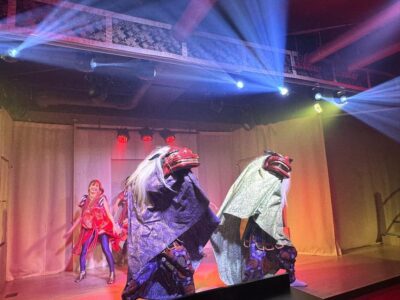
Japanese Dance Cabaret Theater Asakusa-Kaguwa Ticket
Read our review →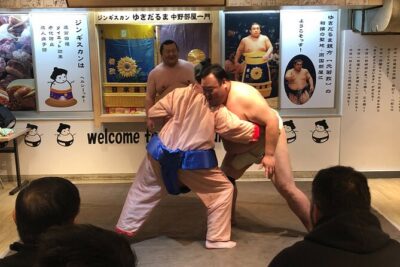
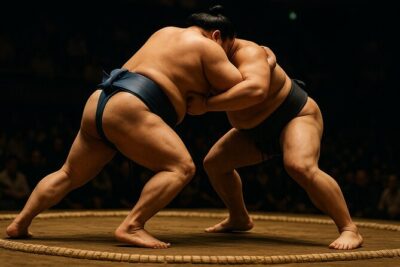
Tokyo Shinjuku Sumo Show & Experience with Photo
Read our review →

Mt Fuji & Hakone Cruise, Drum Show Bus 1 Day from Tokyo
Read our review →
Yakatabune Dinner Cruise with Japanese Show & Drinks
Read our review →
Tsukiji Fish Market: Street Food & Culture Walking Tour
Read our review →Browse the lists this show appears in