
Review · JAPAN
Authentic Kabuki Transformation & Mini Performance at Aioiza Gifu
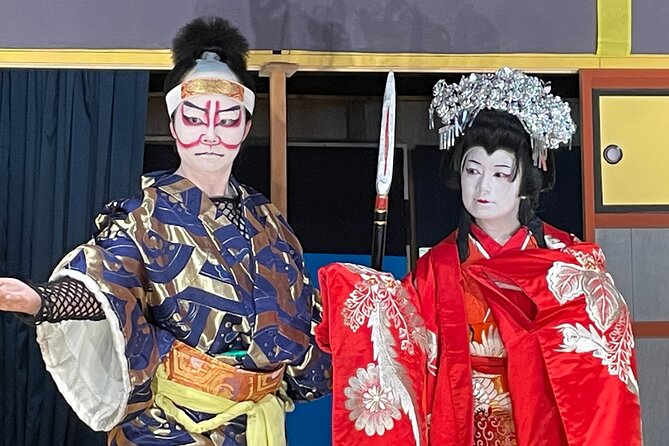
A painted kabuki face, a traditional costume, and a turn on the stage of an old wooden theater make this far more personal than a standard cultural tour. At Aioiza Theater in Mizunami, you do not just watch kabuki. You get a guided look at the stage and backstage spaces, then take part in the theatrical transformation yourself.
I like the small private format, since your group gets the attention needed for explanations, dressing, and posing. I also like the link to the Nakasendo route, which gives the theater and local Mino Kabuki a useful setting rather than treating the performance as an isolated show.
The main caution is the price: at $325.15 per person, this is a costly half-day. It makes the most sense if you want hands-on cultural contact, not simply a brief performance or museum visit.
Key points
- Aioiza Theater access: Explore the old wooden playhouse, stage, and backstage areas with an explanation of how the local theater works.
- Kabuki transformation: Try kabuki-style face painting, traditional clothing, poses, and a short performance.
- Mino Kabuki context: Learn how community kabuki developed in the area and how it connects with Edo-period travel routes.
- Private five-hour outing: Only your group takes part, with car transport between JR Mizunami Station and the museums.
- Local lunch included in the schedule: Enjoy Japanese local cuisine in Mizunami City after the theater visit.
- Easy cancellation window: Cancel at least 24 hours before the 9:00 a.m. start for a full refund.
Why this Mizunami theater experience feels different
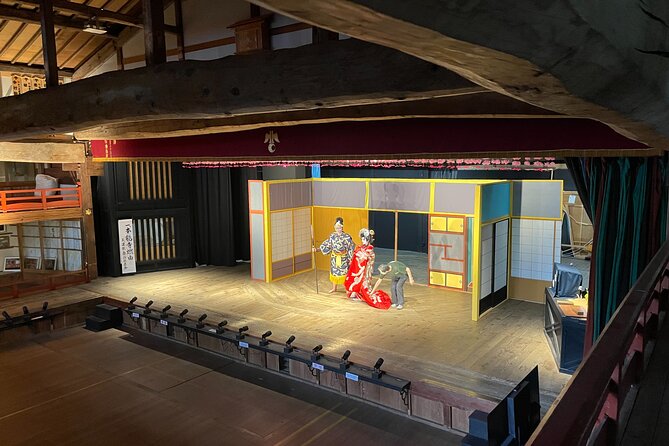
Many cultural activities give you a costume, a quick photo, and little else. This one has more substance. The setting is Aioiza Theater, a historic wooden playhouse that continues the local tradition of Mino Kabuki. You see the place where performances happen, learn how the theater is arranged, and then use the stage yourself.
That setting matters. Kabuki is often presented to visitors in polished city theaters, where the performance is the main event and the building fades into the background. Here, the theater is part of the lesson. The age of the premises, the backstage tour, and the community connection help you understand that Mino Kabuki is not only a professional art form imported from somewhere else. It also belongs to local people and local places.
I would especially recommend this experience if you have little or no knowledge of kabuki. The explanations are designed to bring beginners along, and you can ask questions as you move through the theater. You do not need to arrive with a background in Japanese theater.
A few more shows around Japan worth a look
- Mt Fuji & Hakone Cruise, Drum Show Bullet Train 1 Day from Tokyo
★ 4.0 · 7,413 reviews - Tokyo: Sumo Show Experience with Chicken Hot Pot and a Photo
★ 4.8 · 6,678 reviews - Tokyo: Sumo Show and Dining Experience
★ 4.8 · 2,742 reviews
Starting at JR Mizunami Station at 9:00 a.m.
The day begins at JR Mizunami Station in Mizunami, Gifu Prefecture. The listed meeting point is in Terakawadocho, and the experience begins at 9:00 a.m. From the station, you travel by car to the Nakasendo Museum. The drive takes about 15 minutes.
This arrangement is practical. You do not need to work out separate local transport between the station and the theater area, and the station provides a clear meeting point. Pickup is offered, though the stated meeting instructions center on JR Mizunami Station, so check the exact pickup details when booking if you are staying elsewhere.
Because the activity is private, the pace can feel more personal than a large group outing. You are not being moved through the theater with several dozen people. That helps during the stage and costume portions, when clear instructions and time for questions make a real difference.
The entire experience lasts about five hours and returns to Mizunami Station. Allow extra time around that schedule if you have a train reservation afterward, since the stated duration is approximate.
The Nakasendo Museum and the road to Mino Kabuki
The first museum stop takes about 30 minutes. Here you learn about the history of Mino Kabuki and its relationship with the Nakasendo, one of the old routes linking Edo and Kyoto through the mountains of central Japan.
This short introduction gives the theater visit a useful frame. You learn that local performance traditions developed alongside movement, trade, and travel. The Nakasendo was not simply a line on a map for people passing through Japan. It connected communities, and those communities developed their own customs and forms of entertainment.
Thirty minutes is enough for an orientation, but not enough for a long museum study. I see that as a strength for this particular outing. The museum prepares you for the main theater visit without taking over the day. If you are mainly interested in taking part in kabuki, you will not spend hours looking at displays before reaching Aioiza.
If you prefer a full museum tour with extensive time for reading, the schedule may feel brief. The point here is connection: understand the local setting first, then see how the tradition lives in a real theater.
Inside Aioiza Theater, where the building becomes part of the lesson
The main visit lasts about two hours at the Mino Kabuki Museum and Aioiza Theater. This is the heart of the experience.
Aioiza is described as a beautiful wooden playhouse with a long connection to local Mino Kabuki. You tour the stage and backstage area, and the staff explain parts of the building that might be difficult to understand on your own. This is important because traditional theaters can be confusing at first. A raised stage may look simple, but its backstage paths, entrances, and performance spaces carry their own rules.
I would take the explanations seriously rather than rushing toward the costume session. The building tells you how community theater worked and why the stage was more than a place for actors to stand. You get a chance to see areas that are easy to miss during a normal performance.
The theater is old, and that is part of its appeal. It also means the premises may not feel polished or modern. Some areas can be difficult to understand without guidance, so the personal explanation is useful. Anyone expecting the finish of a new entertainment venue should adjust those expectations.
Same place, a different night out:
- Tokyo: Japanese Dance Cabaret Theater Asakusa-Kaguwa Ticket
★ 4.8 · 2,270 reviews - the SUMO show
★ 5.0 · 1,960 reviews - Tokyo Shinjuku Sumo Show & Experience with Photo
★ 5.0 · 1,750 reviews - Tokyo: Samurai Restaurant Show Ticket with 2 Drinks
★ 4.5 · 1,307 reviews
Kabuki makeup, costume, and your turn on stage
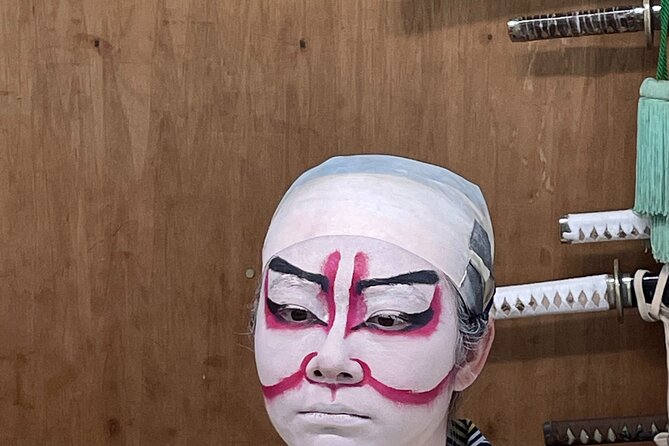
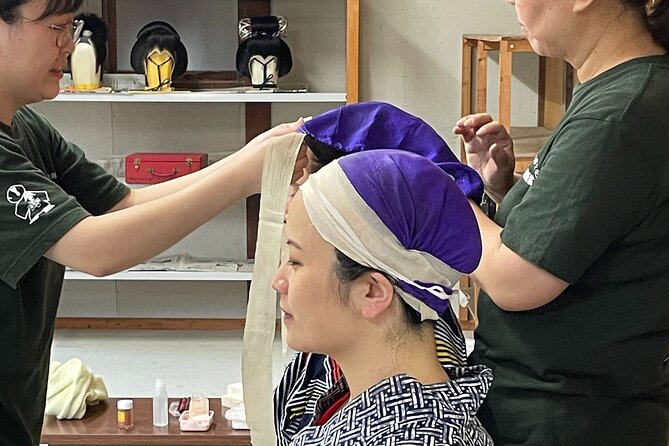
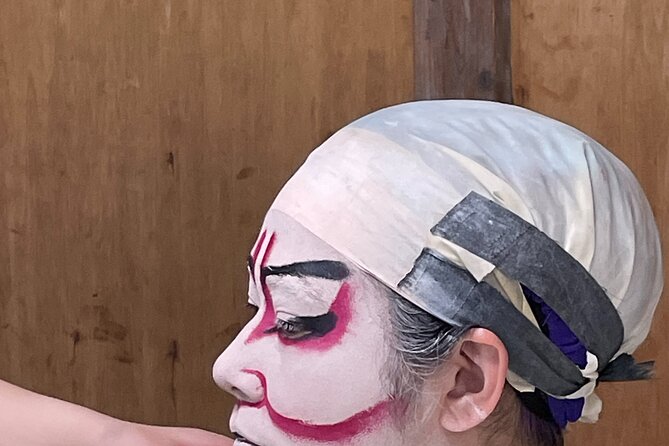
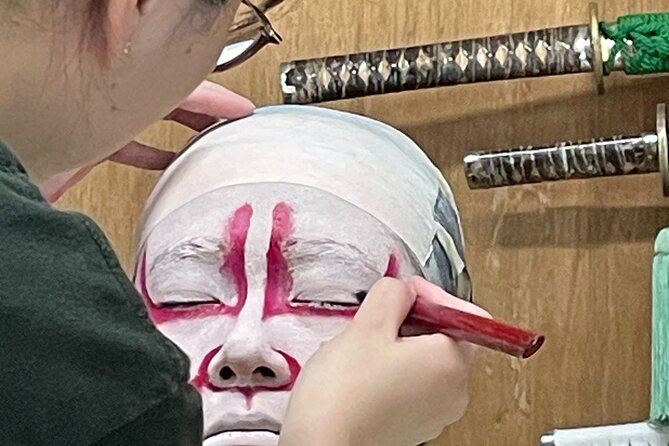
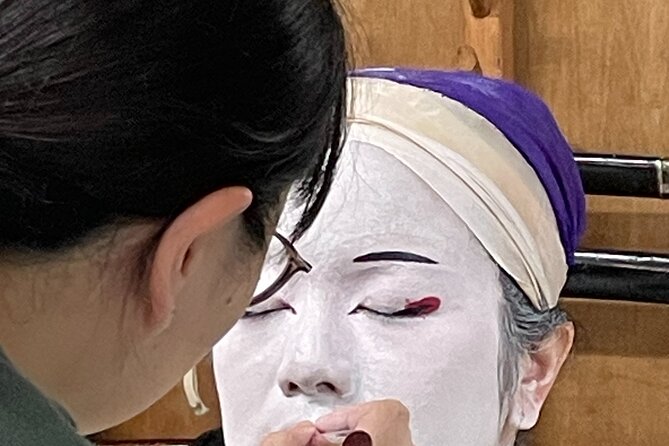
The transformation portion is the most memorable part for many people. You can have your face painted in a kabuki style, put on traditional kabuki clothing, and pose in character. The clothing comes from an extensive collection, so the costume portion is not reduced to a single generic robe.
This is where the private format earns its keep. A costume fitting and face painting need time. You may want to see yourself in the mirror, ask how the makeup works, and try several poses without feeling hurried. The activity is playful, but it is not only a dress-up photo stop. You are being shown how appearance, posture, and performance work together in kabuki.
You also take part in a short performance on the kabuki stage. The available details do not specify the exact role, script, or length of the performance, so you should expect an introductory experience rather than a full theatrical production. That is a good fit for beginners. You get a taste of the stage without needing to memorize a complete play.
The stage can feel intimidating at first, especially after the makeup and costume change. That is part of the fun. The staff guide you through the activity, and the experience is built around participation rather than technical perfection. You are not being judged as a trained performer.
Bring a willingness to look a little unusual. Kabuki makeup is not meant to be subtle, and the costume changes the way you see yourself. If you prefer quiet observation, this section may feel too active. If you enjoy trying something new and leaving with a strong memory, it is likely to be the high point.
What the local staff add to the visit
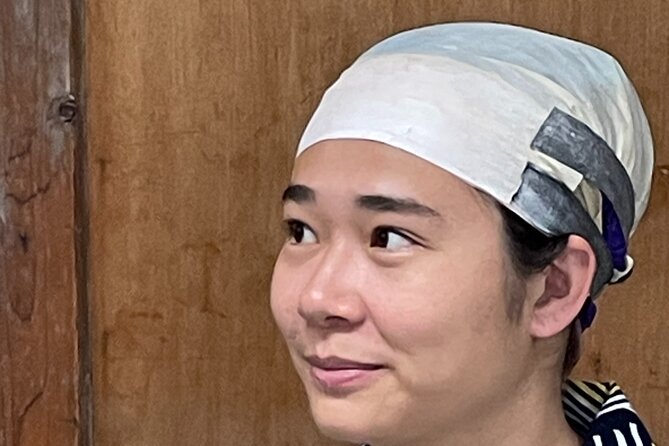
The human side of this outing matters. The staff are described as kind and welcoming, and they explain the theater carefully, including parts of the stage and backstage area. That tone is important for a cultural activity that could otherwise feel awkward or overly formal.
The staff also appear comfortable working with beginners. You are not expected to know the names of kabuki movements or understand the theater layout before you arrive. Explanations come as you move through the building, and the private setting gives you a chance to ask for clarification.
The available information does not provide individual guide names, so I cannot point you to a particular host. What you can count on is a staff-led visit rather than a self-guided museum entry. That distinction makes the $325.15 price easier to understand, though it remains a serious expense.
Local Japanese lunch in Mizunami
After the theater, the schedule allows one hour for lunch at a Japanese local cuisine restaurant in Mizunami City. The meal is included in the flow of the tour, but no exact restaurant, menu, or included dishes are specified.
That means you should think of lunch as a convenient local meal rather than a separately advertised food tour. It breaks up the theater portion and gives you time to talk about the performance and costume experience before returning to the station.
One hour is a sensible amount of time for a meal during a five-hour outing. Still, if you have dietary restrictions or strong food preferences, ask about arrangements before booking. The available details do not confirm specific menu choices.
Is $325.15 per person a fair price?
At $325.15 per person, this is not a budget activity. You are paying for a private experience, car transport during the outing, museum admission, theater access, staff instruction, the transformation session, and lunch within a five-hour program.
The value depends on what you want from Japan. If you only want to see kabuki performed, this is probably too expensive. You could spend less on a standard theater ticket or a museum visit, though that would not give you stage and backstage access, makeup, traditional clothing, or a personal performance.
I think the price is easier to justify for someone who values access and participation. The old theater is not simply a backdrop. You receive an explanation of the building, learn about Mino Kabuki, and take part in a guided activity designed for your own group.
The cost is also easier to share if you are traveling with family or friends who all want the same experience. Since it is a private activity, the group does not have to split up or wait for unrelated participants. Solo visitors should consider the price more carefully, even though the private format still offers a focused visit.
Timing, transport, and practical planning
The tour starts at 9:00 a.m. and ends back at JR Mizunami Station after about five hours. The stated route includes a 15-minute car transfer from the station to the Nakasendo Museum and a 10-minute return transfer to the station at the end.
A mobile ticket is offered, and confirmation is received at booking. Most people can participate, according to the supplied tour details. No special accessibility information is provided, so you should ask directly if you need details about stairs, backstage access, dressing areas, or movement inside the old theater.
Wear clothing that makes it easy to change into traditional costume. The information does not specify the exact dressing process, so avoid assuming that every garment will fit over bulky outerwear. Comfortable shoes are also sensible for moving between the station, museum, theater, and lunch stop.
The theater is in Mizunami, away from the main tourist routes of Tokyo, Kyoto, and Osaka. That adds travel planning, but it is also why the experience feels connected to a real regional setting rather than a staged city attraction.
Who will enjoy this most
I would choose this for:
- First-time kabuki learners who want clear explanations
- Couples, families, or friends who enjoy taking part together
- Visitors interested in traditional Japanese clothing and makeup
- People who value old theaters and local community culture
- Photographers and memory-makers who want a costume and stage experience
- Travelers already visiting Gifu who can reach Mizunami without rushing
I would think twice if you have only a short time in the region, dislike dressing up, or want a polished professional performance. The activity is hands-on and personal. It is not a passive two-hour show.
It may also be less suitable if you need a tightly timed connection immediately after the tour. The experience returns to the station, but the duration is approximate, and an old theater visit with costume and performance may not run with train-platform precision.
Cancellation and booking details
You can cancel for a full refund up to 24 hours before the local start time. Cancellations or changes made less than 24 hours before 9:00 a.m. are not accepted for a refund.
The activity is operated by MOST JAPAN. Since confirmation arrives at booking and a mobile ticket is available, keep the booking information accessible on your phone. If you need pickup beyond Mizunami Station, confirm that arrangement before finalizing the reservation.
Should you book Aioiza Theater?
Book it if you want more than a photograph in a kimono. The real value is the combination of an old community theater, a local history lesson, access to stage and backstage areas, kabuki makeup, traditional clothing, and a short performance with your own group.
Skip it if your budget is tight or you want a conventional show. At $325.15, this is a specialist experience, not a cheap add-on. For the right visitor, though, it offers something difficult to arrange independently: a friendly introduction to Mino Kabuki that lets you see, wear, and try the tradition rather than only watch it.
FAQ
Where does the tour begin?
It begins at JR Mizunami Station in Mizunami, Gifu Prefecture. The listed meeting address is in Terakawadocho, Mizunami, postal code 509-6121.
What time does the activity start?
The start time is 9:00 a.m.
How long does the experience last?
The activity lasts approximately five hours and ends back at the meeting point at JR Mizunami Station.
Is transportation included during the tour?
The group travels by car from JR Mizunami Station to the Nakasendo Museum, and the tour returns you to the station at the end. Pickup is offered.
Is this a private activity?
Yes. Only your group participates in the activity.
What museums or cultural sites are included?
The schedule includes the Nakasendo Museum and the Mino Kabuki Museum at Aioiza Theater.
Do participants wear kabuki clothing?
Yes. The experience includes traditional kabuki clothing, kabuki-style face painting, posing, and a short stage performance.
Is lunch included?
The schedule includes one hour for lunch at Japanese local cuisine in Mizunami City. The specific restaurant and menu are not provided.
Can I cancel for a full refund?
Yes. You can cancel at least 24 hours before the local start time for a full refund. Cancellations or changes made less than 24 hours before the start are not eligible for a refund.
Just added around Japan
- Kabuki Talk★ 5.0 · 10 reviews
- Tokyo: English Standup Comedy Night★ 5.0 · 4 reviews
- Experience the Asakusa Kabuki Opera Show!★ 5.0 · 99 reviews
- Tokyo: Taishu Engeki Show with Kimono and Sword Lesson★ 5.0 · 12 reviews
- Tokyo: Traditional Geisha Experience Show & Japanese Dinner★ 4.2 · 59 reviews
- Tokyo: Rainbow Bridge Day Cruise Show Unlimited Soft Drinks★ 4.5 · 86 reviews
- Tokyo: Taiko Drum Experience in Kabukicho with Dinner★ 5.0 · 3 reviews
- Tokyo: KABUKI, BUNRAKU, etc. presented by National Theatre★ 4.6 · 135 reviews
Japan Shows, compared.
Sumo Show Experience with Chicken Hot Pot and a Photo
Read our review →
Japanese Dance Cabaret Theater Asakusa-Kaguwa Ticket
Read our review →
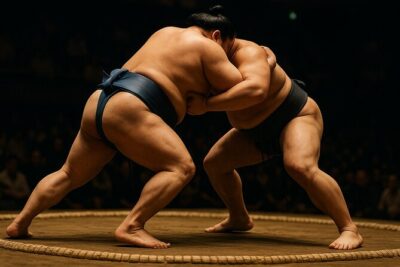
Tokyo Shinjuku Sumo Show & Experience with Photo
Read our review →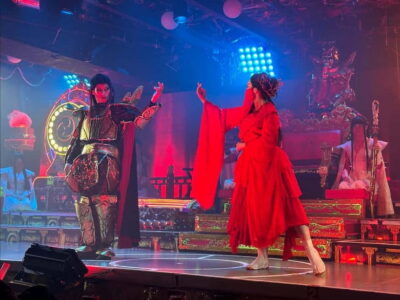
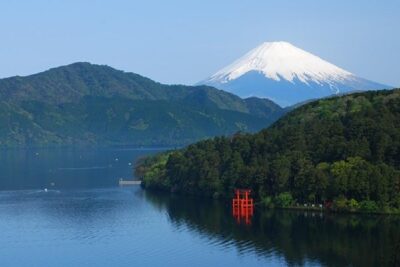
Mt Fuji & Hakone Cruise, Drum Show Bus 1 Day from Tokyo
Read our review →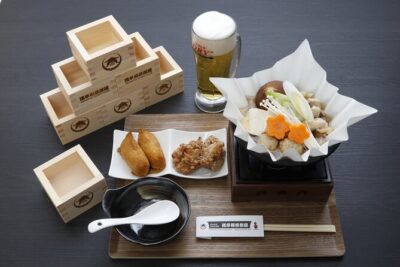
Tokyo Sumo Entertainment Show with Chicken Hot Pot and Photo
Read our review →Browse the lists this show appears in