
Review · TOKYO
The Dark Side of Tokyo – Night Walking Tour Shinjuku Kabukicho
Kabukicho after dark is more than neon signs and flashy entrances. It is a layered district of drinking alleys, adult entertainment, tiny bars, shrines, hotels, and LGBTQI nightlife. This two-hour walk gives you a safe, readable way into that world, with a guide explaining the rules, history, and local customs as you go.
I like the small-group format, capped at 12 people, because it gives you a better chance to ask direct questions. I also like the route’s variety: Omoide Yokocho, Kabukicho, the Godzilla Head, a Shinto shrine, and Shinjuku’s LGBTQI district all appear in one evening. The main drawback is that the walk ends in Shinjuku 3 Chome rather than returning to the starting point, and rainy weather can make the crowded streets harder to manage.
Key points before you book
- Kabukicho beyond the neon: Learn how the district’s adult entertainment businesses operate within Japan’s legal boundaries.
- Omoide Yokocho included: See one of Shinjuku’s best-known narrow drinking alleys before moving into the larger nightlife zone.
- Guides vary by date: Polina, Gray, Danny, Danni, Daniel, Loc, Kumi, and Paul have led recent tours.
- A compact two-hour route: The walk covers several distinct parts of Shinjuku without requiring a full evening commitment.
- Food and drinks are extra: You see the streets and receive the explanations, but meals and bar visits are not included.
- Simple mobile entry: Your booking confirmation serves as a mobile ticket, and free cancellation is available up to 24 hours before the start time.
Why this Shinjuku night walk is different
Many first-time visitors see Shinjuku as a wall of lights, signs, crowds, and unfamiliar entrances. That can be exciting, but it can also make the area difficult to read. This tour gives you a guide who explains what you are looking at instead of leaving you to guess.
The focus is not simply sightseeing. You hear about local nightlife culture, the adult industry, Japanese traditions, food, hotels, and the legal boundaries that shape the district. That makes the walk useful even if you have no interest in entering a bar or club. You gain context for streets you might otherwise pass without understanding.
The phrase dark side refers to the less polished side of Tokyo nightlife. It does not mean that the tour is a frightening expedition. The route stays in public areas, and the guide helps you avoid getting lost or drifting into places that may not suit you.
The approach also appears flexible. Guides have been praised for humor, clear English, and answering questions. Polina has been described as calm but direct, while Gray, Danny, Daniel, Kumi, and Loc have each been noted for making the subject approachable. The guide on your date may be different, so expect the same general route with a personal style that can change from one evening to another.
More Walking Tours in Tokyo:
- Tsukiji Fish Market: Street Food & Culture Walking Tour
★ 5.0 · 669 reviews - Tokyo: Asakusa Walking Tour & Comedy Night
★ 5.0 · 5 reviews - Tokyo: Know about Kabuki performing – Ginza Walking
★ 4.2 · 3 reviews
Meeting at Shinjuku East Exit
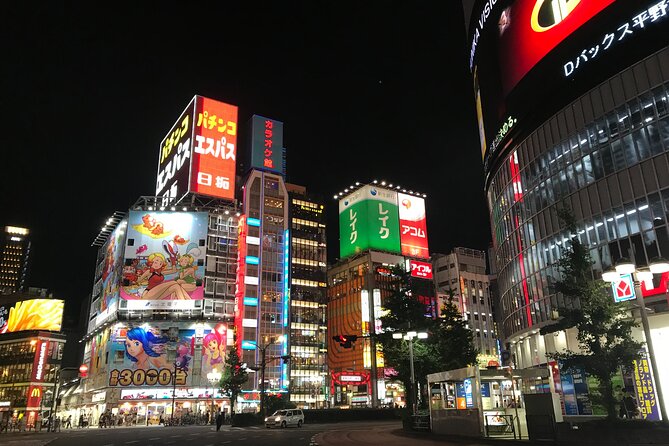
The tour begins at the police box near Shinjuku Station East Exit, listed as 3 Chome 38-1 Shinjuku, Shinjuku City. This detail matters because Shinjuku Station is enormous, and meeting someone outside the wrong exit can cost you valuable time.
The meeting point is a police box, not a telephone box. That distinction has caused confusion for at least one person, so read the wording carefully before setting out. The listed starting location is close to public transportation, but give yourself time to reach the East Exit and locate the correct spot.
A mobile ticket makes the arrival process simple. You receive confirmation when booking, and the tour has a maximum of 12 people. That is small enough for conversation, though a rainy evening or dense crowd can still make it easy to lose sight of the guide.
For that reason, I would arrive a little early, keep the guide in view, and pay special attention when the group crosses busy streets. A bright sign or raised marker would be useful in heavy rain, but you should not rely on finding one. Comfortable walking shoes and weather protection are sensible choices.
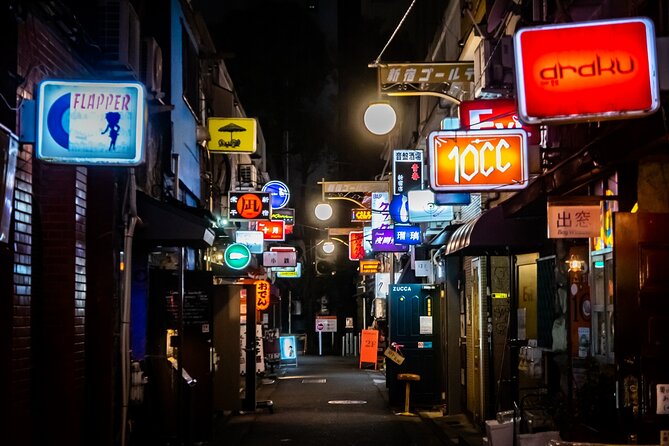
Omoide Yokocho, Shinjuku’s famous drinking alley
One of the early stops is Omoide Yokocho, a narrow drinking alley known for its tightly packed food and drink venues. It gives you a close look at a very different scale of nightlife from the huge signs and broad streets nearby.
The alley is especially useful as an introduction because it shows how much activity can fit into a small space. Your guide can point out the character of the area and explain how it fits into Shinjuku’s night culture. You see the setting on foot rather than from a passing train or taxi.
The experience is observational. Dinner is not included, and you should not assume that the group will stop for a meal. Food and drinks cost extra, so treat this stop as a chance to see the alley and learn about it, not as a restaurant reservation.
If you want a proper meal, plan it before or after the tour. That keeps the two-hour route moving and avoids disappointment. The alley is still worthwhile even if you never sit down to eat.
Kabukicho and the adult entertainment district
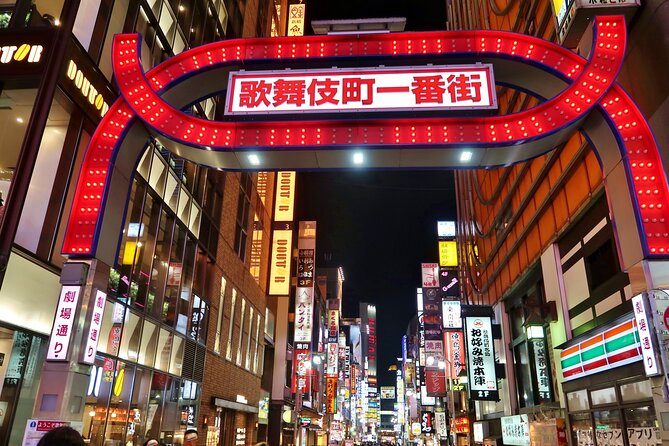
Kabukicho is the central subject of the walk. The district has one of Tokyo’s most famous nightlife concentrations, with bars, clubs, hotels, restaurants, entertainment businesses, and adult-oriented venues sharing a relatively compact area.
This is where a guide adds real value. Signs and storefronts may be clear enough visually, but much of the meaning is not available in English. You learn how the area is organized, who operates different kinds of businesses, and how workers and businesses operate around Japanese laws.
The discussion can be frank. Past explanations have covered sex work, the legal limits surrounding it, and the ways businesses work within those limits. That material may be eye-opening, but it is presented as social and cultural information rather than as a sales pitch for nightlife venues.
I like this part of the route because it replaces vague ideas about Tokyo’s seedy side with specific information. You can ask questions, learn what different businesses do, and understand why the streets look the way they do. A guide also helps you avoid straying into places that may be unpleasant or unsuitable.
The tour does not promise entry into clubs, bars, or adult venues. Its value is the explanation you receive while walking through public streets. If you want a guided nightlife orientation rather than a pub crawl, this is the right distinction to keep in mind.
More Evening Experiences in Tokyo:
- Tokyo: Samurai Entertainment Night Show in Kanda Shrine
★ 4.6 · 417 reviews - Yoshimoto Comedy Night OWARAI
★ 5.0 · 229 reviews - Tokyo: English Standup Comedy Night
★ 5.0 · 8 reviews - Tokyo Night Drive Wangan Expressway and Daikoku PA
★ 4.9 · 6 reviews
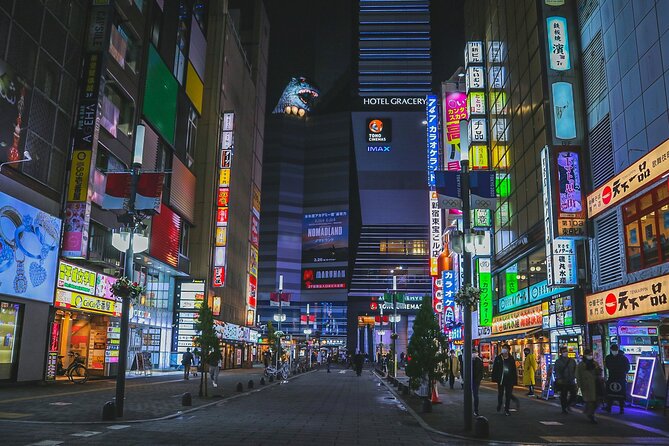
Godzilla Head and Kabukicho’s famous skyline
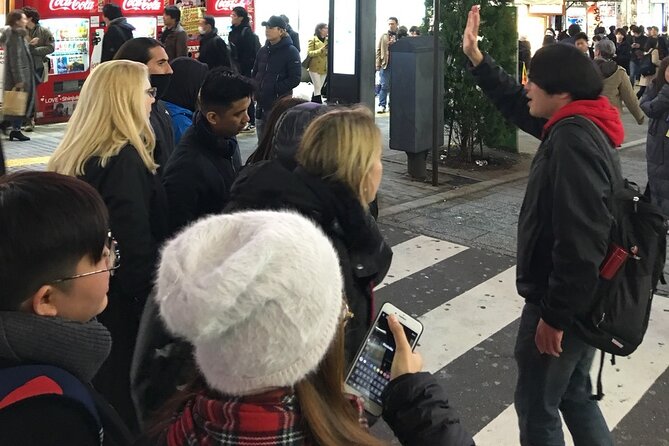
The route includes the Godzilla Head, one of Kabukicho’s most recognizable landmarks. This is a lighter moment in the walk, offering a familiar pop-culture sight amid the more serious discussion of nightlife and local regulations.
The itinerary notes that you can see Godzilla’s show. The head is also a useful visual marker for understanding where you are in the district. In a neighborhood packed with neon and large buildings, a landmark gives the group a clear point of reference.
Do not expect this stop to become a long attraction visit. It is part of the walking route, not a separate ticketed experience. The interest comes from seeing the famous head in its nighttime setting and connecting it to the surrounding entertainment district.
This mix of playful and serious stops helps the tour avoid becoming grim or overly academic. You move from alleyways and adult-industry explanations to a huge monster head, then continue through smaller streets and older local spaces.
The narrow bar district
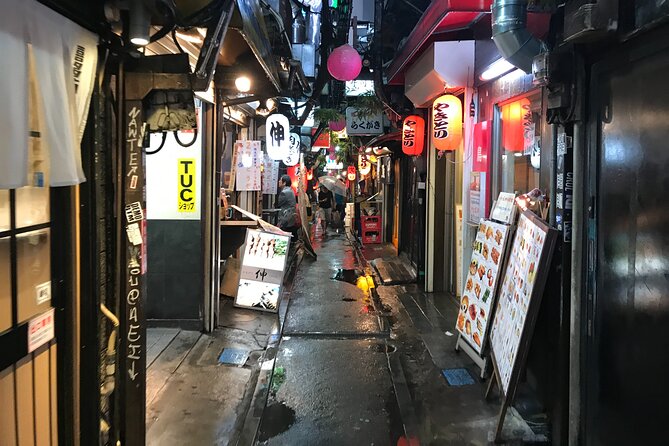
Another stop takes you into Shinjuku’s narrow bar district. Here the scale changes again. Instead of the larger signs and broad commercial fronts of Kabukicho, you see compact streets with tiny bars and limited space.
The guide’s explanations are important here because the physical setting alone does not tell you how the district works. You might find venues that look private, specialized, or difficult to enter without local knowledge. The tour helps you understand the area without pressuring you to go inside.
This is also where the small group matters. In a group of up to 12, you can stay together while moving through narrow streets. A much larger group would be less comfortable and might block entrances or make it harder to hear.
The route is still a walking tour, not a tasting experience. You pay separately for any food or drinks, and the supplied details do not promise a bar stop. If you want to continue the evening afterward, the guide can provide recommendations, but the main tour ends elsewhere in Shinjuku.
A Shinto shrine amid the nightlife
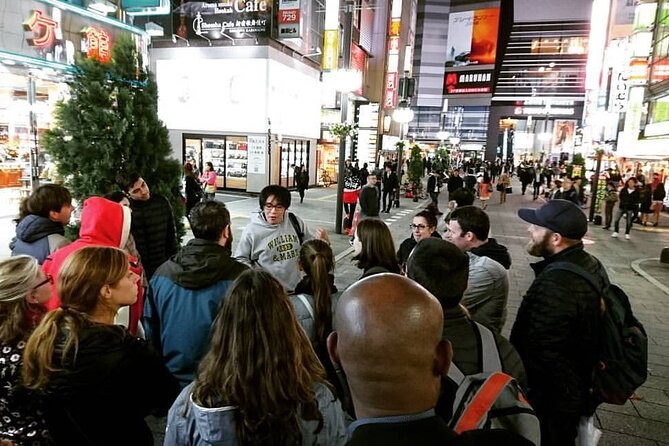
The inclusion of a Shinto shrine gives the route a welcome change of pace. Shinjuku is often presented through its lights, screens, and late-night businesses, but a shrine shows another side of the neighborhood’s identity.
The contrast is the point. You can move from adult entertainment and crowded nightlife streets to a religious site within the same broad district. That combination makes the area feel less like a purpose-built party zone and more like a real neighborhood with different uses layered together.
The exact shrine name is not supplied, so you should not book this expecting a major shrine visit or a long temple-style sightseeing stop. Think of it as one meaningful piece of the walk. Your guide can explain how the shrine fits into the local setting and Japanese tradition.
I find this type of contrast valuable because it keeps the tour from reducing Shinjuku to sensational stories. You see nightlife, but you also see ordinary cultural life sharing the same city space.
Shinjuku’s LGBTQI district, often called Gay Town
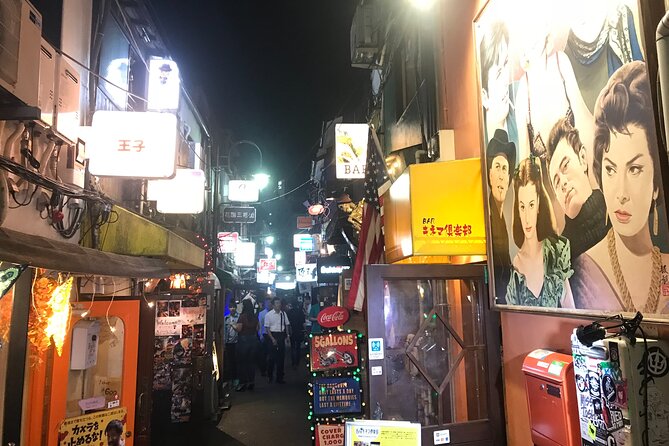
The route also visits Shinjuku’s LGBTQI district, often called Gay Town. This area is another reason the tour is broader than a standard Kabukicho walk. You are not only looking at large nightlife businesses. You are also learning about a district with its own social identity and entertainment culture.
The walk provides orientation rather than a full venue-by-venue tour. You see the streets and hear about the district’s role in Tokyo nightlife. The guide can help you understand the area respectfully, especially if you are unfamiliar with its layout or customs.
This stop works well with the rest of the route because it shows that Shinjuku’s nightlife is not one single scene. Kabukicho, Omoide Yokocho, the narrow bar streets, and the LGBTQI district each have different moods and audiences.
The subject may appeal particularly to you if you want a more complete picture of Tokyo at night. If you are seeking only famous sights, the Godzilla Head and neon streets may be enough. If you want social context, this district adds much more.
What the two-hour pace feels like
The advertised duration is about two hours, and the route covers several districts and landmarks. That means you should expect steady walking with regular stops for explanations, not a slow café-style stroll.
One person described a much longer, fast-paced experience, but the stated duration is approximately two hours. Conditions can affect the pace. Rain, crowds, street crossings, and questions may change the timing, so keep your evening plans flexible.
The route is suitable for most people according to the activity information, and service animals are allowed. Still, this is an urban walking tour, so you should be comfortable spending the evening on your feet and moving through crowded streets.
The tour finishes around Shinjuku 3 Chome, not at the starting police box. I see this as a minor inconvenience rather than a serious problem, since the ending is still in central Shinjuku. It does mean you should check your route home in advance and avoid assuming you will finish beside the East Exit.
Is $25 a fair price?
At $25 per person, this is a reasonable price for a guided two-hour orientation in one of Tokyo’s most confusing night districts. You are paying for access to a guide’s explanations, not for dinner, drinks, attraction tickets, or a private vehicle.
The strongest value comes on a first visit. If you are unsure how Kabukicho works, do not read Japanese, or want to understand the difference between the districts, the tour can save you time and uncertainty. It may also help you plan the rest of your evening with a better sense of where you want to go.
The value is less obvious if you already know Shinjuku well or want an extended food-and-drink night. In that case, you may prefer to spend the same money on your own meal or bar visits. This experience is best understood as a guided introduction, not a complete night out.
The guide fee is included. Dinner is not. That clear separation lets you choose your own meal and spending level after the walk.
Who should book this walk?
I would recommend it to first-time visitors who want a practical introduction to Shinjuku after dark. It is especially useful if neon-heavy nightlife feels exciting but confusing, or if you want to learn about adult entertainment without entering those businesses yourself.
It also suits solo visitors and couples who prefer some structure on their first evening. The group size is limited, and past guides such as Polina, Gray, Danny, Daniel, Loc, and Kumi have been praised for clear explanations, humor, and friendly conversation.
You may want to skip it if you dislike crowded streets, sensitive adult-industry subjects, or steady walking. It is also not the right choice if you expect included food, drinks, or a return to the starting point.
The experience requires good weather. If poor weather cancels the tour, you are offered another date or a full refund. You can cancel for a full refund up to 24 hours before the start time, but later cancellations and changes are not accepted.
Should you book The Dark Side of Tokyo?
Book it if you want to understand Shinjuku rather than simply photograph it. The route gives you neon, famous landmarks, narrow alleys, a shrine, LGBTQI nightlife, and clear explanations of the district’s adult-oriented businesses for $25.
I would choose it near the start of a Tokyo visit, when the information can help you plan later evenings. Just arrive at the correct police box, prepare for walking and crowds, budget separately for food, and remember that the tour ends in Shinjuku 3 Chome.
FAQ
How long is The Dark Side of Tokyo tour?
The tour lasts approximately two hours.
Where does the tour begin?
It begins at the police box near Shinjuku Station East Exit, at 3 Chome 38-1 Shinjuku, Shinjuku City, Tokyo 160-0022, Japan.
Where does the tour end?
The tour finishes around the Shinjuku 3 Chome area rather than returning to the starting point.
What areas does the tour visit?
The route includes Shinjuku, Kabukicho, Omoide Yokocho, the narrow bar district, a Shinto shrine, and Shinjuku’s LGBTQI district, often called Gay Town.
Is dinner included?
No. Dinner, food, and drinks are not included in the tour price.
How large is the group?
The tour accepts a maximum of 12 people.
Is a mobile ticket available?
Yes. The experience includes a mobile ticket, and confirmation is received at the time of booking.
Which guides may lead the tour?
Guides who have led this experience include Polina, Gray, Danny, Danni, Daniel, Loc, Kumi, and Paul. The assigned guide depends on the date.
Are service animals allowed?
Yes. Service animals are allowed.
Can I cancel for a refund?
Yes. You can cancel at least 24 hours before the start time for a full refund. Cancellations or changes made less than 24 hours before the start time are not accepted. If poor weather cancels the experience, you are offered another date or a full refund.
Just added around Tokyo
- Tokyo: Taishu Engeki Show with Kimono and Sword Lesson★ 5.0 · 12 reviews
- Tokyo: Traditional Geisha Experience Show & Japanese Dinner★ 4.2 · 59 reviews
- Tokyo: Taiko Drum Experience in Kabukicho with Dinner★ 5.0 · 3 reviews
- Tokyo: Rainbow Bridge Day Cruise Show Unlimited Soft Drinks★ 4.5 · 86 reviews
- Tokyo: KABUKI, BUNRAKU, etc. presented by National Theatre★ 4.6 · 135 reviews
- Tokyo: Know about Kabuki performing – Ginza Walking★ 4.2 · 3 reviews
- Tokyo: Learn about Japanese Traditional art KABUKI in Ginza★ 3.2 · 5 reviews
- Tokyo: Family Sumo Workshop & Live Wrestling Show with Lunch★ 4.9 · 99 reviews
Tokyo Shows, compared.
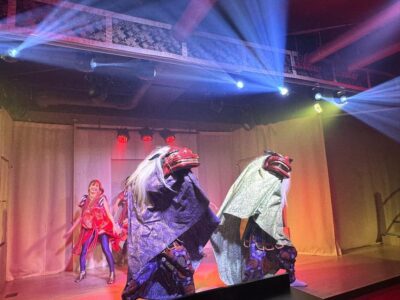
Japanese Dance Cabaret Theater Asakusa-Kaguwa Ticket
Read our review →
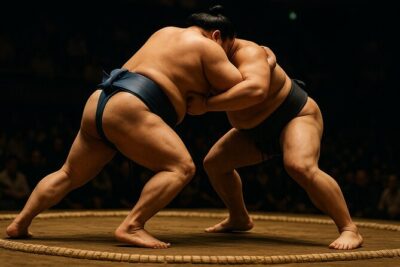
Tokyo Shinjuku Sumo Show & Experience with Photo
Read our review →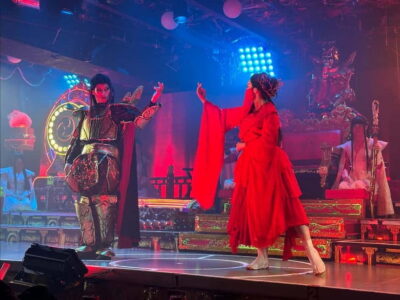
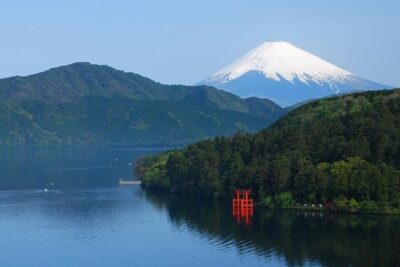
Mt Fuji & Hakone Cruise, Drum Show Bus 1 Day from Tokyo
Read our review →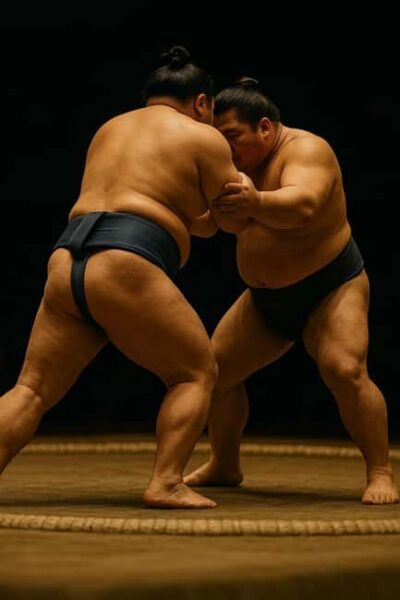
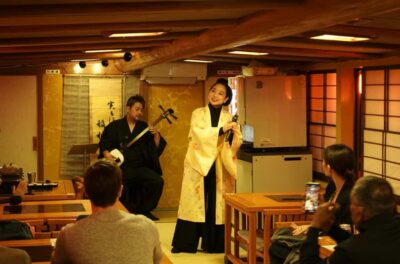
Yakatabune Dinner Cruise with Japanese Show & Drinks
Read our review →Browse the lists this show appears in