
Review · TOKYO
Tokyo: KABUKI Show at Kabukiza Theatre Admission Ticket
Kabuki at Kabukiza Theatre is not a quick cultural photo stop. It is a full afternoon or evening of stylized acting, singing, dance, live music, grand costumes, and stories drawn from Japan’s past. The theater presents a new program each month, so the exact experience depends on your date.
I like two things right away: the included English or simplified Chinese caption service, which helps you follow old stories, and the chance to see professional Kabuki in the only theater in the world devoted entirely to this art form. The main catch is the length. Four hours can feel long, especially in seats that some people find tight or old-fashioned.
Key points to know before you book
- Four hours means a complete theater outing: Programs include several acts or separate pieces, with intermissions between them.
- The monthly program changes: Check the official Kabuki website before choosing your date.
- Captions are included: English or simplified Chinese captioning helps explain dialogue and plot.
- You cannot choose your seats: The reservation assigns your seats, and some may feel compact.
- Plan around the ticket pickup: Exchange your mobile or PDF voucher for the actual ticket at the Basement Level 2 box office.
- Ginza gives you an easy add-on: You can browse Kabuki souvenirs, see the permanent exhibition, and eat or drink during the breaks.
Why Kabukiza is worth four hours
Kabuki is best understood as a complete stage language, not simply a Japanese play with unusual costumes. The acting is highly formal. A pause, pose, turn of the head, or sharp stamp can carry as much meaning as a long speech.
The productions can include drama, dance, singing, narration, shamisen music, and stage effects. You may see a historical tale, a domestic story, a modern Kabuki work, or a dance piece in the same program. That variety helps the long running time feel less repetitive.
For a first visit, the caption service matters. Traditional Kabuki stories can involve old language, family relationships, revenge, loyalty, ghosts, warriors, or lovers. Without help, you may understand the mood but lose the plot. The captions give you a way to follow the action while still watching the performers.
The caption device does require some attention. You look at the screen, then back at the stage, and the timing may not always feel perfectly natural. One useful trick is to read enough to understand the scene, then give your eyes to the performers during the most physical moments. The acting and movement are the point, not just the words.
More Theatre Shows in Japan
- Tokyo: Japanese Dance Cabaret Theater Asakusa-Kaguwa Ticket
★ 4.8 · 2,270 reviews - Tokyo: KABUKI, BUNRAKU, etc. presented by National Theatre
★ 4.6 · 135 reviews - Kyoto: Non-Verbal Theatre Show Tickets at GEAR
★ 4.9 · 198 reviews
Entering the historic Kabukiza Theatre
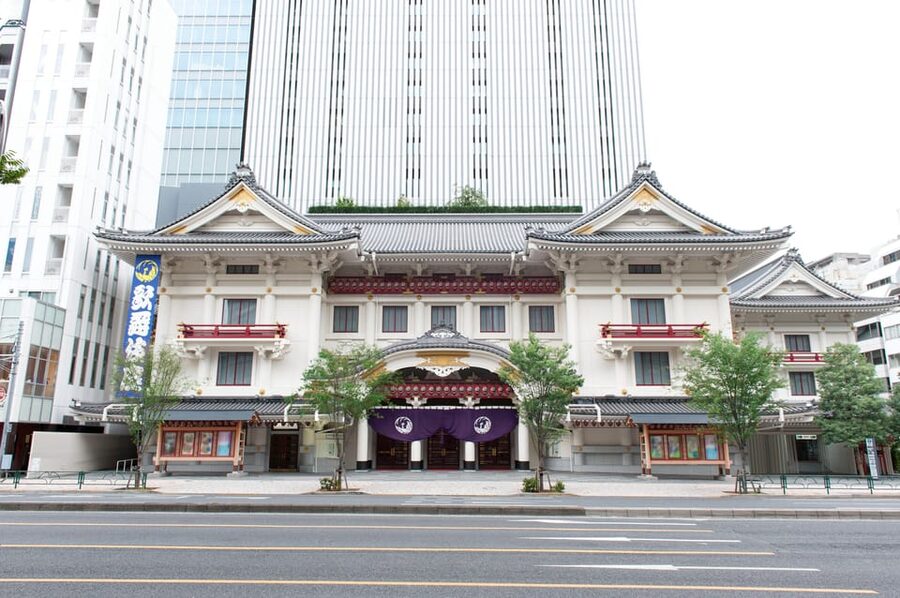
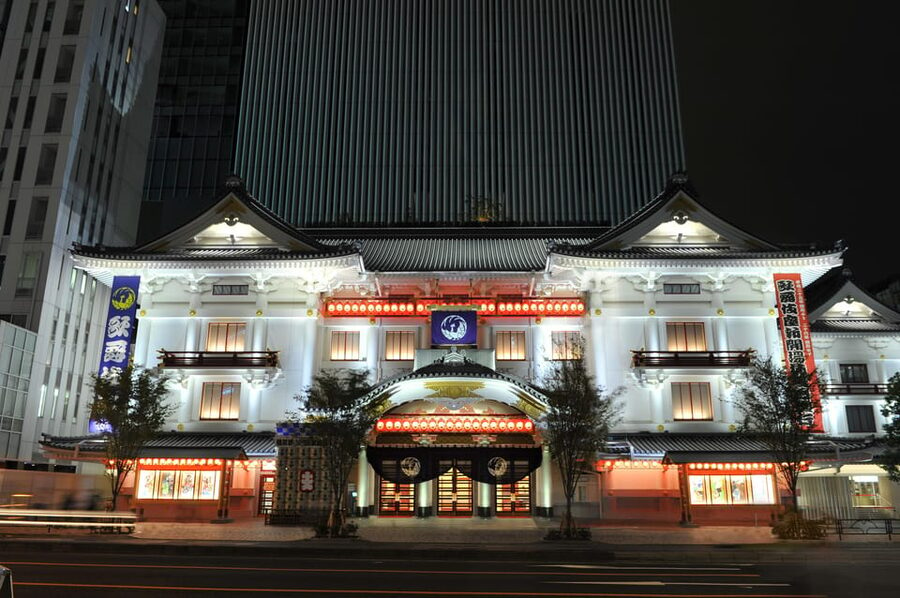
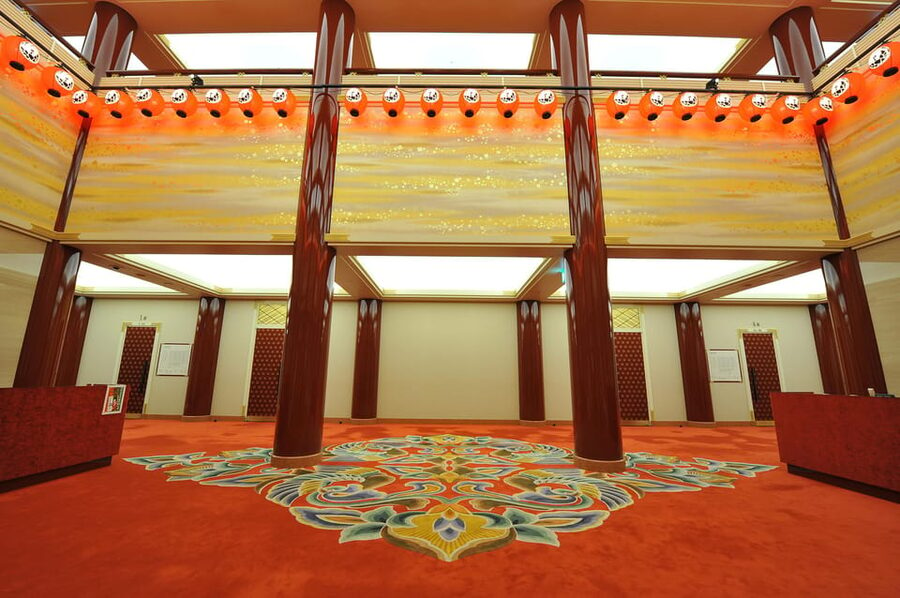
Kabukiza is in Ginza at 4-12-15 Ginza, Chuo-ku, close to the center of Tokyo. The theater itself is part of the experience. You are not being taken to a temporary tourist venue or a small demonstration set up for visitors. You are attending a working Kabuki theater with a program that changes throughout the year.
Doors open 30 minutes before the performance. Use that time. You need to collect the physical ticket, find the right entrance, locate your seat, and get comfortable before the curtain rises.
Your mobile or PDF voucher is not the admission ticket. You must exchange it at the venue box office on Basement Level 2. The box office is listed as open from 10:00 a.m. to 6:00 p.m. If you arrive after 6:00 p.m., go directly to the theater entrance as instructed.
This ticket arrangement is simple once you know it, but easy to miss when you are moving through Tokyo. I would not arrive just before the curtain. Give yourself enough time to find Basement Level 2 and complete the exchange without rushing.
What the monthly program can look like
The program changes every month, which is one of Kabuki’s great strengths and one of its planning challenges. You cannot assume that the show will be one continuous story from beginning to end.
A February matinee, for example, may combine a modern Kabuki piece called A Souvenir from Edo, a dance about a footman and a kite, a domestic play set in front of a theater, and The Snowbound Barrier, another dance work. The evening program may include scenes from The Chronicle of the Battle of Ichinotani, The Fox Praying for Rain, and a modern love triangle.
A March schedule may focus on the historical play The Return of the Evil Lady-in-Waiting Iwafuji in the matinee. The evening may pair a spring dance with Three Thieves Named Kichisa, a domestic drama.
These examples show why you should check the official program before booking. One month may give you several short works. Another may center on a longer historical play. The balance between drama and dance can also affect how much you enjoy the evening.
You do not need to be a specialist in Japanese theater. You do need to accept that Kabuki works at its own pace. If you enjoy classical theater, music, dance, or carefully controlled stage movement, you will have plenty to watch. If you prefer fast dialogue and a short plot, four hours may test your patience.
Reading the stage through movement and sound
The visual side of Kabuki is often the easiest way into the art form. Costumes can be elaborate, sets can change the mood quickly, and curtains and screens receive as much care as the performers. The makeup, gestures, and poses are designed to be read from the audience.
The live music gives the show its particular character. Shamisen playing, narration, singing, and other sounds do more than fill silence. They help set the pace and signal changes in feeling. You might not understand every word, but you can still follow the emotional shape of a scene through movement and sound.
Kabuki acting can look exaggerated to first-time viewers. That is not a flaw. It is part of the form. A strong pose may freeze a character’s emotion so the audience can see it clearly. A dance may tell a story through repeated gestures instead of ordinary conversation.
I especially like the contrast between control and spectacle. A performer may hold a precise pose, then shift into vigorous movement. The result is very different from naturalistic film acting. You are watching a tradition built around skill, timing, and inherited performance patterns.
More Theatre Shows in Tokyo:
- Seville: Live Flamenco Dancing Show Ticket at the Theater
★ 4.7 · 16,396 reviews - Barcelona: Flamenco Show at the Theater
★ 4.5 · 10,739 reviews - Malaga: Teatro Flamenco Malaga Live Flamenco Show
★ 4.7 · 4,254 reviews - Prague: WOW Show Black Light Theater
★ 4.0 · 3,990 reviews
Four hours, several sections, and useful breaks
The listed duration is about four hours. Actual matinee and evening schedules can run a little over four hours, depending on the month. One example matinee runs from 11:00 a.m. to 3:21 p.m., while an evening program may run from 4:30 p.m. to 9:02 p.m.
There is an intermission, and some programs have several breaks between works. This is good news. You can stretch, visit the facilities, check the shops, and reset your attention before the next piece.
You may bring food and drinks into the theater, and snacks and alcohol are available for purchase inside. This is worth planning around. A small meal or snack can make a long matinee much more comfortable, particularly if you are not ready to eat before the show.
Do not assume that the acts form one continuous narrative. A program may present three or four separate works, each with its own characters, setting, and mood. That variety is part of the appeal, but it is also why you should read the monthly schedule in advance.
Seats, captions, and comfort
You cannot select your exact seats through this reservation. That is the biggest practical compromise for a ticket costing $106 per person.
Some audience members find the seats tight or old-fashioned. If you need extra room or have trouble sitting for long periods, take this seriously. One person specifically suggested bringing a cushion. That may be useful, though you should still follow theater rules about what you bring inside.
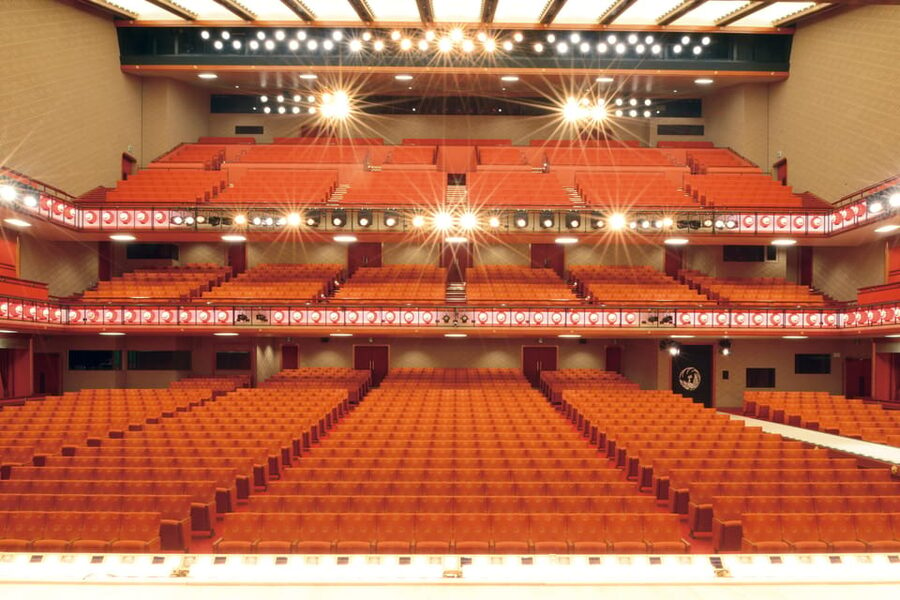
Seat location also affects how well you see facial expressions. Kabuki relies on the face, makeup, and controlled gestures, so a distant seat can make small details harder to catch. At the same time, a wider view can help you appreciate the entire stage picture, costumes, and choreography.
The caption system is a major help, but it is not the same as a live translator explaining everything in your ear. You must divide your attention between the screen and the stage. The captions are included in the ticket price, and they are available in English or simplified Chinese. The package is fixed, so you cannot switch to a Japanese audio guide or receive a refund if you decide not to use the captions.
The exhibition and Kabuki shopping
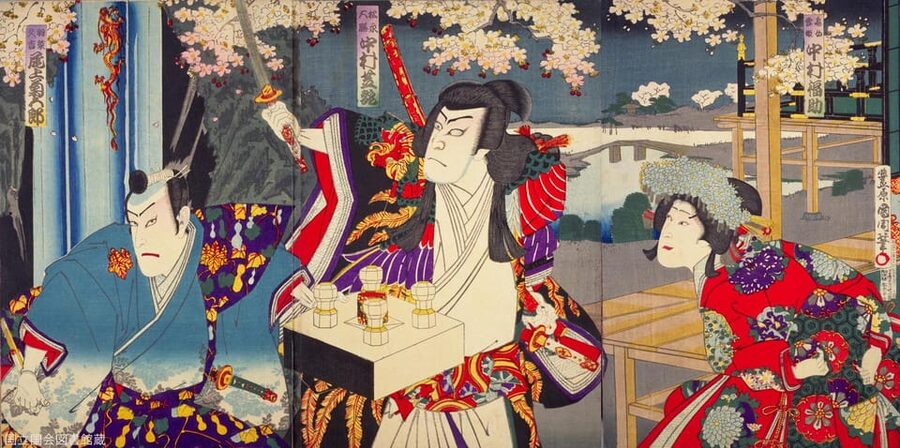
Before or after the show, make time for the permanent interactive exhibition. It provides an introduction to Kabuki’s history and stage traditions, which can make the performance easier to understand.
The second basement level also has a shopping center with Kabuki-related gifts and souvenirs. This is convenient, but check the timing. If you wait until the end of a late performance, some shops may already be closed.
The shopping area is best treated as an optional extra, not the reason to book the ticket. The main value is the performance itself. Still, the exhibition and shops help turn a demanding theater visit into a fuller stop in Ginza.
Is $106 a fair price?
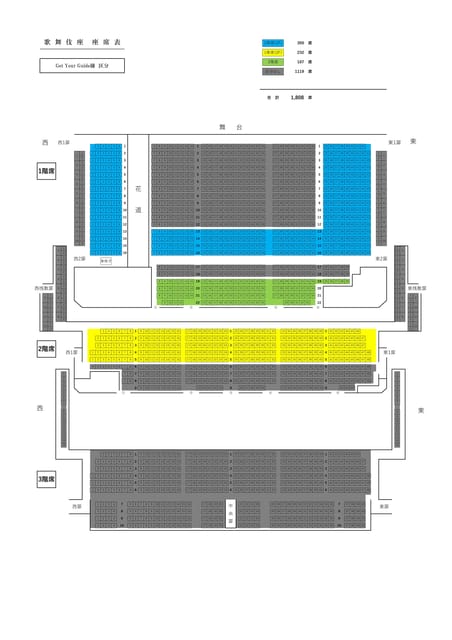
At $106, this is not a casual budget activity. You are paying for a formal Kabuki performance in the dedicated Kabukiza theater, along with the caption service and the chance to spend several hours with a traditional Japanese art form.
The value depends on how you travel. If you want a quick introduction, a short Kabuki performance elsewhere may cost less and take less time. If you want to see a full professional production in the main Kabuki setting, this ticket offers much more than a brief demonstration.
The captioning adds real value for non-Japanese speakers. So does the length, provided you actually want a full theater experience. A four-hour ticket is poor value if you dislike classical performance or plan to leave halfway through.
The fixed seating is the main reason I would hesitate at this price. You cannot choose your location, and comfort varies. Still, the quality of the acting, singing, dance, acrobatics, costumes, sets, and music can make the ticket worthwhile for visitors who care about traditional arts.
Who should book this experience?
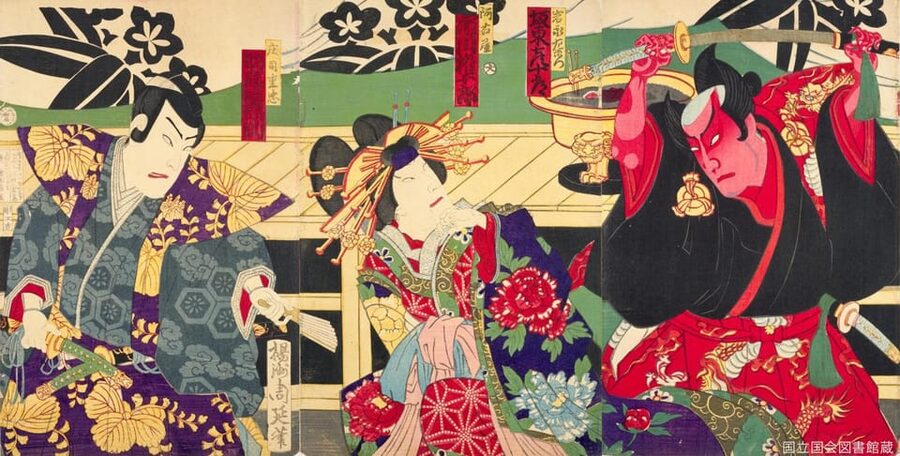
I would recommend Kabukiza to you if you enjoy theater, dance, music, costume design, or cultural experiences that require patience. It is also a strong choice if you want something more distinctive than Tokyo’s usual observation decks, shopping streets, and food stops.
You do not need prior Kabuki knowledge. The captions and the visual style give you a way in. A basic understanding of the monthly program will help, so read the titles and brief descriptions before you arrive.
I would be more cautious if you dislike classical theater, struggle with long seated performances, or need guaranteed seating space. The show is not designed as a short tourist presentation. It asks you to slow down and watch carefully.
Children under four are not suitable for this activity. For older children, the decision depends on their ability to sit through several hours and appreciate stylized performance.
Practical plan for your visit
Check the official Kabuki program before you reserve, since the schedule changes monthly. Pay special attention to the balance between historical plays, domestic dramas, modern Kabuki, and dance.
On the day, arrive early enough to exchange your voucher for the real ticket at the Basement Level 2 box office. The theater opens its doors 30 minutes before showtime, but that does not remove the need to allow time for ticket collection.
Bring a small snack if you prefer to have something familiar during the break. You can also buy food and alcohol inside. Wear something comfortable for sitting, and consider a cushion if long periods in firm seats bother you.
Treat the caption screen as a tool, not a second show. Read the basic plot beforehand if possible, then use the captions to clarify names, relationships, and key lines while giving your attention to the stage.
Should you book Kabukiza?
Book it if you want an authentic, full-length Kabuki experience and can spare four hours in Tokyo. The dedicated theater, changing monthly program, live music, elaborate stage work, and caption service make this one of the more substantial ways to encounter Japanese performance tradition.
Skip it if you want a short, casual activity or need complete control over your seat. At $106, it deserves a deliberate choice. For the right audience, though, Kabukiza offers a serious evening or afternoon of theater that you are unlikely to duplicate elsewhere.
FAQ
Where is Kabukiza Theatre located?
Kabukiza Theatre is in Tokyo’s Ginza area at 4-12-15 Ginza, Chuo-ku, Japan.
How long does the Kabuki experience last?
The listed duration is about four hours. Exact running times change by program, and the schedule can include intermissions between several works.
Is English translation available?
Yes. The ticket includes an English or simplified Chinese captioning service. The captions help you follow the performance if you do not understand Japanese.
Can I choose my seat?
No. You cannot specify your seats when making this reservation.
Where do I collect my ticket?
Exchange your PDF or mobile voucher for the physical ticket at the venue box office on Basement Level 2. The box office is listed as open from 10:00 a.m. to 6:00 p.m. If you arrive after 6:00 p.m., proceed directly to the theater entrance.
Can I bring food or drinks?
Yes. You may bring food and drinks into the theater. Snacks and alcohol are also available for purchase inside, which can be useful during the intermission.
Do Kabuki programs change?
Yes. Kabukiza presents a new program each month. Check the official Kabuki website for the current schedule and performance details before booking.
Just added around Tokyo
- Tokyo: Traditional Geisha Experience Show & Japanese Dinner★ 4.2 · 59 reviews
- Tokyo: Taishu Engeki Show with Kimono and Sword Lesson★ 5.0 · 12 reviews
- Tokyo: Rainbow Bridge Day Cruise Show Unlimited Soft Drinks★ 4.5 · 86 reviews
- Tokyo: Taiko Drum Experience in Kabukicho with Dinner★ 5.0 · 3 reviews
- Tokyo: KABUKI, BUNRAKU, etc. presented by National Theatre★ 4.6 · 135 reviews
- Tokyo: Know about Kabuki performing – Ginza Walking★ 4.2 · 3 reviews
- Tokyo: Learn about Japanese Traditional art KABUKI in Ginza★ 3.2 · 5 reviews
- Tokyo: Family Sumo Workshop & Live Wrestling Show with Lunch★ 4.9 · 99 reviews
Tokyo Shows, compared.
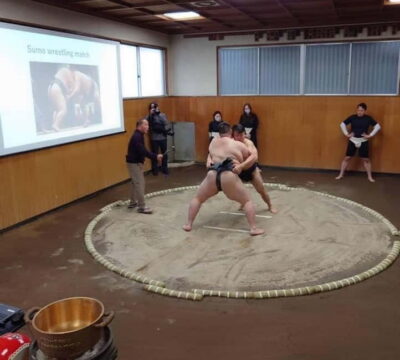
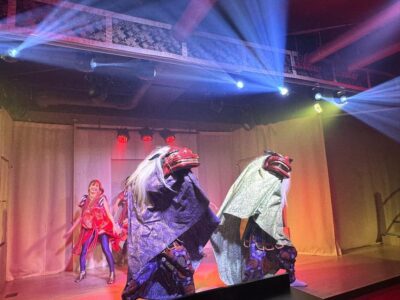
Japanese Dance Cabaret Theater Asakusa-Kaguwa Ticket
Read our review →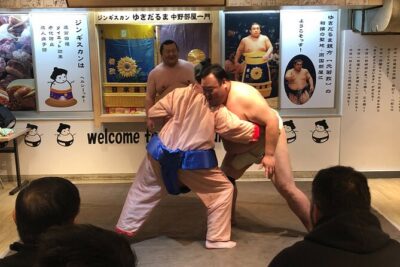
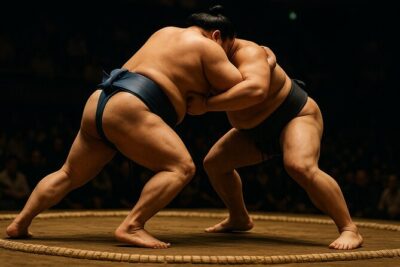
Tokyo Shinjuku Sumo Show & Experience with Photo
Read our review →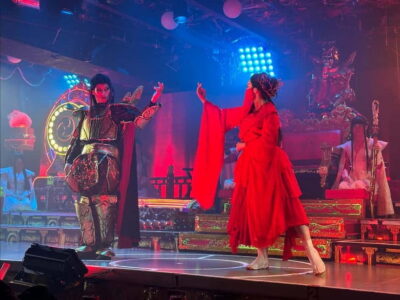

Mt Fuji & Hakone Cruise, Drum Show Bus 1 Day from Tokyo
Read our review →
Yakatabune Dinner Cruise with Japanese Show & Drinks
Read our review →Browse the lists this show appears in