
Review · TOKYO
Tokyo: Traditional Japanese Performing Arts Show and Dinner
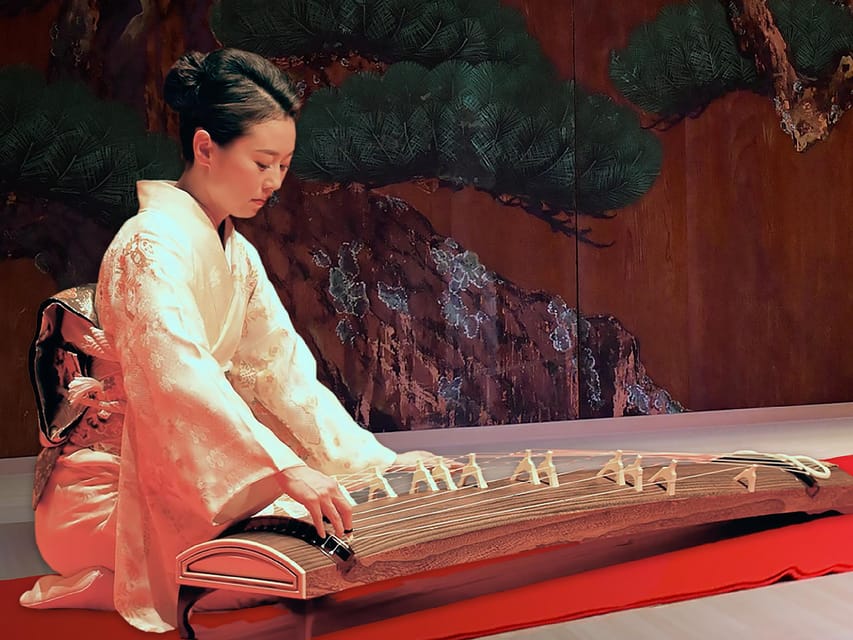
Tokyo: Traditional Japanese Performing Arts Show and Dinner brings together three things that can be hard to arrange separately: traditional Japanese performance, a carefully paced seasonal dinner, and an elegant setting filled with historic objects. SUIGIAN sits beneath Fukutoku Shrine in Nihonbashi, so the evening begins with a little sense of discovery before the first course arrives.
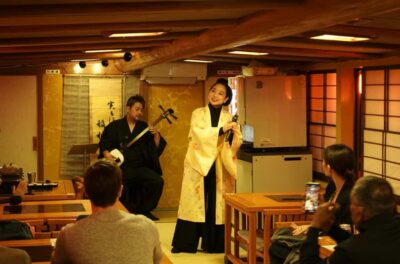
I like the close seating around the Noh-style stage, which helps you see the dancers, musicians, costumes, and gestures clearly. I also like the staff’s attention to explanation, with English guidance about the food, decorations, and performance. The main thing to consider is timing: this is a slow, ceremonial meal, and the performance portions are short, usually three segments of about 10 minutes each rather than one long theater show.
Key points to know
- Three short stage performances: Depending on the date, you’ll see kagura, ancient Shinto music and dance, or nihon-buyo, traditional Japanese dance.
- Seasonal omakase dinner: The chef chooses a changing menu built around fresh ingredients and bonito broth.
- Four seat options: Your selected seating category determines how close you are to the stage and how you watch the show.
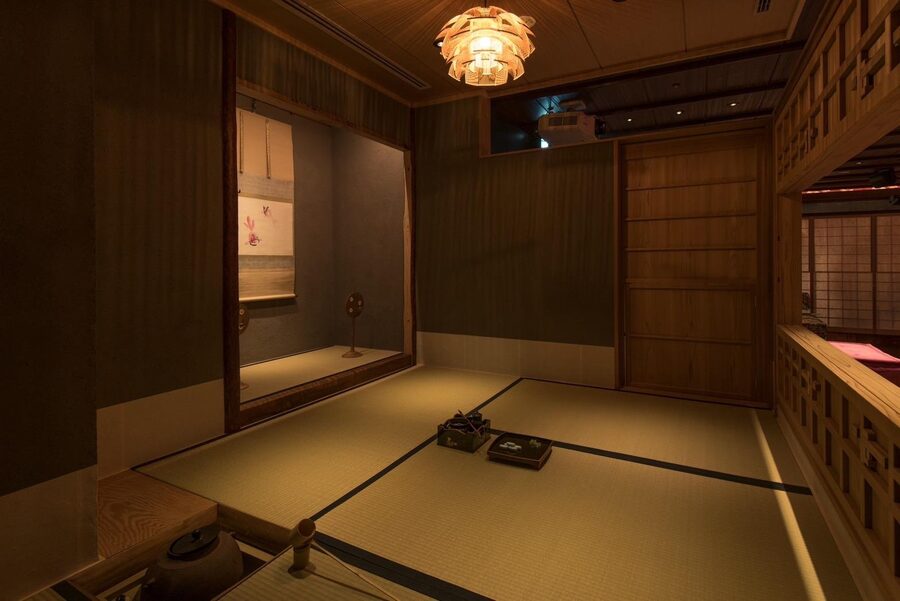
- A striking underground setting: SUIGIAN is below Fukutoku Shrine, with a Noh-style stage and traditional Japanese decor.
- English help is available: Staff explain the dishes and cultural details, which makes the evening easier to follow.
- Plan for a full evening: Allow two to three hours, and tell the restaurant about allergies or dietary restrictions before you arrive.
A quiet stage beneath Fukutoku Shrine
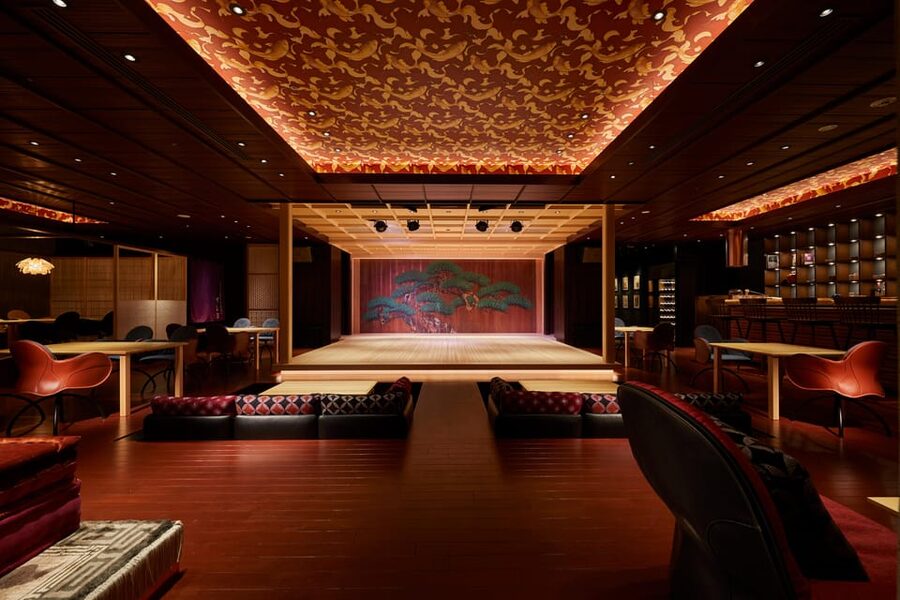
SUIGIAN is in the basement of Fukutoku Garden, at 2-5-10 Nihonbashi Muromachi. The entrance is near the historic Fukutoku Shrine, and the restaurant sits below the small forested shrine grounds and sculptures. This gives the evening a useful change of pace from Tokyo’s bright streets and crowded shopping areas.
The room combines modern polish with traditional detail. Its stage follows the Noh theater pattern, including a backdrop painted with an old pine tree. Trays and dishes with more than 350 years of history in Nagasaki are part of the dining presentation, so you are not simply eating in a room decorated with generic Japanese motifs.
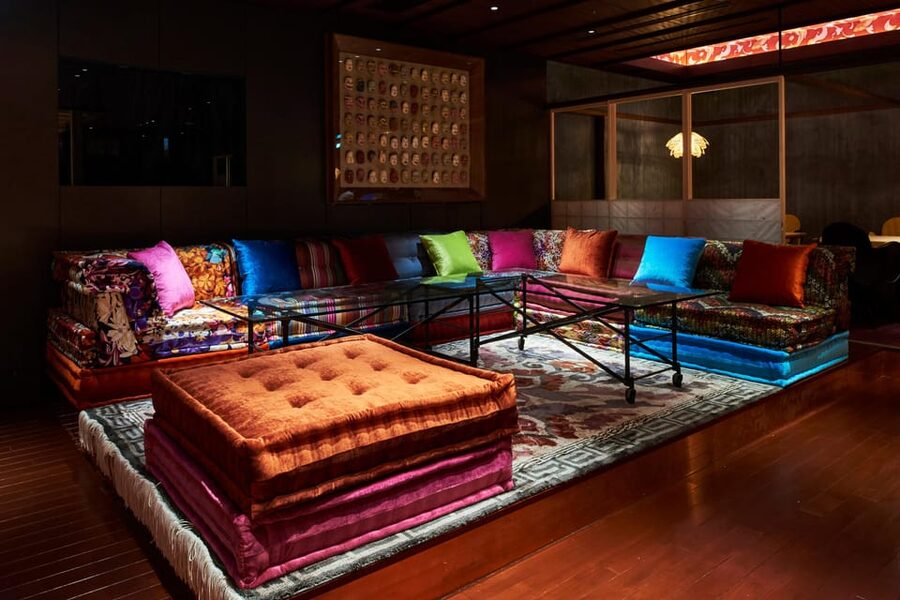
I appreciate that the room does not rely only on the show to create atmosphere. The food, tableware, stage, and explanations all contribute to the evening. You can look at the dishes between courses and notice that the setting itself is part of the cultural introduction.
The location is especially handy if you are already in central Tokyo. Mitsukoshi-mae Station is about a one-minute walk away from Exit A6, with access through the Coredo Muromachi 2 building at basement level. Shin-Nihonbashi Station is about six minutes away, while Tokyo Station is about 10 minutes on foot from the Nihombashiguch Exit.
One practical warning: the venue can be easy to miss. Enter from the corner of the park and look for the theater-style restaurant, rather than expecting a large street-level entrance. If you use a taxi, the ride from Tokyo Station takes about six minutes and costs approximately ¥600, depending on traffic.
More Cultural Shows in Japan
- Japanese Traditional Music Show in Tokyo
★ 5.0 · 72 reviews - Traditional Japanese Music ZAKURO SHOW in Tokyo
★ 5.0 · 67 reviews - Tokyo: Traditional Geisha Experience Show & Japanese Dinner
★ 4.2 · 59 reviews
Choosing between kagura and nihon-buyo
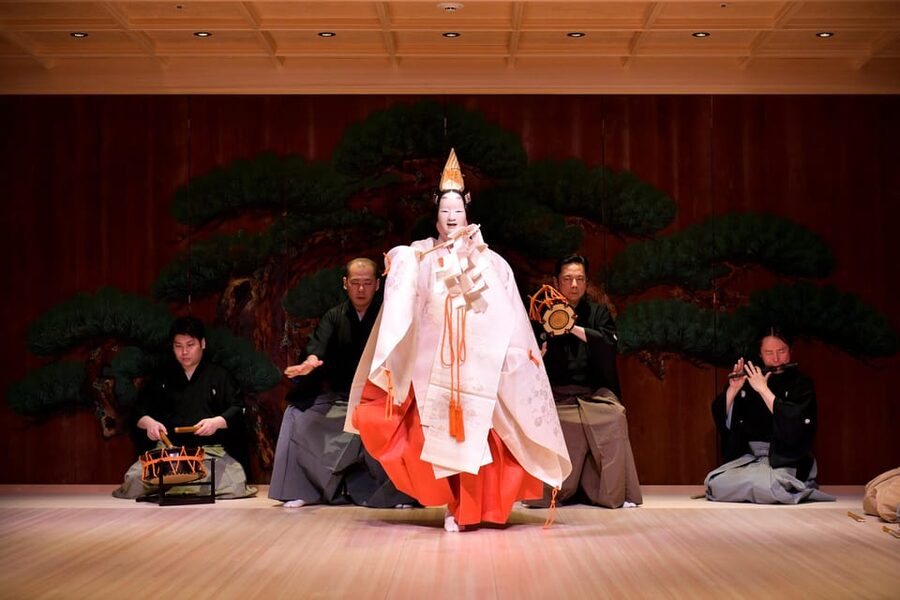
The program changes by date. On February 5, 10, 17, and 25, and March 10, 17, and 24, the regular performance is kagura, ancient Shinto music and dance. On the other February and March dates listed, the regular program is nihon-buyo, traditional Japanese dance.
You should check the calendar carefully before booking if one form interests you more than the other. Kagura connects the performance to Shinto ritual and ancient Japanese tradition. Nihon-buyo focuses on the controlled movement, poses, music, and storytelling associated with classical Japanese dance.
The schedule calls for three performances of roughly 10 minutes each, placed between parts of the meal. This format has two advantages. You get time to absorb each segment without sitting through a long performance you may not understand, and the pauses let the dinner proceed at an unhurried pace.
It also creates a possible mismatch in expectations. If you are looking for a full-length theater production, the live entertainment may feel brief. Some programs include a dancer, shamisen, and vocalist, while the precise content depends on the date. Think of the performance as one part of a cultural dinner, not the entire evening.
The stage’s compact design works well for this format. With four seat categories, you can choose how near you want to be. Close seating is useful if you want to watch facial expressions, hand movements, costume details, and musicians at close range. The performance is concise, but the setting gives it focus.
A seasonal dinner served at a deliberate pace
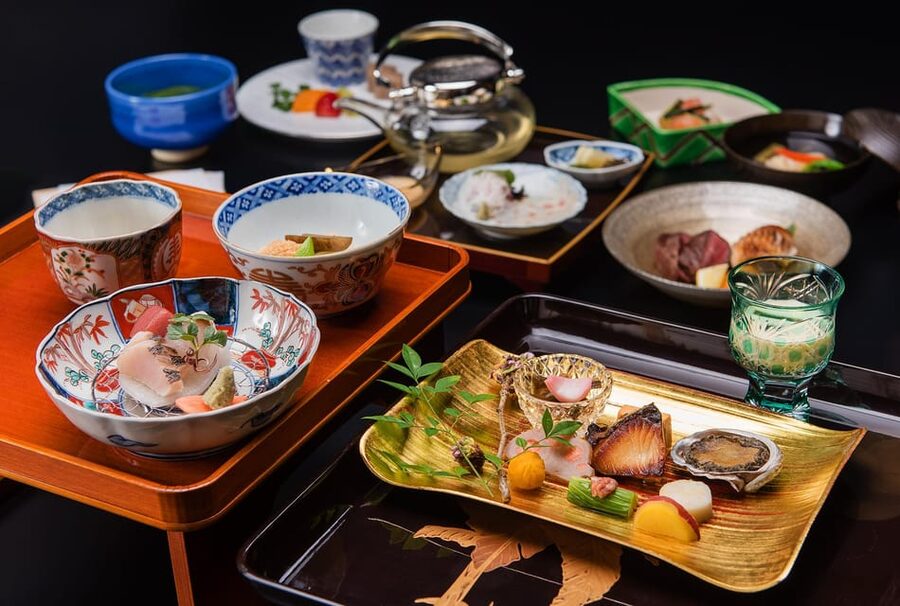
The meal is an omakase-style Japanese course dinner. That means the chef selects the menu, and the dishes change with the season. A typical sequence includes an appetizer, a first seasonal platter, soup, a later seasonal platter, a grilled Japanese beef dish, rice, dessert, matcha green tea, and dry sweets.
The dinner may be presented as a nine-course experience, with small portions arriving one at a time. This is not a quick pre-show meal. You should allow the staff time to explain each dish, clear the table, and bring the next course. The full experience takes about two to three hours.
I like this arrangement because the food has room to be noticed. Seasonal ingredients, careful plating, bonito broth, and traditional tableware all matter more when you are not rushing through dinner. The meal is also designed to connect with the calendar, so what appears on the plate depends on the time of year.
The menu may not suit every palate. Several courses can involve seafood, fish soup, and other flavors less familiar to some Western diners. If you enjoy trying Japanese food and are comfortable leaving the selection to the chef, this is a strong part of the evening. If you need plain food or prefer to choose every dish yourself, the omakase format requires more care.
Vegetarian, allergy-friendly, and other dietary requests must be given when you reserve. The restaurant may not be able to change the menu after you arrive if the kitchen has not been notified. Gluten-free needs have been accommodated for at least one diner, but you should still state every restriction in advance and confirm it with your companions.
Drinks beyond water are not included with the dinner. Budget for anything extra you want to order. That detail matters because the listed price covers the Japanese full-course meal, the performance, and your selected seat, not a complete drinks package.
What the three performance breaks feel like
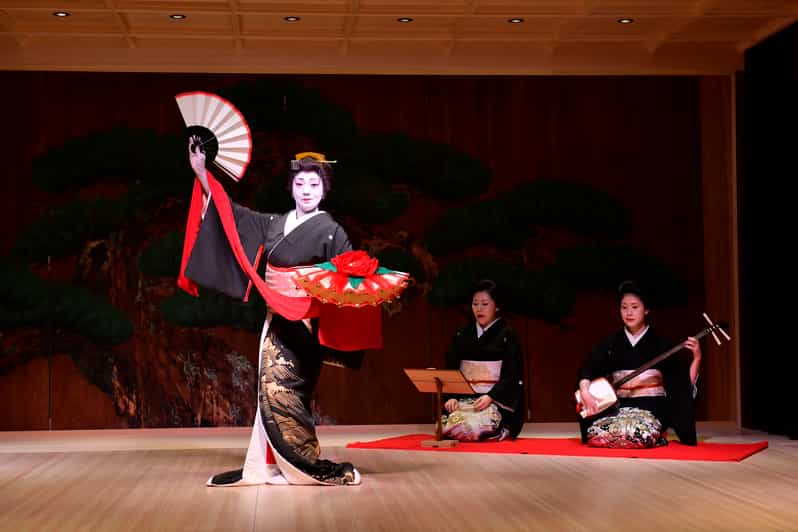
The show is divided into short sections rather than presented all at once. That rhythm keeps the meal from feeling like a standard dinner with music playing in the background. You stop eating, turn toward the stage, and watch a focused piece before returning to the next course.
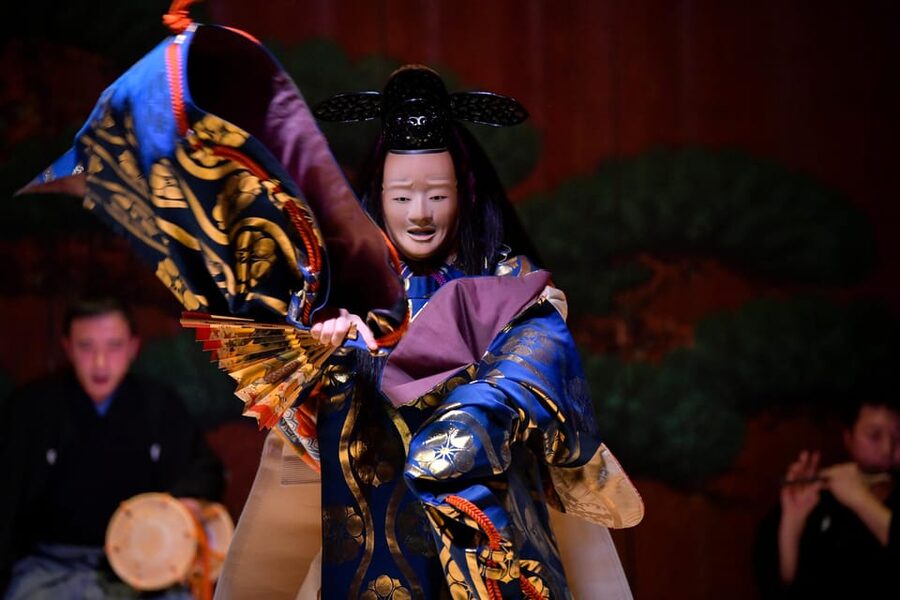
With nihon-buyo, pay attention to the small movements. Traditional Japanese dance often communicates through posture, sleeves, fan work, controlled steps, and repeated gestures rather than large theatrical motion. Even without understanding the words, you can follow changes in mood and action through the performer’s movement.
Kagura offers a different connection to Japanese culture. Its roots in Shinto music and dance give the program a ritual character. The performance is a useful introduction if you are visiting shrines and want to understand that Japanese religious tradition is also expressed through music, movement, costume, and ceremony.
The short format also helps if you are new to traditional arts. You will not need to maintain concentration for an entire evening of unfamiliar theater. English explanations of the food and performances add context, and staff can help explain the artwork and decorations in the room.
After the show, a commemorative photo with the performers may be arranged. It is a pleasant way to mark a birthday, anniversary, or special Tokyo evening. The photo is not the main reason to book, but it gives the night a clear ending and a personal souvenir.
More Cultural Shows in Tokyo
- Traditional Japanese Comedy, Juggling & Magic Live Show in Tokyo
★ 5.0 · 37 reviews - Tokyo: Traditional Asakusa Music Show with Dinner
★ 5.0 · 10 reviews - Tokyo: Learn about Japanese Traditional art KABUKI in Ginza
★ 3.2 · 5 reviews
Four seating choices and what they change
You can select from four available seat options. The exact differences depend on the booking category, but the basic point is simple: your choice affects how close you are to the stage and how directly you watch the performance.
If the show is your main reason for coming, choosing the closest available seating is sensible. You will have a clearer view of gestures and costume details, and the compact Noh-style stage should feel more immediate. If the meal matters more than the performance, a less expensive seat may offer better value.
The listed price is $140 per group up to one person, though the final amount can depend on the booking selection and date. That is a substantial dinner cost, but it covers more than food. You are paying for a seasonal course meal, an arranged performance, the venue, service, and cultural explanation in a central Tokyo location.
I would compare it with the cost of a high-end Japanese dinner plus a separate cultural show. Some diners have found the food comparable to meals they associate with Michelin-level dining, while others have felt that the entertainment time was shorter than expected. The value is strongest if you want both dinner and performance in one polished setting.
This is best treated as a special occasion rather than an everyday meal. Birthdays, anniversaries, a final night in Tokyo, or a quiet evening after several hectic sightseeing days are good fits. The staff can be especially attentive, and the slow pace gives you a chance to sit still for a while.
Getting there without a frustrating start
Mitsukoshi-mae Station is the easiest option. Use Tokyo Metro’s Ginza or Hanzomon Line and leave through Exit A6. The restaurant is about one minute away, near Coredo Muromachi 2 at basement level.
From JR Shin-Nihonbashi Station, allow about six minutes on foot. From Tokyo Station, the walk takes about 10 minutes from the Nihombashiguch Exit. By taxi, the restaurant is approximately six minutes from Tokyo Station.
Give yourself extra time if you are unfamiliar with the Nihonbashi area. The restaurant is underground, and the entrance is connected with the park and shrine setting rather than presented as a large, obvious theater facade. Finding the corner entrance before your reservation will help you arrive calm and ready for a long meal.
The venue is wheelchair accessible. Children under 10 are not permitted, so this is aimed at adults and older children.
Who will enjoy SUIGIAN most
I would recommend this experience to you if you want an introduction to Japanese arts without spending an entire day at a theater or museum. The dinner gives you a comfortable base, while the three short performances add real cultural content.
It also suits anyone who values presentation. The food is plated carefully, the tableware has a long Japanese history, and the room gives you plenty to look at between performances. Staff explanations are helpful if you do not know the difference between a seasonal platter, a Noh-style stage, kagura, and nihon-buyo.
You should think twice if you are hungry for a fast meal, dislike seafood, need a fully customizable menu, or want a long dance production. The evening moves slowly, and the chef controls the food selection. That is part of its appeal, but it is not a good match for every dining style.
The experience works well for couples and small groups. A larger group can also enjoy it, provided everyone understands the pace and menu style. The intimate stage means you do not need a huge production to feel close to the action.
Should you book this Tokyo dinner show?
Book it if you want one carefully planned evening of food, art, and atmosphere rather than a quick meal or a full theater performance. The location is central, the room is memorable, and the combination of seasonal cuisine with kagura or nihon-buyo is unusual.
Before paying, confirm the date’s performance type, choose your seat with care, and list every dietary restriction. Keep your expectations clear: the dinner is the main time commitment, while the performance comes in three short sections. For a special occasion and an authentic cultural introduction, that balance can be excellent value. If you mainly want extended live entertainment, spend your budget on a longer theater program instead.
FAQ
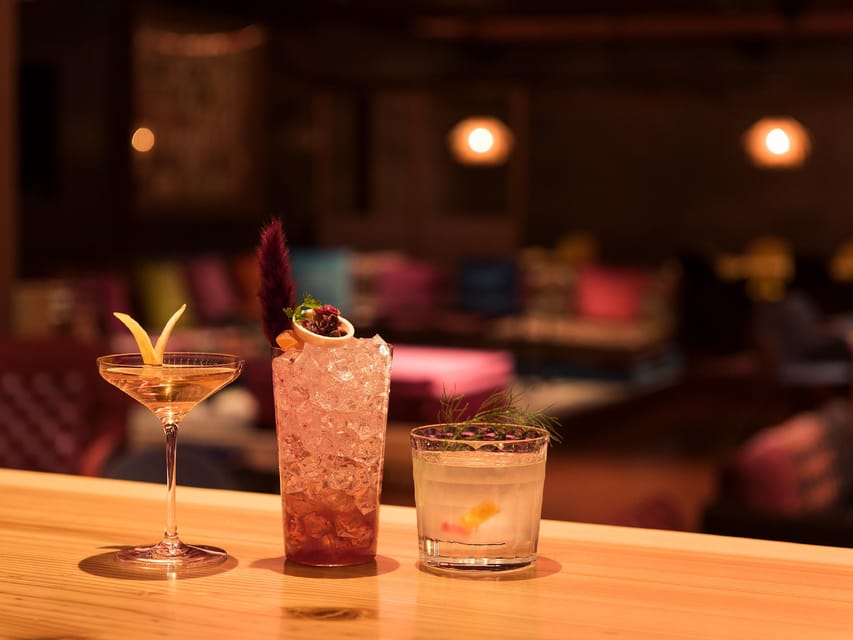
Where is the Tokyo traditional performing arts dinner held?
It is held at Theater Style Restaurant & Lounge SUIGIAN in Fukutoku Garden B1F, 2-5-10 Nihonbashi Muromachi, Chuo-ku, Tokyo.
How long does the experience last?
Allow approximately two to three hours for the dinner and performances.
Which traditional performances are offered?
The program offers either kagura, ancient Shinto music and dance, or nihon-buyo, traditional Japanese dance, depending on the date.
How many performances take place during dinner?
The scheduled program includes three performances, each lasting about 10 minutes.
What kind of food is served?
You receive a seasonal Japanese omakase course meal made with fresh ingredients and bonito broth. The meal usually includes appetizers, seasonal platters, soup, a grilled Japanese beef dish, rice, dessert, matcha tea, and dry sweets.
Are drinks included with the meal?
The included package covers the dinner, show, and seat assignment. Drinks other than water are not included.
Can dietary restrictions be accommodated?
You must tell the restaurant about allergies, vegetarian needs, or other dietary restrictions when making the reservation. Requests made only after arrival may not be possible to accommodate.
Is the venue suitable for children?
Children under 10 are not permitted.
Is SUIGIAN wheelchair accessible?
Yes, the activity information states that the venue is wheelchair accessible.
How do I reach SUIGIAN by train?
Take the Tokyo Metro Ginza or Hanzomon Line to Mitsukoshi-mae Station and use Exit A6. The restaurant is about a one-minute walk away. It is also about six minutes from JR Shin-Nihonbashi Station and about 10 minutes from Tokyo Station’s Nihombashiguch Exit.
Can I cancel the booking?
You can cancel up to 24 hours in advance for a full refund. A reserve-now-and-pay-later option is also available.
More Dinner Experiences in Tokyo
- Tokyo: Sumo Show and Dining Experience
★ 4.8 · 2,742 reviews - Tokyo: Yakatabune Dinner Cruise with Japanese Show & Drinks
★ 4.7 · 871 reviews - Tokyo Bay Yakatabune Dinner/Day Cruise with Japan Show and Drinks
★ 4.5 · 473 reviews - Tokyo Dinner Cruise & Tradition Show & Drinks & Tokyo Tower
★ 4.7 · 315 reviews
More Traditional and Cultural Shows in Tokyo
- Xcaret Park Entry Tickets with Cultural Night Show Included
★ 4.5 · 2,382 reviews - Xcaret Park Day Trip, transportation and Cultural Night Show
★ 4.5 · 1,899 reviews - Dubai: Tour with BBQ Dinner, Camel Ride, & Traditional Show
★ 4.8 · 1,687 reviews - From Krakow: Polish Folk Show with All-You-Can-Eat Dinner
★ 4.5 · 1,593 reviews
Just added around Tokyo
- Tokyo: Taishu Engeki Show with Kimono and Sword Lesson★ 5.0 · 12 reviews
- Tokyo: Traditional Geisha Experience Show & Japanese Dinner★ 4.2 · 59 reviews
- Tokyo: Rainbow Bridge Day Cruise Show Unlimited Soft Drinks★ 4.5 · 86 reviews
- Tokyo: Taiko Drum Experience in Kabukicho with Dinner★ 5.0 · 3 reviews
- Tokyo: Know about Kabuki performing – Ginza Walking★ 4.2 · 3 reviews
- Tokyo: Learn about Japanese Traditional art KABUKI in Ginza★ 3.2 · 5 reviews
- Tokyo: KABUKI, BUNRAKU, etc. presented by National Theatre★ 4.6 · 135 reviews
- Tokyo: Family Sumo Workshop & Live Wrestling Show with Lunch★ 4.9 · 99 reviews
Tokyo Shows, compared.
Japanese Dance Cabaret Theater Asakusa-Kaguwa Ticket
Read our review →
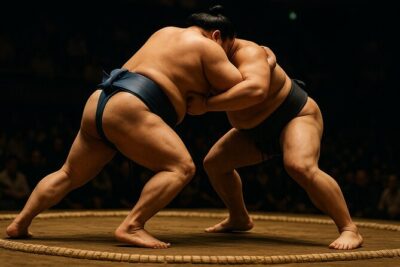
Tokyo Shinjuku Sumo Show & Experience with Photo
Read our review →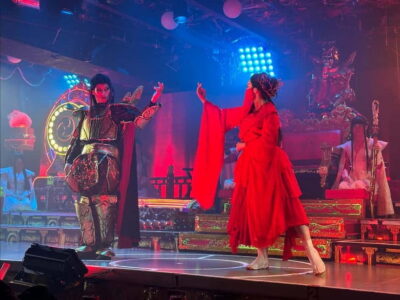
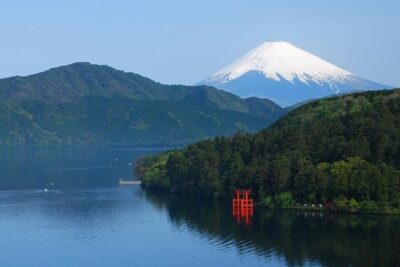
Mt Fuji & Hakone Cruise, Drum Show Bus 1 Day from Tokyo
Read our review →
Yakatabune Dinner Cruise with Japanese Show & Drinks
Read our review →Browse the lists this show appears in