
Review · KYOTO
1 Hour Geisha Show in Kyoto
Kyoto’s maiko performances are brief by design, but this experience gives you far more than a stage show. You watch two dances, meet the maiko face to face, ask questions through a translator, take photos, and play a traditional Japanese game. The small-group format makes the encounter feel personal, especially when guides such as Ai, Soichiro, Chihiro, or Genki keep the conversation moving.
I like the authentic tea-house option and the fact that you are not expected to sit silently through a long performance. I also like the clear cultural focus: green tea, explanations of maiko training, a Q&A, and time with the performer. The main drawback is value. At $79.59, some people will find one hour expensive, particularly because the actual dancing lasts only about 10 minutes.
Key points to know before booking
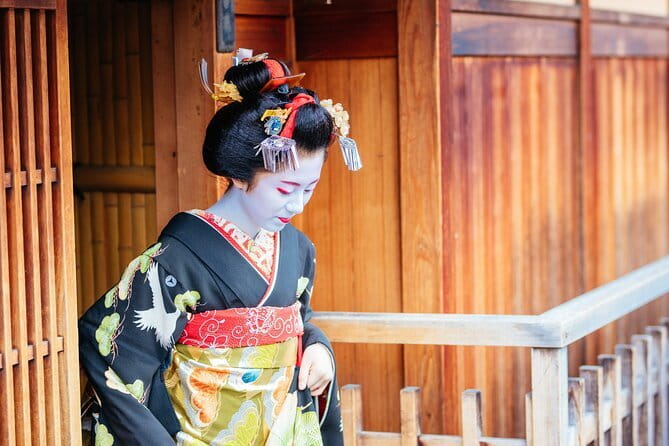
- Two short dances: The maiko does not perform for the full hour. The dances together take about 10 minutes, with the rest devoted to conversation, photos, and a game.
- Two possible venues: Choose between a traditional Kyo-Machiya tea house and a dedicated Gion Theater. Check the photos carefully before booking.
- Direct contact with a maiko: You can ask questions, take pictures, and learn about training and daily life through a professional translator.
- Kamishichiken setting: The experience is connected with one of Kyoto’s historic entertainment districts, rather than being a generic cultural show.
- Green tea is included: Extra drinks and food are not included, although some sessions may offer a small snack.
- Plan for schedule changes: Confirm the meeting time carefully and arrive early. Late entry rules may be strict, even if the show itself starts late.
What this Kyoto maiko experience really offers
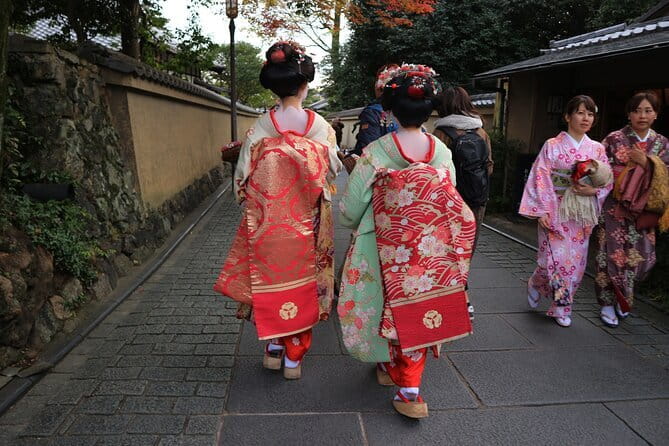
The word geisha can create the wrong expectation. This is not a full evening of music, dance, and formal dining. It is a compact cultural meeting built around a maiko, a young woman in training to become a geiko, the Kyoto term for a fully trained entertainer.
The format is simple. You meet at or near Kamishichiken Street, receive an introduction from your guide, watch two dances, and then take part in a question period, photo session, and traditional game. The entire visit lasts about one hour to one hour and 30 minutes, depending on the day and the flow of the activities.
That structure matters. A maiko performance takes years of training, and the short dances are meant to preserve the art rather than fill a long tourist program. If you expect a continuous show, you may feel shortchanged. If you see the dance as one part of a rare personal meeting, the program makes more sense.
The high rating of 4.9 from 452 reviews reflects how well the conversation and interaction work for most people. Guides are a major reason. Soichiro has been praised for his friendly English, humor, and calm handling of the group. Ai is described as warm and effective at translating. Chihiro has helped explain how to behave inside the tea house, while Genki has kept the group engaged and comfortable.
You are not simply watching from a distance. The guide explains what you are seeing, translates questions, and helps you understand customs that would otherwise be easy to miss.
A few more shows around Japan worth a look
- One Hour Geisha Show in Kyoto
★ 5.0 · 64 reviews - Madrid: 1-Hour Traditional Flamenco Show at Centro Cultural
★ 4.8 · 1,593 reviews - Dinner show in agafay Desert 1h quad bike & 20 min camels
★ 4.9 · 407 reviews
Choosing between the tea house and Gion Theater
You have two venue choices, and they create different moods.
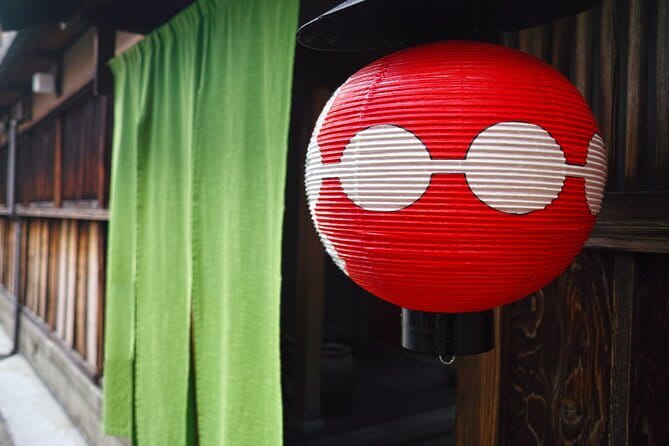
The Tea House option takes place inside an authentic Kyo-Machiya, a traditional Kyoto townhouse. This is the more atmospheric choice. The setting gives the visit a sense of place, with the maiko performing in a home-like environment rather than on a conventional stage.
Several elements add to that feeling: green tea, traditional furnishings, the close seating, and the presence of the tea-house owner. The setting is part of the experience, not just a backdrop. If you want to understand how old Kyoto customs fit into an intimate indoor space, this is likely the better match.
The tea house can also create a few practical problems. Seating arrangements may not give every person the same view. One visitor ended up in the middle of the tea table, with a poor angle for the dance. If the dance matters most to you, arrive early enough to follow seating instructions and ask politely if you cannot see.
The Gion Theater option is held in a dedicated showhouse. It may offer a more straightforward performance layout, but it does not provide the same Kyo-Machiya atmosphere. Study the booking photos before you choose. The two experiences are not identical simply because the schedule is similar.
Neither venue should be treated as a dinner show. Traditional green tea is included, but additional food and drinks are not. Some sessions have included a small snack, which children have enjoyed, but you should not book this expecting a meal.
Arriving in Kamishichiken
The itinerary centers on Kamishichiken Street, one of Kyoto’s traditional geisha districts. The meeting point is intended to be easy to find, but you should still allow time to get there. The show has a stated early-arrival requirement, and late entry may be restricted once the program begins.
One important caution deserves attention. A time change can happen close to the scheduled date. If that occurs, do not assume the operator will pick you up from a station or arrange a taxi. One booking problem involved a last-minute time change, an urgent rush to the new meeting time, and confusing enforcement of the late-entry rule.
The practical answer is simple: check your messages, confirm the final start time, and arrive at least 10 minutes early, with extra time if you are unfamiliar with the neighborhood. The tour is a mobile-ticket experience, so keep the ticket and meeting instructions available on your phone.
The group can reach a maximum of 25 people. That is not a private visit, but it is small enough for a guide to manage questions and photos. The room layout may affect your view, so your experience can depend partly on where you sit.
The maiko dances last about 10 minutes
The central performance includes two short dances, together lasting about 10 minutes. They are formal, controlled, and deliberately concise. The value is in the detail: the movements, costume, fan work, music, and discipline behind the performance.
Do not compare this with a theater production. You are not getting an hour of uninterrupted dancing. The maiko’s performance is a carefully presented part of a broader meeting, and the short length reflects the nature of the art.
I would advise you to watch closely rather than spend the whole time taking pictures. The dances are the most concentrated artistic portion of the visit, and the setting may give you a close view. Afterward, you have a separate photo session, so there is no need to hold your phone up for every movement.
Depending on the date, activities with the maiko can vary. The overall pattern remains a dance, conversation, photos, and a game, but the exact balance may change. That flexibility can make the experience feel natural, though it means you should not expect an identical script every time.
Same place, a different night out:
- Mt Fuji & Hakone Cruise, Drum Show Bullet Train 1 Day from Tokyo
★ 4.0 · 7,413 reviews - Tokyo: Sumo Show Experience with Chicken Hot Pot and a Photo
★ 4.8 · 6,678 reviews - Tokyo: Sumo Show and Dining Experience
★ 4.8 · 2,742 reviews - Tokyo: Japanese Dance Cabaret Theater Asakusa-Kaguwa Ticket
★ 4.8 · 2,270 reviews
The Q&A is where the experience comes alive
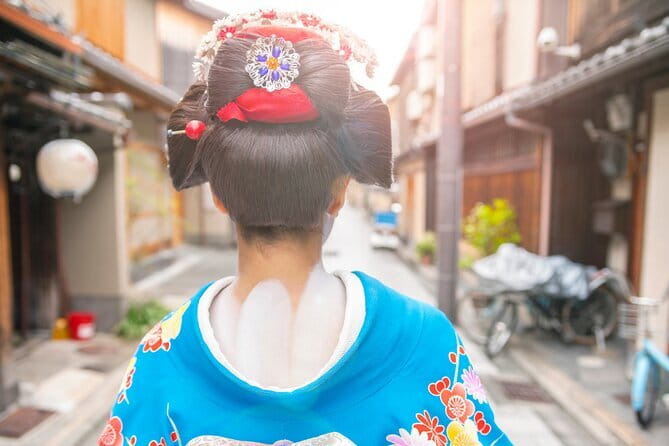
For many people, the question period is the strongest part. You can ask about maiko training, lifestyle, clothing, performance, and the traditions connected with the profession. The maiko answers through the guide, who translates and adds context.
This translation is essential. The encounter is designed for an international audience, and guides such as Soichiro, Ai, and Chihiro help turn a brief meeting into a real cultural explanation. A good guide also keeps the questions moving so one person does not use the entire session.
The conversation can be especially useful for families and first-time visitors. Children may not sit quietly through a long lecture, but the mix of dance, questions, photos, and a game gives them several ways to stay involved. Adults who want more background on geiko and maiko training also get a chance to ask direct questions instead of relying on a general museum display.
You should approach the Q&A respectfully. This is a person sharing her work and training, not a costumed character hired for casual entertainment. The guides help establish the right tone, but your own questions should be thoughtful and appropriate.
A traditional game and a relaxed photo session
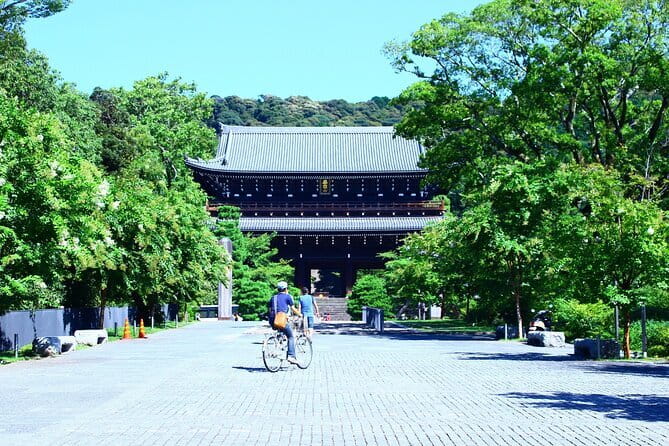
After the dance and Q&A, the group usually plays a traditional Japanese game with the maiko. This is not a major performance. It is a social activity that lets you see a more relaxed side of the visit.
The game has been a hit with families, and it gives children a clear role rather than leaving them as silent spectators. It also helps break up the formality of the dance and tea-house setting. The mood becomes lighter without losing the cultural purpose of the activity.
The photo session follows the same pattern. You get the chance to photograph the maiko and take pictures with her. The guides help manage the order, translation, and group flow.
Remember that a group of up to 25 people can take time to organize. If you want a particularly good photo, be ready when your turn comes. You should also check the venue’s instructions on photography when you arrive, since the supplied information does not promise unlimited photography during every part of the program.
What you learn about maiko and geiko culture
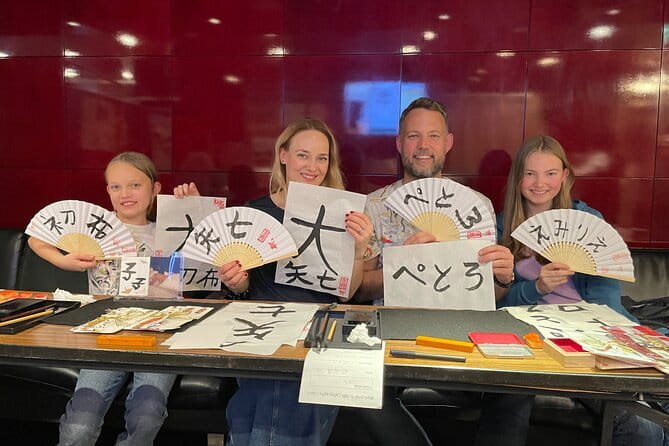
The educational side is not limited to a few facts about clothing. The explanations can cover training, performance, manners, the difference between maiko and geiko, and the role of traditional entertainment districts in Kyoto.
The number of active maiko is very small. The experience describes only about 40 remaining in Kyoto today, which helps explain why meeting one is difficult to arrange on your own. You are seeing a living tradition that has become rare, not a daily public show available on every street.
That rarity supports the price, but only up to a point. You are paying for access to a private venue, a direct meeting with an active maiko, a translator, green tea, and a structured cultural program. You are not paying for a long concert or a meal.
At $79.59 per person, I see this as a reasonable splurge for someone who places high value on personal contact and cultural explanation. It is less convincing for a person who mainly wants to watch dance. In that case, 10 minutes of performance may not feel like enough for the cost.
The experience works best when you treat every part as connected: the townhouse or theater, the tea, the guide’s explanation, the dances, the questions, the game, and the photographs.
Is the optional kimono rental worth considering?
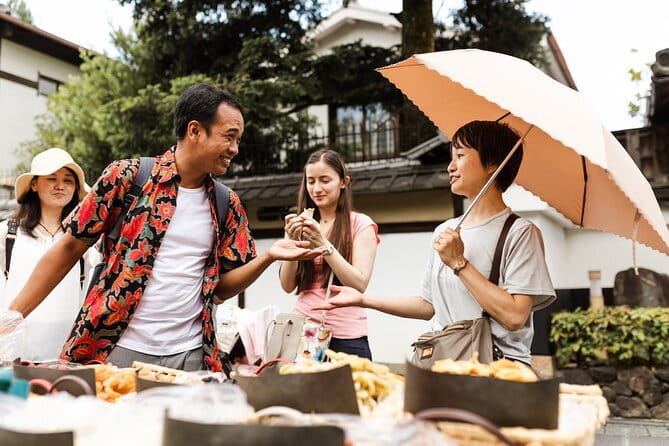
Some booking choices include kimono rental and a hair set. If you select that option, you must visit Kyoto Kimono Rental Mimosa before the show at 362-2 Masuyacho, Higashiyama Ward, Kyoto 605-0826.
The shop is open daily from 8:00 to 18:00. You go there on your own, tell the staff you are with GuideMe Japan, and provide your name. No extra payment is due at the shop because the rental and hair set are already included in the selected booking.
This option can make the visit feel more ceremonial, especially in a traditional tea-house setting. It also adds time and another location to your day, so do not choose it if you want the simplest possible schedule. The rental shop is not the meeting point for the show unless your booking instructions say otherwise.
Who should book this experience?
I would recommend it to you if you want a focused introduction to Kyoto’s geisha culture and prefer direct contact over a large stage production. It suits first-time visitors, families, photographers, and anyone who enjoys asking questions.
It is also a strong choice if you have limited time in Kyoto. In about an hour, you receive an explanation, a performance, a social activity, and photos. You do not need to commit to a full evening of formal entertainment.
Families should find the changing pace helpful. The dance provides the visual centerpiece, the Q&A gives adults more depth, and the game keeps younger children involved. The optional kimono rental can add fun, but it is not needed to enjoy the show.
I would hesitate if you dislike group activities, have a strict budget, or expect a long performance. The maximum group size is 25, seating can affect your view, and the short dance portion may leave you wanting more.
Free cancellation is available if you cancel at least 24 hours before the start time. Changes or cancellations inside that window are not accepted for a refund. Because the schedule can be adjusted, checking your messages before leaving for the venue is wise.
Should you book the one-hour geisha show?
Book it if meeting a maiko, asking direct questions, and seeing a traditional dance in a tea house sound more valuable to you than getting a long performance. The guide’s translation and cultural explanation are central strengths, and the game and photo session make the visit more personal than a simple stage show.
Skip it if your main goal is uninterrupted entertainment or the lowest possible price. At roughly $80, this is a special-interest cultural experience, not a bargain attraction.
My practical choice would be the Tea House option, provided the photos and meeting details suit your plans. Arrive early, check the final time, expect only about 10 minutes of dancing, and judge the price by the full encounter rather than the performance length alone. For the right visitor, it offers one of Kyoto’s rare chances to meet a maiko respectfully and up close.
FAQ
How long does the geisha show last?
The experience lasts about one hour to one hour and 30 minutes. The two dances together take about 10 minutes, with the remaining time used for explanations, questions, photos, and a traditional game.
How many people can join the experience?
The maximum group size is 25 people.
Is food and drink included?
Traditional Japanese green tea is included. Additional drinks and food are not included.
Where does the experience take place?
The activity is connected with Kamishichiken Street in Kyoto. Depending on the option you choose, it takes place in an authentic Kyo-Machiya tea house or at a dedicated Gion Theater showhouse.
Can I rent a kimono for the show?
Yes, a kimono rental and hair set option is available. You must visit Kyoto Kimono Rental Mimosa at 362-2 Masuyacho, Higashiyama Ward, Kyoto, before the show. The rental shop is open daily from 8:00 to 18:00.
What is the cancellation policy?
You can cancel for a full refund up to 24 hours before the experience start time. Cancellations or changes made less than 24 hours before the start time are not accepted for a refund.
Just added around Japan
- Authentic Kabuki Transformation & Mini Performance at Aioiza Gifu★ 4.5 · 3 reviews
- Kabuki Talk★ 5.0 · 10 reviews
- Tokyo: English Standup Comedy Night★ 5.0 · 4 reviews
- Experience the Asakusa Kabuki Opera Show!★ 5.0 · 99 reviews
- Tokyo: Taishu Engeki Show with Kimono and Sword Lesson★ 5.0 · 12 reviews
- Tokyo: Traditional Geisha Experience Show & Japanese Dinner★ 4.2 · 59 reviews
- Tokyo: Rainbow Bridge Day Cruise Show Unlimited Soft Drinks★ 4.5 · 86 reviews
- Tokyo: Taiko Drum Experience in Kabukicho with Dinner★ 5.0 · 3 reviews
Kyoto Shows, compared.
Kyoto Gion Cultural Walk & Geisha Show with Dining Options
Read our review →Kyoto Gion Cultural Walk & Geisha Show with Dining Options
Read our review →
Gion Walking Tour, Geisha Show and Japanese Game in Kyoto
Read our review →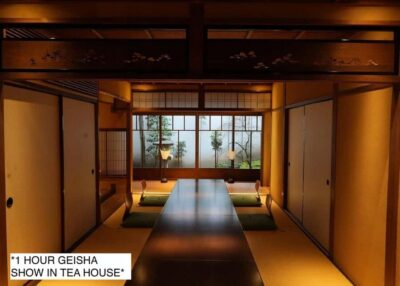
Browse the lists this show appears in