
Review · TOKYO
Tokyo: Learn about Japanese Traditional art KABUKI in Ginza
Kabuki may look difficult to understand from the outside, but this short Ginza walk gives you a clear introduction without asking you to commit to a full theater performance. You’ll visit the Kabukiza building and gallery, then browse souvenirs tied to Kabuki and Japanese craft. I like the focused 90-minute format, and I like the stop at historic Mitsukoshi Ginza, where the shopping has more polish than a standard tourist street.
The main caution is important: no Kabuki show is included. The experience is about exhibits, explanations, and shopping. Guide Nori has been warmly praised for being friendly, while another guest found the historical introduction too basic, possibly because of language difficulty. Set your expectations accordingly.
Key points at a glance
- Kabukiza Gallery gives you a compact introduction to Kabuki without requiring a theater ticket.
- The 90-minute route suits a tight Tokyo schedule and stays in central Ginza.
- An English-speaking guide leads the visit, with groups limited to nine people.
- Kabuki-only souvenirs include traditional accessories, sweets, and theater-related goods.
- Mitsukoshi Ginza adds a second cultural stop, with traditional crafts and high-quality Japanese goods.
- A Kabuki performance is not included, so this is an introduction, not a substitute for seeing the art on stage.
A Short Introduction to Kabuki in Central Ginza
This experience is designed for you if Kabuki interests you but a full performance does not fit your plans. In 90 minutes, the guide helps you look at Kabuki through exhibits at the Kabukiza complex rather than asking you to sit through a long production with unfamiliar conventions.
That makes the format practical. Kabuki has its own makeup, costumes, gestures, music, stage traditions, and storytelling style. A gallery visit can give you a first look at those elements. Still, the amount of detail depends heavily on the guide and on how much you already know. One English-language guest described the information as very basic, while another found the guide highly informative.
I would treat this as a starting point. You’ll come away with a better sense of what Kabuki is and why the Kabukiza theater matters. You should not expect a full lesson in Japanese theater history or a condensed performance.
More Cultural Shows in Japan
- Tokyo: Traditional Japanese Performing Arts Show and Dinner
★ 4.5 · 99 reviews - Japanese Traditional Music Show in Tokyo
★ 5.0 · 72 reviews - Traditional Japanese Music ZAKURO SHOW in Tokyo
★ 5.0 · 67 reviews
Meeting at Nissan Crossing
The meeting point is in front of Nissan Crossing, a recognizable location in Ginza. This matters because Ginza has many large buildings, polished shopping streets, and busy intersections. Meeting at a named landmark is easier than trying to find a small shop entrance.
The activity keeps you in one of Tokyo’s best-known central districts. Ginza is convenient for adding other plans before or after the tour, though this route itself is short and focused. Arrive ready to walk between the stops, and allow extra time around the meeting point if you are unfamiliar with the area.
The group is limited to nine people. That is small enough for a guide to answer questions and keep the walk together without the feel of a large bus tour. It also means the experience may feel more personal than a standard city excursion, though the quality of the explanation will still depend on the guide assigned that day.
Inside the Kabukiza Building and Gallery
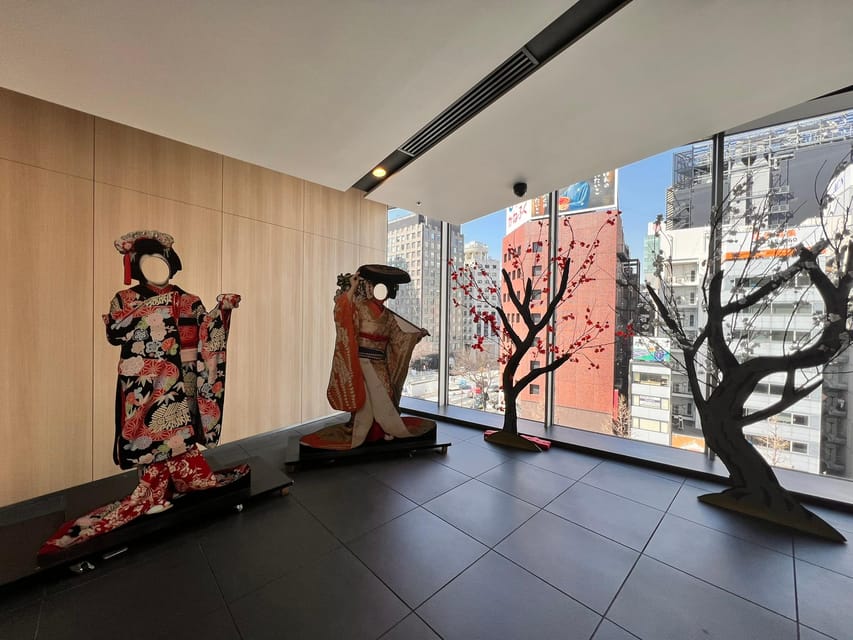
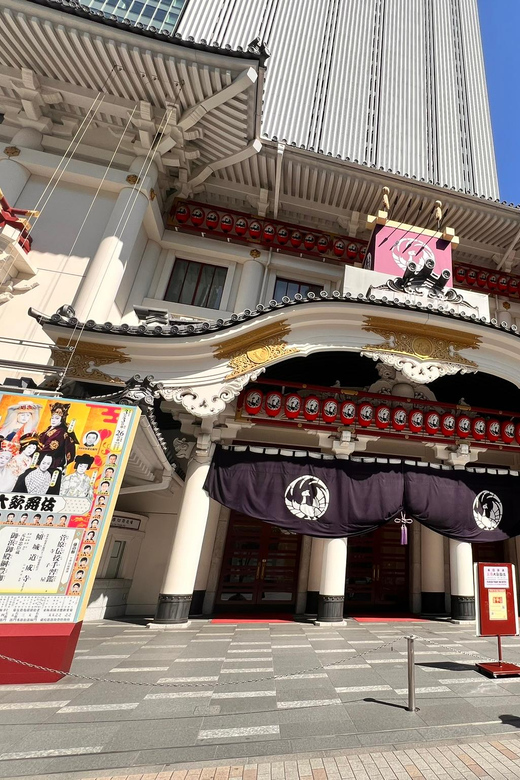
The first main stop is Kabukiza, the famous theater complex associated with Kabuki in Tokyo. Here, you tour exhibits with an English-speaking guide and learn the basic ideas behind the traditional performing art.
The gallery format is useful for visitors who want context before deciding if a performance is right for them. You may encounter displays connected with Kabuki costumes, stage presentation, characters, or other parts of the theater tradition. The supplied details do not promise a specific exhibit lineup, so think of this as a guided introduction rather than a fixed museum tour with a long list of guaranteed displays.
The guide is central to this part of the experience. A strong explanation can help you understand why Kabuki uses such distinctive visual styles and why the theater remains a major part of Japanese culture. The tour is conducted in English, but one guest felt the historical explanation was quite simple and wondered if language played a role. If you already know a fair amount about Kabuki, you may find the content too introductory.
I would prepare a few questions before arriving. Ask about the basic story structure, makeup, costumes, stage movement, or the difference between seeing a gallery exhibit and attending a performance. A small group gives you a reasonable chance to make the visit more useful for your own interests.
Why This Is Not a Kabuki Performance
The most important booking detail is also the easiest to miss: Kabuki viewing is not included. You are learning about Kabuki and seeing related exhibits, not watching a short stage show.
That distinction affects the value. If your main goal is to see actors in costume, hear the music, and watch the stage action, this activity will not meet that goal by itself. You would need to arrange a separate performance.
If your schedule is tight, though, the tour can still make sense. A full theater visit requires more planning and a larger time commitment. This experience offers a brief look at the art before you decide if a performance belongs on a future Tokyo trip.
I also think the clear boundary is helpful. The tour does not pretend that a gallery can replace a Kabuki production. You are paying for an explanation and a cultural walk, not a theater ticket. Just make sure everyone in your group understands that before booking.
More Cultural Shows in Tokyo
- Tokyo: Traditional Geisha Experience Show & Japanese Dinner
★ 4.2 · 59 reviews - Traditional Japanese Comedy, Juggling & Magic Live Show in Tokyo
★ 5.0 · 37 reviews - Tokyo: Traditional Asakusa Music Show with Dinner
★ 5.0 · 10 reviews
Kabuki Souvenirs You Can Find Only in This Area
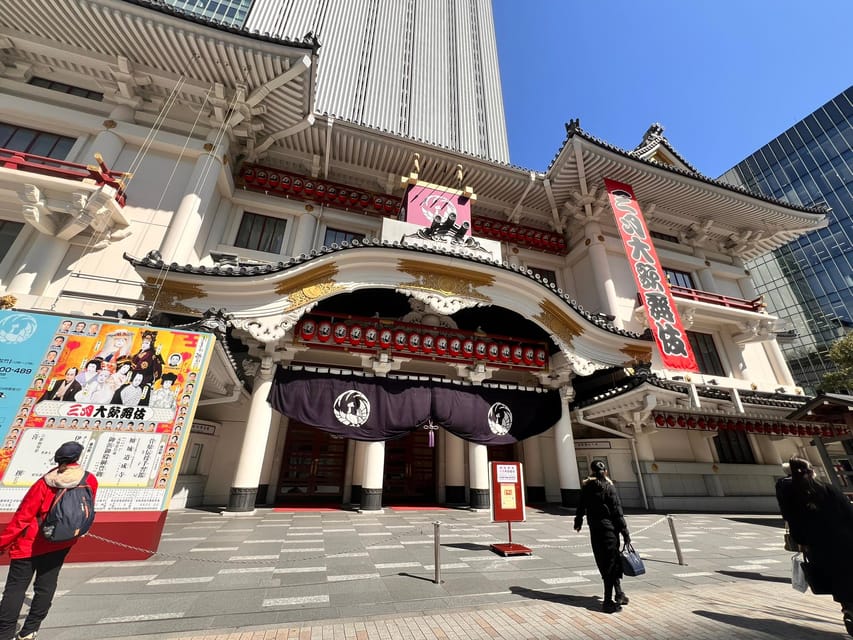
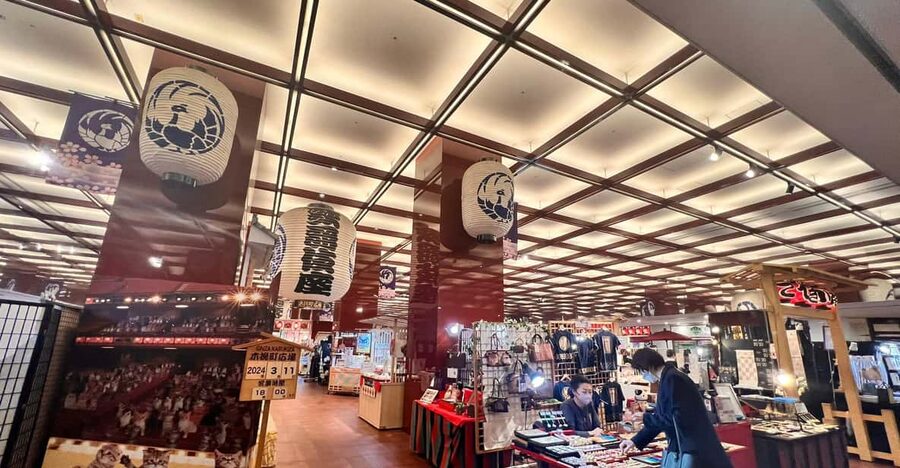
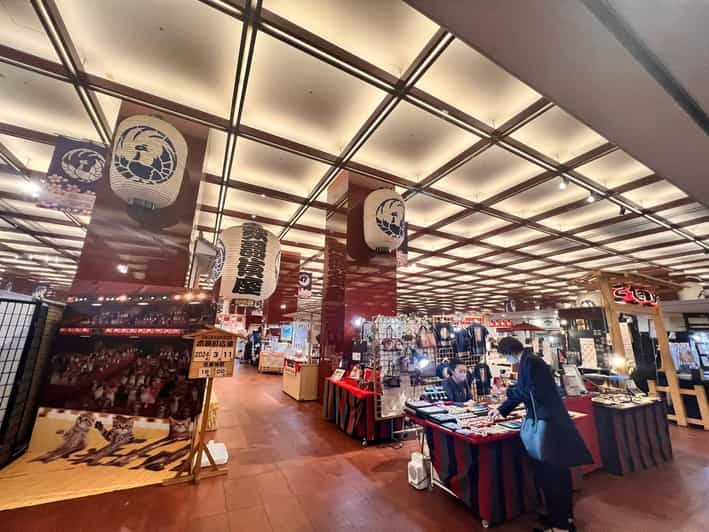
After the theater visit, the route includes souvenir shopping in stores found around Kabukiza. This is one of the more appealing parts for you if you want a small, useful reminder of Japan rather than a generic airport purchase.
The available items include Kabuki goods, Japanese accessories, and Japanese sweets. The information provided does not specify exact brands or products, and stock can change, but the focus is clear: these are items connected to the theater and the surrounding Ginza culture.
I like this stop because shopping becomes part of the cultural explanation. A guide can point out what relates to Kabuki and what makes a particular item suitable as a gift. You may find the selection more interesting if you want something that recalls the theater rather than simply carrying a Tokyo logo.
Keep your spending separate from the tour price. Shopping costs are not included, and your total depends entirely on what you choose. You can browse without buying, so there is no need to feel pressured to spend. If you collect Japanese sweets, small accessories, or traditional-style goods, bring room in your bag.
Mitsukoshi Ginza and More Formal Japanese Shopping
The second major stop is Mitsukoshi Ginza, a department store with more than 350 years of history. It is presented as Japan’s oldest department store, and the Ginza branch gives the tour a different angle on Japanese culture.
Kabukiza offers a direct link to traditional theater. Mitsukoshi shows how Japanese craft and design appear in a refined department-store setting. You may find high-quality traditional crafts and other carefully presented goods. The experience is less about bargain hunting and more about seeing the standard of finish associated with premium Japanese shopping.
This stop is useful even if you do not intend to buy anything. Department stores in Japan can serve as showcases for food, gifts, crafts, and everyday design. At Mitsukoshi, the atmosphere is likely to feel more polished than the small souvenir shops near the theater.
It is also a good place to compare different kinds of souvenirs. Around Kabukiza, you can look for items with a direct Kabuki connection. At Mitsukoshi, you may find traditional crafts with a broader Japanese identity. The tour gives you both options within a short period.
The tradeoff is that a department store visit may not feel as intimate or unusual as a small specialist shop. If you prefer tiny workshops or neighborhood markets, this part may seem formal. If you want a reliable look at quality Japanese goods in a central location, it earns its place on the route.
What the $51 Price Really Covers
At $51 per person, this is not a low-cost sightseeing walk. The fee pays for a 90-minute guided experience in a central Tokyo district, with an English-speaking guide and a group capped at nine people. It does not cover shopping or a Kabuki performance.
The value depends on what you want from the visit. If you would otherwise wander around Ginza without understanding Kabukiza or its connection to traditional theater, the guide adds useful structure. You also get a planned route linking the theater area with Mitsukoshi, rather than having to research both stops yourself.
The price is harder to justify if you mainly want to see the building from outside or browse the shops. You can do some of that independently. It is also less attractive if you expect stage entertainment, because a performance is excluded.
For me, the strongest value is the small group and the time savings. Nine or fewer people is a manageable size, and the 90-minute length leaves most of your day open. The experience works best as a focused cultural add-on, not as your only Kabuki activity in Tokyo.
The Guide Makes the Difference
The guide’s role matters more here than it would on a simple sightseeing walk. The stops are compact, and the information is what turns them into a cultural experience.
Guide Nori has been specifically praised for being friendly. Another English-language participant described the guide as informative. At the same time, one guest found the Kabuki history introduction unimpressive and basic. These different reactions suggest that you should expect a general introduction rather than an advanced lecture.
That is not necessarily a flaw. Many people visiting Japan have never encountered Kabuki before, and basic information can be exactly what they need. You’ll probably get the most from the tour if you ask questions and tell the guide what interests you.
If you are a serious theater fan, set a lower bar for depth. The tour gives you an entry point, but the supplied information does not promise specialist commentary, backstage access, or a detailed theater seminar.
Who Will Get the Most From This Ginza Walk
I would recommend this experience to first-time visitors who want a quick look at a major Japanese art form. It also suits couples, families, and solo visitors who prefer a guide when entering a subject they do not know well.
The tour is especially useful for you if:
- You have only 90 minutes available in Ginza.
- You want an English-language explanation.
- You are curious about Kabuki but do not have time for a full performance.
- You enjoy Japanese souvenirs, sweets, accessories, and crafts.
- You prefer a small group rather than a large organized tour.
I would be more cautious if your main reason for booking is to watch Kabuki. You will need a separate theater ticket. I would also think twice if you already have strong knowledge of Kabuki and want detailed historical or artistic analysis.
The route may appeal to shoppers as much as theater fans. The combination of Kabukiza goods and Mitsukoshi crafts gives you two different views of Japanese design in one short outing.
Timing, Flexibility, and Practical Details
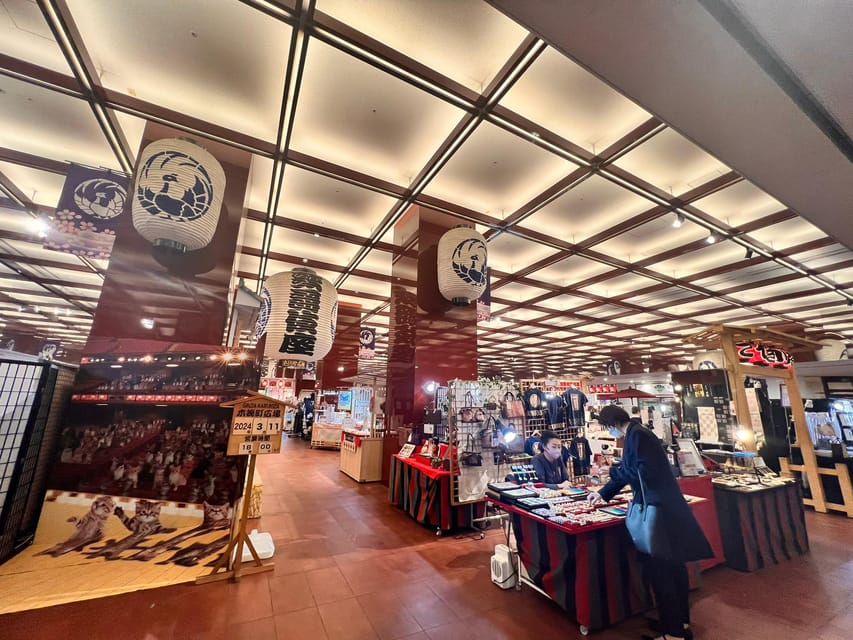
The tour lasts 90 minutes, with starting times available according to the date you select. Check the available time before booking so it fits cleanly between meals, museum visits, or other Ginza plans.
You meet in front of Nissan Crossing and join a live English-language tour. The group is limited to nine participants. Shopping costs are extra, and there is no included Kabuki viewing.
The booking terms are flexible. You can cancel up to 24 hours in advance for a full refund, and you can reserve now while paying later. Those policies are useful if your Tokyo schedule is still changing, but they do not change the basic need to confirm the start time and meeting point.
Since the tour combines indoor cultural stops with walking around Ginza, wear comfortable shoes. That is practical advice rather than a special requirement, since exact walking details are not provided.
Should You Book This Kabuki Experience?
Book it if you want a short, guided introduction to Kabuki and like the idea of pairing the theater district with Japanese shopping. The small group, central location, English guide, and 90-minute schedule make it easy to add to a busy Tokyo itinerary.
Do not book it expecting a performance. The experience is about Kabukiza exhibits, explanations, souvenirs, and Mitsukoshi Ginza. If you understand that difference, $51 can be fair for the structure and guidance, especially if you want someone to connect the stops for you.
For a first glimpse of Kabuki, I think it is a sensible choice. For serious theater fans, it is better viewed as a primer before arranging a separate show.
FAQ
Is a Kabuki performance included?
No. Kabuki viewing is not included. The activity focuses on learning about Kabuki through exhibits and a guided visit around Kabukiza.
How long does the activity last?
The experience lasts 90 minutes.
What language is the tour conducted in?
The live tour guide speaks English.
How large is the group?
The tour is a small-group experience limited to nine participants.
Where is the meeting point?
You meet in front of Nissan Crossing in Ginza.
Does the price include shopping?
No. Purchases at each store are separate and depend on what you decide to buy.
Which places does the tour visit?
The route includes the Kabukiza building and gallery, nearby Kabuki souvenir shops, and Mitsukoshi Ginza.
Can I cancel for a full refund?
Yes. You can cancel up to 24 hours in advance for a full refund.
More Traditional and Cultural Shows in Tokyo
- Xcaret Park Entry Tickets with Cultural Night Show Included
★ 4.5 · 2,382 reviews - Xcaret Park Day Trip, transportation and Cultural Night Show
★ 4.5 · 1,899 reviews - Dubai: Tour with BBQ Dinner, Camel Ride, & Traditional Show
★ 4.8 · 1,687 reviews - From Krakow: Polish Folk Show with All-You-Can-Eat Dinner
★ 4.5 · 1,593 reviews
Just added around Tokyo
- Tokyo: Taishu Engeki Show with Kimono and Sword Lesson★ 5.0 · 12 reviews
- Tokyo: Traditional Geisha Experience Show & Japanese Dinner★ 4.2 · 59 reviews
- Tokyo: Rainbow Bridge Day Cruise Show Unlimited Soft Drinks★ 4.5 · 86 reviews
- Tokyo: Taiko Drum Experience in Kabukicho with Dinner★ 5.0 · 3 reviews
- Tokyo: KABUKI, BUNRAKU, etc. presented by National Theatre★ 4.6 · 135 reviews
- Tokyo: Know about Kabuki performing – Ginza Walking★ 4.2 · 3 reviews
- Tokyo: Japanese Style Variety Show with Dance,Magic & Dinner★ 4.5 · 13 reviews
- Tokyo: Family Sumo Workshop & Live Wrestling Show with Lunch★ 4.9 · 99 reviews
Tokyo Shows, compared.
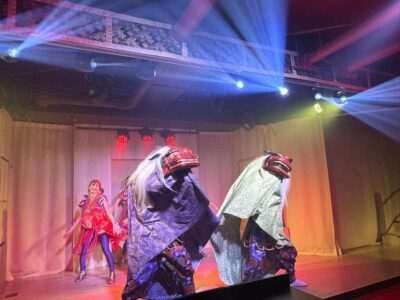
Japanese Dance Cabaret Theater Asakusa-Kaguwa Ticket
Read our review →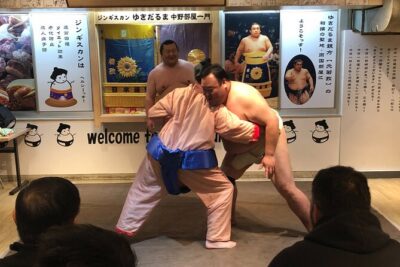
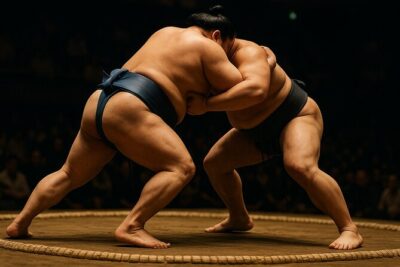
Tokyo Shinjuku Sumo Show & Experience with Photo
Read our review →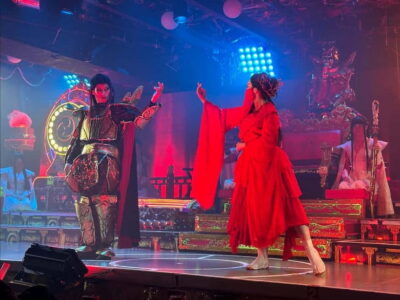
Mt Fuji & Hakone Cruise, Drum Show Bus 1 Day from Tokyo
Read our review →
Yakatabune Dinner Cruise with Japanese Show & Drinks
Read our review →Browse the lists this show appears in