
Review · TOKYO
Tokyo: Traditional Geisha Experience Show & Japanese Dinner
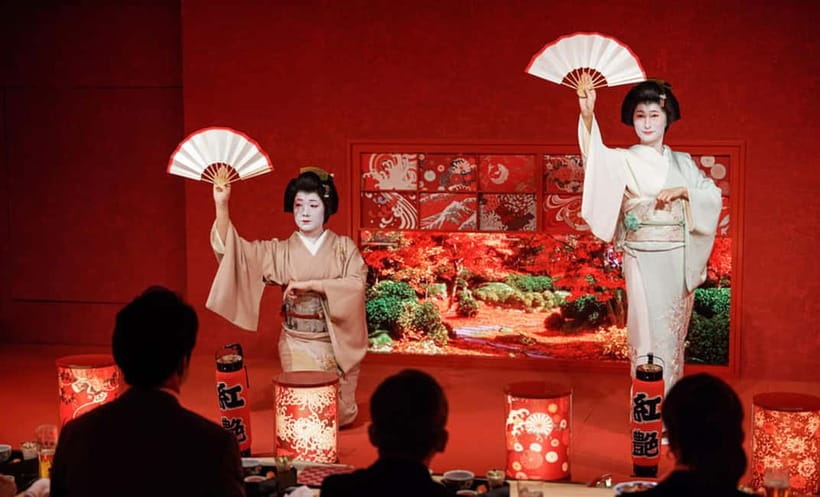
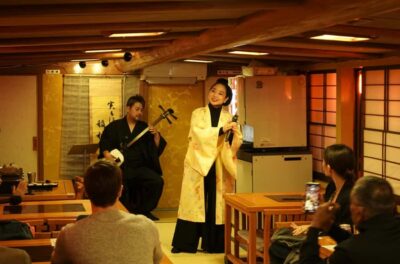
Tokyo’s Benitsuya offers something unusually hard to arrange on your own: a close-up geisha performance in a traditional zashiki tatami room, followed by games, conversation, and photographs. The setting is intimate, with crimson walls and classic Japanese decor rather than a large theater stage.
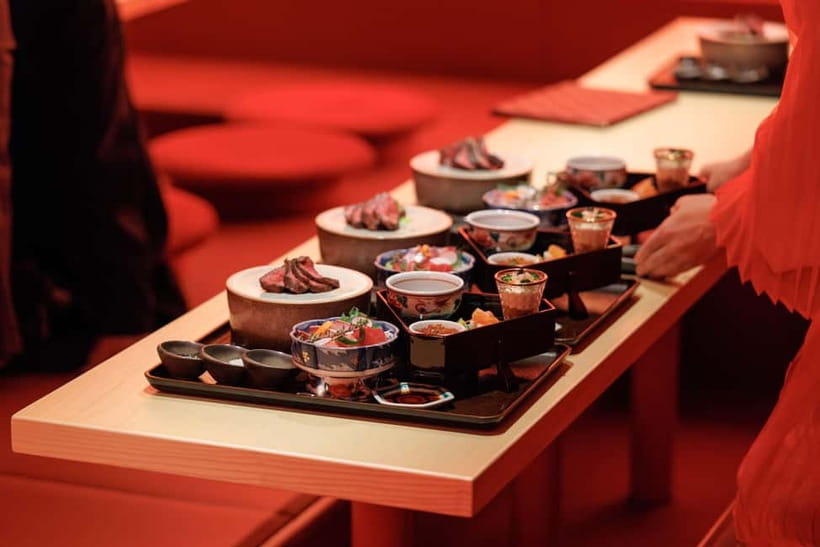
I like the Kyoto-style seasonal kaiseki dinner, which gives the evening more substance than a short cultural demonstration. I also like the chance to play ozashiki games and ask questions with help from English-speaking staff. The main drawback is the 90-minute limit. You get a concentrated introduction, not a long evening of geisha entertainment or a full lesson in their world.
Key points to know
- A rare public geisha experience: Benitsuya normally requires a special introduction for first-time visitors, but this booking opens the setting to anyone age 20 or older.
- Dinner is part of the experience: Your meal includes seasonal Japanese delicacies prepared in a Kyoto-inspired kaiseki style.
- The performance is close and personal: Expect traditional dance and live shamisen music in a small tatami room.
- Ozashiki games add real interaction: You do more than watch, with time to play traditional Japanese party games and speak with the geisha.
- Shimbashi access is excellent: Benitsuya is about one minute from Shimbashi Station, near the west exit and Shimbashi SL Square.
- English support reduces the cultural guesswork: Staff help explain what is happening and make conversation easier.
Entering Benitsuya on the sixth floor
The evening begins at Grand Hammer, a building about one minute from Shimbashi Station. From the station, use west exit 7 and look toward Shimbashi SL Square. Once inside Grand Hammer, go to the sixth floor, where you’ll find Benitsuya, written in Japanese as 紅艶.
This location is a real advantage. Shimbashi is central, and the short walk matters after a full day of Tokyo sightseeing. You do not need to set aside an entire evening for transportation, and the meeting point is close enough to the station to be practical in poor weather.
Benitsuya is not presented as a casual restaurant with a geisha added for decoration. The room is designed as a zashiki, a traditional tatami setting where guests sit close to the performers. Crimson walls and Japanese furnishings create a formal mood from the start.
If you have never entered a tatami room, follow the staff’s lead. Remove shoes if requested, watch where you step, and avoid placing bags or personal items where they could block the room. The staff are there to make the customs easy to follow, not to test your knowledge.
More Cultural Shows in Japan
- Tokyo: Traditional Japanese Performing Arts Show and Dinner
★ 4.5 · 99 reviews - Japanese Traditional Music Show in Tokyo
★ 5.0 · 72 reviews - Traditional Japanese Music ZAKURO SHOW in Tokyo
★ 5.0 · 67 reviews
A Kyoto-style kaiseki meal with seasonal changes
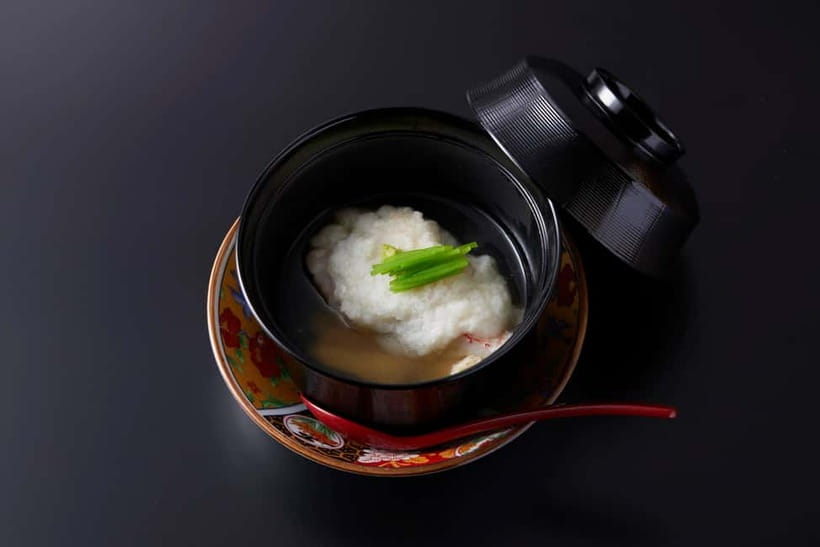
Food arrives as part of the 90-minute program. The meal is described as multi-course kaiseki inspired by Kyoto cuisine, with seasonal ingredients and careful presentation. The exact lineup changes during the year, so you should not book this expecting a fixed menu.
That changing menu is part of the appeal. Japanese cooking often treats the season as a central ingredient, and the meal gives you a way to notice that idea through small portions, delicate presentation, and ingredients selected for the time of year.
I like that dinner is included rather than offered as an expensive extra. At $141 per person, you are paying for a combined cultural evening, meal, drinks, admission, and service. The value depends on how much you want the complete setting. If you only want to see a short dance, the price may feel high. If you would otherwise pay separately for a refined Japanese dinner and a cultural show, the package makes more sense.
The available information does not list each course, serving size, or specific dishes. Expect the menu to change, and advise the provider about food allergies when booking. That is especially important for a multi-course meal where ingredients may be used in several dishes.
The food has received strong praise for freshness and flavor. That does not mean the meal will suit every palate. Kaiseki can include unfamiliar textures and carefully seasoned dishes rather than large, filling portions. Come ready to appreciate variety and presentation, not a simple dinner of one large main course.
Drinks are included, along with the tip. That makes the final cost easier to understand and reduces the need to sort out payment during the performance. No separate tipping decision is required at the end.
Watching dance and live shamisen music up close
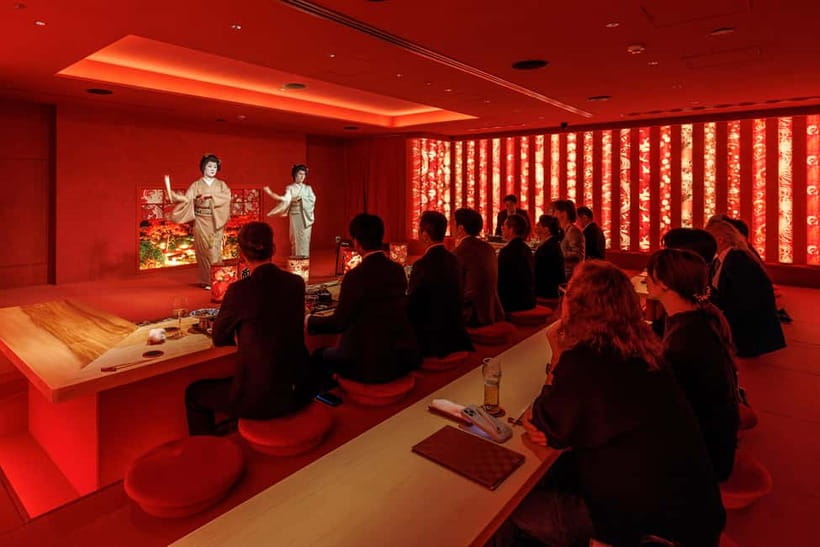
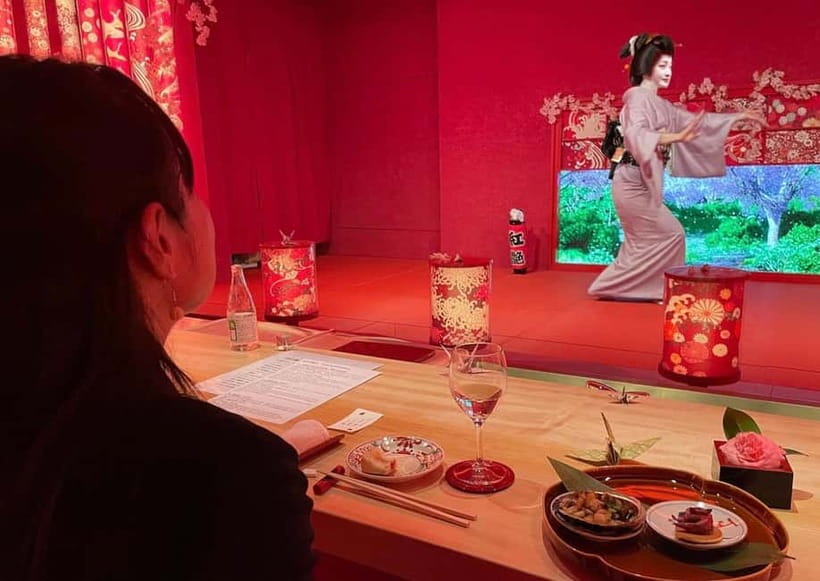
After you settle in and begin dining, a geisha performs traditional dances accompanied by live shamisen music. The shamisen is a three-stringed Japanese instrument with a sharp, expressive sound. In a small room, the music and movement should feel much more immediate than they would from the back of a theater.
The scale is important. This is not a large stage production built around elaborate lighting, a long cast, or a broad historical presentation. You are close to the performer, and the focus is on controlled movement, costume, music, and atmosphere.
Geisha arts are built around precision. Small gestures carry weight: the handling of a fan, the angle of a turn, the timing of a step, or the way a dance follows the shamisen. You do not need to understand every symbol to enjoy the beauty, but the staff’s explanations can help you notice more than the surface details.
The intimate room also means you should behave with care. Keep your voice low during the performance, silence your phone, and avoid moving around to chase a better photograph. Flash photography is not allowed. That rule protects the performer and keeps the room from turning into a photo shoot.
The show is short enough to fit comfortably into a busy Tokyo schedule, but that also limits the amount of performance you receive. The activity is best viewed as an introduction to geisha arts, not a full-length theater program.
Ozashiki games and conversation after the show
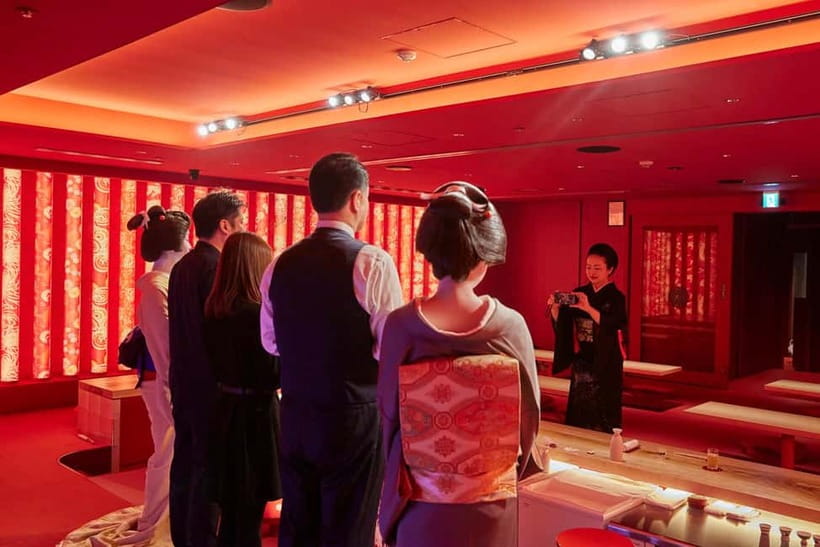
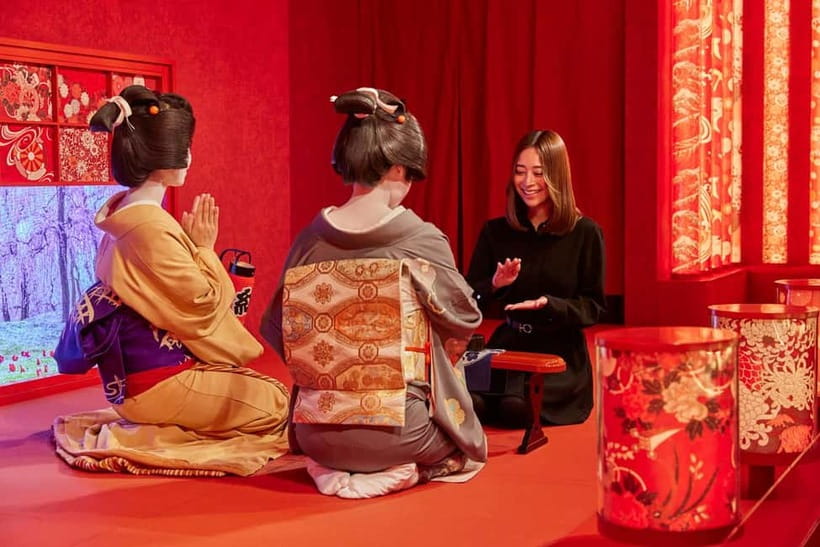
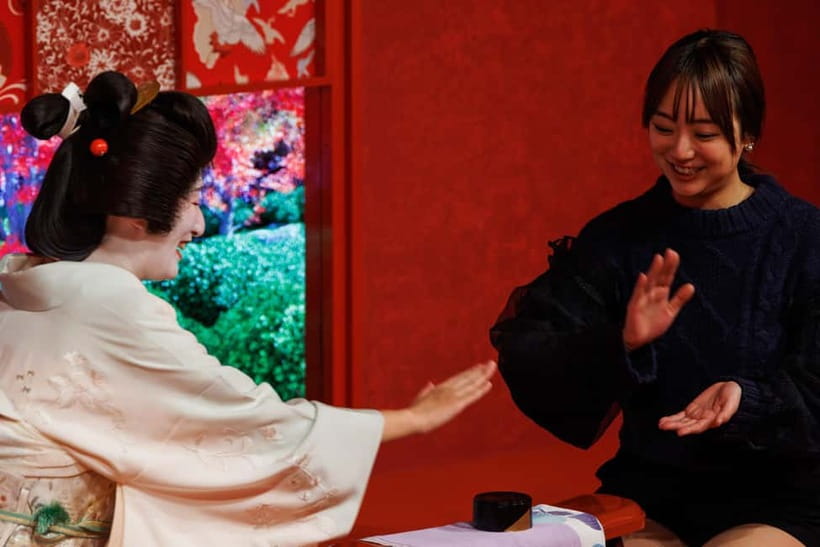
The evening becomes more social after the performance. You can play traditional ozashiki games, which are Japanese entertainment games associated with private geisha gatherings. The point is not athletic skill or serious competition. These games are designed to create laughter, rhythm, and interaction.
This part may be the most useful for anyone who feels that a formal performance alone would be too distant. You are given a chance to participate instead of simply watching. English-speaking staff help explain what to do, so a lack of Japanese should not prevent you from joining in.
You can also ask the geisha about their art, lifestyle, and culture. Keep your questions polite and focused on what they are comfortable discussing. The staff can help with language and context, which is valuable because a short encounter cannot explain every part of geisha life.
I especially like this balance between observation and participation. The dance gives you a respectful look at a highly disciplined art. The games then make the evening more relaxed and human. Neither part replaces a longer cultural study, but together they give you a clearer sense of how geisha entertainment works in a social setting.
The experience is open to people from different backgrounds and language levels. That matters because traditional geisha events have often been difficult for first-time visitors to enter without personal introductions. Benitsuya removes much of that barrier while retaining the room, meal, music, and etiquette that make the setting special.
More Cultural Shows in Tokyo
- Traditional Japanese Comedy, Juggling & Magic Live Show in Tokyo
★ 5.0 · 37 reviews - Tokyo: Traditional Asakusa Music Show with Dinner
★ 5.0 · 10 reviews - Tokyo: Learn about Japanese Traditional art KABUKI in Ginza
★ 3.2 · 5 reviews
Photos with the geisha
At the end, you have time to take photographs with the geisha. These pictures can be a memorable souvenir, especially because the setting includes the traditional room and elegant kimono rather than a generic studio backdrop.
Do not use flash. Plan to take a few thoughtful photographs instead of treating the photo period as a rapid series of poses. The room is intimate, so listen to staff instructions and wait your turn if needed.
Photography is included as part of the experience, but the supplied information does not specify how many photographs you receive or whether staff take them for you. Bring a charged phone and check the room’s directions before taking pictures. The no-flash rule is firm.
This closing photo opportunity also gives you time to appreciate the costume details. Kimono, hair styling, and accessories are not simply decorative props. They help create the formal visual language of the evening, and a close setting lets you see those details better than a distant stage would.
Is $141 a fair price?
The $141 price includes food, drinks, entrance, and tip. That makes it a fairly clear package, but it is still a premium evening rather than a budget activity.
I would judge the value in three parts:
- You receive a seasonal multi-course dinner rather than a snack.
- You see live dance and shamisen music in a private-style tatami room.
- You take part in ozashiki games, conversation, and photographs.
If you value only the meal, less expensive restaurants are easy to find in Tokyo. If you want only a geisha dance, other performances may offer a longer stage program. Benitsuya earns its price through the combination and the access.
The most important value is access. A traditional geisha encounter can be difficult to arrange for a first-time visitor without introductions or Japanese connections. This program gives you a guided route into that setting, with English support and a clear meeting point.
The 90-minute length also helps define the price. You are not paying for an entire night, and the compact schedule works well before or after other plans in Shimbashi. Still, you should not expect a leisurely dinner lasting several hours.
Who will enjoy this most?
I would recommend this experience to adults who want a focused introduction to Japanese traditional arts and prefer close contact over a large stage show. It suits first-time visitors who want a cultural evening without having to arrange a private introduction.
It is especially good for you if:
- You enjoy food as part of a cultural experience.
- You want to see a real traditional dance with shamisen accompaniment.
- You like taking part in games instead of sitting silently through a performance.
- You appreciate small rooms, formal presentation, and close observation.
- You want English-speaking assistance with etiquette and conversation.
- You are comfortable trying a seasonal Japanese meal that may change during the year.
It may be less suitable if you want a long dinner, a large-scale theatrical production, or a detailed academic lecture. It may also disappoint anyone expecting a fixed menu or a completely casual atmosphere.
Everyone must be at least 20 years old. The activity is wheelchair accessible, though you should still share any access needs when booking so the staff can prepare properly.
Practical details for a smooth evening
Plan to arrive at Shimbashi Station with enough time to find west exit 7. The building is near Shimbashi SL Square, but large Tokyo stations can still take a few minutes to navigate. Once inside Grand Hammer, go to the sixth floor and look for Benitsuya.
Wear something comfortable but presentable. The evening takes place in a refined traditional room, so extremely casual clothing may feel out of place, even though no formal dress code is provided.
Tell the provider about food allergies when you book. Because the menu changes with the season and includes multiple courses, last-minute explanations may not be enough.
Do not smoke during the activity, and do not use flash photography. Keep your phone quiet during the dance, then use it during the designated photo time.
Cancellation is flexible up to 24 hours before the activity for a full refund. You can also reserve now and pay later, which is useful if your Tokyo schedule is still changing.
Should you book Benitsuya?
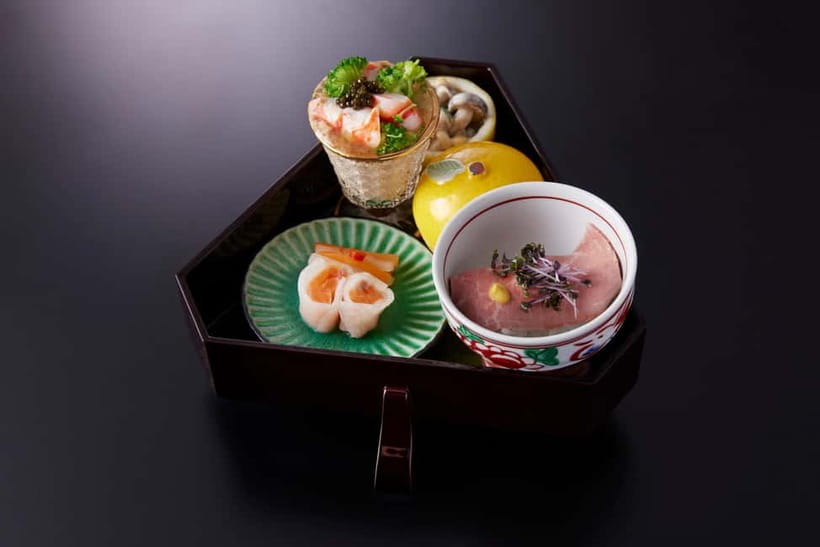
Book it if you want a compact but meaningful introduction to geisha arts, and if the combination of dinner, dance, music, games, and photographs appeals to you. The strongest reasons to go are the rare access, the intimate tatami room, the seasonal Kyoto-style meal, and the chance to interact rather than simply watch.
Skip it if your main goal is a long gourmet dinner, a large theatrical show, or a low-cost cultural activity. For the right audience, $141 buys more than a performance ticket. It buys a guided entry into a traditional setting that is normally difficult for first-time visitors to access.
FAQ
Where is the geisha experience held?
It is held at Benitsuya on the sixth floor of Tokyo’s Grand Hammer building in Shimbashi.
How do I find the meeting point?
The building is about one minute from Shimbashi Station. Use west exit 7, near Shimbashi SL Square, then go to the sixth floor and look for Benitsuya, written as 紅艶.
How long does the experience last?
The activity lasts 90 minutes.
What does the price include?
The $141 price includes food, drinks, the entrance fee, and the tip.
Is dinner included?
Yes. You receive a multi-course kaiseki dinner inspired by Kyoto cuisine. The food lineup changes with the season.
Will there be an English-speaking guide?
English-speaking staff are available to help guide the experience, explain the activities, and support conversation with the geisha.
Can I take photographs?
Yes. You have time to take photographs with the geisha. Flash photography is not allowed.
Are children allowed to attend?
No. The activity is not available to anyone under 20 years old.
Can I cancel the booking?
Yes. You can cancel up to 24 hours in advance for a full refund. You can also reserve now and pay later.
More Dinner Experiences in Tokyo
- Tokyo: Sumo Show and Dining Experience
★ 4.8 · 2,742 reviews - Tokyo: Yakatabune Dinner Cruise with Japanese Show & Drinks
★ 4.7 · 871 reviews - Tokyo Bay Yakatabune Dinner/Day Cruise with Japan Show and Drinks
★ 4.5 · 473 reviews - Tokyo Dinner Cruise & Tradition Show & Drinks & Tokyo Tower
★ 4.7 · 315 reviews
More Traditional and Cultural Shows in Tokyo
- Xcaret Park Entry Tickets with Cultural Night Show Included
★ 4.5 · 2,382 reviews - Xcaret Park Day Trip, transportation and Cultural Night Show
★ 4.5 · 1,899 reviews - Dubai: Tour with BBQ Dinner, Camel Ride, & Traditional Show
★ 4.8 · 1,687 reviews - From Krakow: Polish Folk Show with All-You-Can-Eat Dinner
★ 4.5 · 1,593 reviews
Just added around Tokyo
- Tokyo: Taishu Engeki Show with Kimono and Sword Lesson★ 5.0 · 12 reviews
- Tokyo: Rainbow Bridge Day Cruise Show Unlimited Soft Drinks★ 4.5 · 86 reviews
- Tokyo: Taiko Drum Experience in Kabukicho with Dinner★ 5.0 · 3 reviews
- Tokyo: Know about Kabuki performing – Ginza Walking★ 4.2 · 3 reviews
- Tokyo: Learn about Japanese Traditional art KABUKI in Ginza★ 3.2 · 5 reviews
- Tokyo: KABUKI, BUNRAKU, etc. presented by National Theatre★ 4.6 · 135 reviews
- Tokyo: Family Sumo Workshop & Live Wrestling Show with Lunch★ 4.9 · 99 reviews
- Tokyo GINZA: KONPARU Japanese Cabaret Show with Drink★ 4.8 · 38 reviews
Tokyo Shows, compared.
Japanese Dance Cabaret Theater Asakusa-Kaguwa Ticket
Read our review →
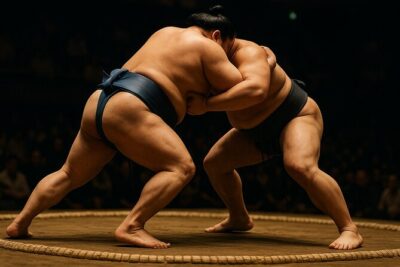
Tokyo Shinjuku Sumo Show & Experience with Photo
Read our review →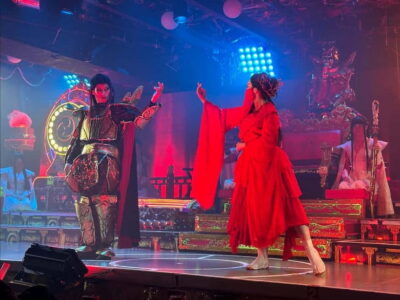
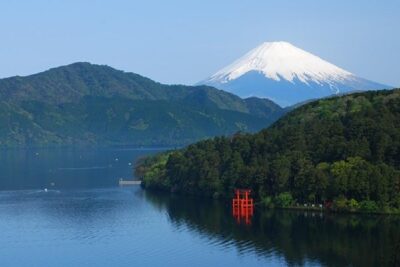
Mt Fuji & Hakone Cruise, Drum Show Bus 1 Day from Tokyo
Read our review →
Yakatabune Dinner Cruise with Japanese Show & Drinks
Read our review →Browse the lists this show appears in