
Review · JAPAN
Tokyo Japanese Dance Cabaret Theater Asakusa-Kaguwa
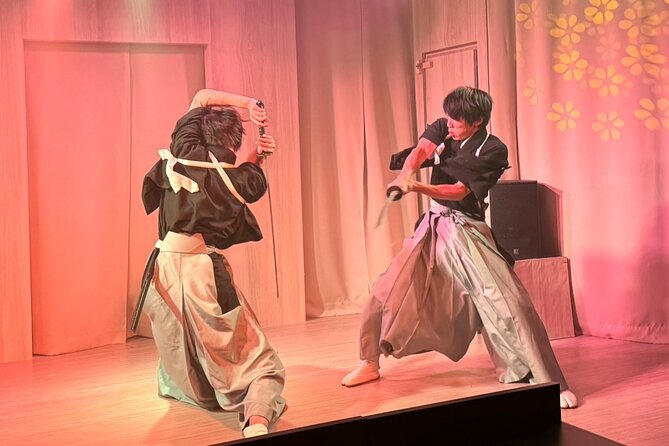
Asakusa-Kaguwa packs lion dance, samurai swordplay, expressive dancing, modern music, glowing laser effects, and striking costumes into a small theater. It is not a formal Kabuki performance. It is a lively stage show built to give you several slices of Japanese entertainment in one hour.
I like the close contact with the cast, who come out before the performance for photos and, when available, kimono dressing. I also like the simple logistics: one included drink, two evening showtimes, and a location in Asakusa, close to restaurants and shops.
The main thing to consider is the show’s style. Some acts are graceful and cultural, while others are campy, theatrical, or driven by lights and modern music. If you expect a serious, highly formal theater production, this may feel more like an intimate entertainment revue.
Key points to know before booking
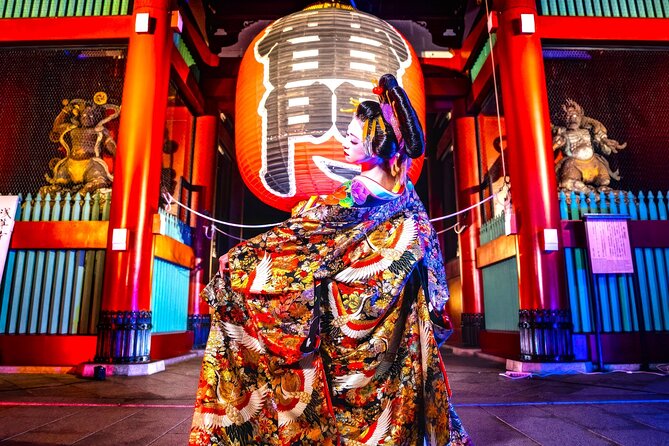
- A mix of old and new: Expect traditional dance, a lion dance, samurai sword action, storytelling, contemporary music, and laser effects.
- Arrive early: Doors open one hour before the show, and at least 30 minutes before showtime is advised for check-in and photos.
- Two show options: The first performance runs from 5 to 6 p.m., and the second runs from 8 to 9 p.m.
- One drink is included: You can choose from alcoholic and soft drinks. Alcohol is served only to people aged 20 and over.
- A personal theater setting: The room is small, so you can see and hear the action clearly, though seats are assigned by the theater.
- Watch the stairs: The venue has steep stairs and no elevator. Staff can assist people who need help.
What kind of Japanese show is Asakusa-Kaguwa?
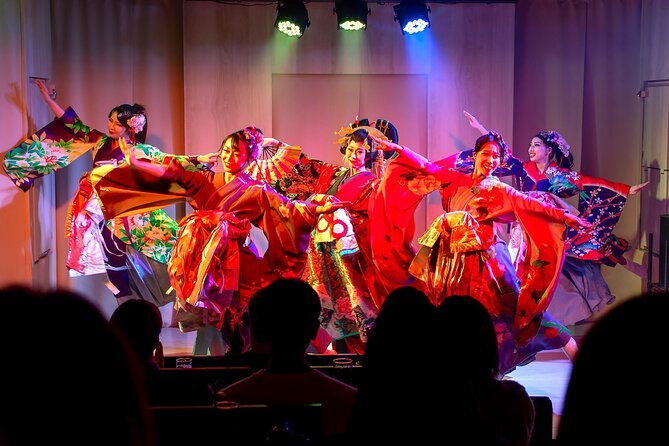
Asakusa-Kaguwa is best understood as a Japanese dance cabaret, not a museum-style cultural demonstration and not a conventional Kabuki production. The performance combines traditional Japanese themes with present-day stage music, colorful lighting, theatrical movement, and direct interaction with the audience.
That mix is the point. In one hour, you may see a lion dance, a samurai sword fight, elegant costume work, interpretive dance, and a laser sequence. The show changes its mood often, so you are not watching one long dance form explained in detail. You are getting a fast-moving sampler of Japanese stage culture.
I find that format useful on a short Tokyo visit. A full evening devoted to one classical art can demand more background and patience. Here, the visual language does much of the work. Costumes, music, movement, and lighting tell you what kind of scene you are watching, even when the story is not fully explained in English.
The tradeoff is clarity. One part of the show reportedly includes an explanation of the dragon piece, but there is not a detailed handout explaining every act or its place in Japanese culture. If you want historical context for each dance, this is not the right format. If you want an accessible, colorful stage experience, it works better.
More Theatre Shows in Japan
- Tokyo: Japanese Dance Cabaret Theater Asakusa-Kaguwa Ticket
★ 4.8 · 2,270 reviews - Kyoto: Non-Verbal Theatre Show Tickets at GEAR
★ 4.9 · 198 reviews - Tokyo: KABUKI Show at Kabukiza Theatre Admission Ticket
★ 4.8 · 152 reviews
Your evening in Asakusa, from street to theater
The theater is at 1-chōme-12-10 Asakusa, in one of Tokyo’s most visited districts. That makes the performance easy to pair with an afternoon or evening around Asakusa, where you can visit nearby sights, browse shops, and eat before or after the show.
The venue is on a covered street, which is useful in wet weather. The surrounding area also has restaurants and shops, so you do not need to plan your whole evening around the theater. Simple food is available inside, including pasta, pizza, fried chicken, and snacks, but these items cost extra.
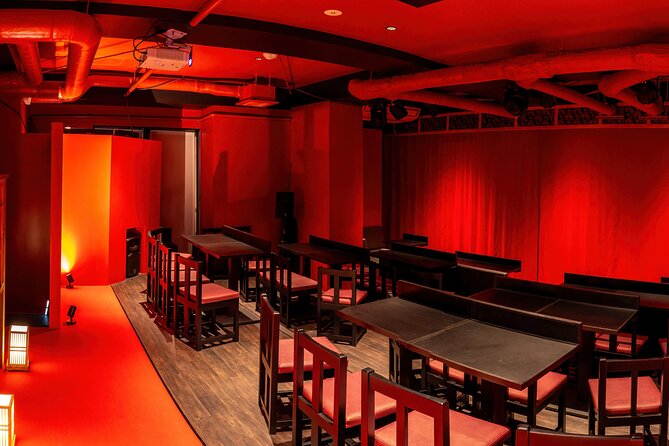
The interior uses a red Japanese-style design. It is more intimate than a large concert hall, and that small scale helps with the show’s social side. Performers can interact with people before and after the performance, and you are close enough to see the costumes and facial expressions without needing a large screen.
The stairs deserve attention. Access to the venue involves steep stairs, and there is no elevator. Staff are happy to assist, but anyone with mobility concerns should plan carefully before booking.
Arrive early for photos, drinks, and kimono dressing
The first show opens at 4 p.m. and performs from 5 to 6 p.m. The second show opens at 7 p.m. and performs from 8 to 9 p.m. The doors-open period is not wasted time. It gives you a chance to check in, collect your included drink, settle in, and meet the performers.
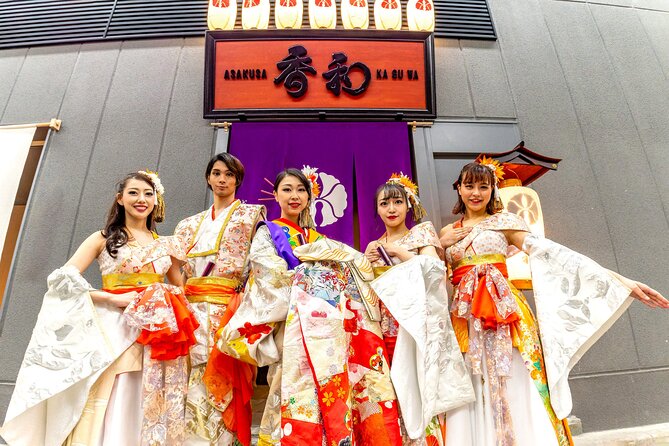
I would arrive at least 30 minutes before the show, even though the doors open an hour before the performance. The cast often comes out before the show for photos. You may also have the chance to put on a kimono for a picture with the performers.
This pre-show contact is one of Asakusa-Kaguwa’s most appealing features. It gives the evening a warmer, more personal feel than simply taking a seat in the dark. Several performers have been praised for welcoming people and helping with photos. Amelia, a server named in feedback about the experience, was especially appreciated for being patient and friendly.
Do not treat the photo opportunity as guaranteed at a precise minute. The supplied details say you get the chance to meet the performers before and after the show, and the strongest advice is simply to arrive early. Come camera-ready, but keep your expectations flexible.
The one-hour performance: movement, story, and spectacle
Once the show begins, the music swells and the mood shifts from casual pre-show interaction to full stage performance. The cast uses dance, acting, costumes, and visual effects to move through several different sections.
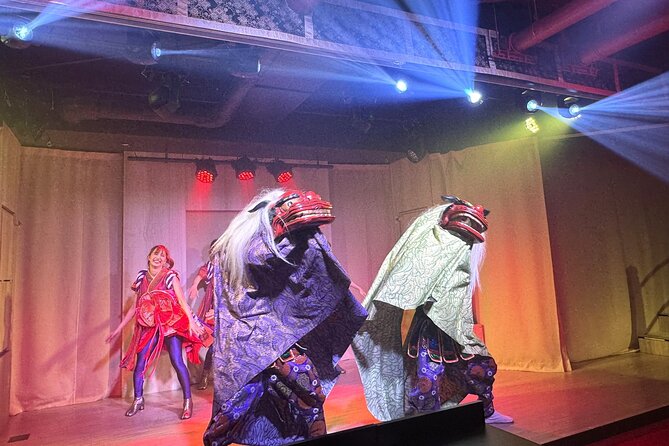
The lion dance is one of the most recognizable traditional elements. It is the kind of performance many people associate with festivals, but may not see during a regular Tokyo sightseeing day. The samurai sword fight adds a sharper, more action-focused section and gives the program a clear theatrical jolt.
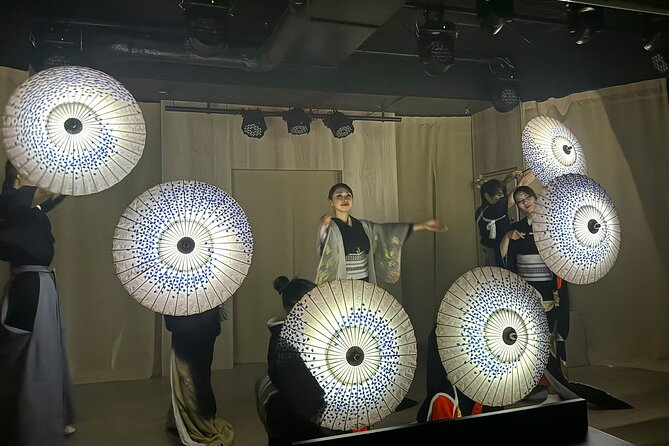
Other sections are more graceful. The dancers use expressive movement and costume changes to suggest different periods, characters, or moods. The overall program has been described as touching and emotive by some people, while others find the plot loose and the pieces more like separate acts than one continuous story.
That difference matters. If you want a clear beginning, middle, and end, you might find the storytelling thin. If you enjoy variety shows, dance recitals, and theatrical set pieces, the changing pace keeps the hour moving.
The laser show is another major feature. It shifts the experience away from a strictly traditional presentation and into modern stage entertainment. Contemporary music and bright effects may surprise you if you arrive expecting quiet ceremonial dance. For many people, that contrast is exactly what makes the production memorable.
More Cabaret Shows in Japan:
- Tokyo GINZA: KONPARU Japanese Cabaret Show with Drink
★ 4.8 · 38 reviews - Paris: Moulin Rouge Cabaret Show Ticket with Champagne
★ 4.7 · 16,088 reviews - Paris: Dinner Show at the Moulin Rouge
★ 4.8 · 3,333 reviews - Paris: Crazy Horse Cabaret Show
★ 4.7 · 2,726 reviews
Costumes and cast interaction are central to the experience
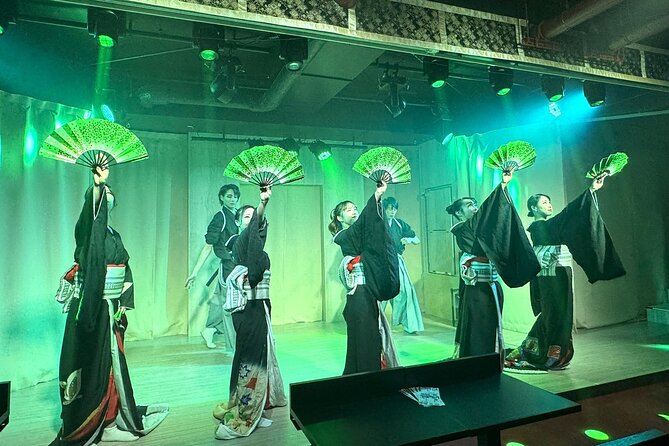
The costumes do a great deal of the storytelling. Bright colors, Japanese-inspired clothing, and carefully arranged stage looks give each section its own identity. The cast also brings strong energy to the performance, which is important in a small room where every movement is easy to see.
The named performers include Nana, Asuka, Tenkumo Yuki, Yusuke, Chiaki, Coco, Rika, and Sakura. The exact cast can vary, so do not assume every named performer will appear at every show. Still, the production’s personal feel comes from seeing the dancers close up and meeting some of them before or after the performance.
Sakura has been singled out for a bright smile and an ability to make a character feel easy to connect with. That kind of audience connection is part of the show’s appeal. You are not only watching a distant stage act. You may also be greeted, photographed, and included in the atmosphere around the performance.
Tipping is reportedly encouraged at the venue, so consider carrying ¥1,000 notes if you want to thank a favorite performer. Tipping is not included in the ticket price, and it should be treated as optional, not as a required extra charge.
Food and drinks: what is included and what costs extra
Your ticket includes one glass of an alcoholic or soft drink. The selection is described as varied, so you can choose a beverage that suits you. Alcohol is available only to people aged 20 and over.
A few people have found the included drinks less impressive than the show, describing them as weak and suggesting beer instead. That is a small point, but it helps set expectations. Think of the beverage as a useful extra rather than a major part of the value.
Additional drinks and food are not included. The venue sells simple Western-style meals and snacks, such as pasta, pizza, fried chicken, and other small dishes. If you want a full dinner, you may prefer to eat around Asakusa and treat the theater as your evening entertainment.
The included drink is still practical. You can sit down, settle in, and enjoy the opening without having to buy something immediately. Families can choose soft drinks, while adults over 20 can select an alcoholic option.
Is $50.87 a fair price?
At about $50.87 per person, this is not a bargain attraction in the same category as a free neighborhood performance. But the price includes a 60-minute stage show, one drink, the theater experience, and the chance to meet performers for photos. For an evening activity in central Tokyo, that makes the value reasonable if you enjoy live entertainment.
The price is strongest for people who want variety. You are not paying to see only one dance form. You are paying for traditional themes, modern music, costumes, lighting, action, and audience interaction in a single sitting.
The value is weaker if you are specifically seeking high-end classical theater. One piece of feedback described the production as closer to community theater than a major professional stage show. That criticism is worth taking seriously, even though the performers are widely praised for energy, precision, and effort.
I would compare it to an intimate cultural cabaret, not to a premium Kabuki ticket. At that price, it offers a fun and unusual night out, especially for families, couples, and first-time visitors who want something beyond temples and city views.
Choosing between the 5 p.m. and 8 p.m. shows
The first show begins at 5 p.m., after doors open at 4 p.m. This timing works well if you want to finish with dinner afterward. You can spend the afternoon in Asakusa, attend the performance, then eat nearby.
The second show begins at 8 p.m., after doors open at 7 p.m. This fits better after dinner or a full day of sightseeing. It also gives you more time to explore Asakusa before arriving.
Remember that the actual performance lasts one hour, but you should allow extra time for check-in, photos, drinks, and finding your assigned seat. The show starts one hour after the doors open, and arriving at least 30 minutes early helps avoid a rushed entrance.
Seats are assigned by the theater in reservation order. You cannot count on choosing your exact seat, so book early if the date and time matter to you. Prebooking is particularly sensible during a busy Tokyo visit because missing the desired evening could force you to rebuild your plans.
The activity information lists a maximum of six participants. That appears to refer to the booked activity group, while the performance itself takes place in the theater with other ticket holders.
Who will enjoy this most?
I would recommend Asakusa-Kaguwa to you if you want a colorful introduction to Japanese performance without committing to a long or highly formal production. The one-hour length is easy to fit into a packed Tokyo schedule.
It suits families particularly well. Children can follow the costumes, sword action, lion dance, music, and lighting even if they do not understand every story detail. The venue also allows families to enjoy the performance together.
It is a good choice for couples who want a lively evening in Asakusa, and for solo visitors who enjoy small theaters with direct contact between performers and audience. The pre-show photos add a personal souvenir that you will not get from a distant stage show.
I would be more cautious if your main goal is authentic classical Japanese theater in a strict sense. This production uses traditional material, but it also includes modern music, lasers, campy moments, and contemporary stage presentation. It is cultural entertainment, not a formal lesson in Kabuki or Noh.
Booking, cancellation, and practical details
Your mobile ticket is confirmed at booking, and the venue is near public transportation. The activity begins and ends at Asakusa-Kaguwa, so you do not need private transportation arranged through the experience.
Free cancellation is available if you cancel at least 24 hours before the scheduled start time. Cancellations inside that 24-hour window are not refunded, and changes made during that period are not accepted.
Wear whatever feels comfortable. Some people dress up for photos, while others arrive in ordinary sightseeing clothes. If you hope to take part in kimono photos, allow time before the show rather than arriving just as the curtain is about to rise.
Should you book Asakusa-Kaguwa?
Book it if you want an accessible, high-energy Japanese stage show with traditional motifs and modern spectacle. The lion dance, swordplay, costumes, laser effects, and cast interaction give you plenty to see in a compact evening.
I would especially choose it for a first Tokyo visit, a family night, or a rainy evening in Asakusa. The small theater, included drink, and photo opportunity add value, while the nearby restaurants make the timing easy to arrange.
Skip it if you expect a polished Kabuki house, a detailed explanation of every cultural reference, or one continuous story. For everyone else, the $50.87 price is reasonable, the one-hour length is convenient, and the chance to meet performers in kimono photos makes this more personal than a standard stage ticket.
FAQ
How long does the Asakusa-Kaguwa experience last?
The performance lasts 60 minutes. Allow additional time before the show for check-in, a drink, photos, and seating.
What are the showtimes?
The first show opens at 4 p.m. and runs from 5 to 6 p.m. The second show opens at 7 p.m. and runs from 8 to 9 p.m.
What is included in the ticket?
The ticket includes the 60-minute traditional Japanese cultural dance show and one alcoholic or soft drink. Alcohol is served only to people aged 20 and over.
Can children attend?
Yes. The performance can be enjoyed by families and children.
Is food included?
No. Additional food and drinks cost extra. The venue offers pasta, pizza, fried chicken, snacks, and similar simple meals.
Does the theater have elevator access?
No. The stairs to the venue are steep, and there is no elevator. Staff can assist people who need help.
Can I cancel for a full refund?
Yes, if you cancel at least 24 hours before the experience’s scheduled start time. Cancellations or changes made within 24 hours are not refunded or accepted.
Just added around Japan
- Authentic Kabuki Transformation & Mini Performance at Aioiza Gifu★ 4.5 · 3 reviews
- Kabuki Talk★ 5.0 · 10 reviews
- Tokyo: English Standup Comedy Night★ 5.0 · 4 reviews
- Experience the Asakusa Kabuki Opera Show!★ 5.0 · 99 reviews
- Tokyo: Taishu Engeki Show with Kimono and Sword Lesson★ 5.0 · 12 reviews
- Tokyo: Traditional Geisha Experience Show & Japanese Dinner★ 4.2 · 59 reviews
- Tokyo: Taiko Drum Experience in Kabukicho with Dinner★ 5.0 · 3 reviews
- Tokyo: Rainbow Bridge Day Cruise Show Unlimited Soft Drinks★ 4.5 · 86 reviews
Japan Shows, compared.
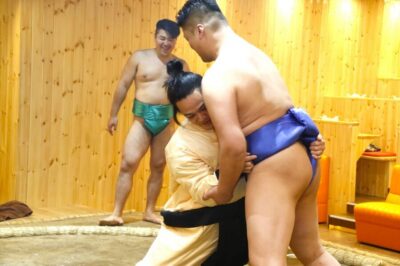
Sumo Show Experience with Chicken Hot Pot and a Photo
Read our review →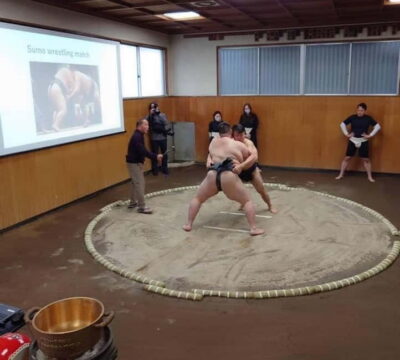
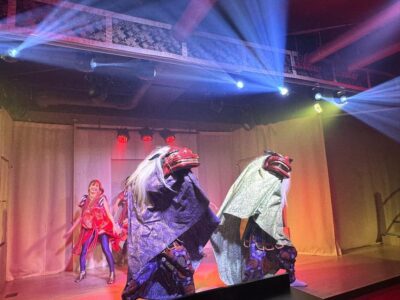
Japanese Dance Cabaret Theater Asakusa-Kaguwa Ticket
Read our review →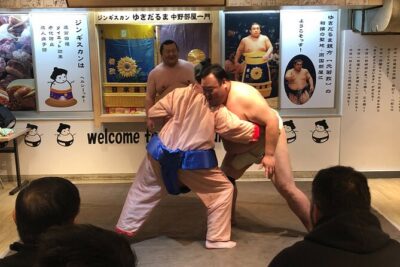
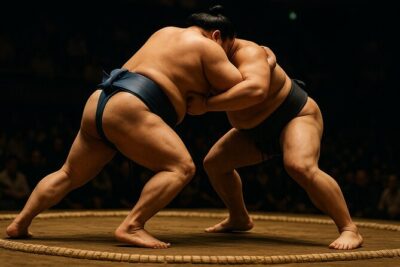
Tokyo Shinjuku Sumo Show & Experience with Photo
Read our review →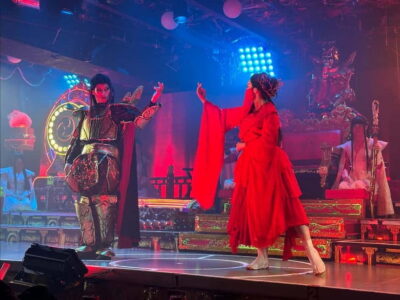
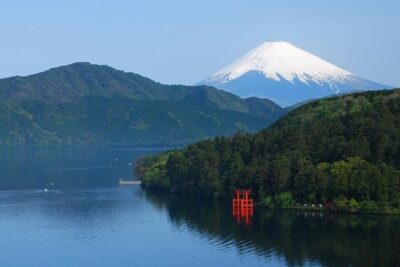
Mt Fuji & Hakone Cruise, Drum Show Bus 1 Day from Tokyo
Read our review →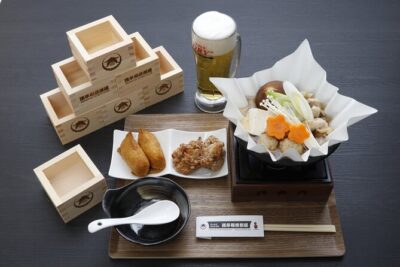
Tokyo Sumo Entertainment Show with Chicken Hot Pot and Photo
Read our review →Browse the lists this show appears in