
Review · TOKYO
Traditional Japanese Music ZAKURO SHOW in Tokyo
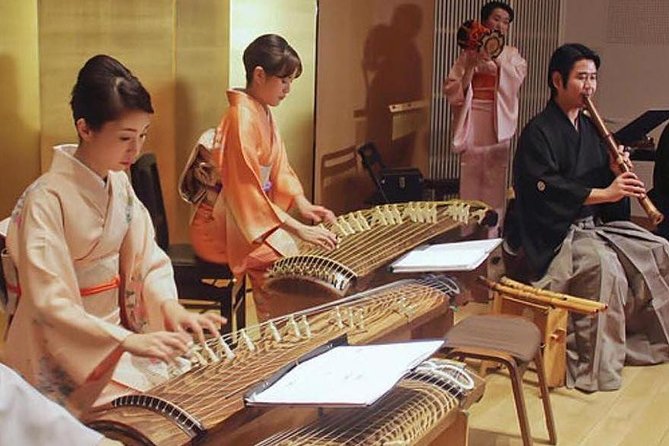
The best part of the ZAKURO SHOW is that you do not simply sit and listen to unfamiliar sounds. Musicians bring the koto, shamisen, shakuhachi, and taiko close to the audience, then explain what each instrument does and why it matters in Japanese music. The English interpretation keeps the concert easy to follow.
I like the clear cultural context and the compact one-hour length. I also like the varied program, which moves from older Japanese music to modern traditional pieces and even a Western hit played on Japanese instruments. The main drawback is simple: if you want a long concert, this may feel brief.
Key points
- Four major Japanese instruments: Hear the koto, shamisen, shakuhachi flute, and taiko drums in one performance.
- English explanations throughout: The musicians discuss their instruments, techniques, and cultural background with interpretation.
- Close-up setting in Omotesando: The cozy venue puts the performers and instruments right in front of you.
- More than a concert: The program combines music, demonstrations, historical context, and dialogue with the audience.
- Easy to fit into Tokyo plans: The performance lasts about one hour and takes place near public transportation.
- Strong value at $39.64: You receive a focused introduction to several Japanese art forms without giving up half a day.
What the ZAKURO SHOW actually gives you
Tokyo offers plenty of grand cultural experiences, but some are hard to understand without background. Japanese classical instruments can sound strange at first, especially when you do not know how they are played or what role they have in an ensemble.
ZAKURO addresses that problem directly. The musicians do not leave you to guess what you are hearing. They talk about the instruments, explain some of the secrets of their craft, and place the music in a Japanese cultural setting. An interpreter provides English translations, so you can follow the discussion rather than waiting for the next tune.
That makes this a useful first meeting with wagakki, the broad Japanese term for traditional musical instruments. You hear several instruments in one sitting instead of building your understanding one museum display at a time.
The event is held in Omotesando, a convenient Tokyo district for a short cultural stop. Its one-hour format works well before dinner, after shopping, or between larger sightseeing plans. You are not committing a full afternoon to a performance, and that matters in a city where travel between neighborhoods can eat up time.
More Cultural Shows in Japan
- Tokyo: Traditional Japanese Performing Arts Show and Dinner
★ 4.5 · 99 reviews - Japanese Traditional Music Show in Tokyo
★ 5.0 · 72 reviews - Tokyo: Traditional Geisha Experience Show & Japanese Dinner
★ 4.2 · 59 reviews
A close look at the instruments
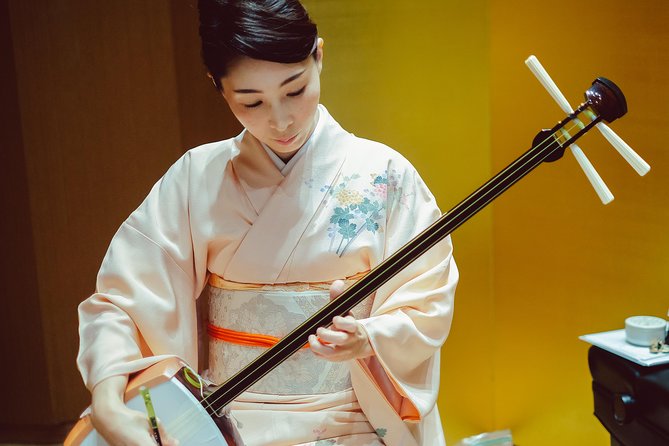
The program features four instruments that give the show much of its range.
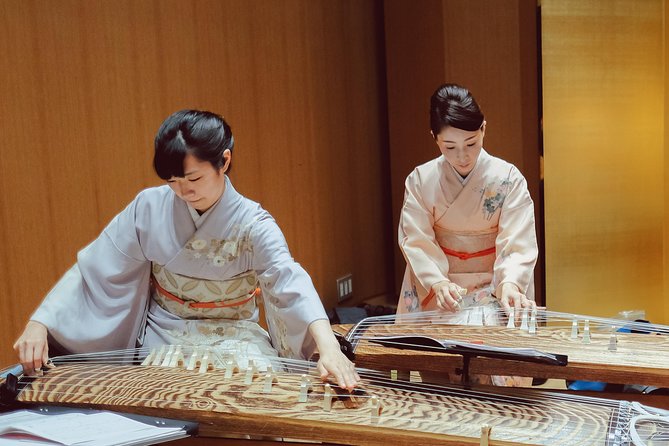
The koto is a string instrument often described as a Japanese harp, though that comparison only goes so far. Its long body and plucked strings produce delicate notes, but the performance also shows how much control and force a player can bring to it. Hearing it alongside drums and wind instruments helps you understand that it is not limited to quiet, decorative music.
The shamisen is a three-stringed instrument with a sharp, direct sound. Its tone can feel lean and percussive, and it brings a different character from the smoother koto. The musicians explain the instrument between pieces, giving you a chance to notice its construction and playing method before hearing it again in the ensemble.
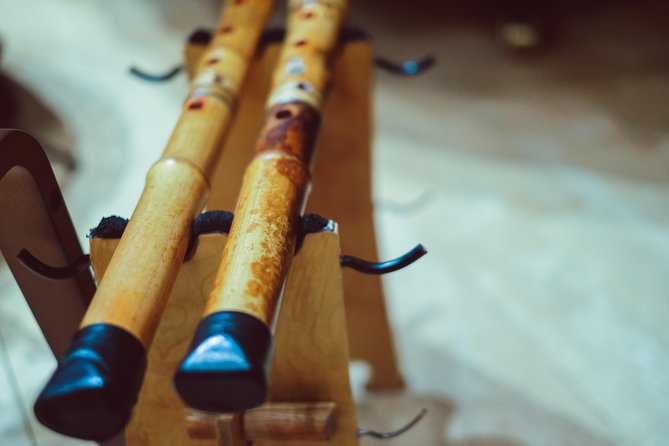
The shakuhachi is a bamboo flute. Its breathy tone can sound spare and almost haunting, especially when set against silence. Because the instrument is so exposed, you can pay attention to the performer’s breath, phrasing, and control.
Then come the taiko drums, which supply physical force and rhythm. The drums give the concert a strong change of pace and help show how Japanese instruments can fill a room. The program’s value comes partly from these contrasts: plucked strings, bamboo flute, sharp shamisen notes, and powerful percussion all share the same stage.
The instruments are placed right in front of you. That close setting is important. You can see the hand movements, the shape of the instruments, and the effort behind each sound instead of receiving the music from a distant stage.
How the one-hour program unfolds
The single stop is the Zakuro performance itself, but it has several parts. You begin with an introduction to Japanese music and the instruments used in the show. The musicians then perform selected pieces, with explanations and conversation between numbers.
Each tune is chosen to provide context. That means the program is not simply a string of unrelated songs. The explanations help you connect a sound with a technique, an instrument, or a place in Japanese culture.
The concert includes both older and modern traditional music. This is a useful choice because it prevents Japanese music from being presented as something frozen in the past. You get a sense of continuity, with older forms alongside newer work that still uses traditional instruments.
A Western song cover adds another angle. Hearing a familiar melody played on Japanese instruments gives you a quick comparison. You can recognize the tune while listening for what changes when the arrangement uses koto, shamisen, shakuhachi, or taiko instead of Western instruments.
Dialogue is part of the entertainment, not just an information break. The musicians interact with the audience and explain their craft in an approachable way. If you are new to Japanese music, this keeps the hour from feeling formal or difficult.
The interpreter plays an important role. Clear translation allows the explanations to remain part of the experience instead of becoming an interruption. The English support is especially helpful when the musicians discuss technical details or cultural background.
Why the Omotesando setting matters
The concert takes place in a beautiful, cozy setting in Omotesando. The smaller scale suits the material. Traditional instruments often reward close attention, and the intimate room lets you see and hear the performers without the distance of a large theater.
Omotesando also makes the timing practical. The area is near public transportation, so you can add the show to a day already spent in central Tokyo. The one-hour duration means you can plan around it more easily than a long stage production.
I would treat the performance as a focused cultural appointment rather than an all-day attraction. You get one carefully selected hour of music and explanation. That is enough to give you a useful foundation, but not enough to cover every type of Japanese music or every historical period.
The cozy room may not suit someone seeking a huge concert atmosphere. Taiko can be powerful, but the event is also built around explanation and close observation. If you prefer a grand spectacle with elaborate staging, this may feel modest. If you like seeing how instruments work, the setting is a strength.
More Cultural Shows in Tokyo
- Traditional Japanese Comedy, Juggling & Magic Live Show in Tokyo
★ 5.0 · 37 reviews - Tokyo: Traditional Asakusa Music Show with Dinner
★ 5.0 · 10 reviews - Tokyo: Learn about Japanese Traditional art KABUKI in Ginza
★ 3.2 · 5 reviews
The educational side is the main reason to book
The highest praise for this experience centers on the explanations. I can see why. A traditional music concert without context can leave you admiring the sound but missing the meaning. Here, the musicians explain each instrument’s musical, technical, and cultural role.
That makes the concert useful for several kinds of visitors:
- You want an introduction to Japanese culture that does not feel like a lecture.
- You enjoy music but do not know much about Japanese instruments.
- You want something more focused than a broad cultural show.
- You are visiting Tokyo with limited time.
- You need English interpretation to follow the discussion.
The explanations also help children and mixed-age groups, though the supplied information does not specify a recommended age. Most people can participate, and the format does not require musical training.
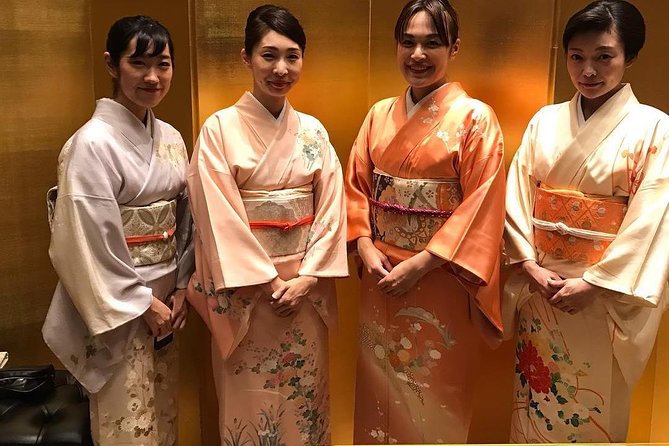
The performers wear colorful kimono, which adds visual context without replacing the music. Their clothing, instruments, and explanations work together to show a living performance tradition rather than a display behind glass.
Several of the strongest comments about the experience point to the host’s translation and the musicians’ friendly interaction. That combination matters. Skilled playing gives you the sound, while an approachable presentation helps you understand it.
Is $39.64 a fair price?
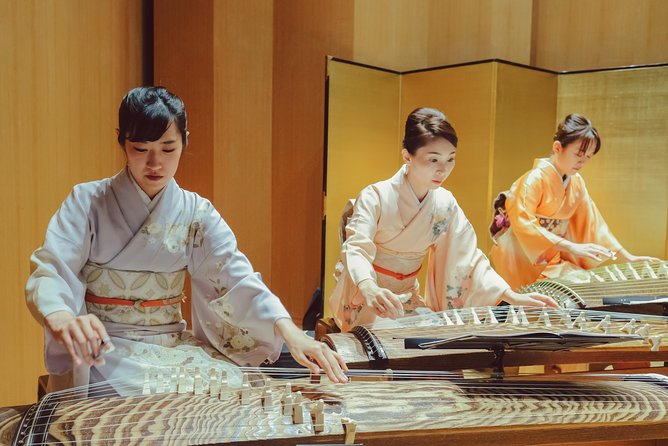
At $39.64 per person, the show is not the cheapest activity in Tokyo, but it offers solid value if you want a cultural experience with real explanation. You are paying for a live performance by top-level musicians, access to several traditional instruments, English interpretation, and a central one-hour program.
The cost is easier to justify when you compare it with the time saved. A museum visit may take several hours and still leave you with only a basic understanding of how the instruments sound. ZAKURO gives you live examples and commentary in one sitting.
The short duration cuts both ways. If you value efficiency, one hour is excellent. You can add it to a busy itinerary without losing a whole day. If you measure value by length alone, you may wish the show continued longer. One direct assessment of the program was that the music was exceptional but the performance could have lasted longer.
The price also makes sense for a first introduction. You do not need to arrange separate performances for the koto, shamisen, shakuhachi, and taiko. They appear together in a single program, with the musicians explaining how their sounds differ.
What the high rating tells you, and what it does not
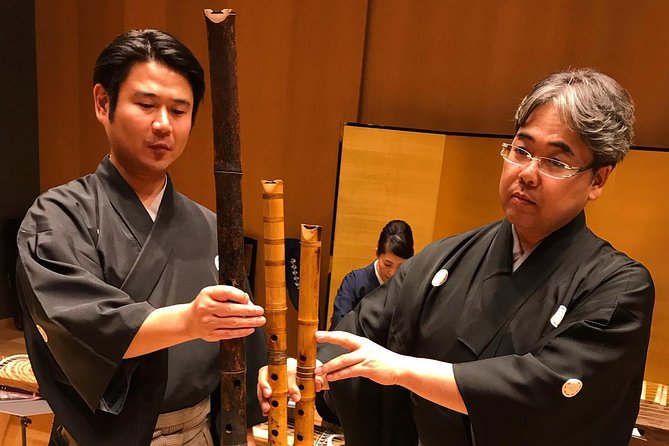
The experience carries a 4.9 rating from 67 ratings, with 97 percent recommending it. Those figures point to consistent satisfaction, especially with the musicians, the explanations, and the interpretation.
The praise is not limited to the music itself. The educational element is repeatedly important. People appreciate learning how the instruments work and how music fits into Japanese culture. The clear translation also receives strong approval.
Still, a high rating should not lead you to expect every part of the show to suit every taste. This is a compact introduction, not a full evening of music. The program includes conversation, so anyone wanting uninterrupted performance should keep that in mind.
There is also one piece of feedback referring to a class after a concert in Kyoto. The Tokyo information provided here confirms the one-hour ZAKURO SHOW, but it does not establish that a separate class is included in this Tokyo booking. I would book this expecting the concert, explanations, and interaction described for the Tokyo event, not an additional lesson.
Planning the show into your Tokyo day
The show is near public transportation, which keeps arrival practical, but the available details do not give a precise meeting point or station exit. Check the booking information carefully before you set out, especially in Omotesando, where large streets and station passages can make the final approach slower than expected.
Because the show is about one hour, allow extra time around it for transit and finding the venue. The performance itself is easy to place before or after another activity, but you should not treat the listed duration as the total time needed door to door.
The mobile ticket is convenient. Keep it available on your phone, and make sure the screen can be displayed when you arrive. Confirmation is provided at booking.
Most people can participate, and the experience is near public transportation. No special physical requirements are listed. Since the room is described as cozy, anyone with specific seating or accessibility needs should confirm those details before booking rather than assume.
You can cancel for a full refund up to 24 hours before the local start time. Changes or cancellations made less than 24 hours before the start are not accepted for a refund.
The show is often booked about 33 days ahead. That pattern suggests you should reserve early if the performance is important to your itinerary, especially if you have only one possible evening or afternoon.
Who should choose this experience?
I would choose ZAKURO if I wanted a clear, compact introduction to Japanese music rather than a performance with no explanation. It is especially suitable for first-time visitors who want cultural context but do not want to spend half a day in a formal program.
Music lovers will appreciate the range of instruments and the chance to hear them in close quarters. You do not need to know the difference between a koto and shamisen before arriving. The presentation is designed to teach you as it goes.
It also suits couples, solo visitors, and families looking for a calm change from Tokyo’s busy streets. The Western song cover can make the program more accessible if traditional music feels unfamiliar.
I would hesitate only if you want a long concert, a large theater production, or a highly specialized performance for experts. The explanations and audience interaction are central to the format. They are a benefit for most people, but they reduce the amount of uninterrupted music.
Should you book the ZAKURO SHOW?
Book it if you want to hear several major Japanese instruments, understand what you are hearing, and fit the experience into a tight Tokyo schedule. The strongest reasons are the close setting, the skilled musicians, the English interpretation, and the thoughtful mix of older, modern, and Western material.
Skip it if you are looking for a lengthy concert or already have extensive experience with Japanese traditional music. For everyone else, $39.64 buys a well-focused hour that connects sound, craft, and culture without demanding a full day.
FAQ
Where does the ZAKURO SHOW take place?
The concert takes place in Omotesando in Tokyo, in a beautiful and cozy setting near public transportation.
How long does the experience last?
The performance lasts approximately one hour.
Which instruments are featured?
The program features the koto, shamisen, shakuhachi flute, and taiko drums, along with other traditional Japanese instruments.
Is the performance explained in English?
Yes. The musicians explain their instruments, techniques, and cultural background, with English interpretation provided during the show.
Is this only a music performance?
No. The program combines live music with explanations, dialogue, historical information, and interaction with the audience.
Does the program include modern music?
Yes. It includes both ancient and modern Japanese traditional music, along with a cover of a Western hit played on Japanese instruments.
How much does the experience cost?
The listed price is $39.64 per person.
Is a mobile ticket available?
Yes. The experience includes a mobile ticket, and confirmation is provided at the time of booking.
Can I cancel for a full refund?
Yes. You can cancel at least 24 hours before the local start time for a full refund. Cancellations or changes made less than 24 hours before the start are not accepted for a refund.
More Traditional and Cultural Shows in Tokyo
- Xcaret Park Entry Tickets with Cultural Night Show Included
★ 4.5 · 2,382 reviews - Xcaret Park Day Trip, transportation and Cultural Night Show
★ 4.5 · 1,899 reviews - Dubai: Tour with BBQ Dinner, Camel Ride, & Traditional Show
★ 4.8 · 1,687 reviews - From Krakow: Polish Folk Show with All-You-Can-Eat Dinner
★ 4.5 · 1,593 reviews
Just added around Tokyo
- Tokyo: Taishu Engeki Show with Kimono and Sword Lesson★ 5.0 · 12 reviews
- Tokyo: Traditional Geisha Experience Show & Japanese Dinner★ 4.2 · 59 reviews
- Tokyo: Rainbow Bridge Day Cruise Show Unlimited Soft Drinks★ 4.5 · 86 reviews
- Tokyo: Taiko Drum Experience in Kabukicho with Dinner★ 5.0 · 3 reviews
- Tokyo: KABUKI, BUNRAKU, etc. presented by National Theatre★ 4.6 · 135 reviews
- Tokyo: Know about Kabuki performing – Ginza Walking★ 4.2 · 3 reviews
- Tokyo: Learn about Japanese Traditional art KABUKI in Ginza★ 3.2 · 5 reviews
- Tokyo: Japanese Style Variety Show with Dance,Magic & Dinner★ 4.5 · 13 reviews
Tokyo Shows, compared.
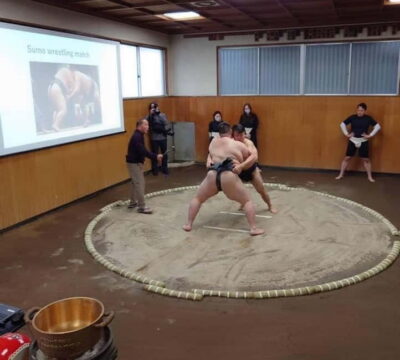
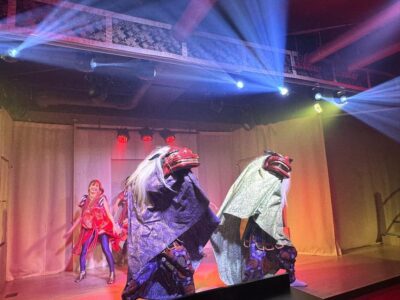
Japanese Dance Cabaret Theater Asakusa-Kaguwa Ticket
Read our review →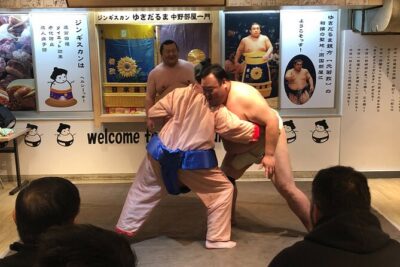
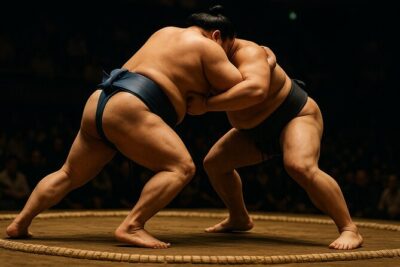
Tokyo Shinjuku Sumo Show & Experience with Photo
Read our review →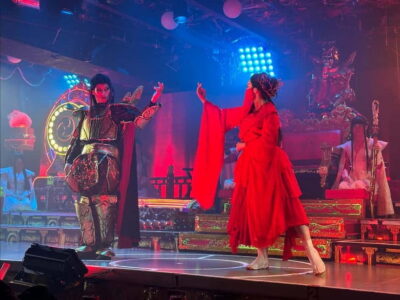
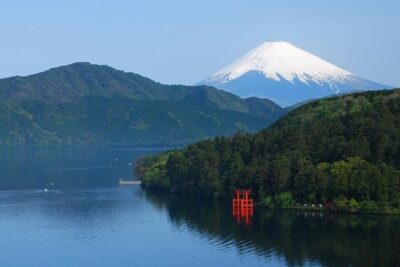
Mt Fuji & Hakone Cruise, Drum Show Bus 1 Day from Tokyo
Read our review →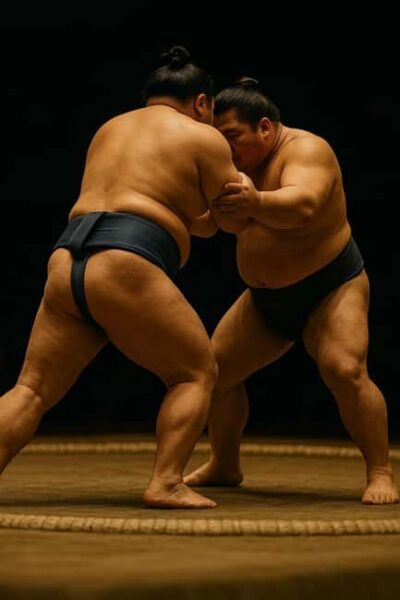
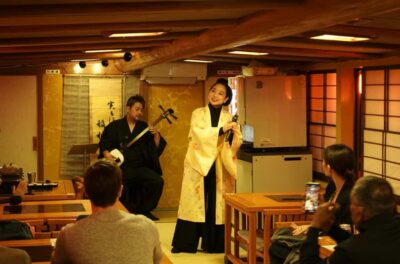
Yakatabune Dinner Cruise with Japanese Show & Drinks
Read our review →Browse the lists this show appears in