
Review · KYOTO
Kyoto Gion Cultural Walk & Geisha Show with Dining Options
A maiko dance, a cup of tea, and a chance to ask questions face to face make this more than a standard stroll through Kyoto’s famous geisha quarter. The walking route links Gion’s theaters, shrines, streets, and temples with the cultural background needed to understand what you are seeing.
I like two things in particular: the small group, capped at nine people, and the guides’ effort to explain geiko and maiko life without leaning on tourist myths. Guides Akari, Ken, and Kenta are repeatedly praised for their warmth, translation help, and care with cultural details. The main consideration is the dining option: several people found the meal excellent, but at least one felt the portions were too small for the added cost.
Key points to know before booking
- The maiko meeting is the heart of the evening: Expect a dance performance, tea, and time for questions during the 45-minute cultural session.
- The Gion walk gives the show useful context: You visit Hanamikoji Street, Gion Shirakawa, Tatsumi-jinja, Kennin-ji, and other important places first.
- The group is small: A maximum of nine people makes it easier to hear the guide and ask questions.
- The guides do more than lead the way: Akari, Ken, and Kenta have helped with translation, photographs, weather problems, and cultural explanations.
- Dining is optional and worth checking carefully: Food quality has been praised, but the meal may not satisfy a large appetite.
- The walk is not ideal for leg problems: It lasts 1.5 to 2 hours before the show, and some temple admissions cost extra.
Why the maiko meeting matters
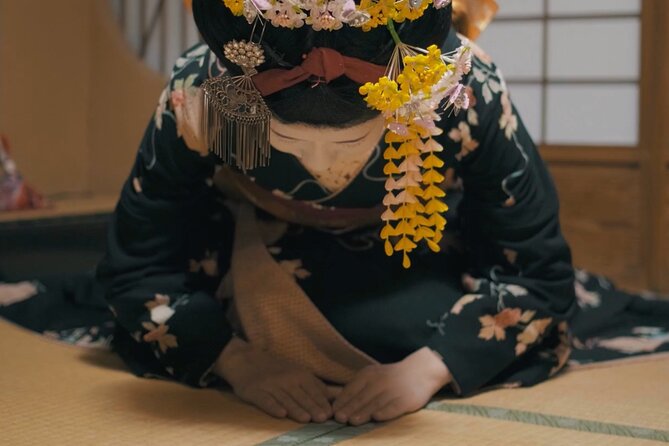
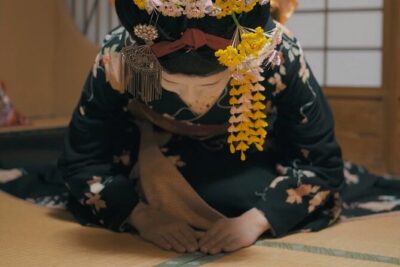
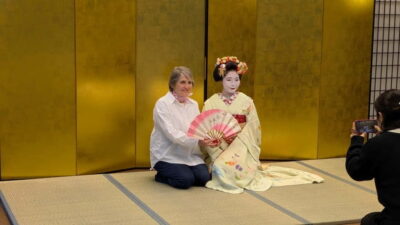
The most memorable part of this experience is the direct meeting with an apprentice geisha, properly called a maiko. You watch one or two dances, enjoy tea, and ask questions about her work and traditions. The formal setting gives you a rare look at a living Kyoto art rather than a staged photo opportunity on a busy street.
Your guide serves as host and interpreter. That matters because the maiko’s answers and the group’s questions may need translation. Several of the strongest comments about the experience focus on this role, especially the way Akari, Ken, and Kenta explain answers and keep the conversation moving.
The session lasts about 45 minutes. That is long enough to hear more than a short performance, but it is not an entire evening with unlimited conversation. If you have a serious interest in the subject, arrive with a few thoughtful questions ready.
You should also approach the meeting respectfully. The experience presents geiko and maiko culture as a traditional profession with discipline, training, performance, and social customs. It is not simply a chance to spot a woman in costume. The walking portion helps make that distinction clear.
More Cultural Shows in Japan
- Kyoto Gion Cultural Walk & Geisha Show with Dining Options
★ 5.0 · 518 reviews - Kyoto: Samurai Kenbu Traditional Sword Dancing Show
★ 4.5 · 426 reviews - Tokyo: Traditional Japanese Performing Arts Show and Dinner
★ 4.5 · 99 reviews
Starting beside the Izumo-no-Okuni statue
The tour begins at the Statue of Izumo-no-Okuni in Kawabatacho, near the Kamogawa River. Your guide uses the statue to explain the origins of kabuki and its connection to women performers.
That opening is a clever choice. Modern kabuki is performed by men, but its beginnings involved women. You get an early lesson in how Japanese performance traditions changed over time, and you begin to see that Gion’s entertainment culture has more than one strand.
The stop lasts about 15 minutes and is free. Since the meeting point is near public transportation, it should be practical to reach, though you will want to allow time to find the statue in central Kyoto.
Minamiza Theater and the changing face of kabuki
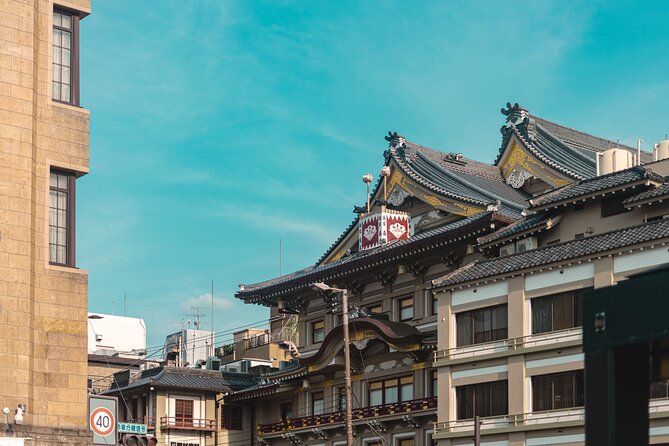
The next stop is Minamiza Theater, one of Kyoto’s major kabuki landmarks. The guide discusses its architecture and the link between traditional kabuki and modern technology, including the use of virtual reality.
You do not enter as part of the listed route, so think of this as an exterior explanation rather than a theater visit. Still, the stop helps connect the arts you see in Gion with a broader performance tradition. The 10-minute visit is brief, which keeps the tour moving.
This section is especially useful if you arrive in Kyoto knowing little about kabuki. It places the maiko performance in a wider cultural setting instead of treating it as an isolated attraction.
Gion Shirakawa, where the setting does much of the work
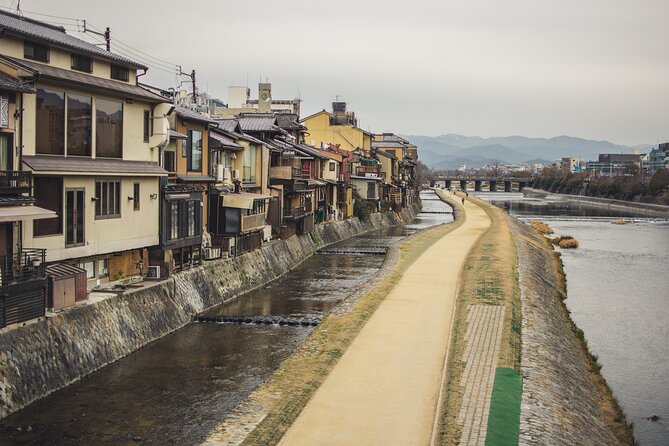
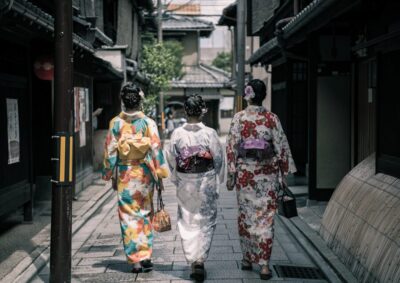
Gion Shirakawa is one of the prettiest portions of the district. Traditional buildings line the riverside, and the old streets give you a strong sense of the area’s character.
The guide explains the geisha world here, including the customs and misconceptions that can be easy to miss when you simply walk through on your own. The stop lasts around 15 minutes, but the route itself gives you time to look at the streets, buildings, and theaters as you move between points.
You might see a geiko or maiko walking through Gion, but that is not guaranteed. The tour does not promise a street sighting, and that is a good thing. The focus stays on respectful observation rather than chasing performers for photographs.
This part of the walk also shows why a guide helps. Gion can look like a collection of beautiful lanes and carefully preserved facades. With context, you understand more about the district’s purpose and the traditions connected to it.
More Traditional and Cultural Shows in Japan:
- Japanese Traditional Music Show in Tokyo
★ 5.0 · 72 reviews - Traditional Japanese Music ZAKURO SHOW in Tokyo
★ 5.0 · 67 reviews - Tokyo: Traditional Geisha Experience Show & Japanese Dinner
★ 4.2 · 59 reviews - Traditional Japanese Comedy, Juggling & Magic Live Show in Tokyo
★ 5.0 · 37 reviews
Tatsumi-jinja and the basics of Shinto
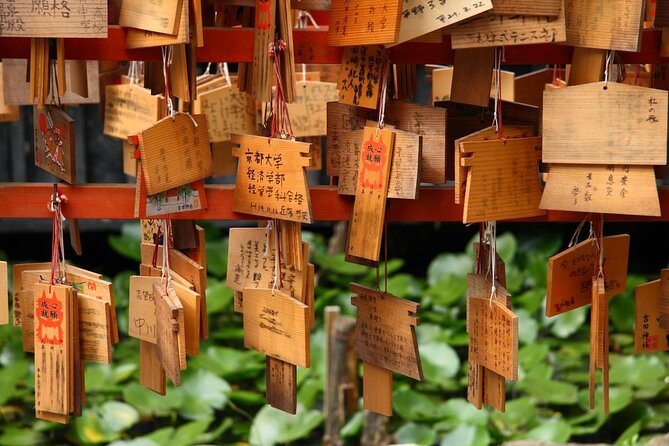
At Tatsumi-jinja, also called Tatsumi Dai-myojin, the guide introduces Shinto, Japan’s native religion. You hear about the many kami, or divine beings, associated with Shinto belief.
The stop takes about 15 minutes and does not require an admission ticket. It provides a useful pause from the geisha subject and reminds you that Gion is not only a place of entertainment. Shrines, religious customs, neighborhood life, and traditional arts share the same streets.
If you have never visited a Shinto shrine, listen for practical explanations of how the site fits into Japanese culture. The tour description specifically highlights the idea that Japan has eight million gods, a phrase that helps convey the breadth of Shinto belief.
Hanamikoji Street and the famous Gion image
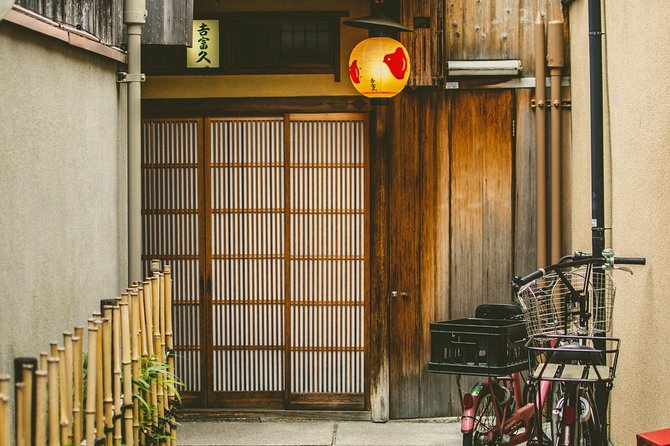
Hanamikoji Street is the main thoroughfare of Gion and one of the places most associated with Kyoto’s geiko culture. You spend about 10 minutes here, learning about the district and keeping an eye out for performers moving between appointments.
The street can be visually striking, but it is also a working neighborhood. Keep your camera ready only when appropriate, and follow your guide’s lead on respectful behavior. Seeing a maiko is possible, not promised.
This is where the tour can correct a common mistake. A geiko or maiko is not an actor hired to pose on the street for every passerby. The route gives you a better understanding of that distinction before you meet a maiko in the planned cultural session.
Kennin-ji and the Zen connection
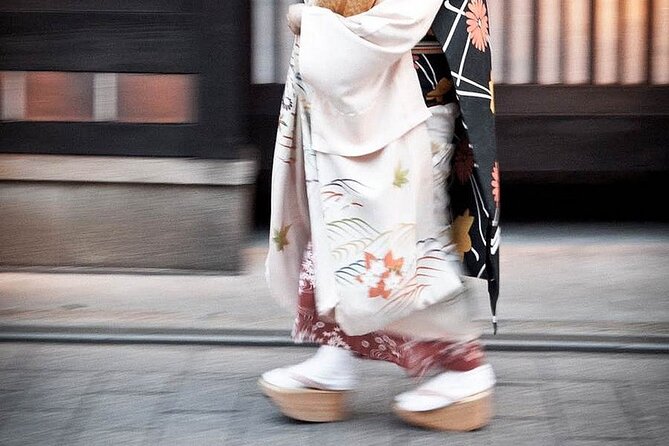
Kennin-ji was founded in 1202 and is described as a Zen Buddhist temple. The guide uses the stop to explain Zen Buddhism and its place in Japanese religious culture.
The listed visit lasts around 15 minutes. Admission is not included, so check the current entry arrangement when booking or at the start of the tour. Because the route contains several short stops, you should not expect a full temple visit with extensive time in every hall or garden.
Still, the stop adds balance. Gion is often presented only through its geisha associations, yet Buddhist temples are part of the district’s cultural setting. A short explanation at Kennin-ji helps you connect the performance traditions with the religious institutions around them.
Zenkyoan and its boar guardians
The final listed stop is Zenkyoan, also called Marishitendo, a Kennin-ji subtemple in Gion. It is known for boar guardians and associations with luck and safety.
Like Kennin-ji, admission is not included. The stop lasts about 15 minutes and offers a more unusual detail than the standard Gion route. The boar figures give you something specific to look for, while the talk about protection and luck adds another layer to the religious side of the neighborhood.
By this point, the walking section has covered theater, shrine practice, geiko culture, Zen Buddhism, and local religious imagery. That range is one of the tour’s best features. You are not just being led to a show. You are getting the cultural map around it.
The 45-minute performance and question session
After roughly 1.5 to 2 hours of walking, the experience shifts indoors for the maiko meeting and performance. The session includes tea, one or two songs, a dance, and questions.
The dance is the visual centerpiece, but the question period may be even more valuable. You can ask about traditions and daily life, with the guide helping translate. Some comments about the experience specifically praise the chance to speak with a maiko rather than simply watch a short stage number.
Photography rules may apply, so follow the instructions given at the venue. One person specifically regretted not being able to share photographs on social media. That may feel limiting if you want a souvenir image, but it also protects the performer and the tone of the meeting.
The small group helps here. With no more than nine people, you have a better chance of hearing the exchange and asking something yourself. A larger crowd could turn the meeting into a one-way presentation. This format has more room for personal questions, although the exact amount of conversation depends on the group and the schedule.
What the guides add to the experience
The guide can make or break a culture-focused walk. Here, the named guides include Akari, Ken, and Kenta, and each is praised for a slightly different strength.
Akari is described as warm, enthusiastic, and especially attentive to solo participants. She has helped with photographs, answered detailed questions, assisted during the meal, and translated during the meeting. If you are visiting alone, the small-group setup and active hosting may help you feel included.
Ken is often praised for explaining the links between kabuki, geiko culture, and Gion’s history. He has also been described as witty, respectful, and helpful during the meal and maiko session.
Kenta is noted for his passion and clear explanations. He has also helped interpret the conversation with the maiko and looked after the group in difficult weather.
One particularly practical detail: during a hot day, a guide brought cold cloths and icy drinks. During a sudden thunderstorm, the guide produced umbrellas and rain ponchos. These touches do not change the route, but they show why a local guide can be useful in Kyoto’s changing weather.
The guide’s role is also important for correcting language. You may hear geiko used for a professional in Kyoto and maiko for an apprentice. The tour gives you a better vocabulary and helps you avoid treating all traditional performers as simply geisha.
Dining options and the question of value
The price is listed at $121.37 per person, with dining options available. The value depends heavily on which option you choose and how much you care about the food itself.
The cultural portion has clear value for someone who wants a small group, a guided Gion walk, interpretation, and a maiko meeting. Booking a walk and a cultural performance separately could be less convenient, and you would lose the guide’s explanation connecting the two.
The meal is less certain as a value proposition. Several diners describe the food as excellent, delicious, or high quality, with family-style service and attention to dietary restrictions. Another person felt the meal was too small for the price and left hungry. That is an important warning if dinner is a major reason for booking.
I would choose the dining option for the atmosphere and convenience, not because you expect a large feast. If you have a big appetite, check exactly what the meal includes before paying the higher amount. If the food matters less to you, compare the non-dining option and spend your evening budget elsewhere.
A tip for the maiko is not included. Set aside money for that separate gratuity, and confirm the expected amount or method with the guide.
Timing, walking effort, and group size
The full experience lasts about three hours. The walk takes 1.5 to 2 hours, followed by a 45-minute meeting and performance.
You will be on your feet through Gion’s streets and temple areas, so this is not the right pick if you have leg problems. The activity information says most people can participate, but that should not be read as a promise of minimal walking.
The group maximum is nine people. That is small enough for questions and easier movement through narrow streets. It also means the experience may feel more personal than a large bus tour, while still giving you the structure of a planned outing.
The start point is the Izumo-no-Okuni statue, and the activity ends somewhere else. Check the end location before arranging your next reservation. The tour is near public transportation, which helps, but the changing end point makes it wise to leave a little time before a train, restaurant booking, or evening show.
The experience requires good weather, and poor conditions can lead to a different date or a full refund. You can cancel for a full refund up to 24 hours before the start time. Changes or cancellations inside that window are not accepted, and cut-off times use Kyoto local time.
Who should book this Gion experience?
I would recommend it most strongly to a first-time Kyoto visitor who wants cultural explanation rather than a quick photo stop. It suits couples, families, solo visitors, and anyone curious about the difference between geiko, maiko, kabuki performers, and other Japanese arts.
It is also a good choice if you want a guide who can translate during a real conversation. That turns the maiko encounter into something more substantial than watching a dance from a distance.
You may want to skip it if you dislike organized walks, have trouble staying on your feet for two hours, or want a large dinner for the price. It is also not ideal if your main goal is guaranteed street photography. The tour may show you Gion’s famous lanes, but respectful cultural understanding is the main product.
Should you book it?
Book this experience if meeting a maiko, asking questions, and learning how Gion’s arts and religious sites fit together sound more interesting than simply sightseeing. The guides are a major strength, and the small group gives the performance and conversation a personal feel.
Before paying for the dining option, decide how much the meal matters to you. The cultural program is the reliable reason to book. The food may be very good, but the portion size has not worked for everyone. With that expectation set, this is a thoughtful way to spend three hours in Gion and one of the better choices for understanding the district beyond its polished streets.
FAQ
How long does the Kyoto Gion cultural walk and maiko show last?
The experience lasts approximately three hours. The guided walk takes about 1.5 to 2 hours, followed by a 45-minute maiko meeting and show.
What is included in the experience?
The booking includes the guided Gion walk and the 45-minute maiko meeting and performance. The session includes a dance with one or two songs, tea, and time for questions.
Is dinner included?
Dining options are available, but the provided information does not state that every booking includes the same meal. Check the option you select carefully, especially because meal portions have received mixed feedback.
Is the maiko tip included?
No. A tip for the maiko is not included in the listed price.
Where does the tour start?
The meeting point is at the Statue of Izumo-no-Okuni in Kawabatacho, Higashiyama Ward, Kyoto. The activity ends at a different location, so check the end point before planning your next activity.
Can I cancel for a refund?
Yes. You can cancel at least 24 hours before the local start time for a full refund. Cancellations or changes made less than 24 hours before the start time are not accepted. If poor weather or an insufficient minimum group causes the activity to be canceled, you will be offered another date or a full refund.
More Dinners Out in Japan
- Tokyo: Samurai Restaurant Show Ticket with 2 Drinks
★ 4.5 · 1,307 reviews - Osaka Umeda: PICCADILLY DINNER SHOW & NIGHTCLUB with Tasting
★ 4.8 · 49 reviews - Tokyo: Japanese Style Variety Show with Dance,Magic & Dinner
★ 4.5 · 13 reviews - Tokyo: Traditional Asakusa Music Show with Dinner
★ 5.0 · 10 reviews
More Dinner Experiences in Japan
- Tokyo: Sumo Show and Dining Experience
★ 4.8 · 2,742 reviews - Tokyo: Yakatabune Dinner Cruise with Japanese Show & Drinks
★ 4.7 · 871 reviews - Tokyo Bay Yakatabune Dinner/Day Cruise with Japan Show and Drinks
★ 4.5 · 473 reviews - Tokyo Dinner Cruise & Tradition Show & Drinks & Tokyo Tower
★ 4.7 · 315 reviews
Just added around Japan
- Authentic Kabuki Transformation & Mini Performance at Aioiza Gifu★ 4.5 · 3 reviews
- Kabuki Talk★ 5.0 · 10 reviews
- Tokyo: English Standup Comedy Night★ 5.0 · 4 reviews
- Experience the Asakusa Kabuki Opera Show!★ 5.0 · 99 reviews
- Tokyo: Traditional Geisha Experience Show & Japanese Dinner★ 4.2 · 59 reviews
- Tokyo: Taishu Engeki Show with Kimono and Sword Lesson★ 5.0 · 12 reviews
- Tokyo: Rainbow Bridge Day Cruise Show Unlimited Soft Drinks★ 4.5 · 86 reviews
- Tokyo: Taiko Drum Experience in Kabukicho with Dinner★ 5.0 · 3 reviews
Kyoto Shows, compared.
Kyoto Gion Cultural Walk & Geisha Show with Dining Options
Read our review →
Gion Walking Tour, Geisha Show and Japanese Game in Kyoto
Read our review →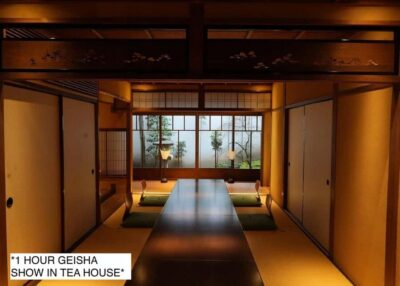
Browse the lists this show appears in